
Embarking on an adventure in the Golden State often means hitting the open road, exploring breathtaking landscapes, vibrant cities, and serene coastal routes. Whether you’re planning a temporary visit, a long-term stay, or making California your new home, obtaining a California driver’s license is more than just a bureaucratic step—it’s your passport to unparalleled freedom and independence. From cruising down the Pacific Coast Highway to exploring the bustling streets of Los Angeles or the iconic landmarks of San Francisco, a driver’s license empowers you to truly immerse yourself in the rich tapestry of California life.
This comprehensive guide will navigate you through every step of the process, ensuring a smooth journey from application to holding your very own California driver’s license. We’ll cover everything from eligibility requirements and necessary documentation to acing your knowledge and driving tests, providing valuable insights to help you prepare effectively. For those passionate about travel, local culture, and exploring destinations, understanding this process is crucial. It’s not just about driving; it’s about unlocking experiences, whether it’s a road trip through Yosemite National Park, a visit to Disneyland Park, or discovering hidden gems in cities like San Diego and Sacramento.
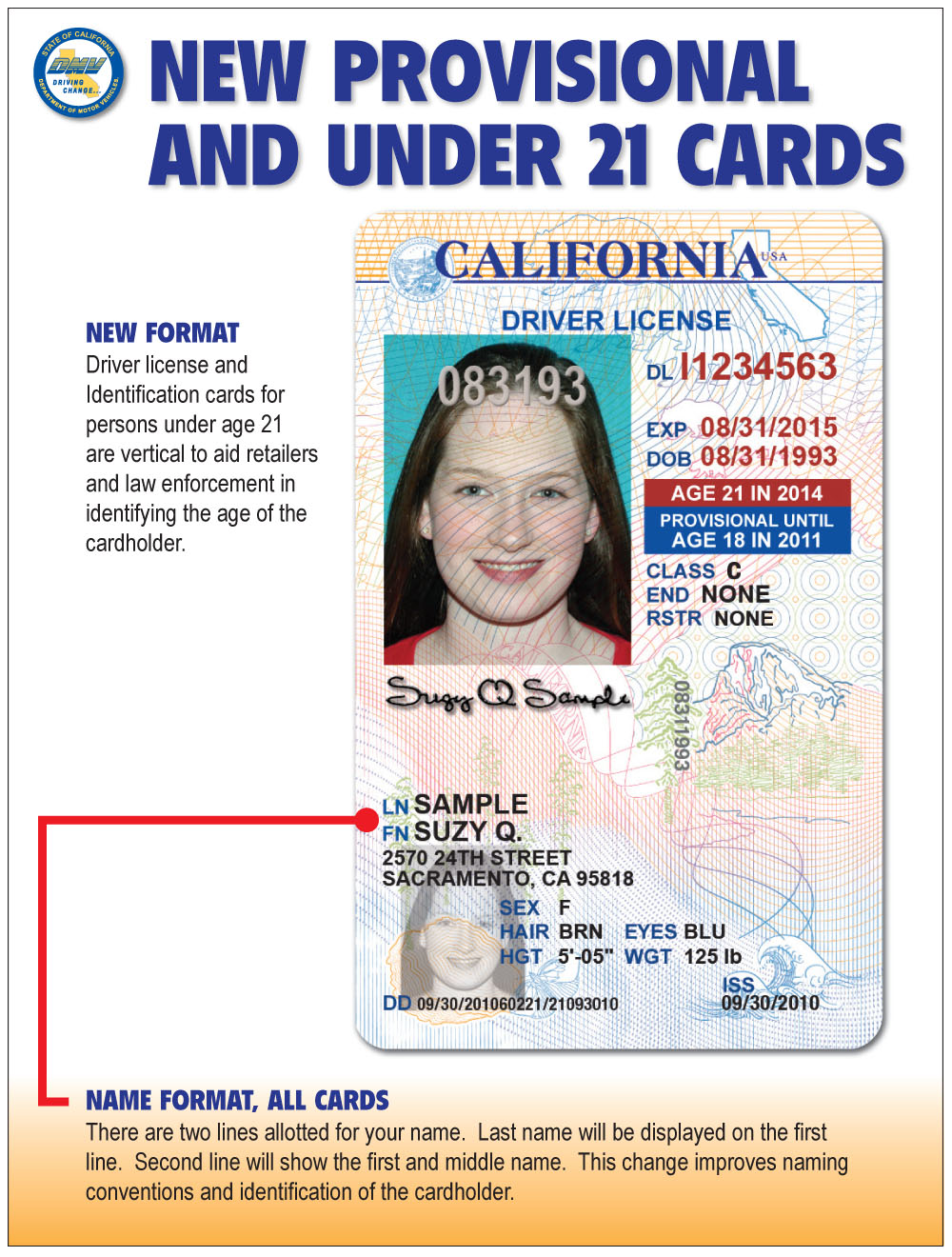
Eligibility and Initial Steps: Paving Your Way
Before you even think about getting behind the wheel, there are fundamental requirements and initial steps you must complete. The California Department of Motor Vehicles (DMV) is the governing body responsible for issuing driver’s licenses, and understanding their regulations is paramount.
Who Can Apply? Residency Requirements
To apply for a standard (non-commercial) California driver’s license, you typically need to demonstrate proof of residency in the state. This means showing that you intend to live in California and have established ties here. Generally, if you plan to stay in California for more than a temporary period, or if you establish a residence here, you are required to obtain a California license.
For new residents moving from another state or country, you usually have 10 days after establishing residency to apply for a California license. If you hold a valid driver’s license from another U.S. state, territory, or district, or from certain foreign countries (which have reciprocal agreements), you may be able to bypass the driving test, though the knowledge test is almost always required. It’s crucial to check with the DMV for the most current information regarding international licenses, as policies can change.
Gathering Your Essential Documents
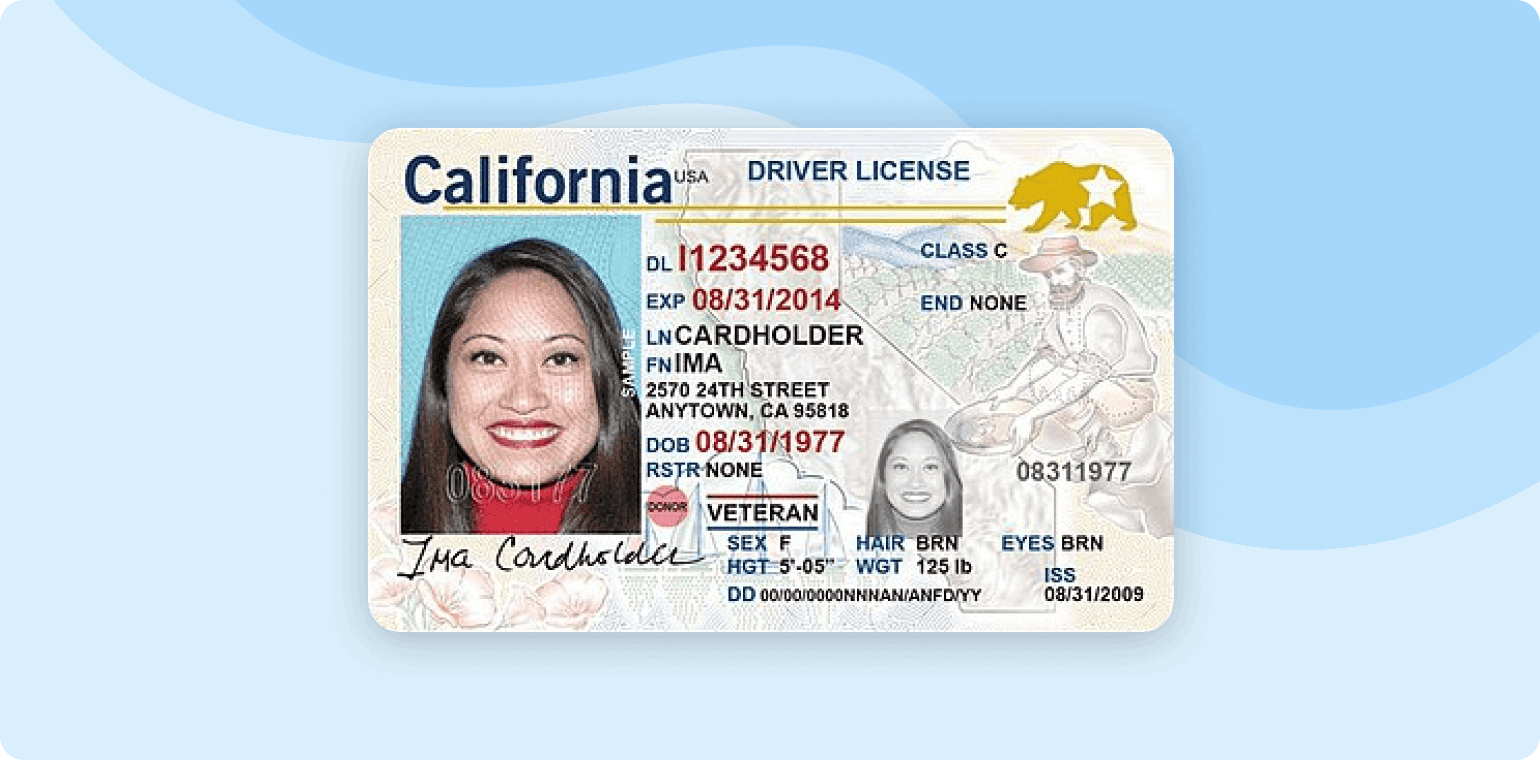
This is arguably the most critical preparatory step. The DMV requires specific documents to verify your identity, residency, and legal presence in the United States. The type of license you apply for—a standard driver’s license or a REAL ID—will determine the exact documents needed. Since the Federal Real ID Act was implemented, many individuals opt for a REAL ID compliant license, which can be used as federal identification to board domestic flights and enter federal facilities.
Here’s a general checklist for a REAL ID compliant driver’s license:
- Proof of Identity: One document proving your identity. Examples include a U.S. birth certificate, U.S. passport, foreign passport with an approved visa and I-94 form, or a permanent resident card. The name on this document must match your application.
- Proof of Social Security Number (SSN): Your Social Security card, W-2 form, or a pay stub with your full SSN. If you don’t have an SSN but are eligible for one, you’ll need to provide documentation from the Social Security Administration (SSA) stating your ineligibility.
- Proof of California Residency: Two different documents showing your California address. These can include utility bills, rental agreements, mortgage statements, bank statements, or medical documents.
- Proof of Legal Presence: For non-U.S. citizens, this involves documents like a green card, employment authorization document (EAD), or a valid visa and I-94. The DMV verifies your legal presence with the Department of Homeland Security (DHS).
It is highly recommended to visit the official California DMV website or use their interactive document checklist to ensure you have all the necessary papers for your specific situation. Missing even one document can lead to delays and multiple trips to the DMV office.
The Application Process: Getting Started with the DMV
Once your documents are in order, the application process officially begins.
- Complete the Driver’s License Application: You can fill out the form (DL 44) online in advance and print it, or obtain it at a DMV office. Completing it online saves time.
- Schedule an Appointment: While walk-ins are sometimes accepted, scheduling an appointment is strongly advised, especially for larger DMV offices in cities like San Jose, Fresno, or Long Beach. Appointments significantly reduce wait times.
- Visit the DMV Office: Bring all your original documents, your completed application, and payment for the application fee.
- Fingerprints, Photo, and Vision Test: At the DMV, your thumbprint will be scanned, your photograph taken, and you’ll undergo a simple vision test. If you wear corrective lenses, be sure to bring them.
Upon successful completion of these steps, you will be issued a temporary permit, making you eligible to take the knowledge test.
Conquering the Knowledge Test: From Rules to the Road
The knowledge test is designed to ensure you understand California traffic laws and road signs. This isn’t just a formality; it’s a critical component of road safety, vital for anyone navigating California’s diverse driving conditions, from congested urban centers to winding mountain roads.
Studying for Success: The California Driver Handbook
Your primary resource for the knowledge test is the official California Driver Handbook. This comprehensive guide covers everything you need to know: traffic laws, road signs, safe driving practices, and specialized rules. It’s available online in multiple languages and at DMV offices.
Key areas to focus on:
- Traffic Laws: Speed limits, right-of-way rules, turning regulations, lane usage.
- Road Signs and Markings: Be able to identify and understand the meaning of various signs (regulatory, warning, guide) and pavement markings.
- Safe Driving Practices: Distracted driving, DUI laws, sharing the road with pedestrians and cyclists, freeway driving.
- Special Situations: Driving in fog, rain, or snow; what to do in an accident.
Many online resources offer practice tests, which are excellent tools to gauge your understanding and identify areas where you need further study. Take as many practice tests as you can until you consistently pass. The handbook also has specific sections for motorcycle handbook and commercial driver handbook information if you’re pursuing those specific licenses.
What to Expect on Test Day
The knowledge test consists of multiple-choice questions. For a first-time applicant over 18, you will typically answer 36 questions and must get at least 30 correct to pass. You have three attempts to pass the knowledge test before you must reapply and pay a new fee.
The test is usually administered on a touch-screen computer at the DMV office. You can choose your preferred language. Read each question carefully, and don’t rush. If you’ve studied the California Driver Handbook thoroughly and taken practice tests, you should feel confident.
Upon passing the knowledge test, you will be issued an instruction permit. This permit allows you to practice driving with a licensed California driver (25 years or older) accompanying you. This is a crucial phase, especially if you are new to driving or California’s specific road rules.
The Driving Test: Demonstrating Your Skills
The driving test, also known as the “behind-the-wheel” test, is where you prove your ability to safely operate a vehicle and apply the knowledge you’ve gained. This is a practical evaluation of your driving skills under the supervision of a DMV examiner.
Preparing Your Vehicle and Yourself
- Vehicle Requirements: You must provide a vehicle for the test that is safe and in good working order. This means all lights (headlights, brake lights, turn signals), horn, wipers, mirrors, and tires must be functional. The vehicle must have current registration and insurance, and you’ll need to present these documents to the examiner.
- Accompanying Driver: You must be accompanied by a licensed driver (25 years or older) with a valid California driver’s license to drive the vehicle to the DMV for your test. Your instruction permit does not allow you to drive alone.
- Practice, Practice, Practice: Practice driving in various conditions and environments. Focus on fundamental skills such as turns, lane changes, parking (parallel and backing), scanning, and maintaining appropriate speed and following distance. Practice in areas similar to where your test might take place, if possible. Familiarize yourself with common test routes if resources are available online.
What the Examiner Looks For
The examiner will evaluate your ability to safely and smoothly control the vehicle while adhering to traffic laws. They are looking for consistent safe driving habits, not perfection.
Key areas of evaluation include:
- Scanning and Awareness: Continuously checking mirrors, blind spots, and intersections.
- Lane Control: Maintaining your lane, making smooth lane changes.
- Turns: Signaling appropriately, looking both ways, completing turns safely.
- Speed Control: Maintaining a safe speed and adhering to posted limits.
- Stopping and Starting: Smooth acceleration and braking.
- Parallel Parking / Backing: While not always required, demonstrating proficiency in these maneuvers is important.
- Observation of Traffic Signs and Signals: Reacting appropriately to all road signs and traffic lights.
- Communication: Using turn signals, hand signals when necessary, and the horn appropriately.
- Following Distance: Maintaining a safe distance from the vehicle in front of you.
The examiner will typically provide clear instructions throughout the test. Listen carefully and ask for clarification if needed. Avoid distractions and remain calm and focused. Minor errors are usually acceptable, but any action that the examiner deems unsafe will result in an immediate failure.
Passing the Test and Receiving Your Temporary License
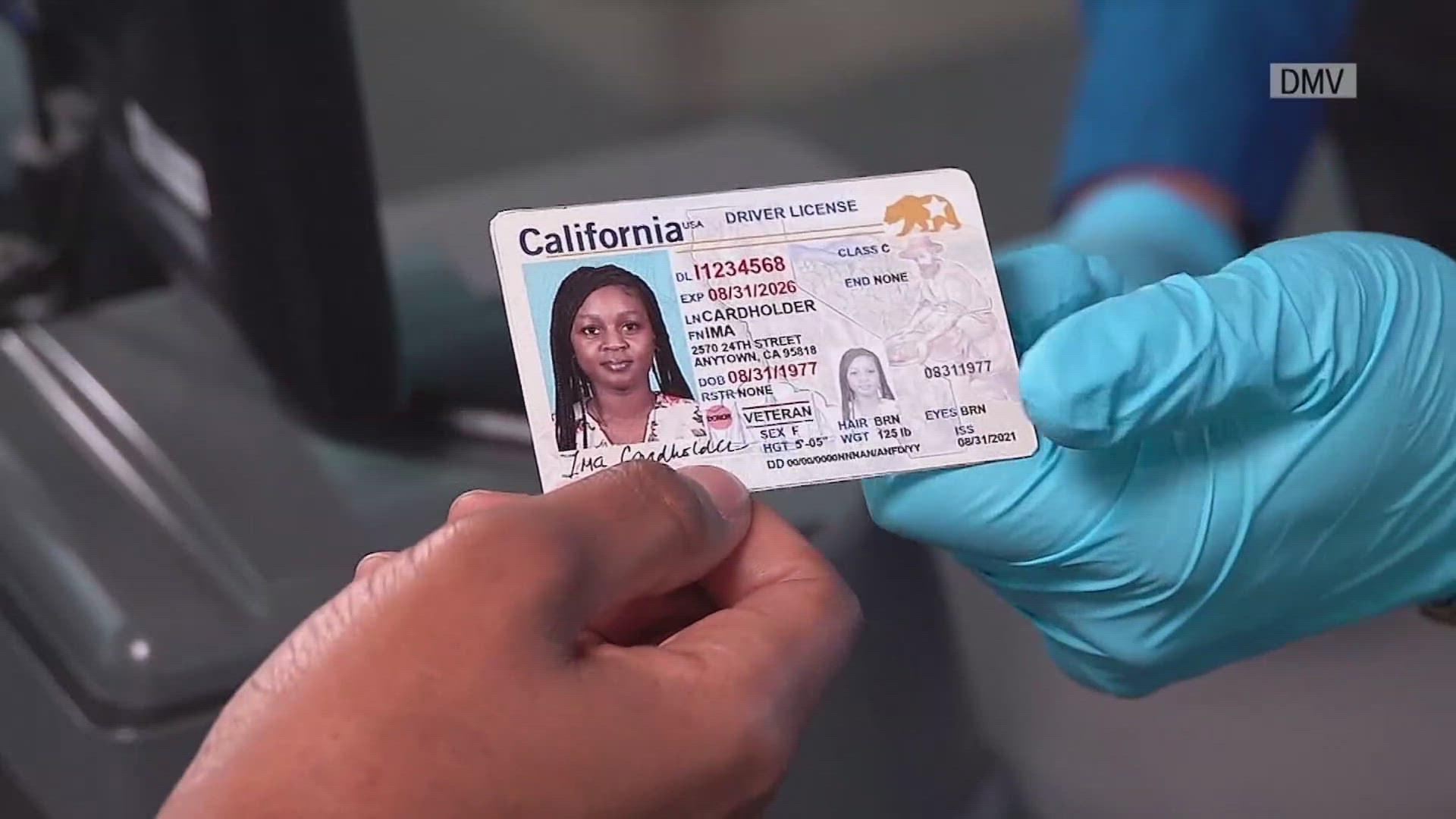
If you pass the driving test, congratulations! The examiner will inform you immediately. You’ll return to the DMV office, where your picture will be taken (if not already done), and you’ll be issued a temporary driver’s license. This temporary license is valid immediately and allows you to drive legally. Your permanent, laminated driver’s license will be mailed to your address within a few weeks. If you opted for a REAL ID, it will clearly indicate “FEDERAL LIMITS APPLY” or “OFFICIAL FEDERAL USE” to differentiate it.
If you do not pass, don’t be discouraged. You’ll receive a score sheet indicating the areas where you need to improve. You are allowed a certain number of attempts (usually three per application fee) and must wait a minimum of two weeks between tests to allow for additional practice.
Beyond the Basics: Fees, Renewals, and Special Considerations
Obtaining your initial driver’s license is a significant milestone, but it’s also important to be aware of the ongoing responsibilities and specific situations that might arise.
Understanding the Costs
The application fee for a non-commercial California driver’s license covers the cost of the knowledge test and driving test attempts. This fee is typically around $39 (as of late 2023, though always check current DMV fees). If you fail the knowledge test or driving test multiple times and exhaust your included attempts, you will need to pay an additional fee to get more attempts. There are no additional fees for the temporary license or the mailing of your permanent card.
Considerations for New Residents and International Visitors
- New Residents from Other U.S. States: If you have a valid driver’s license from another U.S. state, you typically won’t need to take the driving test, but you must pass the knowledge test and complete all other application requirements.
- International Visitors/Licenses: California generally recognizes a valid driver’s license from your home country for visitors for a limited period, usually until you become a resident. However, if you plan an extended stay or establish residency, obtaining a California license is mandatory. An International Driving Permit (IDP) is recommended but not required; it serves as a translation of your foreign license. Always carry your original foreign license alongside your IDP.
- Undocumented Individuals: California offers AB 60 driver’s licenses to undocumented individuals who meet all other eligibility requirements. These licenses are not REAL ID compliant and cannot be used for federal identification purposes, but they allow legal driving privileges within the state. The documentation requirements differ slightly, so applicants should consult the DMV for specific guidance.
The Freedom a California License Provides
With your California driver’s license in hand, a world of possibilities opens up. You can confidently plan road trips to incredible destinations like Big Sur, Lake Tahoe, Death Valley National Park, Sequoia National Park, or Joshua Tree National Park. You’ll have the independence to explore local attractions in cities like Anaheim (Disneyland Park) or Hollywood (Universal Studios Hollywood), discover hidden eateries, and venture off the beaten path. For those engaged in long-term stays or simply seeking to experience the best of California’s lifestyle, a license is an indispensable tool for both convenience and exploration. It also serves as a primary form of identification, simplifying tasks from hotel check-ins to proving your age.
Conclusion: Embrace the Golden State
Obtaining a driver’s license in California may seem like a multi-step process, but with careful preparation and a clear understanding of the requirements, it is a manageable and rewarding endeavor. From meticulously gathering your documents and studying the California Driver Handbook to practicing your driving skills, each stage builds towards your ultimate goal: the freedom to explore the vibrant and diverse landscapes of the Golden State.
Whether your journey takes you along the iconic Pacific Coast Highway, through the bustling metropolises of Oakland, Riverside, Irvine, Stockton, Chula Vista, Fremont, San Bernardino, Modesto, Bakersfield, or into the serene wilderness of its many national parks, your California driver’s license is your key. So, gear up, follow these steps, and prepare to embark on countless unforgettable adventures across one of the most beautiful and dynamic states in the United States. Safe travels, and enjoy the open road!
LifeOutOfTheBox is a participant in the Amazon Services LLC Associates Program, an affiliate advertising program designed to provide a means for sites to earn advertising fees by advertising and linking to Amazon.com. Amazon, the Amazon logo, AmazonSupply, and the AmazonSupply logo are trademarks of Amazon.com, Inc. or its affiliates. As an Amazon Associate we earn affiliate commissions from qualifying purchases.