
Embarking on an adventure in the Lone Star State offers an unparalleled tapestry of experiences, from the bustling urban sprawls to serene natural wonders. To truly unlock the full potential of exploration and immersion in Texas, securing a driver’s license is not just a formality—it’s your golden ticket. Imagine cruising down scenic highways, discovering hidden gems, or simply enjoying the freedom to navigate your chosen destinations at your own pace. For travelers considering extended stays, digital nomads, or those relocating, understanding the process of obtaining a Texas driver’s license is paramount. It seamlessly integrates into a lifestyle of independence, facilitating everything from booking a weekend getaway in Austin to visiting a remote resort for a tranquil escape. This comprehensive guide will walk you through every step, ensuring your journey to a Texas driver’s license is as smooth as a drive along the Gulf Coast.
Navigating the Lone Star State: Why a Texas Driver’s License is Your Ultimate Travel Pass
Texas is a land of vast horizons and diverse landscapes, making independent travel not just convenient but often essential. A Texas driver’s license empowers you to design your own itinerary, whether it’s a spontaneous road trip to Big Bend National Park, a culinary tour through Houston‘s vibrant neighborhoods, or a historical exploration of San Antonio’s iconic Riverwalk and The Alamo. Beyond the sheer convenience, having a local driver’s license often simplifies other aspects of your stay, from establishing residency for long-term accommodation bookings to renting a car for family trips, ensuring you’re always ready for your next adventure.
The freedom to drive yourself opens up a world of possibilities for travelers and residents alike. You can explore the art districts of Dallas, immerse yourself in the music scene of Austin, or relax on the sun-drenched beaches of South Padre Island. For those passionate about tourism, a driver’s license allows access to less-trodden paths and local experiences that might be inaccessible via public transport. Imagine visiting a secluded vineyard in Fredericksburg, an historic dance hall in Luckenbach, or witnessing the cattle drives at the Fort Worth Stockyards—all at your leisure. It’s an indispensable tool for anyone embracing a comprehensive Texas lifestyle, whether it’s for luxury travel, budget exploration, or business stays that require quick transit between cities like El Paso and Corpus Christi.
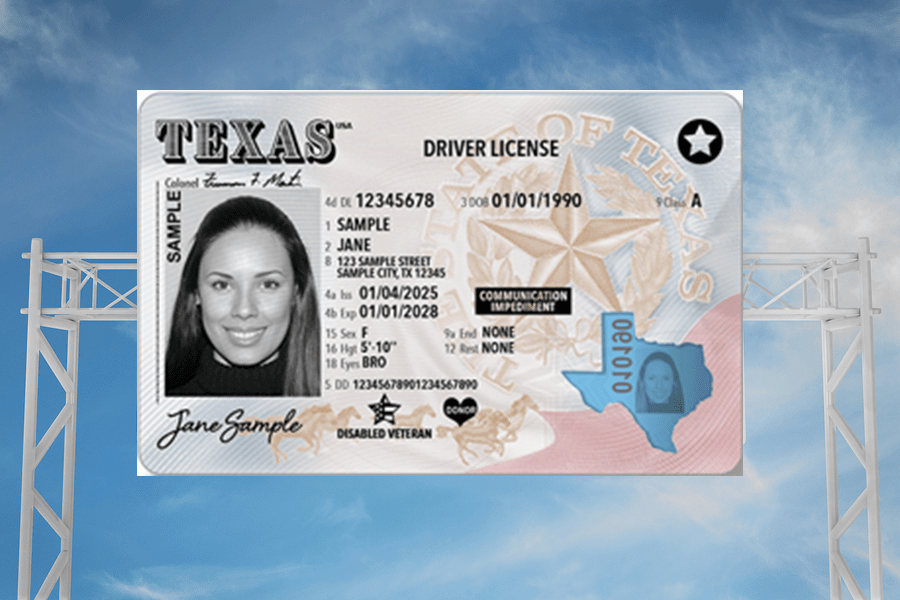
Eligibility and Documentation: Your First Steps Towards Texas Freedom
Before you can hit the open roads of Texas, you must first ensure you meet the eligibility criteria and gather the necessary documents. This initial phase is crucial, akin to preparing all your travel documents before an international journey. Meticulous preparation here will save you significant time and potential frustration down the line.
Who Can Apply?
To apply for an original Texas driver’s license, you must generally meet a few fundamental requirements:
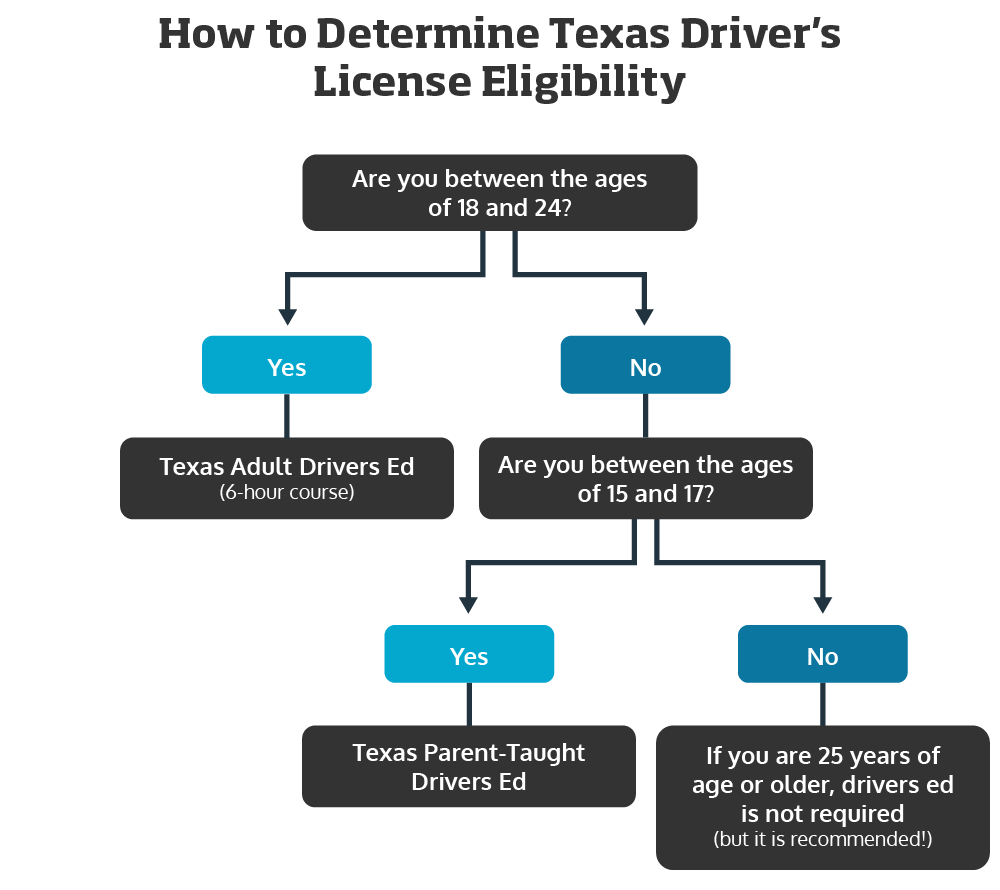
- Age: You must be at least 16 years old to obtain a full, unrestricted driver’s license. For those under 18, a provisional license is issued, and specific requirements apply, including completing driver education courses. This is particularly relevant for families relocating to Texas who wish for their younger members to gain driving independence, facilitating family trips and local errands.
- Residency: You must be a resident of Texas. Establishing residency often involves showing proof of address, utility bills, or a rental agreement. For visitors planning a longer stay or those seeking to make Texas their new home, demonstrating residency is a foundational step not only for a license but also for various other state services and long-term accommodation options.
- Legal Presence: You must be a U.S. citizen, a lawful permanent resident, or have an unexpired visa that grants you legal presence in the United States. This ensures that only individuals with a legal right to reside in the country can obtain a state-issued identification.
Gathering Your Arsenal of Documents
This is arguably the most critical part of the application process. The Texas Department of Public Safety (DPS) is stringent about documentation, and arriving unprepared can lead to multiple trips. Think of it as assembling your perfect travel itinerary; every detail must be accounted for. You will typically need to present original documents (no photocopies) for the following:
- Proof of Identity: This usually involves your birth certificate or a U.S. passport. If you’re a non-U.S. citizen, your foreign passport with a U.S. visa and I-94 (arrival/departure record) or other immigration documents might be required.
- Proof of U.S. Citizenship or Lawful Presence: Your birth certificate or U.S. passport (for citizens), or valid immigration documents like a Green Card or I-94 (for non-citizens).
- Proof of Social Security Number (SSN): Your Social Security card. If you do not have an SSN, you may need to provide proof of ineligibility from the Social Security Administration.
- Proof of Texas Residency: Two different documents that show your name and current Texas address. Examples include a current utility bill (electricity, water, gas, internet), a rental lease agreement, a home mortgage statement, or a bank statement. This is especially important for those transitioning from temporary hotel stays to more permanent accommodation.
- Proof of Vehicle Registration and Insurance (if taking the driving test in your own vehicle): The vehicle you use for your driving test must be registered and insured in Texas.
For minors (under 18), additional documents such as proof of school enrollment and completion of an approved driver education course (DE-964 or ADE-1317 certificate) are mandatory. The DPS website provides a comprehensive document checklist, which is an invaluable resource to consult before your visit.
The Application Journey: From DPS Office to Open Road
Once your documents are in order, the next phase involves a visit to a DPS office, undergoing various tests, and ultimately, earning your license. This journey is a significant step towards fully experiencing the travel and lifestyle opportunities Texas has to offer.
The Department of Public Safety (DPS) Visit
Your trip to the DPS office is a crucial part of the process. While some locations allow for walk-ins, scheduling an appointment online is highly recommended, especially in major cities like Houston, Dallas, or San Antonio, where wait times can be substantial. An appointment streamlines the process, making your visit more efficient, much like pre-booking tours to Space Center Houston or securing a hotel suite in advance.
Upon arrival, you will:
- Submit your application: You’ll fill out a Driver License Application form (DL-14A) and present all your required documents.
- Fingerprints and Photo: Your fingerprints will be taken for identification purposes, and a photograph for your license will be captured.
- Pay the application fee: The fee varies depending on the type of license and its validity period.
- Complete the vision test: This basic test ensures your eyesight meets the minimum standards for safe driving.
- Take the knowledge test: This written or computerized test assesses your understanding of Texas traffic laws and road signs. Studying the Texas Driver Handbook beforehand is essential. Many questions relate to understanding speed limits near landmarks or navigating tourist zones, making safe driving knowledge crucial for exploring new destinations.
Conquering the Tests: Vision, Knowledge, and the Road
Successfully passing the vision and knowledge tests allows you to proceed to the practical driving test. For some, particularly new drivers or those with out-of-state licenses requiring a road test, this can be the most nerve-wracking part.
- Vision Test: A simple eye chart reading to ensure you can see well enough to drive safely. Corrective lenses are permitted, and the restriction will be noted on your license.
- Knowledge Test: This test consists of multiple-choice questions covering traffic laws, road signs, and general safe driving practices specific to Texas. Passing this test demonstrates your theoretical readiness to navigate Texas’ diverse environments, from the busy freeways of Dallas to the quiet roads around Lake Travis. The Texas Driver Handbook is your primary study guide.
- Driving Test (Road Test): After passing the vision and knowledge tests, you’ll schedule your driving test. You must provide a vehicle that is registered, insured, and passes a basic safety inspection by the DPS examiner (working headlights, brake lights, turn signals, horn, etc.). An adult (18+) with a valid Texas driver’s license must accompany you to the DPS office. During the test, an examiner will observe your driving skills, including parallel parking, turning, lane changes, safe following distance, and adherence to traffic laws. This practical assessment confirms your ability to safely drive on Texas roads, granting you the confidence to embark on any travel adventure.
Provisional Licenses and Minors: A Path for Younger Explorers
For individuals under 18, the process involves a graduated licensing system designed to provide young drivers with supervised experience before granting full privileges. This typically begins with an instruction permit, followed by a provisional license.
- Instruction Permit (Learner License): Issued after passing the vision and knowledge tests. Drivers with an instruction permit must be accompanied by a licensed driver 21 years or older in the front passenger seat.
- Provisional License: After holding an instruction permit for at least six months, completing driver education, and accumulating a certain number of supervised driving hours (including night driving), minors can apply for a provisional license. This license has restrictions, such as limits on the number of passengers under 21 and curfews. This phased approach promotes responsible driving habits, essential for safe family travel and future independent exploration across Texas.
Fees, Renewals, and Out-of-State Transitions: Sustaining Your Texas Driving Adventure
Obtaining your initial license is just one part of the journey. Understanding the associated fees, renewal processes, and how to transition if you’re moving from another state is vital for a seamless and uninterrupted driving experience in Texas, ensuring your travel plans and daily lifestyle remain unaffected.
Understanding the Costs and Keeping Your License Current
The cost of a Texas driver’s license is relatively modest, typically ranging from $16 for a provisional license to around $33 for a standard Class C license valid for six to eight years. These fees are subject to change, so always check the official DPS website for the most current information. Payment methods usually include cash, credit card, check, or money order.
Keeping your license current is crucial. Texas driver’s licenses typically need to be renewed every six to eight years. The DPS will often send a renewal notice to your address on file, but it’s ultimately your responsibility to track the expiration date. Renewals can often be completed online, by mail, or in person at a DPS office. Some restrictions apply to online or mail renewals, such as age limits or specific types of licenses. Timely renewal prevents lapses in your driving privileges, which could disrupt travel plans or even lead to legal issues. Think of it as ensuring your passport is always valid for your next international adventure; your driver’s license is your passport to exploring Texas.
Seamlessly Transitioning to Texas Driving
If you’re moving to Texas from another state or country, you generally have a grace period to obtain a Texas driver’s license. For new residents with a valid driver’s license from another U.S. state, you typically have 90 days after establishing residency to obtain your Texas license. During this period, your out-of-state license is usually considered valid. The process for out-of-state transfers often involves:
- Submitting an application: Completing the DL-14A form.
- Providing required documents: Proof of identity, U.S. citizenship or lawful presence, SSN, and Texas residency.
- Surrendering your out-of-state license: This is a requirement as you can only hold one state-issued driver’s license at a time.
- Passing the vision test.
- Passing the knowledge test: While some experienced drivers might be exempt from the road test, the knowledge test is often still required to ensure familiarity with Texas-specific laws.
- Paying the appropriate fees.
For international drivers, the process is more akin to obtaining an original license, requiring all the same steps as a new driver, including the knowledge and driving tests. However, many foreign driver’s licenses are recognized for a limited period, allowing you to drive legally while undergoing the application process. This transition period is vital for maintaining mobility, whether you’re commuting to a new job or exploring your new surroundings, such as visiting Guadalupe Mountains National Park or the coastal attractions of Galveston.
In conclusion, securing a driver’s license in Texas is more than just navigating bureaucracy; it’s an investment in your personal freedom and ability to fully experience the dynamic offerings of the Lone Star State. From the vibrant city life to the serene natural landscapes, a Texas driver’s license is your indispensable tool for travel, tourism, and embracing a fulfilling lifestyle. By meticulously preparing your documents and understanding each step of the process, you’ll soon be enjoying the open roads, ready for whatever adventure awaits.