
For anyone contemplating a move to the vibrant, sun-drenched landscapes of Florida, planning an extended stay, or simply seeking a reliable form of identification, securing a Florida State ID is a fundamental step. While often overshadowed by the pursuit of a driver’s license, a state identification card serves as a versatile and crucial document, offering far more than just proof of identity. It’s an entryway to seamless living, confident travel, and an enriched experience of the Sunshine State. From checking into charming boutique hotels in Miami to validating your age for an evening out in Orlando, this card streamlines countless daily interactions.
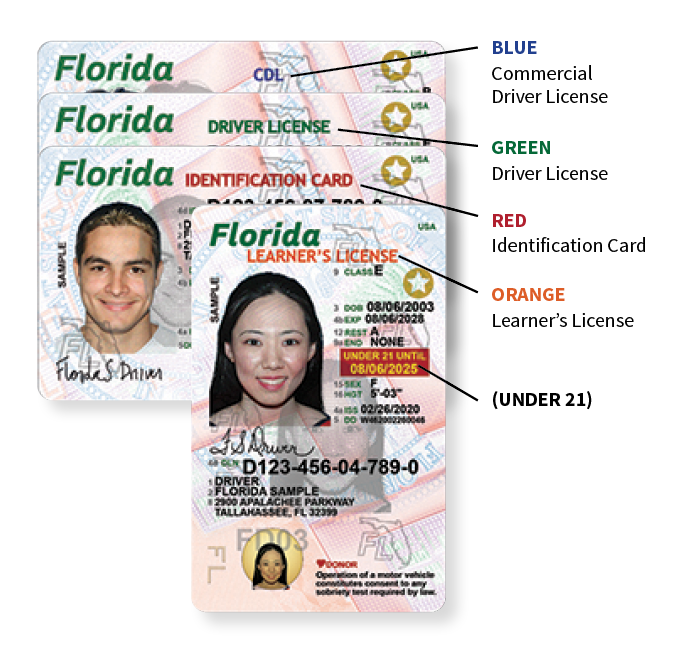
Our guide will delve into the intricacies of obtaining a Florida State ID, framed within the broader context of travel, tourism, and lifestyle. We understand that whether you’re a snowbird seeking a long-term retreat, a student relocating for studies, or a new resident eager to explore everything from the serene beaches of Sarasota to the thrilling attractions of Tampa, having the correct documentation is paramount. This article aims to transform what might seem like a bureaucratic chore into a clear, manageable process, helping you fully embrace the unique charm and convenience that a Florida State ID offers.
Why a Florida State ID is More Than Just an Identification Card
Beyond its primary function, a Florida State ID card is an indispensable tool that simplifies numerous aspects of life in the state. For many, it acts as the primary form of identification, especially for those who do not drive or prefer not to carry their passport for domestic purposes. Its utility stretches across various scenarios, making it a cornerstone for both residents and visitors alike.
Navigating the Sunshine State with Ease
Imagine planning a spontaneous trip to the Florida Keys, exploring the vibrant nightlife of South Beach, or attending a concert in Jacksonville. In all these instances, a valid form of identification is required, whether for boarding domestic flights, verifying age for certain purchases, or simply confirming your identity during various transactions. While a passport is an international travel document, a Florida State ID offers a convenient, wallet-sized alternative for domestic use. It’s widely accepted and recognized, smoothing your path through airports, railway stations, and bus terminals within the United States.
For tourists planning an extended stay or those opting for budget-friendly domestic travel without a passport, this ID proves invaluable. It simplifies hotel check-ins, allowing for a quicker process, and can even be used for renting recreational equipment like bicycles in Key West or kayaks in Crystal River. Furthermore, many tourist attractions, such as Walt Disney World Resort or Universal Studios Florida, require ID for certain tickets or age-restricted activities, making the Florida ID a practical choice over potentially losing or damaging a passport.
Essential for Residents and Long-Term Visitors
For individuals making Florida their permanent home, whether from another state or an international location, the Florida State ID is more than just convenience; it’s a necessity. It’s often required for official purposes such as opening a bank account, registering for school, applying for certain jobs, or even signing up for local services like library cards in cities like St. Petersburg or Fort Lauderdale. Seasonal residents, commonly referred to as “snowbirds,” who spend several months a year enjoying the Florida climate, also benefit immensely. Having a local ID simplifies interactions with local businesses and service providers, reinforcing their temporary residency status without needing to present out-of-state identification continually.
Beyond the logistical advantages, possessing a Florida ID integrates you more deeply into the local lifestyle. It can be used to claim resident discounts at certain attractions or parks, participate in local elections if eligible, and generally enhance your sense of belonging within your Florida community. For those seeking long-term accommodation, an ID proving local ties can sometimes expedite lease agreements or rental applications, especially if other documents like a Florida driver’s license are not yet available.
Beyond Driving: Proving Identity in Everyday Life
The utility of a Florida State ID extends to virtually every facet of daily life where identity verification is needed. This includes, but is not limited to:
- Age Verification: For purchasing alcohol, tobacco, or entering age-restricted venues like nightclubs or casinos.
- Financial Transactions: When cashing checks, making large purchases, or interacting with banks.
- Medical Appointments: As a primary form of identification for healthcare providers.
- Parcel Collection: When picking up packages from post offices or shipping centers.
- Emergency Situations: Providing crucial identification to first responders, especially if travel documents are not readily accessible.
In essence, a Florida State ID offers a robust, government-issued proof of identity that is readily accepted across the state and nationwide for non-driving purposes. It’s a vital component of a well-organized lifestyle, especially when you’re navigating the vibrant and diverse experiences that Florida has to offer.
Preparing for Your Florida State ID Application: The Crucial Documentation
Obtaining a Florida State ID, like most official processes, requires careful preparation. The Florida Department of Highway Safety and Motor Vehicles (DHSMV) sets specific guidelines for the documents needed to prove your identity, social security number, and residency. Failing to bring the correct paperwork can lead to delays and multiple trips, turning a simple task into a frustrating ordeal. Thus, understanding and gathering all necessary items beforehand is paramount to a smooth application experience.
Proof of Identity and Legal Presence
This is arguably the most critical category of documents. The DHSMV requires primary identification to establish who you are. The key is to provide original documents, as photocopies are generally not accepted.
-
For U.S. Citizens:
- An original or certified birth certificate issued by a U.S. state, territory, or the District of Columbia.
- A valid, unexpired U.S. passport or passport card.
- A Certificate of Naturalization.
- A Consular Report of Birth Abroad.
- A valid, unexpired Alien Registration Card (Green Card) for permanent residents.
-
For Non-U.S. Citizens (Legal Presence):
- A valid, unexpired foreign passport with a U.S. visa, accompanied by the I-94 form (Arrival/Departure Record). Ensure your visa and I-94 are current and reflect your legal status.
- An Employment Authorization Card (EAD, also known as a work permit).
- Other documents issued by the U.S. Citizenship and Immigration Services (USCIS) proving legal presence.
It’s essential to remember that all names on your documents must match. If your name has changed due to marriage, divorce, or other reasons, you will need to provide certified copies of marriage certificates, divorce decrees, or court orders to show the legal name change. Always bring more documents than you think you need, especially if your situation is unique.
Verifying Your Social Security Number
Another mandatory requirement is proof of your Social Security Number (SSN). The DHSMV participates in a program that electronically verifies your SSN with the Social Security Administration.
Acceptable documents include:
- Your original Social Security Card.
- A W-2 form.
- A pay stub with your name and SSN (within the last two months).
- A 1099 form.
The name on your SSN document must also match your identity documents. If you’ve never been issued an SSN (which might be the case for certain non-immigrant visa holders), you will need to present a letter from the Social Security Administration confirming your ineligibility, along with your legal presence documents. It’s always best to call your local DHSMV or Tax Collector’s Office beforehand to confirm specific requirements if you do not have an SSN.
Establishing Florida Residency
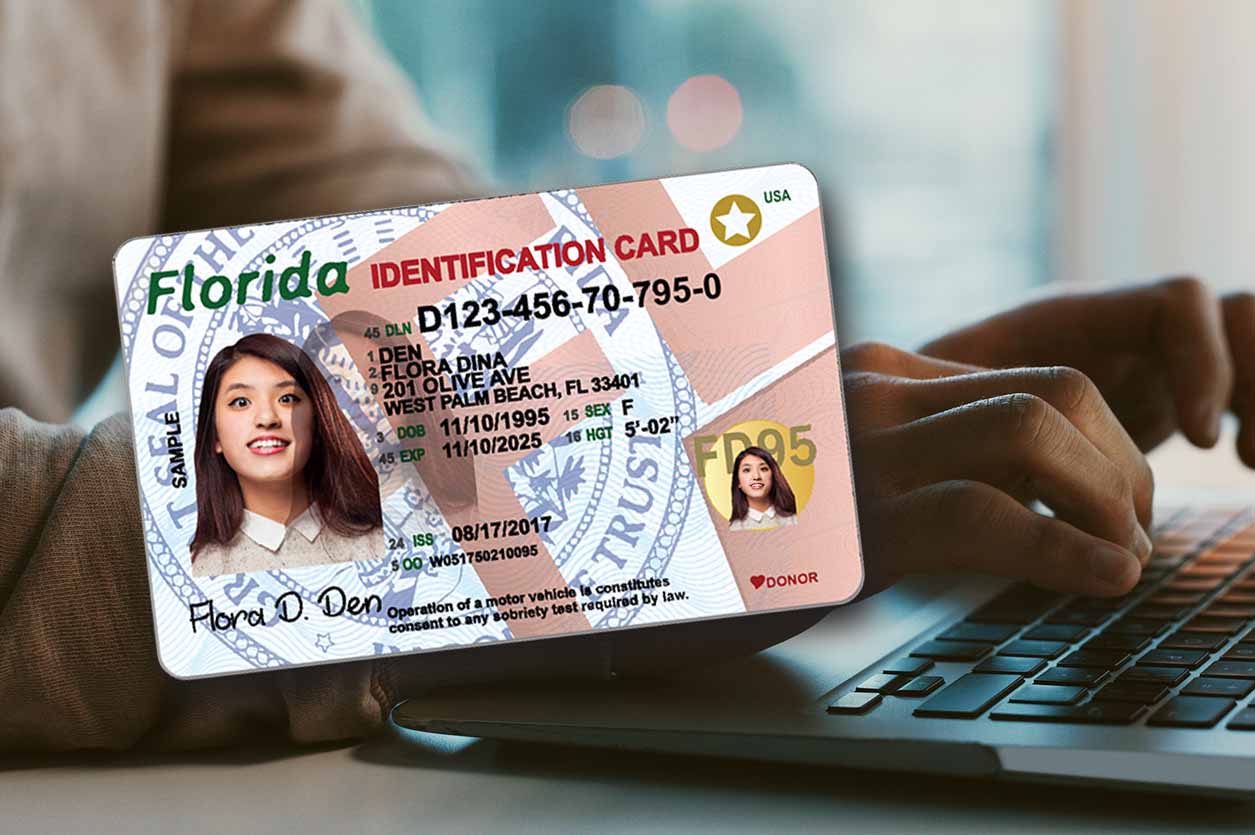
To prevent fraud and ensure that individuals applying for a Florida ID genuinely reside in the state, you must provide two different documents that prove your residential address. These documents must show your current physical Florida address (P.O. boxes are not accepted) and be dated within the last one to two months, depending on the document type.
Commonly accepted proofs of residency include:
- Utility bills (electricity, water, gas, cable) displaying your name and address.
- A Florida vehicle registration or title.
- A rental or lease agreement, or mortgage statement.
- A copy of your Florida homestead exemption.
- Mail from financial institutions (bank statements, credit card statements).
- Mail from government agencies (Social Security, Medicaid, voter registration card).
- A W-2 form or 1099 form from the current tax year.
- Proof of a residential address for a parent, guardian, or stepparent if you are a minor (along with a certification of address form).
The DHSMV is quite strict about these, so ensure both documents are distinct and meet the date requirements. For instance, two different utility bills (e.g., electric and water) would be acceptable, but two bank statements from the same bank typically would not. For new residents, securing these documents can sometimes be tricky. If you’re staying at a temporary accommodation like an Airbnb or with friends, you might need to coordinate with the property owner to get a notarized statement of residency or other acceptable mail. This part of the process underscores the importance of proper planning, especially for those considering a long-term stay in cities like Naples or Gainesville.
The Application Process: Step-by-Step to Your New ID
Once your documents are in order, the actual application process is relatively straightforward. Knowing what to expect can significantly reduce stress and ensure a smooth visit to the DHSMV or Tax Collector’s Office.
Locating Your Nearest DMV or Tax Collector’s Office
In Florida, state ID cards are issued by either the DHSMV service centers or authorized county tax collector’s offices. While commonly referred to as the “DMV,” many services are actually provided by the local Tax Collector’s Office. You can find the nearest location by visiting the official Florida DHSMV website and using their “Find an Office” tool.
It’s highly recommended to make an appointment online if available, especially in populous areas like Orlando, Miami, or Fort Myers. This can drastically cut down on wait times, which can otherwise be substantial. Some offices also offer “walk-in” services, but an appointment is always the safer bet for efficiency. Check the operating hours, as they can vary, and plan to arrive a little early, even with an appointment, to allow for parking and unforeseen delays.
The Application Form and Necessary Fees
Before your visit, you may be able to download and pre-fill the application form (Form DHSMV 72190, Application for an Identification Card) from the DHSMV website. While forms are available at the office, completing it in advance can save time. Ensure all information is accurate and legible.
As of recent updates, the fee for a Florida ID card is typically around $25. This fee is subject to change, so it’s always wise to confirm the current amount on the DHSMV website or by calling your chosen office. Most offices accept cash, debit cards, and major credit cards (Visa, MasterCard, Discover). Having the exact amount in cash can sometimes speed up the payment process, especially in busy locations. There may be additional service fees if applying at a Tax Collector’s Office versus a direct DHSMV center.
What to Expect During Your Visit
Upon arrival, if you have an appointment, you’ll typically check in and be directed to a waiting area. When your number is called, you will approach a counter where a clerk will review your documents. This is where your careful preparation pays off – having all originals clearly organized will make the process much smoother. The clerk will verify your identity, SSN, and residency, and they may ask a few questions to confirm your information.
Next, you will typically be asked to:
- Sign Electronically: Your signature will be captured digitally.
- Have Your Photo Taken: A digital photo will be taken for your ID card. It’s advisable to dress neatly and ensure your hair is not obscuring your face.
- Pay the Fee: After all documents are verified and processed, you will be directed to pay the application fee.
Once these steps are complete, you will usually receive a temporary paper ID card immediately. Your official, laminated Florida State ID card will then be mailed to your residential address within a few weeks, typically 7-10 business days. Keep the temporary ID and any receipts safe, as they serve as proof of application until your permanent card arrives. The entire in-office process, assuming you have an appointment and all documents ready, can take anywhere from 30 minutes to an hour.
Leveraging Your Florida State ID for an Enriched Florida Experience
With your new Florida State ID in hand, a world of convenience and opportunity opens up, allowing you to immerse yourself more fully in the Sunshine State’s diverse offerings. From thrilling theme parks to tranquil nature preserves, your ID will prove to be a valuable companion.
Unlocking Attractions and Experiences Across Florida
Florida is renowned for its incredible attractions, and your state ID can often be a key to unlocking them. Theme parks like Walt Disney World Resort and Universal Orlando Resort in Orlando, or Busch Gardens Tampa Bay in Tampa, frequently offer resident discounts on tickets, annual passes, or special events. Presenting your Florida ID can lead to significant savings, making these world-class entertainment hubs more accessible.
Beyond the major parks, numerous other landmarks and activities across the state may require or benefit from your ID:
- Museums and Cultural Centers: Many institutions, such as the Salvador Dalí Museum in St. Petersburg or the Pérez Art Museum Miami, offer resident rates or require ID for entry.
- National and State Parks: Exploring the vast wilderness of Everglades National Park or the pristine beaches of a Florida State Park might involve entrance fees where resident discounts apply, or simply serve as proof of identity during interactions with park rangers.
- Water Sports and Equipment Rentals: Whether you’re renting a jet ski in Daytona Beach, a paddleboard in Sanibel Island, or a fishing boat in the Florida Keys, a valid ID is almost always a requirement.
- Sporting Events and Concerts: Attending a Miami Heat game or a concert in Amway Center often requires ID for ticket verification or age-restricted sections.
Your Florida ID acts as your personal passport to these experiences, simplifying the verification process and often leading to a more affordable and enjoyable outing.
Practicalities for Accommodation and Travel
For both residents and long-term visitors, the Florida State ID offers practical benefits when it comes to accommodation and travel within the state and the United States.
- Hotel Check-ins: From luxury resorts in Palm Beach to cozy bed-and-breakfasts in St. Augustine, hotels require a valid photo ID upon check-in. Your state ID serves this purpose perfectly, removing the need to carry a passport. For those staying long-term in serviced apartments or villas, it further solidifies your temporary residency.
- Domestic Air Travel: Although the Transportation Security Administration (TSA) still accepts standard state IDs, Florida is now REAL ID compliant. This means your Florida State ID, marked with a star, will be accepted for domestic flights, allowing you to leave your passport at home unless traveling internationally. This offers immense peace of mind, particularly when navigating busy airports like Orlando International Airport or Miami International Airport.
- Rental Car Agencies: When renting a car to explore the scenic routes of North Florida or the coastal highways of South Florida, rental companies require a valid ID, in addition to a driver’s license if you plan to drive. For non-drivers, it serves as the necessary identification.

Enjoying the Florida Lifestyle with Confidence
Ultimately, obtaining a Florida State ID contributes to a more confident and integrated lifestyle in the Sunshine State. It streamlines administrative tasks, enhances your access to local amenities and attractions, and provides a universally recognized form of identification for everyday situations. Whether you are moving to Florida for its vibrant culture, its stunning natural beauty, or its relaxed pace of life, this small card becomes a big part of feeling at home.
It simplifies financial interactions, medical visits, and general civic engagement, allowing you to focus on enjoying the unique benefits of Florida living – from dining out in St. Augustine’s historic district to lounging on the pristine sands of Clearwater Beach. The process, while requiring careful documentation, is a small investment for the substantial convenience and peace of mind it provides, ensuring your time in Florida is as smooth and enjoyable as possible.
LifeOutOfTheBox is a participant in the Amazon Services LLC Associates Program, an affiliate advertising program designed to provide a means for sites to earn advertising fees by advertising and linking to Amazon.com. Amazon, the Amazon logo, AmazonSupply, and the AmazonSupply logo are trademarks of Amazon.com, Inc. or its affiliates. As an Amazon Associate we earn affiliate commissions from qualifying purchases.