
For many, the open road represents freedom, exploration, and the joy of discovery. This is especially true in a vast and diverse state like Texas, where sprawling landscapes, vibrant cities, and unique cultural experiences beckon. However, for individuals living with certain disabilities, navigating travel, daily errands, and even local tourism can present significant challenges. A handicap placard, also known as a disabled parking permit, serves as a crucial tool, offering access to designated parking spaces that are often closer to building entrances and wider, facilitating easier entry and exit from vehicles. Understanding how to obtain this essential permit in Texas is the first step toward enhancing mobility, independence, and the overall quality of life, whether for daily routines or embarking on memorable travel adventures across the Lone Star State.
This comprehensive guide delves into the specifics of acquiring a handicap placard in Texas, from eligibility criteria and the application process to renewal procedures and responsible usage. By simplifying the journey to obtaining this vital resource, we aim to empower individuals to explore Texas’s rich tapestry of destinations, from the bustling streets of Houston and Dallas to the historic charm of San Antonio and the natural beauty of its state parks, with greater ease and confidence.

Understanding Handicap Placards in Texas
The Texas Department of Motor Vehicles (TxDMV) oversees the issuance of handicap placards, ensuring that individuals with qualifying disabilities receive the necessary accommodations for parking. These placards are not merely a convenience; they are a legal necessity that allows eligible drivers and passengers to utilize specially marked parking spaces, which are strategically located for accessibility. Before diving into the application process, it’s crucial to understand the different types of placards available and their specific uses, as this will dictate which application form and medical documentation are required. Each type addresses a particular need, from long-term conditions to temporary recovery periods, ensuring that accessibility is extended appropriately.
Permanent Placards: Long-Term Accessibility
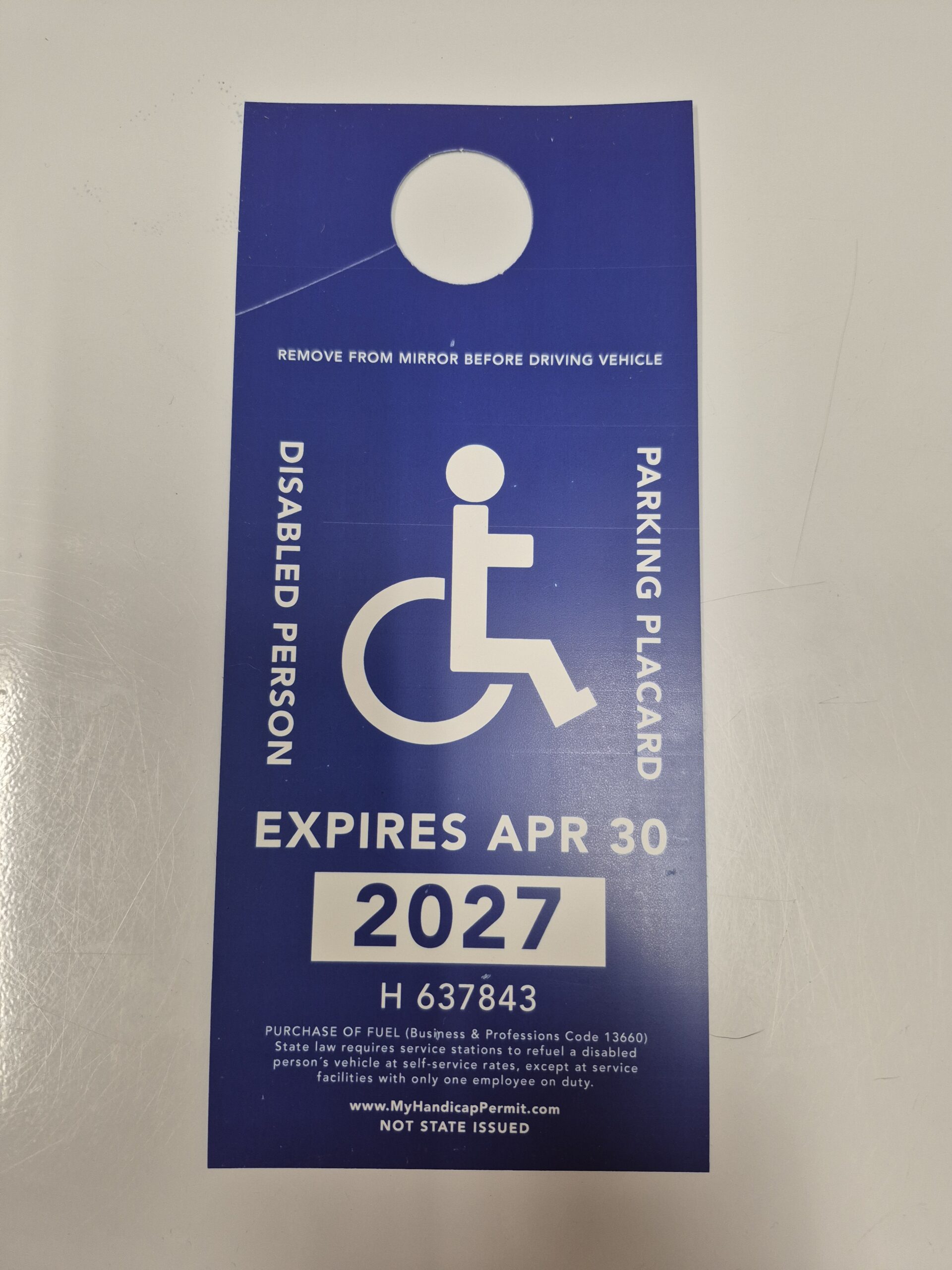
A permanent handicap placard is designed for individuals with long-term or irreversible mobility impairments. This could include conditions such as the inability to walk without assistance, requiring mobility aids like wheelchairs, crutches, or walkers, or having severe limitations in walking due to neurological, orthopedic, or circulatory conditions. It also extends to individuals with specific visual impairments or certain respiratory conditions that severely restrict ambulation. The permanent placard is typically issued for a duration of four years and, once expired, requires renewal to maintain its validity. The benefit of a permanent placard extends beyond mere parking; it signifies a consistent level of accessibility needed for daily life, including travel planning. For those embarking on extensive travel throughout Texas or even across the United States, a permanent placard provides peace of mind, knowing that accessible parking will likely be available at hotels, tourist attractions, and various points of interest. This consistent access enables individuals to more fully engage with local culture, explore famous landmarks like The Alamo, or enjoy the vibrant atmosphere of the San Antonio Riverwalk without undue stress about parking availability.
Temporary Placards: Short-Term Solutions
For those experiencing a temporary disability that impacts their mobility, a temporary handicap placard offers a vital short-term solution. This category often applies to individuals recovering from surgery, a broken limb, or other medical conditions that temporarily impair their ability to walk unaided or for extended periods. A temporary placard is typically valid for a maximum of six months and cannot be renewed. If the condition persists beyond six months, a new application, complete with updated medical certification, would be necessary. While temporary, the importance of this placard cannot be overstated for individuals during their recovery period. It allows them to maintain a degree of independence, attend medical appointments, run essential errands, and even participate in limited social activities or short trips during a challenging time. For instance, a person recovering from knee surgery might still wish to visit a local museum or attend a family gathering in a nearby city, and a temporary placard facilitates this by ensuring accessible parking. This short-term accessibility is crucial for mental well-being and maintaining a connection to community life and the world of travel, albeit on a reduced scale.
Disabled Veteran Placards: Honoring Service and Ensuring Access
Texas proudly supports its veterans, and a special disabled veteran placard is available for those who have incurred a service-connected disability. To qualify, veterans must have a disability rating of 50% or more, or 40% or more due to the amputation of a lower extremity, as certified by the Department of Veterans Affairs or another branch of the armed forces. In addition to providing accessible parking, this placard often comes with additional benefits, such as exemptions from certain parking fees in specific municipalities or at state parks, further easing the financial burden and enhancing travel opportunities for these deserving individuals. The disabled veteran placard is typically issued for a longer duration, often five years, and is renewable. It’s a significant recognition of their sacrifice and ensures that veterans can navigate public spaces, attend events, and travel across Texas with the respect and accessibility they deserve. Whether visiting historical sites, enjoying recreational activities in Texas State Parks, or simply engaging in daily life, this placard is a testament to the state’s commitment to its heroes.
Eligibility Requirements and Application Process
Obtaining a handicap placard in Texas requires meeting specific eligibility criteria and meticulously following the application steps. The process is designed to ensure that these valuable parking privileges are granted only to those who genuinely need them, in accordance with state law and the principles of the Americans with Disabilities Act (ADA). Navigating the paperwork and understanding the medical certification requirements can seem daunting, but breaking it down into manageable steps makes the process straightforward.
Who Qualifies for a Texas Handicap Placard?
The core of eligibility revolves around a qualifying disability as defined by Texas transportation code. Generally, an individual qualifies if they:
- Cannot walk without the aid of another person or a prosthetic device, wheelchair, crutch, or other assistive device.
- Are restricted by lung disease to such an extent that the person’s forced expiratory volume for one second, when measured by spirometry, is less than one liter, or the arterial oxygen tension is less than 60 mm/hg on room air at rest.
- Use portable oxygen.
- Have a cardiac condition to the extent that the person’s functional limitations are classified in severity as Class III or Class IV according to standards set by the American Heart Association.
- Are severely limited in the ability to walk due to an arthritic, neurological, or orthopedic condition.
- Are legally blind (20/200 or less in the better eye with corrective lenses, or a visual field of 20 degrees or less).
- Have an amputation of a leg or foot.
These criteria are broad enough to cover a range of conditions but specific enough to prevent misuse. It’s important to remember that the disability must be certified by a licensed physician, podiatrist, or chiropractor who is authorized to practice in Texas, or an adjacent state if the applicant primarily resides in Texas but receives medical care elsewhere. For disabled veterans, as mentioned, specific certification from the VA or armed forces is required.
Step-by-Step Guide to Applying
The application process is handled by your local County Tax Assessor-Collector’s office. While the TxDMV sets the rules, the actual issuance occurs at the county level.
- Obtain the Application Form: The primary form is Form VTR-214, “Application for Persons with Disabilities Parking Placard and/or License Plates.” This form can usually be downloaded from the TxDMV website or picked up at your local County Tax Assessor-Collector’s office.
- Medical Certification: The critical step is having a licensed medical professional complete the “Medical Certification” section of the form. This section requires the physician, podiatrist, or chiropractor to attest to the nature and severity of your disability and indicate whether it is temporary or permanent. For disabled veterans, the form has a specific section for VA certification.
- Complete Applicant Information: Fill out your personal details accurately, including your name, address, and contact information.
- Submit the Application: Once the form is fully completed and certified, submit it to your local County Tax Assessor-Collector’s office. You can typically do this in person, by mail, or in some cases, online. There is generally no fee for a disabled parking placard itself, though some counties might have a small administrative fee. However, if you are also applying for specialty license plates for persons with disabilities, there will be associated registration fees.
- Receive Your Placard: If your application is approved, you will receive your placard, usually on the spot if applying in person, or by mail within a few weeks if submitted remotely.
Required Documentation
To ensure a smooth application process, gather all necessary documentation before visiting the County Tax Assessor-Collector’s office.
- Completed Form VTR-214: This is the most important document, with both your information and the medical certification section filled out.
- Proof of Identity: A valid photo ID, such as a driver’s license or state-issued identification card, will be required to verify your identity.
- Proof of Texas Residency: While often covered by your ID, sometimes additional proof like a utility bill might be requested.
- Proof of Vehicle Registration (if applicable): If you are also applying for disabled license plates, you will need your vehicle’s registration information.
- VA Certification (for Disabled Veterans): For disabled veteran placards, official documentation from the Department of Veterans Affairs or a branch of the armed forces verifying your service-connected disability rating is essential.
Having these documents prepared will significantly expedite the application process, allowing you to quickly gain access to the parking accommodations you need for an easier travel and lifestyle experience in Texas.
Renewals, Replacements, and Responsibilities
Acquiring a handicap placard is just the beginning; understanding its proper usage, how to renew it, and what to do if it’s lost or stolen is equally important. These aspects ensure that you continue to benefit from accessible parking privileges responsibly and legally, maintaining your ease of travel and daily mobility.
Keeping Your Placard Current: Renewals
Permanent placards are not truly “permanent” in the sense that they last forever; they typically have an expiration date and must be renewed. In Texas, permanent placards are generally valid for four years. The TxDMV usually sends a renewal notice to the address on file before your placard expires.
- Renewal Process: Renewing a permanent placard generally requires re-certification from a medical professional on a new Form VTR-214. This ensures that the qualifying disability still exists. You will submit the updated form to your local County Tax Assessor-Collector’s office, similar to the initial application.
- Disabled Veteran Placard Renewal: Disabled veteran placards typically have a longer validity period, often five years, and also require renewal with updated VA certification, if applicable, or a new medical certification.
- Temporary Placards: As noted, temporary placards cannot be renewed. If your condition persists beyond the six-month validity period, you must apply for a new temporary placard with a fresh medical certification.
Staying on top of renewal dates is crucial to avoid any lapse in parking privileges, which could lead to inconvenient situations or even citations. It’s a small but significant detail in maintaining a hassle-free travel lifestyle.
Lost, Stolen, or Damaged Placards
Life happens, and sometimes placards get lost, stolen, or damaged. Fortunately, replacing them is a straightforward process.
- Replacement Process: You will need to complete a new Form VTR-214, checking the box indicating that you are requesting a replacement. In most cases, you will not need new medical certification if your original certification is still valid and on file, but it’s always best to confirm with your local County Tax Assessor-Collector’s office. There might be a small fee for replacement.
- Stolen Placards: If your placard is stolen, it’s advisable to file a police report. While not always mandatory for replacement, it can protect you if the stolen placard is misused and offers a record for your peace of mind.
Promptly replacing a missing placard is important to ensure continued access to designated parking and avoid potential legal issues.
Understanding Usage Rules and Avoiding Misuse
The privilege of using a handicap placard comes with significant responsibilities. Misuse of a placard carries serious penalties, including fines and even confiscation of the placard.
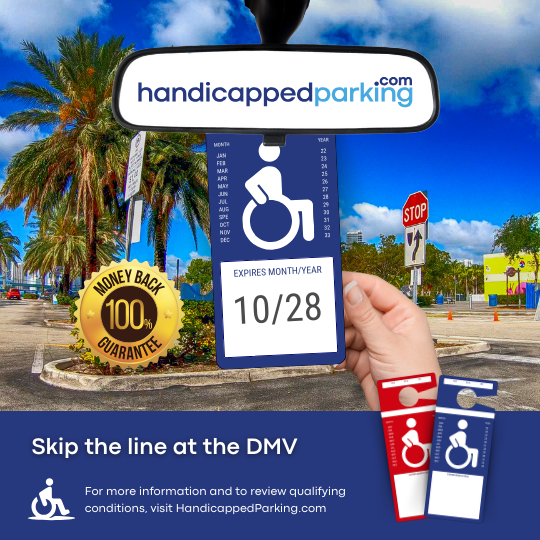
- Proper Display: The placard must be clearly displayed from the rearview mirror when the vehicle is parked in a designated accessible space. It should be removed when the vehicle is in motion.
- Who Can Use It: A placard can only be used when the person to whom it was issued (the placard holder) is either driving the vehicle or is a passenger in the vehicle. It cannot be used by friends or family members when the placard holder is not present, even if they are running an errand for the placard holder. This is a common form of misuse and is strictly enforced.
- Accessible Parking Spaces: Always be mindful of the specific markings of accessible parking spaces, including van-accessible spaces, which have extra room for wheelchair ramps. These spaces are vital for those who need them most.
- Penalties for Misuse: Texas law imposes substantial fines for the illegal use of a handicap placard, which can range from hundreds to thousands of dollars, along with potential court costs and community service. Repeated offenses can lead to confiscation of the placard and even criminal charges.
Responsible usage is not just about avoiding penalties; it’s about respecting the system designed to support individuals with disabilities and ensuring that these crucial resources are available to those who truly need them.
Enhancing Travel and Lifestyle with a Handicap Placard in Texas
A handicap placard is more than just a parking permit; it’s a key to unlocking greater independence, especially when it comes to travel and daily lifestyle in a state as vast and engaging as Texas. By alleviating concerns about parking, it allows individuals with disabilities to focus on the joy of discovery, cultural immersion, and creating lasting memories.
Navigating Texas Destinations with Ease
Texas offers an incredible array of destinations, from the desert landscapes of Big Bend National Park to the coastal charm of Galveston and the metropolitan allure of Austin and Fort Worth. With a handicap placard, exploring these locations becomes significantly more accessible.
- City Exploration: In bustling cities like Houston, a placard ensures closer parking at attractions such as Space Center Houston or downtown museums. In Dallas, it means easier access to the Arts District or historical sites. This proximity can make a world of difference in managing fatigue and ensuring a more enjoyable experience.
- Natural Wonders: Even in nature-focused destinations, accessible parking at visitor centers or trailheads can enhance the experience. Texas State Parks are increasingly focusing on accessibility, and a placard complements these efforts by facilitating entry and navigation within park facilities.
- Cultural Experiences: Whether attending a rodeo, visiting a local festival, or exploring historical missions, the ability to park conveniently means more energy to engage with the local culture and fewer physical barriers to participation.
Accessible Accommodation and Attractions
The website’s focus on Travel, Hotels, Tourism, and Accommodation directly aligns with the benefits of a handicap placard.
- Hotels and Resorts: When booking accommodation, many hotels, resorts, apartments, and villas advertise accessible rooms and amenities. A handicap placard ensures that the accessible parking provided by these establishments can be fully utilized, making arrival and departure seamless. This is particularly relevant for properties in major tourist hubs where parking can be scarce and expensive. Finding a Grand Hyatt Hotel with accessible rooms and dedicated parking creates a perfect synergy for a comfortable stay.
- Tourist Attractions and Landmarks: Major landmarks and tourist attractions in Texas are generally compliant with ADA standards, offering ramps, elevators, and accessible restrooms. A placard completes this accessibility chain by ensuring that visitors can park close enough to enjoy these facilities without excessive travel from their vehicle. Imagine visiting the Texas State Capitol in Austin or the Fort Worth Stockyards; accessible parking makes these iconic experiences more attainable.
- Lifestyle and Daily Living: Beyond grand travels, the placard profoundly impacts daily life. Routine trips to the grocery store, doctor’s appointments, or local community events become less stressful. It promotes an active lifestyle, allowing individuals to participate more fully in their communities and enjoy a greater sense of autonomy.
In conclusion, obtaining a handicap placard in Texas is a fundamental step for eligible individuals seeking enhanced mobility and independence. The process, while requiring careful attention to detail, opens doors to a more inclusive travel and lifestyle experience across the diverse and beautiful Lone Star State. By understanding the types of placards, eligibility, application procedures, and the responsibilities that come with them, individuals can unlock the freedom to explore, engage, and live life to the fullest.
LifeOutOfTheBox is a participant in the Amazon Services LLC Associates Program, an affiliate advertising program designed to provide a means for sites to earn advertising fees by advertising and linking to Amazon.com. Amazon, the Amazon logo, AmazonSupply, and the AmazonSupply logo are trademarks of Amazon.com, Inc. or its affiliates. As an Amazon Associate we earn affiliate commissions from qualifying purchases.