
Florida, a state renowned for its sun-drenched beaches, vibrant theme parks, and thriving business environment, offers an attractive proposition for entrepreneurs looking to establish a business. Among the most popular business structures is the Limited Liability Company (LLC). The allure of an LLC lies in its ability to provide liability protection to its owners, shielding their personal assets from business debts and lawsuits, while offering pass-through taxation, meaning profits and losses are reported on the owners’ personal income tax returns. This dual benefit makes it a compelling choice for many individuals and families considering ventures, from boutique hotels in Miami Beach to adventurous tour operators exploring the Everglades.
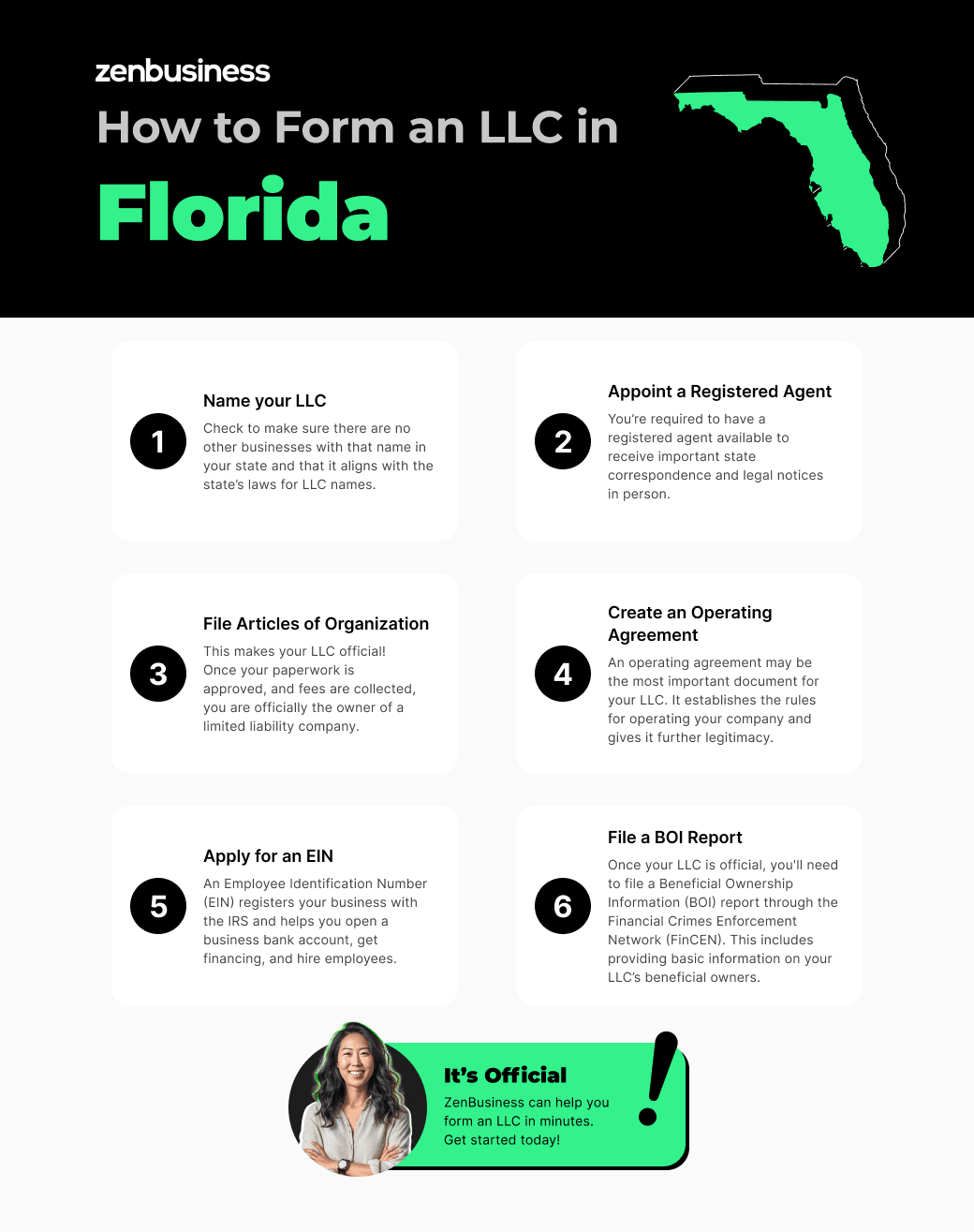
Establishing an LLC in Florida is a straightforward process, designed to be accessible to both local residents and those from out of state. Whether you dream of opening a quaint bed and breakfast near Orlando‘s magic or a luxury villa rental service along the Emerald Coast, understanding the steps involved is crucial for a smooth and successful launch. This guide will walk you through the essential requirements and considerations for forming your Florida LLC, ensuring your business aspirations can take flight in the Sunshine State.
The Foundational Steps to Forming Your Florida LLC
Before diving into the official registration, there are a few preliminary steps that will significantly streamline the process and set your business up for success. These foundational elements are not just procedural; they are strategic decisions that will impact your LLC’s operation and growth. Think of it as preparing the ideal itinerary before embarking on a grand tour of Florida Keys.
Choosing a Name for Your Limited Liability Company
The name of your LLC is its first introduction to the world, and in Florida, it needs to be distinctive and compliant with state regulations. Your chosen name must be distinguishable from any other business entity already registered with the Florida Department of State. This means avoiding names that are too similar to existing ones. Additionally, the name must include a designator that clearly indicates it is a limited liability company. Common acceptable designators include:
- “Limited Liability Company”
- “LLC”
- “L.L.C.”
You can conduct a name availability search through the Florida Department of State’s Sunbiz website to ensure your desired name is not already in use. This is a critical step, as having a name rejected can cause delays. It’s advisable to have a few alternative names in mind, just in case your first choice is unavailable. The naming convention is similar to selecting a memorable and unique name for a new hotel or resort, ensuring it stands out in a competitive market. For instance, a boutique hotel in St. Petersburg might opt for a name that reflects its coastal charm, like “Sunset Shores Retreat,” provided it’s available.
Appointing a Registered Agent in Florida
Every Florida LLC is required to have a registered agent. This is a person or a business entity designated to receive official legal documents, such as service of process (lawsuit notifications) and other government correspondence on behalf of your LLC. The registered agent must have a physical street address in Florida (a P.O. Box is not sufficient) and be available during normal business hours to accept these important deliveries.
You have several options for who can serve as your registered agent:
- Yourself: If you are a Florida resident and have a reliable physical address, you can serve as your own registered agent.
- Another Member or Manager: If your LLC has multiple members or managers and one meets the requirements, they can act as the registered agent.
- A Third-Party Registered Agent Service: Many companies specialize in providing registered agent services. This is a popular choice for businesses, especially those owned by individuals who do not reside in Florida or who prefer to maintain a clear separation between their personal and business addresses for privacy and convenience. These services are often cost-effective and ensure that you never miss a critical legal notice.
The role of a registered agent is akin to having a dedicated concierge for your business’s legal communications. Just as a hotel front desk ensures important messages reach guests promptly, a registered agent ensures your LLC receives vital legal and governmental notices, preventing potential default judgments or missed deadlines.
Understanding the Articles of Organization
The core document for forming your Florida LLC is the “Articles of Organization.” This document is filed with the Florida Department of State, officially bringing your LLC into existence. The Articles of Organization are relatively concise and require specific information, including:
- The Name of the LLC: The chosen and verified name of your business.
- The Principal Office Address: The main physical address of your LLC in Florida. This is where your business records will generally be kept.
- The Name and Address of the Registered Agent: The information for your designated registered agent.
- The Management Structure: You’ll need to indicate whether your LLC will be member-managed (run by its owners) or manager-managed (run by appointed managers).
You can file the Articles of Organization online through the Florida Department of State’s Sunbiz portal, by mail, or in person. Filing online is generally the fastest and most efficient method. The filing fee for the Articles of Organization is currently $125. Once the Department of State approves your Articles of Organization, your LLC is officially formed and legally recognized in Florida. This document is the foundation upon which your entire business structure is built, much like the architectural plans for a new landmark attraction.
Essential Post-Formation Steps for Your Florida LLC
Forming your LLC is just the beginning. Several crucial steps must be taken after your Articles of Organization are filed to ensure your LLC operates smoothly, complies with regulations, and maintains its legal standing. These steps are as vital to your business’s health as understanding local customs and travel tips are to enjoying a trip to a new city like Tampa.
Creating an Operating Agreement
While not a mandatory filing with the state, an Operating Agreement is a highly recommended internal document for any Florida LLC. This agreement outlines the ownership structure, operating procedures, and member responsibilities of your LLC. It acts as a roadmap for how your business will be run, especially in situations involving:
- Member Contributions: Detailing how much capital each member contributes.
- Profit and Loss Distribution: Specifying how profits and losses will be allocated among members.
- Management Duties and Responsibilities: Clarifying the roles and decision-making authority of members and managers.
- Procedures for Adding or Removing Members: Outlining the process for changes in ownership.
- Dissolution Procedures: Describing how the LLC will be wound down if necessary.

A well-drafted Operating Agreement can prevent disputes among members, provide clarity on operational matters, and even help maintain the limited liability protection of the LLC. For a business with multiple partners, like a shared vacation rental property in Naples, a clear Operating Agreement is indispensable. It’s similar to having a detailed guide for navigating a complex tourist destination, ensuring everyone understands the rules and expectations.
Obtaining an Employer Identification Number (EIN)
If your LLC plans to hire employees, operate as a corporation for tax purposes, or if you are forming a multi-member LLC, you will need to obtain an Employer Identification Number (EIN) from the Internal Revenue Service (IRS). An EIN is essentially a Social Security number for your business. It is used for tax filing and reporting purposes.
You can apply for an EIN online directly from the IRS website. The application is free, and you will receive your EIN immediately after successful submission. Even if your LLC is a single-member LLC and does not plan to hire employees, obtaining an EIN can be beneficial for opening business bank accounts or establishing business credit, keeping your personal and business finances separate. This is a standard procedure for any business, whether it’s a small souvenir shop near Disney World or a large resort complex.
Understanding Florida State and Local Taxes
As a business operating in Florida, your LLC will be subject to various state and local taxes. The specific taxes that apply will depend on the nature of your business, its revenue, and its location. Common taxes include:
- Sales and Use Tax: If your business sells tangible goods or taxable services, you will likely need to collect and remit sales tax to the state.
- Corporate Income Tax: While most LLCs are treated as pass-through entities for federal income tax purposes, Florida does not impose a corporate income tax on LLCs.
- Reemployment Tax (formerly Unemployment Tax): If you have employees, your LLC will be responsible for paying reemployment taxes.
- Local Business Taxes: Some cities and counties in Florida may impose local business taxes or licenses on businesses operating within their jurisdiction.
It is crucial to research the specific tax obligations for your LLC based on its industry and location. Consulting with a tax professional or visiting the Florida Department of Revenue website can provide detailed information and ensure compliance. Navigating taxes is a fundamental aspect of business, much like understanding local transportation options when planning a family trip.
Ongoing Compliance and Best Practices for Your Florida LLC
Maintaining your Florida LLC involves more than just initial setup; ongoing compliance and adopting sound business practices are essential for its long-term health and success. Think of these as the continuous care and attention a prized landmark requires to remain in pristine condition, or the regular upkeep a luxury villa needs to be guest-ready.
Annual Reporting Requirements
Florida requires LLCs to file an annual report with the Florida Department of State. This report is primarily a confirmation that the information on file is still accurate and a chance to update any changes to your registered agent or principal office address. The annual report is due by May 1st each year. A failure to file the annual report can result in the administrative dissolution of your LLC by the state. The filing fee for the annual report is currently $150.
Keeping up with this annual requirement is a relatively simple task that ensures your LLC remains in good standing with the state. For businesses operating in popular tourist destinations like Key West, where seasonal fluctuations are common, ensuring all official documentation is up-to-date is paramount.
Maintaining Separate Finances
A fundamental principle of operating an LLC is to maintain a clear separation between the business’s finances and your personal finances. This is crucial for upholding the limited liability protection that the LLC structure provides. Commingling funds—using business accounts for personal expenses or vice versa—can “pierce the corporate veil,” making your personal assets vulnerable to business debts and lawsuits.
To achieve this separation:
- Open a Dedicated Business Bank Account: Use this account for all business income and expenses.
- Use Business Credit Cards: Avoid using personal credit cards for business purchases.
- Keep Meticulous Records: Maintain accurate financial records for your LLC, including income statements, balance sheets, and cash flow statements.
This discipline is akin to managing the budget for a luxury travel experience, where every expense is carefully tracked and allocated to its proper category. For a hotel in Fort Lauderdale, for instance, meticulous financial management ensures profitability and investor confidence.

Considering Business Insurance
Depending on the nature of your business and the risks involved, obtaining appropriate business insurance is a wise investment. This can include:
- General Liability Insurance: Protects your business from claims of bodily injury or property damage that occur as a result of your business operations.
- Professional Liability Insurance (Errors & Omissions Insurance): Essential for service-based businesses, it covers claims arising from mistakes or negligence in providing professional services.
- Property Insurance: Covers damage to your business property, such as your office, inventory, or equipment.
- Workers’ Compensation Insurance: Required if you have employees, this covers medical expenses and lost wages for employees injured on the job.
The type and amount of insurance needed will vary greatly. A tour operator offering adventurous excursions in the Florida Keys will likely need different coverage than a business consulting firm in Jacksonville. Assessing potential risks and consulting with an insurance broker is key to securing adequate protection. This is as important as having a comprehensive travel insurance policy for international trips to protect against unforeseen events.
By diligently following these steps and maintaining ongoing compliance, you can establish and operate a successful Limited Liability Company in Florida, allowing you to focus on growing your business and enjoying the vibrant opportunities the state has to offer, whether it’s managing a thriving resort or exploring the rich cultural tapestry of a city like St. Augustine.