
Colorado has long been a pioneer in the cannabis landscape, with its progressive stance attracting visitors and residents alike. While recreational marijuana has garnered significant attention, the state also maintains a robust medical marijuana program. For those seeking therapeutic benefits or a more regulated cannabis experience, understanding how to obtain a medical marijuana card in Colorado is essential. This guide will navigate you through the process, from eligibility to application, ensuring a smooth journey.
Understanding the Colorado Medical Marijuana Program
The Colorado Medical Marijuana Program (MMP) was established to allow patients with debilitating medical conditions to access marijuana for therapeutic purposes. This program offers several advantages over recreational use, including potentially lower taxes, higher possession limits, and access to a wider range of products in dispensaries specifically licensed for medical sales. It’s crucial to understand that while the lines between medical and recreational cannabis have blurred somewhat, the MMP still holds distinct benefits for qualifying patients.
Eligibility Requirements
To qualify for a medical marijuana card in Colorado, you must meet specific criteria. The primary requirement is that you must be a Colorado resident. This means you need to provide proof of residency, such as a Colorado driver’s license, state-issued ID card, or utility bills in your name. Minors can apply, but they require a parent or legal guardian’s consent and a designated caregiver.
The second key element is having a qualifying medical condition. The Colorado Department of Public Health and Environment (CDPHE) outlines a list of conditions that are recognized for medical marijuana treatment. These conditions typically include:
- Cancer
- Glaucoma
- A chronic disease or condition that causes severe nausea
- A chronic disease or condition that causes seizures, including but not limited to epilepsy
- A chronic or persistent muscle spasm, including but not limited to multiple sclerosis
- Post-traumatic stress disorder (PTSD)
- Cachexia, or wasting syndrome
- Severe and chronic pain
- One or more of the following debilitating medical conditions: Crohn’s disease, fibromyalgia, an autoimmune disease, sickle cell anemia, spinal cord injury, traumatic brain injury, amyloidosis, or’};
It’s important to note that this list is subject to change by the CDPHE, so always refer to the most up-to-date information on their official website. The evaluation of your condition must be performed by a licensed physician.
The Role of Physicians and Medical Records
The cornerstone of your application is a physician’s certification. You cannot self-certify your need for medical marijuana. You must consult with a licensed Colorado physician who is registered with the CDPHE’s Physician Portal. This physician will assess your condition and determine if it qualifies under the state’s regulations.
During your appointment, be prepared to discuss your medical history and symptoms thoroughly. It’s highly recommended to bring any relevant medical records that support your diagnosis and treatment history. This could include doctor’s notes, test results, and medication lists. The more comprehensive your documentation, the easier it will be for the physician to make an informed decision.
The physician will then complete a “Physician’s Certification for Registry Identification Card” form, attesting that you have a qualifying condition and that marijuana may be beneficial for your treatment. This form is a critical component of your application packet.
Navigating the Application Process
Once you have your physician’s certification, you are ready to submit your application to the CDPHE. The application process is primarily handled online, offering a streamlined experience.
Step 1: Gather Your Documents
Before you begin the online application, ensure you have all the necessary documents readily available. This typically includes:
- Completed Physician’s Certification: The original or a clear copy of the form signed by your physician.
- Proof of Colorado Residency: A valid Colorado driver’s license or state ID, or other acceptable documents like utility bills. Ensure your name and address are clearly visible.
- Government-Issued Photo Identification: Your driver’s license, state ID, or passport.
- Application Fee: A non-refundable fee is required for processing your application. The amount can vary, so check the CDPHE website for current fees.
Step 2: Complete the Online Application
Visit the official Colorado Department of Public Health and Environment website. Look for the Medical Marijuana Program section and navigate to the patient application portal. You will be prompted to create an account or log in if you already have one.
The online application will require you to enter personal information, including your name, address, date of birth, and contact details. You will also need to upload scanned copies of your supporting documents. Take your time to fill out all fields accurately and double-check for any errors before submission.
Step 3: Submission and Processing
After completing the online form and uploading your documents, you will submit your application along with the required fee. The CDPHE will then review your application. Processing times can vary, but it typically takes a few weeks. You will be notified of the status of your application via email or mail.
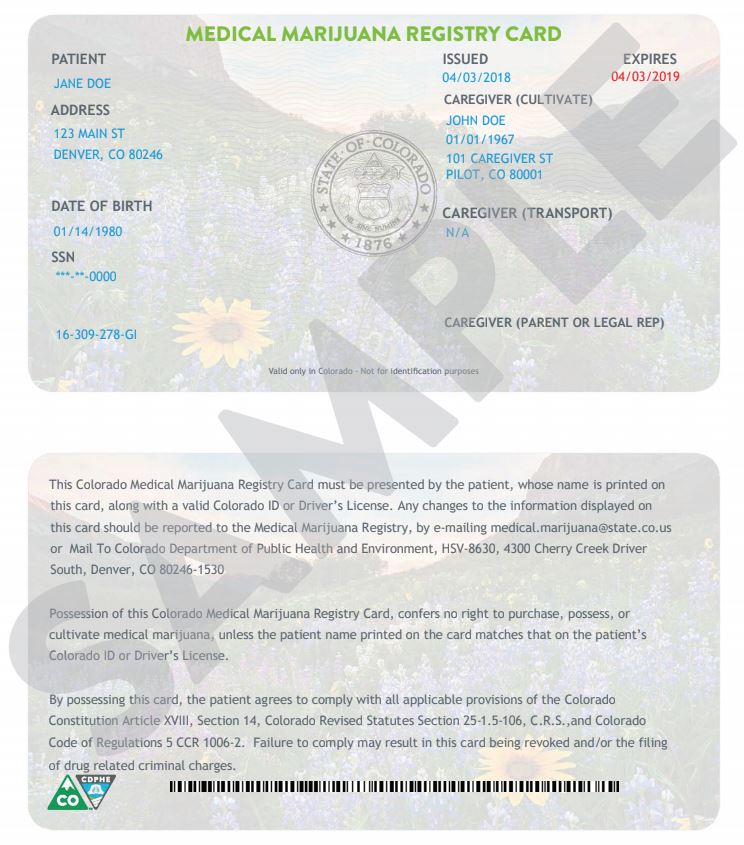
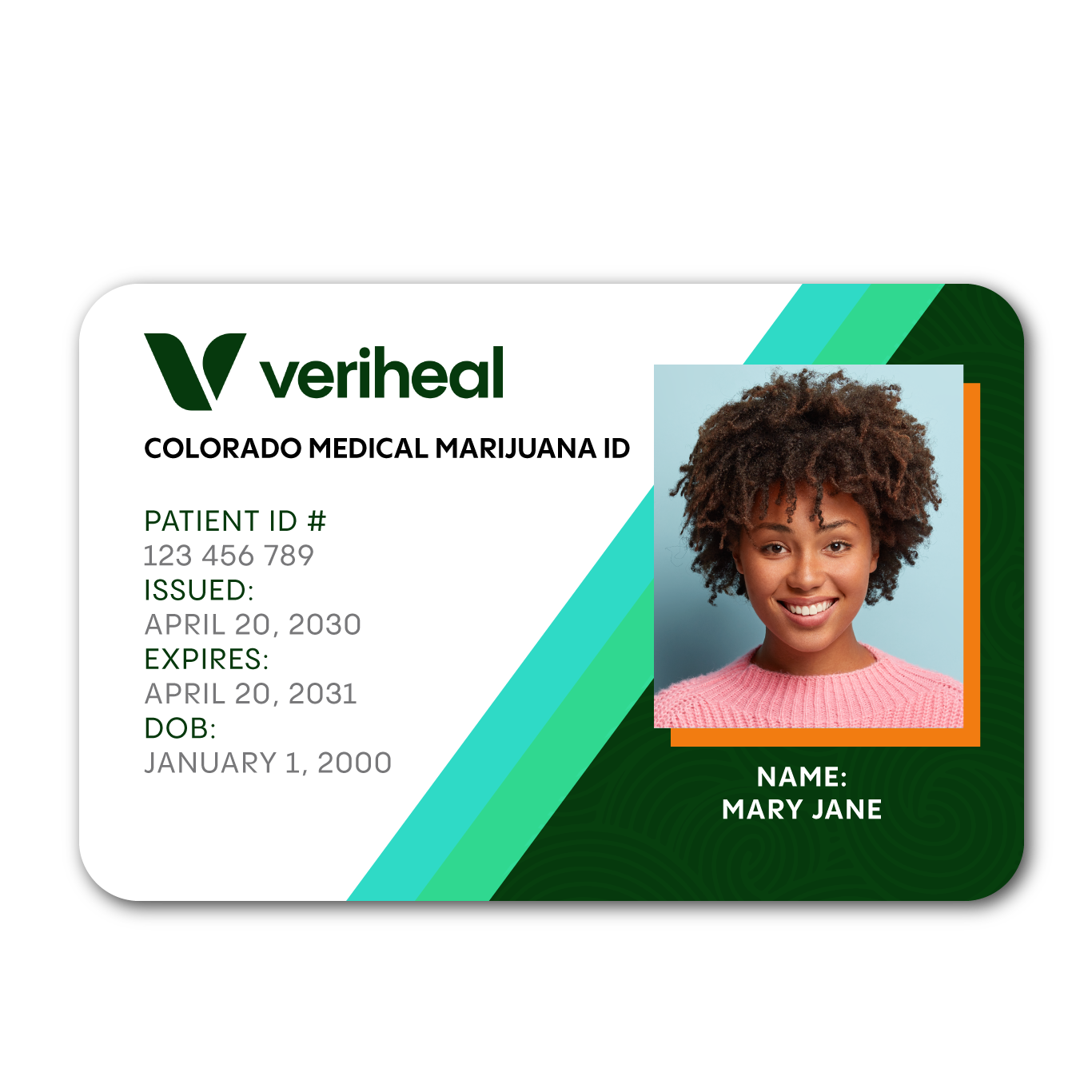
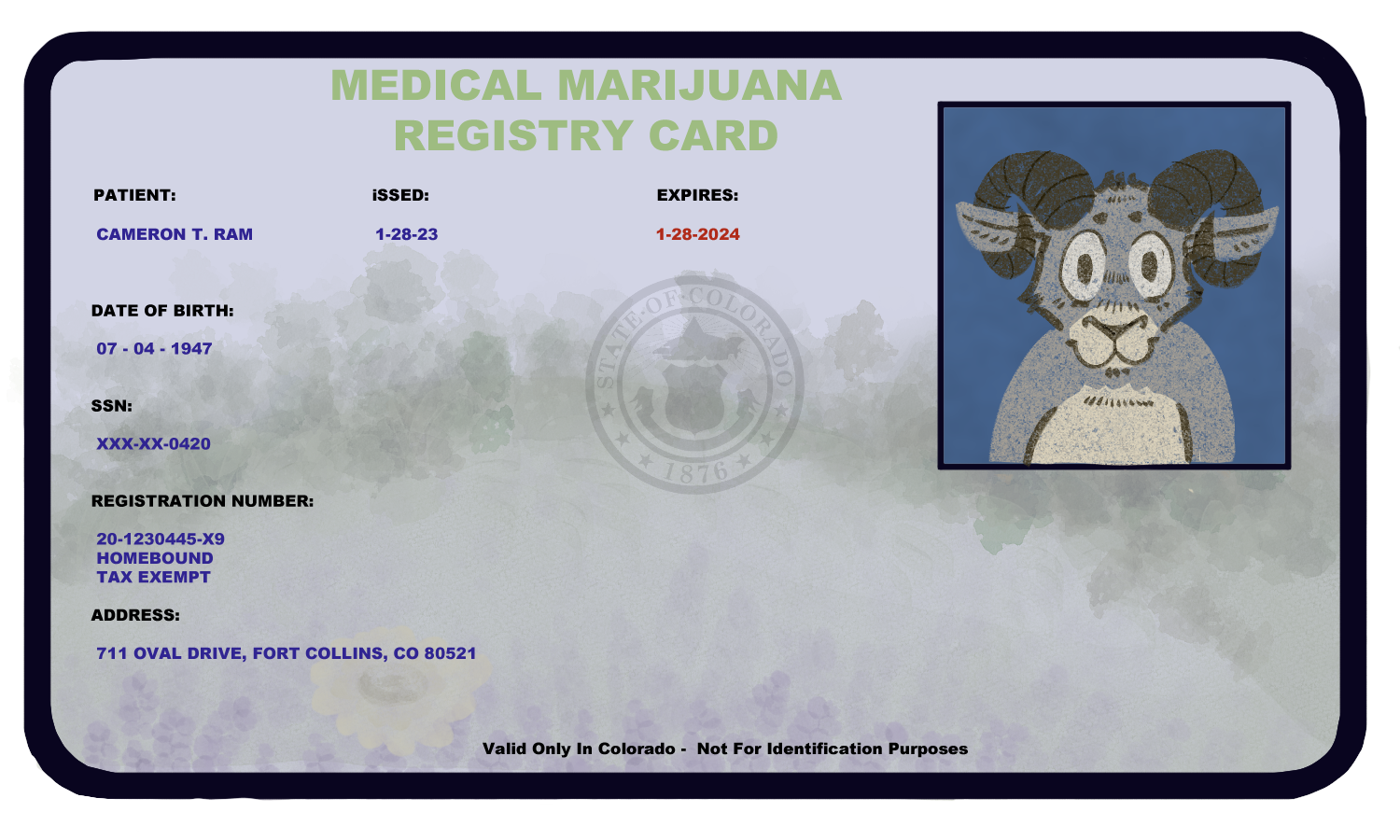
If your application is approved, you will receive a temporary registry identification card, which you can use immediately. Your official medical marijuana card will be mailed to you shortly thereafter. This card is your proof of authorization to purchase and possess medical marijuana in Colorado.
Choosing a Medical Marijuana Dispensary
With your medical marijuana card in hand, you can now explore the world of medical cannabis in Colorado. You have the freedom to choose from any licensed medical marijuana dispensary in the state. These dispensaries are specifically regulated to serve medical patients and often offer a wider selection of strains, potencies, and product types compared to recreational dispensaries.
When visiting a dispensary, remember to bring your medical marijuana card and a valid photo ID. The dispensary staff are trained to assist medical patients and can guide you through the available options based on your needs and doctor’s recommendations. They can explain the differences between various strains, cannabinoid profiles (THC, CBD), and consumption methods.
Some dispensaries also offer educational resources and consultations to help patients make informed choices. It’s advisable to do some research on dispensaries in your area, read reviews, and perhaps visit a few to find one that best suits your preferences and provides excellent customer service. Remember, responsible consumption and adherence to Colorado‘s marijuana laws are paramount.
Beyond the Card: Responsible Use and Regulations
Obtaining a medical marijuana card is just the first step. Understanding and adhering to Colorado‘s regulations surrounding medical marijuana is crucial for responsible use. These regulations cover aspects such as possession limits, cultivation, and public consumption.
Medical marijuana patients in Colorado generally have higher possession limits than recreational users. However, it’s imperative to know the exact limits to avoid legal issues. Public consumption of marijuana, whether medical or recreational, is strictly prohibited in Colorado and can result in significant fines. It’s important to consume marijuana only in private residences.
For those interested in cultivating their own marijuana for medical use, there are specific rules and limits that must be followed. These rules often involve the number of plants allowed and the security measures required to prevent unauthorized access. Always consult the latest Colorado marijuana laws and regulations to ensure you are compliant.
The medical marijuana program in Colorado offers a valuable resource for patients seeking relief. By understanding the eligibility criteria, navigating the application process diligently, and committing to responsible use, individuals can effectively leverage the benefits of medical cannabis within the state’s legal framework. Whether you are a resident or planning a longer stay, familiarize yourself with the nuances of this program to make the most of your experience.