
Colorado has long been at the forefront of cannabis legalization in the United States, carving out a unique niche in the American lifestyle and tourism landscape. While the state is widely known for its recreational cannabis market, understanding how to obtain a medical cannabis card offers distinct advantages for both residents and long-term visitors. This guide delves into the nuances of acquiring a medical card in Colorado, weaving in insights relevant to travel, accommodation, and the broader Colorado experience. For those considering an extended stay, health-focused travel, or simply exploring all facets of Colorado’s progressive policies, a medical card can unlock a different tier of access and benefits, impacting everything from your budget to your overall wellness journey in the Centennial State.
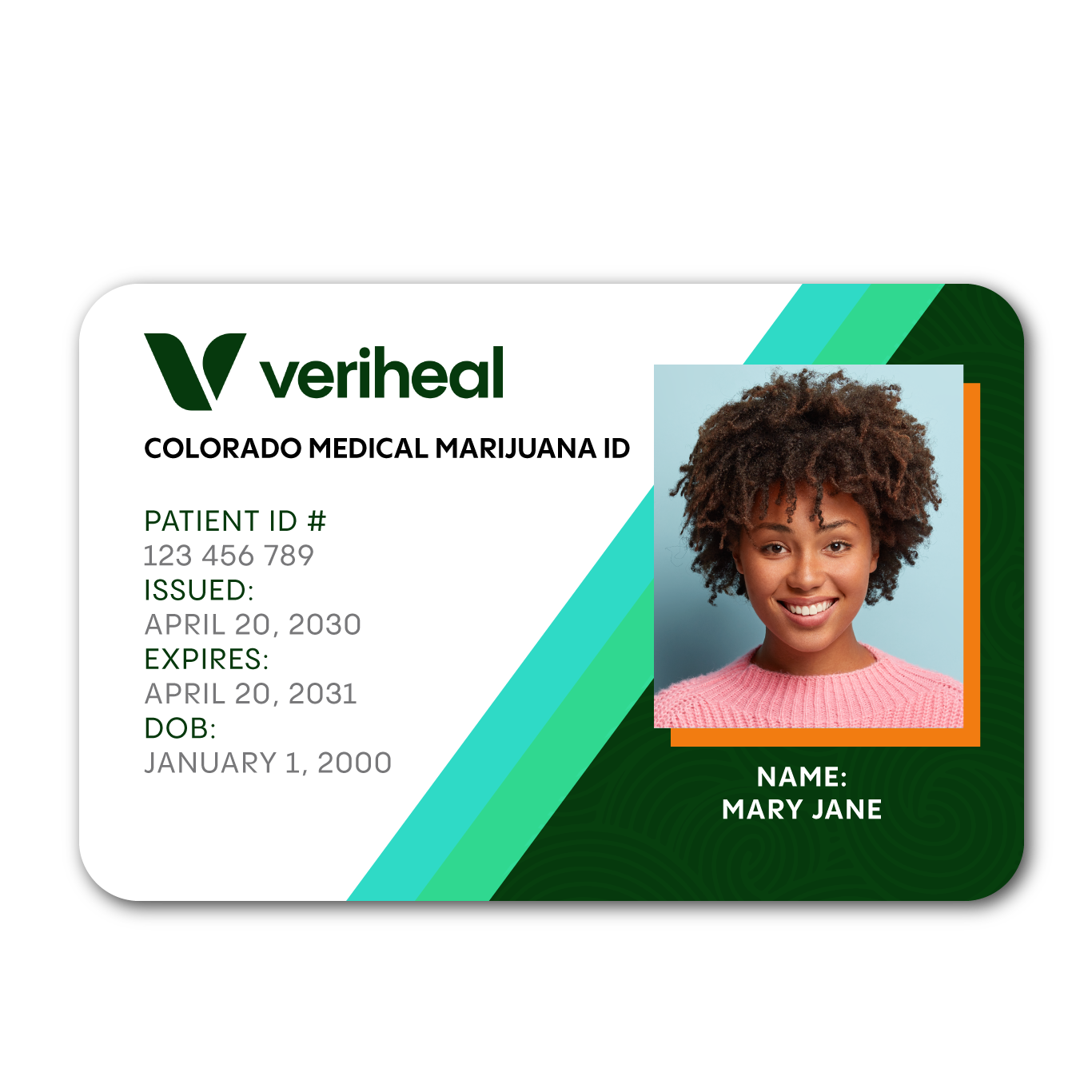
Navigating the regulations around medical cannabis can seem daunting, especially when planning a trip or considering a move. However, the process is streamlined for eligible individuals. This comprehensive overview aims to demystify the application, highlight the benefits, and explain how having a medical card can enhance your exploration of Colorado, whether you’re seeking the majestic Rocky Mountains or the vibrant urban scenes of Denver and Boulder.
Understanding Colorado’s Medical Cannabis Landscape
Before embarking on the application journey, it’s crucial to grasp the foundational aspects of Colorado’s medical cannabis program. This program, established long before recreational legalization, serves a specific demographic with particular health needs, offering a more tailored and often more economical path to accessing cannabis. For individuals who travel frequently for health reasons or are considering a longer stay in Colorado for wellness tourism, understanding these specifics is paramount. It’s not just about compliance; it’s about optimizing your experience and access within the state’s unique cultural and legal framework.
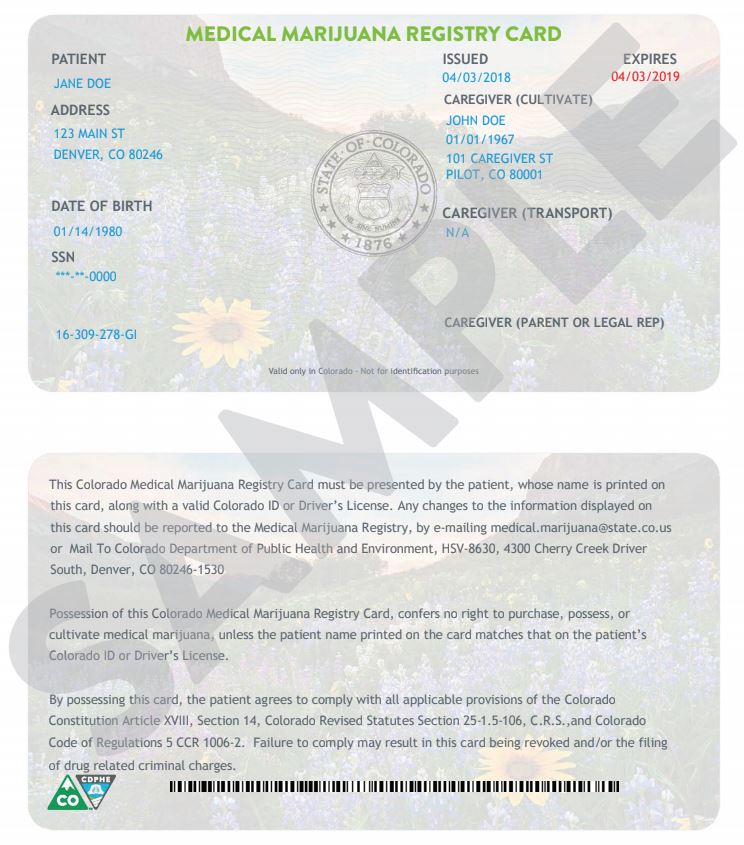
The state’s Department of Public Health and Environment (CDPHE) oversees the Colorado Medical Marijuana Registry, ensuring patient safety and adherence to state laws. The distinct separation between the medical and adult-use markets means that different rules apply to each, affecting everything from purchase limits and taxes to the types of dispensaries one can visit. This distinction is particularly relevant for those who plan to integrate cannabis into a health-conscious lifestyle or are looking for specific strains and products often found exclusively in medical dispensaries.
Eligibility and Qualifying Conditions
To qualify for a medical card in Colorado, applicants must meet specific criteria, primarily revolving around residency and a diagnosis of a qualifying medical condition. Understanding these conditions is the first step in determining your eligibility and preparing for the application process.
Residency Requirements:
The most critical requirement is establishing Colorado residency. This means you must be a permanent resident of the state. Proof of residency typically involves providing a valid Colorado ID, such as a driver’s license or state identification card, along with other documents like utility bills or lease agreements. Unfortunately, temporary visitors or those planning a short-term holiday will not be eligible for a medical card, as the program is designed for long-term residents with ongoing medical needs. However, the state’s adult-use market remains accessible to visitors aged 21 and over. For those considering relocating to Colorado, perhaps for its vibrant lifestyle, stunning natural beauty, or thriving health and wellness communities, establishing residency is the gateway to unlocking the medical cannabis program’s benefits.
Qualifying Medical Conditions:
Colorado has a specific list of debilitating medical conditions that qualify an individual for a medical marijuana card. These conditions include, but are not limited to:
- Cancer
- Glaucoma
- HIV or AIDS
- Cachexia
- Persistent muscle spasms
- Seizures
- Severe nausea
- Severe pain
- Post-traumatic stress disorder (PTSD)
- Autism spectrum disorder
- Any condition for which a physician believes the patient would benefit from medical marijuana.
It’s essential to have a diagnosis from a licensed Colorado physician who can provide a written recommendation confirming that you suffer from one of these qualifying conditions and that cannabis would be a beneficial treatment. This physician recommendation is a cornerstone of your application. Many clinics specialize in medical cannabis evaluations, making it easier to find a doctor familiar with the registry’s requirements. These evaluations often form part of a holistic wellness plan for individuals seeking alternatives or complements to traditional medicine, aligning with a broader trend in health tourism and lifestyle choices.
The Application Process: Step-by-Step
Once you’ve confirmed your eligibility and secured a physician’s recommendation, the application process for a Colorado medical card is relatively straightforward, primarily conducted online through the CDPHE’s Medical Marijuana Registry portal.
-
Obtain a Physician Certification: Schedule an appointment with a Colorado licensed physician. During this consultation, the doctor will review your medical history, confirm your qualifying condition, and, if appropriate, issue a medical marijuana recommendation. This recommendation is submitted electronically by the physician directly to the CDPHE system. Many patients find physicians specializing in cannabis recommendations through online directories or referrals, some of which may even offer telemedicine consultations for convenience. This step is crucial for anyone engaging in health-related travel or seeking long-term medical solutions within the state.
-
Gather Required Documents: You’ll need proof of Colorado residency (e.g., Colorado driver’s license or state ID, along with a utility bill or lease agreement if your ID doesn’t reflect your current address) and a valid email address.
-
Create an Account on the CDPHE Registry Portal: Visit the Colorado Medical Marijuana Registry website and create a new patient account. This secure online portal is where all your application details will be managed. The state has invested in making this process user-friendly, reflecting its commitment to accessible healthcare for its residents.
-
Complete the Online Application: Fill out the application form with your personal information, contact details, and designated primary caregiver if you choose to have one. The physician’s recommendation will already be linked to your application within the system.
-
Pay the Application Fee: There is a non-refundable application fee, which can typically be paid online via credit or debit card. For individuals on a budget or managing medical expenses, this is an important consideration.
-
Submit and Await Approval: After submitting your complete application, the CDPHE will review it. This process usually takes a few days to a few weeks. Once approved, you will receive an email notification. Your digital medical card will be accessible through the online portal, which you can print or display on your mobile device. While waiting, you might explore various aspects of Colorado life, from its diverse accommodation options like boutique hotels in Denver to its vast outdoor attractions.
Benefits and Beyond: Why a Medical Card Matters
Acquiring a medical card in Colorado extends beyond mere access; it unlocks a host of privileges and advantages that significantly enhance the experience for qualifying patients. These benefits can directly impact one’s lifestyle, budget, and even the type of accommodations considered when traveling or living in Colorado. For many, the medical card represents a deeper integration into Colorado’s progressive cannabis culture, offering a distinct pathway for wellness and self-care.
The medical cannabis program is designed to provide comprehensive support for patients, differentiating it from the more generalized adult-use market. This distinction is crucial for understanding why many residents choose to go through the application process despite the widespread availability of recreational cannabis. It’s an investment in a specific quality of life and access that aligns with health and wellness goals, making the state an attractive destination for those prioritizing such aspects.
Navigating Dispensaries and Purchase Limits
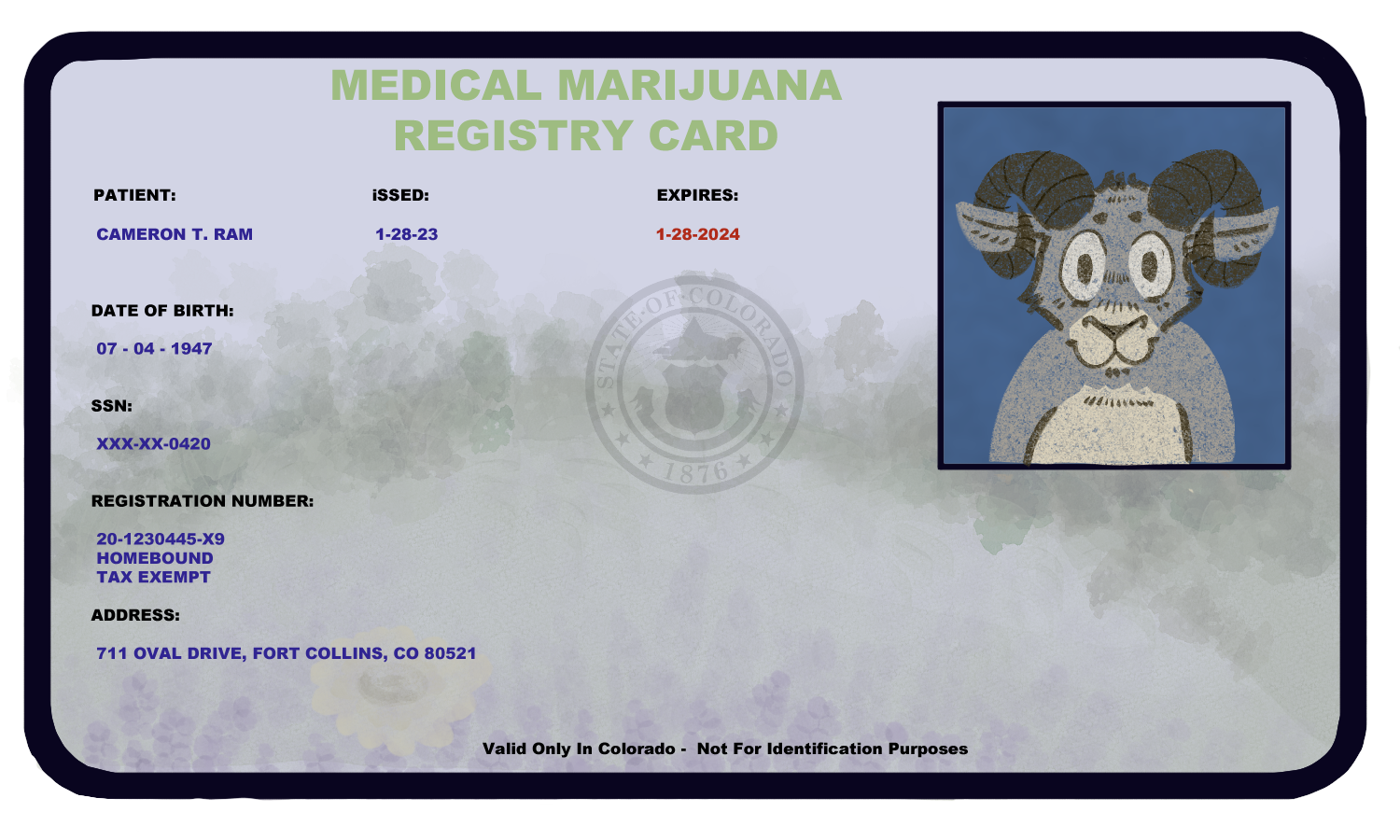
One of the most compelling reasons to obtain a medical card is the enhanced access to a wider variety of products and significantly higher purchase limits.
Expanded Product Selection: Medical dispensaries, often referred to as “med shops,” typically carry a broader and more specialized selection of cannabis products. This includes higher potency concentrates, specific cannabinoid ratios (like high CBD strains), and unique delivery methods tailored to various medical conditions. For patients seeking precise therapeutic effects, this expanded inventory is invaluable. While recreational dispensaries cater to a general market, medical dispensaries are designed with patient needs in mind, often staffed by knowledgeable individuals who can offer more personalized recommendations. This focus on specialized products makes medical dispensaries a key resource for those engaged in health tourism or long-term wellness planning in Colorado.
Higher Purchase Limits: Colorado medical cardholders are allowed to purchase significantly larger quantities of cannabis compared to recreational consumers. While adult-use consumers are limited to one ounce of flower (or equivalent in concentrates/edibles) per transaction, medical patients can possess and purchase up to two ounces of flower, or its equivalent, per transaction. Additionally, medical patients can, with specific physician recommendations, possess even larger amounts (e.g., up to six ounces of flower or more for severe debilitating conditions). This is particularly beneficial for patients with chronic conditions who require a consistent supply, reducing the frequency of dispensary visits and ensuring uninterrupted access to their medicine. For those managing a budget, this also translates to potential cost savings in the long run.
Lower Taxes: Perhaps one of the most immediate and tangible benefits for medical cardholders is the significant tax savings. Recreational cannabis in Colorado is subject to a combination of state sales tax, local sales tax, and a special excise tax, which can add up to 20-30% or more to the purchase price. Medical cannabis, however, is exempt from the state excise tax and often subject to lower state and local sales taxes, resulting in substantial savings over time. For individuals who rely on cannabis for their medical needs, these savings can make a considerable difference in managing healthcare expenses, freeing up funds that could be used for other travel experiences or amenities, like a stay at a luxurious resort or an adventurous tour through the Rocky Mountains.
Medical Card vs. Adult-Use: A Traveler’s Perspective
For tourists and short-term visitors to Colorado, the adult-use market is the primary and most accessible avenue for cannabis consumption. Anyone 21 years or older with a valid ID can purchase cannabis from licensed recreational dispensaries. However, it’s crucial to understand the limitations and how a medical card provides a different experience.
Adult-Use for Visitors: The recreational market is designed for casual consumers and tourists, offering a convenient way to experience Colorado’s legal cannabis. Many dispensaries are located in popular tourist areas like Denver, Boulder, and Colorado Springs, making access easy. However, visitors are subject to the lower purchase limits and higher taxes, and the product selection might be less specialized than in medical facilities. Public consumption remains illegal, and finding cannabis-friendly accommodation can be a challenge, though specialized “bud and breakfast” establishments are emerging.
The Medical Card Advantage for Long-Term Stays: If you’re considering an extended stay in [Colorado](https://lifeoutofthebox.com/colorado]—perhaps for a sabbatical, a long-term wellness retreat, or even a permanent move—obtaining residency and then a medical card could be highly advantageous. The cost savings from taxes alone can add up over several months, and the access to a broader range of therapeutic products can significantly enhance a wellness-focused lifestyle. Furthermore, certain accommodations, while rare, might be more understanding or equipped to cater to medical cannabis patients, though specific regulations still apply. This is particularly relevant for individuals engaged in medical tourism, seeking specialized treatments or a prolonged period of recovery in a state known for its progressive health policies.
Reciprocity: It’s important to note that Colorado generally does not recognize medical marijuana cards issued by other states. Therefore, even if you possess a medical card from your home state, you will still need to qualify and apply for a Colorado card if you become a resident and wish to access the state’s medical program benefits. This lack of reciprocity reinforces the importance of establishing Colorado residency for those planning a long-term commitment to the state’s medical cannabis program.
Experiencing Colorado with Your Medical Card
Once you’ve successfully obtained your Colorado medical card, a new dimension of experiencing the Centennial State unfolds. This isn’t just about accessing medical cannabis; it’s about integrating it seamlessly into a lifestyle that embraces Colorado’s natural beauty, vibrant culture, and diverse opportunities for wellness and leisure. From finding the perfect place to stay to exploring iconic landmarks, your medical card can be a subtle yet impactful element of your Colorado journey.
Colorado is a haven for outdoor enthusiasts, art lovers, foodies, and those seeking a balanced lifestyle. With your medical card, you can navigate your personal health needs with greater ease, allowing you to fully immerse yourself in all that the state has to offer, from the bustling streets of Denver to the serene trails of the Rocky Mountains. This integration of medical access with a vibrant lifestyle is what makes Colorado a unique destination for medical cannabis patients.
Cannabis-Friendly Accommodation and Lifestyle
Finding cannabis-friendly accommodation in Colorado can still be a challenge, as public consumption and smoking in most public places (including hotel rooms) are prohibited. However, the market for cannabis-friendly lodging is slowly expanding, offering specialized options for those who wish to consume discreetly and comfortably.
“Bud and Breakfasts” and Private Rentals: A growing trend in Colorado’s tourism sector is the emergence of “bud and breakfast” establishments, which are typically private residences or small inns that explicitly allow or even cater to cannabis consumption. These unique accommodations often provide a welcoming environment where guests can responsibly consume cannabis on-site, sometimes even offering cannabis-infused meals or tours. For those planning a leisure trip or a long-term stay, searching for these specialized hotels or private vacation rentals (via platforms like Airbnb or VRBO, filtered for cannabis-friendly policies) can greatly enhance your comfort and overall experience. When booking, always verify the specific rules regarding consumption methods (e.g., vaping might be allowed where smoking is not).
Responsible Consumption and Discretion: Regardless of where you stay, responsible and discreet consumption is key. Vaping devices or edibles are often preferred over smoking in semi-private or communal spaces, as they produce less odor. Understanding the local laws and the policies of your chosen accommodation ensures a smooth and enjoyable experience, respecting both your needs and those of others. For medical cardholders, the wider array of non-smoking products available in medical dispensaries can be particularly helpful in this regard, aligning with a more discreet and health-conscious lifestyle.
Lifestyle Integration: Having a medical card in Colorado means integrating your medical needs with a dynamic lifestyle. It could mean enjoying a cannabis-infused edible before a hike in Rocky Mountain National Park (always consuming responsibly and not in public view), or using a specific cannabis product to manage chronic pain before hitting the slopes in Aspen or Breckenridge. The focus shifts from merely accessing cannabis to incorporating it thoughtfully into a fulfilling and active life, whether it’s for relaxation, pain management, or enhancing creative pursuits.
Exploring Colorado’s Attractions and Wellness Scene
Colorado is replete with world-class attractions and a burgeoning wellness scene, both of which can be explored more comfortably with the support of a medical card.
Natural Wonders: The state’s natural beauty is unparalleled. Imagine exploring the Garden of the Gods near Colorado Springs, hiking the numerous trails around Boulder, or driving the scenic Peak to Peak Highway through the Rocky Mountains. For medical cannabis patients, the ability to manage pain, anxiety, or other symptoms discreetly means these breathtaking experiences can be enjoyed more fully. The mental clarity or physical comfort provided by their medicine allows for deeper engagement with Colorado’s natural landmarks.
Urban Exploration: Colorado’s cities offer a rich tapestry of culture, food, and entertainment. Denver, the capital, boasts vibrant neighborhoods like RiNo Art District, world-class museums such as the Denver Art Museum, and a thriving culinary scene. Boulder is renowned for its health-conscious community, pedestrian-friendly Pearl Street Mall, and proximity to nature. Having a medical card can contribute to a more relaxed and enjoyable urban exploration, allowing patients to manage their conditions discreetly while experiencing the local culture and attractions.
Wellness and Health Tourism: Colorado has become a hub for wellness tourism, attracting individuals seeking holistic health solutions. Hot springs in places like Glenwood Springs, spa retreats in Vail or Telluride, and a general emphasis on outdoor activity and healthy living define this aspect of the state. For medical cannabis patients, integrating cannabis into a broader wellness regimen becomes easier with a card. Access to specific strains or products known for their anti-inflammatory or calming properties can enhance a spa visit, aid in recovery from physical activity, or simply contribute to overall mental well-being, aligning perfectly with the state’s health-focused lifestyle.
In conclusion, while the recreational market offers broad access, obtaining a medical card in Colorado provides a more nuanced, cost-effective, and tailored experience for eligible residents. It’s an investment in a lifestyle that embraces wellness, offers expanded access to specific cannabis products, and provides significant financial benefits through tax savings. For those contemplating a move to Colorado or planning an extended stay focused on health and well-being, understanding and navigating the medical cannabis registry is a valuable step towards a more comfortable and enriched Colorado adventure.
LifeOutOfTheBox is a participant in the Amazon Services LLC Associates Program, an affiliate advertising program designed to provide a means for sites to earn advertising fees by advertising and linking to Amazon.com. Amazon, the Amazon logo, AmazonSupply, and the AmazonSupply logo are trademarks of Amazon.com, Inc. or its affiliates. As an Amazon Associate we earn affiliate commissions from qualifying purchases.