
Embarking on a motorcycle journey through Texas offers an unparalleled sense of freedom and adventure, allowing travelers to experience the diverse landscapes, rich history, and vibrant culture of the Lone Star State in a unique way. From the winding roads of the Texas Hill Country to the expansive plains of West Texas, motorcycling opens up a world of discovery. Before you can hit the open road, however, obtaining a motorcycle license in Texas is a crucial first step. This comprehensive guide will walk you through the entire process, ensuring you’re well-prepared to secure your endorsement and start your two-wheeled explorations responsibly and safely.
Embarking on Your Texan Motorcycle Adventure: Initial Requirements
The journey to earning your motorcycle license in Texas begins with understanding the fundamental eligibility criteria. These prerequisites are designed to ensure that all aspiring riders possess a basic level of competency and legal standing before they even begin formal training. Adhering to these initial steps not only streamlines the application process but also sets the foundation for a safe and enjoyable riding experience.
Eligibility Checklist for Aspiring Riders
Before you even think about purchasing a helmet or enrolling in a safety course, you must meet certain age and licensing requirements mandated by the state of Texas. The minimum age to obtain a Class M motorcycle license is 16 years old. If you are between 15 and 17 years old, there are additional stipulations you must meet. For instance, you will need to complete a comprehensive driver education course and hold a valid Class C learner’s permit for at least six months. Furthermore, parental consent is typically required for minors. It’s essential for young riders to recognize that motorcycling, while exhilarating, demands maturity and responsibility, making these age restrictions vital for public safety.
For adults aged 18 and over, the process is generally more straightforward regarding age, but the foundational requirement of holding a valid Class C driver’s license remains. This ensures that you already possess a fundamental understanding of traffic laws and safe driving practices, which are transferable to motorcycle operation. If you do not currently hold a Texas driver’s license, you will need to obtain one before proceeding with your motorcycle license application. This might involve a separate written test and driving test, depending on your prior licensing history and state of residence.
The Importance of a Valid Texas Driver’s License
Your existing Texas Class C driver’s license serves as the bedrock for your motorcycle endorsement. It signifies that you have passed the basic requirements for operating a motor vehicle, including knowledge of road signs, traffic laws, and general vehicle control. This foundational knowledge is paramount, as many aspects of safe motorcycling mirror those of safe car driving, albeit with the added complexities of two wheels. Think of it as your passport to overall mobility within the state, and your motorcycle endorsement as a specialized visa for exploring its scenic byways.
For visitors or new residents, obtaining a Texas driver’s license first is a critical step in integrating into the state’s transportation system. This prerequisite underscores the state’s commitment to ensuring all drivers, regardless of their vehicle choice, are familiar with local regulations. It’s not just about compliance; it’s about safety and preparedness. Having a valid driver’s license means you’re already part of the road community, familiar with the flow of traffic in cities like Austin, Dallas, and Houston, making your transition to a motorcycle smoother and safer. This step is a cornerstone of responsible tourism and travel within the state, allowing you to seamlessly navigate its diverse destinations.
Mastering the Road: The Motorcycle Safety Course in Texas
Once you’ve confirmed your eligibility, the next and arguably most crucial step is completing an approved motorcycle safety course. In Texas, this is not just a recommendation; it’s a mandatory requirement for most applicants. The course is designed to equip new riders with essential skills, knowledge, and defensive riding techniques that are invaluable for safe motorcycling, especially when navigating unfamiliar roads or exploring new tourist attractions across the state.
Choosing the Right Texas Motorcycle Safety Course Provider
The Texas Department of Public Safety (DPS) approves various motorcycle safety course providers across the state. It’s essential to choose a school that is officially recognized by the DPS to ensure your certificate of completion will be accepted. When selecting a provider, consider factors such as location, scheduling flexibility, instructor experience, and the condition of their training motorcycles. Many schools are conveniently located in major metropolitan areas like Austin, Dallas, Houston, and San Antonio, making them accessible for most residents.
Beyond mere accreditation, look for providers with a strong reputation for safety and thorough instruction. Online reviews and recommendations can be a helpful guide. Some courses may even offer specialty training or advanced courses after you’ve obtained your license, catering to different riding styles or terrain, which can be beneficial for those planning extensive travel itineraries. This early investment in quality training is a testament to a lifestyle focused on safety and preparedness, essential for anyone looking to make motorcycling a core part of their travel experiences.
What to Expect During Your Motorcycle Training
A standard motorcycle safety course in Texas typically spans two to three days, combining classroom instruction with extensive hands-on riding practice. The classroom component covers critical topics such as motorcycle controls, defensive riding strategies, risk management, accident avoidance, and the specific traffic laws that apply to motorcyclists in Texas. You’ll learn about the importance of proper gear, pre-ride inspections, and how to anticipate hazards – knowledge that is not only vital for safety but also for a smooth journey across varied Texas landscapes, from the busy streets of Fort Worth to the serene routes near the Guadalupe River.
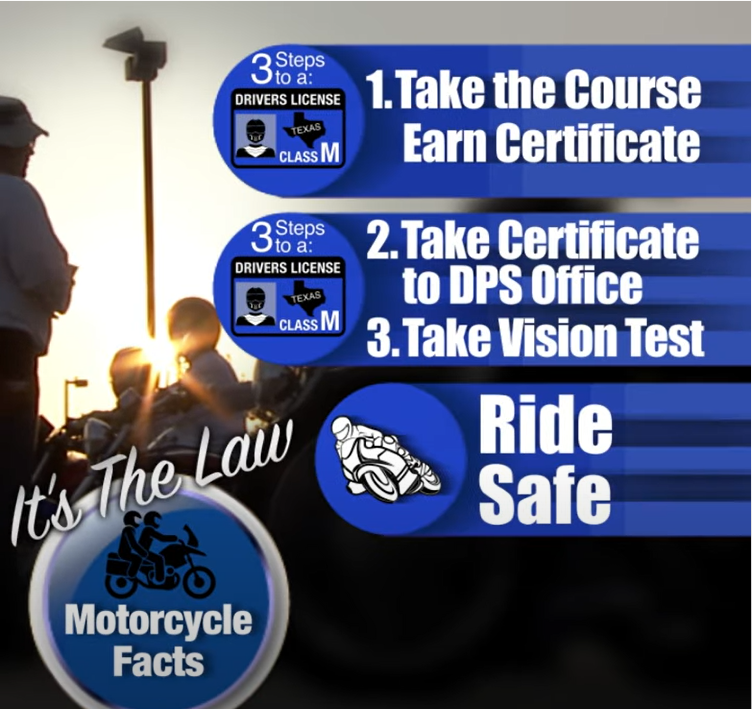
The practical riding portion is where you’ll apply your theoretical knowledge. Under the guidance of certified instructors, you’ll learn basic maneuvers such as starting, stopping, shifting gears, turning, and weaving. More advanced exercises will focus on emergency braking, obstacle avoidance, and tight turns. Most courses provide the motorcycles for training, typically smaller, learner-friendly models, along with helmets. This hands-on experience is invaluable, building muscle memory and confidence in a controlled environment before you venture onto public roads. Successfully completing this course is a significant achievement, as it not only provides you with the skills you need but also typically waives the riding skills test at the DPS office, simplifying the final licensing step. It’s a foundational experience that prepares you for a lifetime of safe and enjoyable motorcycling, transforming you into a more aware and capable traveler on two wheels.
The Licensing Process: From Classroom to Cruiser
With your motorcycle safety course certificate in hand, you’re just a few steps away from getting your Class M endorsement and the freedom to explore the vastness of Texas on a motorcycle. This final phase involves a visit to a DPS office, where you’ll complete the necessary paperwork, perhaps take a written test, and officially receive your new license.
Navigating the Written Exam and Skills Test (If Applicable)
For most applicants who successfully complete a DPS-approved motorcycle safety course, the riding skills test at the DPS office is waived. This is one of the significant advantages of enrolling in such a course. However, all applicants, regardless of age or course completion, will still need to pass a written knowledge test at the DPS. This test covers traffic laws specific to motorcycles, road signs, and safe riding practices. The material for this test is typically covered thoroughly in the motorcycle safety course, but it’s always wise to review the Texas Motorcycle Operator’s Manual, which is available online through the DPS website.
If, for some reason, you are not eligible for a skills test waiver (which is rare for those completing an approved course), you would need to perform a riding test at the DPS office. This test typically involves demonstrating basic motorcycle handling skills such as starting, stopping, turning, and maintaining balance at low speeds. It is generally advised to take the safety course to avoid this additional hurdle and ensure you have received professional training. Preparation for the written exam is straightforward: study the manual, pay attention during your safety course, and consider taking practice tests if available online. This ensures you’re ready to demonstrate your knowledge and move closer to your riding adventures.

Applying for Your Texas Motorcycle License Endorsement
Once you’ve passed the written exam (and possibly the skills test, if applicable) and have your motorcycle safety course completion certificate, you’re ready to apply for your Class M endorsement. You will need to visit a local DPS driver’s license office. It’s often recommended to schedule an appointment online to minimize wait times, especially if you’re traveling from destinations like Galveston or Padre Island National Seashore to a larger city’s DPS office.
You will need to bring several key documents with you:
- Proof of Identity: A valid Texas driver’s license, passport, or other acceptable identification.
- Proof of Social Security Number: Your Social Security card or other acceptable documentation.
- Proof of U.S. Citizenship or Lawful Presence: A birth certificate, U.S. passport, or immigration documents.
- Proof of Texas Residency: Two documents showing your name and current Texas residential address (e.g., utility bill, bank statement, rental agreement).
- Motorcycle Safety Course Completion Certificate: The original certificate issued by your DPS-approved course provider.
- Application for a Texas Driver License or ID Card: You can often fill this out at the DPS office or sometimes download it in advance.
After presenting your documents and passing the written test, you will be required to pay the applicable fees for the Class M endorsement. The fee amount can vary, so it’s best to check the official DPS website for the most current information. You will also have your photo taken and provide fingerprints. Upon successful completion of all steps, a temporary license will be issued, and your official permanent motorcycle license, with the Class M endorsement, will be mailed to you within a few weeks. Congratulations – you are now legally able to ride a motorcycle in Texas! This official endorsement marks your entry into a vibrant community of riders and opens up countless possibilities for travel and exploration.
Beyond the License: Embracing the Motorcycle Lifestyle in Texas
Obtaining your motorcycle license is merely the beginning. The true reward lies in the vast opportunities for adventure and personal fulfillment that motorcycling offers, especially in a state as diverse and expansive as Texas. This lifestyle isn’t just about riding; it’s about embracing freedom, connecting with nature, exploring local culture, and discovering hidden gems along the way.
Exploring Texas on Two Wheels: Popular Routes and Destinations
Texas is a motorcyclist’s paradise, boasting an incredible array of scenic routes and captivating destinations. The Texas Hill Country is arguably the most famous, with its undulating roads, stunning vistas, and charming small towns. The ” Three Twisted Sisters” (Ranch Roads 335, 336, and 337 near Leakey, Texas) offer over 100 miles of exhilarating curves and elevation changes, a true bucket-list ride for any enthusiast. Another gem is the Willow City Loop near Fredericksburg, especially vibrant in spring with its blankets of wildflowers.
Beyond the hills, consider rides to Big Bend National Park for a rugged desert adventure, or along the coastal highways towards Galveston for refreshing sea breezes. Cultural landmarks like The Alamo and San Antonio’s Riverwalk are easily accessible, offering a blend of history and urban exploration. For those seeking quirky roadside attractions, a ride to Cadillac Ranch outside Amarillo is a must. Towns like Bandera, the “Cowboy Capital of the World,” and Luckenbach, known for its live country music, offer unique local culture and a chance to truly immerse yourself in the Texan spirit. Every turn on a motorcycle can lead to a new experience, from quaint bed-and-breakfasts in Gruene to lively festivals in New Braunfels.
Essential Gear and Safety for Your Texas Rides
Safety remains paramount, even after you’ve earned your license. Texas has a helmet law: all riders under 21 must wear a helmet. Riders 21 and older may ride without a helmet if they have completed a motorcycle safety course and carry proof of health insurance. However, for maximum safety, wearing a DOT-compliant helmet is always highly recommended, regardless of age or experience. Beyond helmets, investing in quality protective gear – including a durable riding jacket, gloves, sturdy boots, and riding pants – is crucial. This gear protects against road rash in case of a fall and offers comfort against the elements, whether it’s the intense Texas sun or a sudden downpour.
Regular motorcycle maintenance is another key aspect of safe riding. Before every major trip, perform a pre-ride inspection of your tires, brakes, lights, and fluids. Familiarize yourself with your motorcycle’s capabilities and limitations, especially if you plan to carry luggage or a passenger. Continual learning and awareness are integral to the motorcycling lifestyle, ensuring every trip is as safe as it is thrilling. This commitment to safety is a core tenet of responsible tourism, allowing you to fully enjoy the journeys to attractions like NASA Johnson Space Center or scenic drives around Lake Travis without unnecessary risks.

Accommodation and Tourism for the Motorcycling Traveler
When planning multi-day motorcycle tours across Texas, consider accommodations that cater specifically to riders. Many hotels, motels, and even boutique resorts in popular riding areas (like Fredericksburg, Kerrville, Spicewood, or Marble Falls) offer amenities such as covered parking, bike wash stations, and even on-site repair tools. Looking for “motorcycle-friendly hotels” can enhance your travel experience, providing peace of mind and convenience after a long day of riding.
Moreover, embrace the local tourism opportunities that motorcycling unlocks. Stop in small towns to sample regional cuisine, visit local shops, or explore historical markers. Motorcycling often allows access to routes and viewpoints less traveled by cars, offering unique perspectives on Texas’ natural beauty, from the swimming holes of Barton Springs Pool in Austin to the vast expanses of Zilker Park. Whether you prefer luxury stays or budget-friendly options, the freedom of a motorcycle allows for flexible travel planning, adapting to your personal lifestyle and preferences. From planning your route to booking your stay, becoming a licensed motorcycle rider in Texas opens up a world of adventure, turning every road into a potential destination and every journey into an unforgettable experience.
LifeOutOfTheBox is a participant in the Amazon Services LLC Associates Program, an affiliate advertising program designed to provide a means for sites to earn advertising fees by advertising and linking to Amazon.com. Amazon, the Amazon logo, AmazonSupply, and the AmazonSupply logo are trademarks of Amazon.com, Inc. or its affiliates. As an Amazon Associate we earn affiliate commissions from qualifying purchases.