
Embarking on a journey, whether it’s a cross-country move or an extended visit, often requires understanding the local rules and regulations that govern daily life. For those venturing into the vibrant landscape of the Golden State, navigating the roads is an integral part of the experience. Obtaining a driving permit in California is a crucial step for many, opening up a world of exploration from the bustling urban centers to serene natural wonders. This comprehensive guide will walk you through the process, ensuring you’re well-prepared to hit the road and discover all that California has to offer.
For long-term visitors, new residents, or even those just seeking the freedom of the open road for an extended period, understanding how to legally drive in California is paramount. It’s not just about compliance; it’s about unlocking truly immersive travel experiences. Imagine the ease of spontaneously driving up the Pacific Coast Highway, exploring hidden gems in Napa Valley, or driving through the majestic landscapes of Yosemite National Park. These destinations, and countless other attractions and landmarks, become readily accessible with a valid California driving permit or license.
This guide will serve as your essential resource, detailing the steps from eligibility to application, and finally, getting you on the road. We’ll touch upon the practicalities, helping you plan your accommodation and overall lifestyle in California, knowing that mobility will be a key factor in maximizing your stay, whether for luxury travel, a family trip, or a business stay.
Understanding California Driving Permits
Before diving into the application process, it’s vital to understand the different types of permits and who exactly needs one. The California Department of Motor Vehicles (DMV) outlines specific criteria for obtaining a permit or license, catering to various circumstances.
Who Needs a California Driving Permit?
The need for a California driving permit or license primarily arises for a few key groups:
- New Residents: If you’ve recently moved to California and plan to reside here permanently, you are generally required to obtain a California driver’s license within 10 days of establishing residency. Your out-of-state license might be valid for a short transition period, but a local permit is the first step towards a full California license.
- International Visitors on Long-Term Stays: While international visitors can often drive with their foreign license for a temporary period (typically up to the length of their stay as a tourist, usually not exceeding one year), those planning an extended stay—for work, study, or other reasons—will likely need a California permit and eventually a license. This is especially true if you plan to lease or purchase a vehicle.
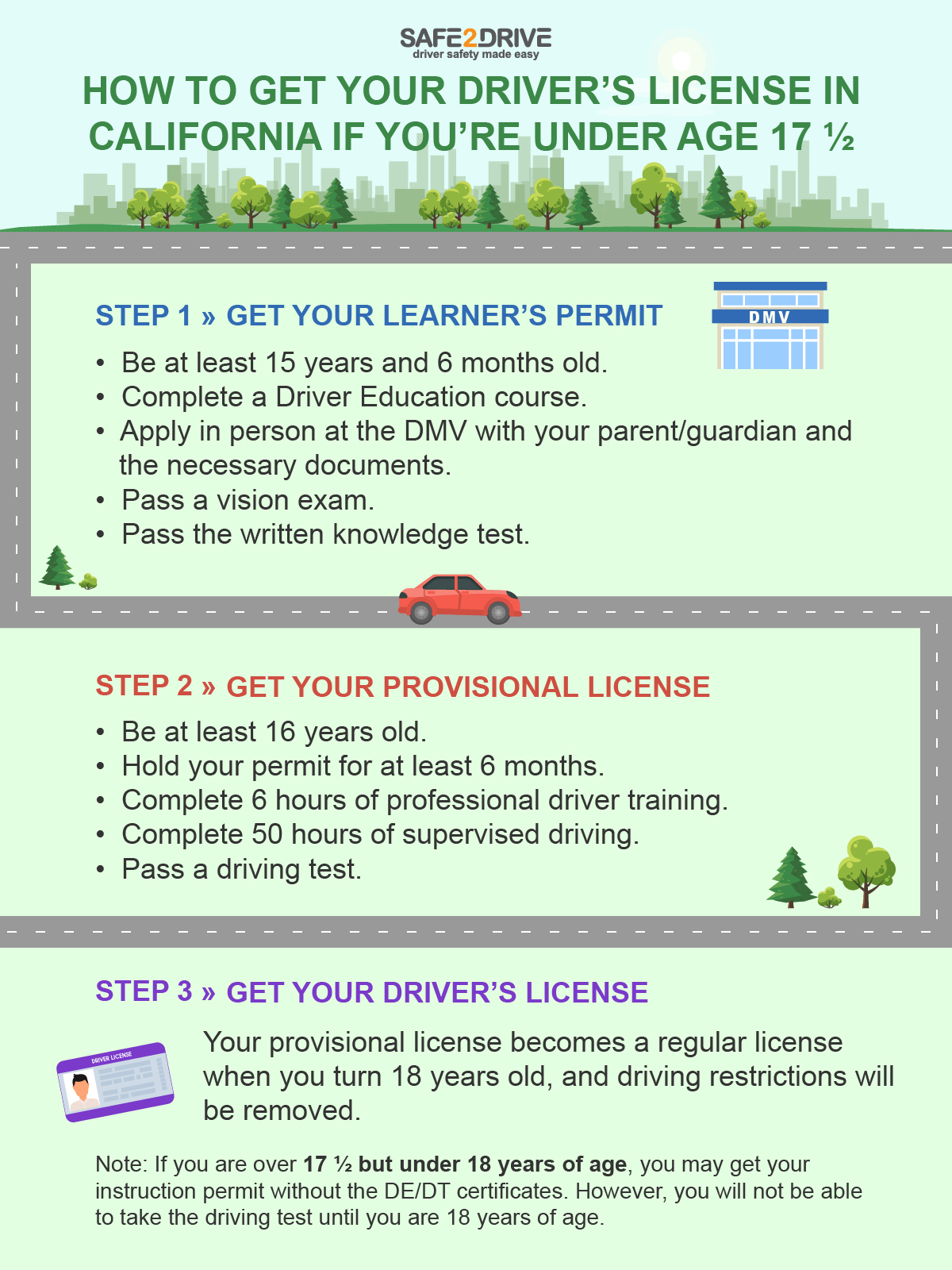
- Individuals Learning to Drive: For teenagers and adults who have never held a driver’s license, a learner’s permit (also known as a provisional instruction permit for minors) is the essential first step. It allows you to practice driving under the supervision of a licensed adult before you can take the driving test for a full license. This is common for students settling into a new California city and looking to gain independence.
- Those Reinstating a Suspended License: In some cases, individuals with a previously suspended California license may need to go through a permit application process again as part of their reinstatement requirements.
Understanding your category is the first step in streamlining your application. For many, the goal is to gain unrestricted access to California’s roads, making it easier to commute, explore local culture, and access a wider range of accommodation options, from central hotels to more secluded resorts or villas.
Types of Permits and Licenses
The California DMV offers various types of permits and licenses, but the primary one for most individuals learning to drive or transitioning to a California license is the Instruction Permit.
- Instruction Permit (Learner’s Permit): This permit allows you to drive a car, but only when accompanied by a licensed driver who is at least 18 years old (25 years old if you are a minor) and whose license is valid. This supervisor must be seated in the passenger seat, capable of taking control of the vehicle. This permit is crucial for practicing driving skills before the final behind-the-wheel test. For minors (under 18), there’s a specific “Provisional Instruction Permit” with additional requirements, including mandatory driver education and training.
- California Driver’s License: This is the ultimate goal, allowing you to drive unsupervised. The permit is a stepping stone to this full license. The process typically involves obtaining a permit, practicing driving, and then passing a behind-the-wheel driving test.
For our purposes, we will focus on obtaining the Instruction Permit, as it’s the initial step in the journey toward full driving privileges in California. This permit empowers you to start your practical driving education, crucial for navigating diverse California terrains, from urban freeways in Los Angeles to scenic routes in Big Sur.
The Application Process: Your Roadmap to the Golden State’s Roads
Obtaining your California driving permit involves a systematic approach, largely centered around interacting with the Department of Motor Vehicles (DMV). While it might seem daunting, breaking it down into manageable steps makes the process straightforward.
Gathering Essential Documents
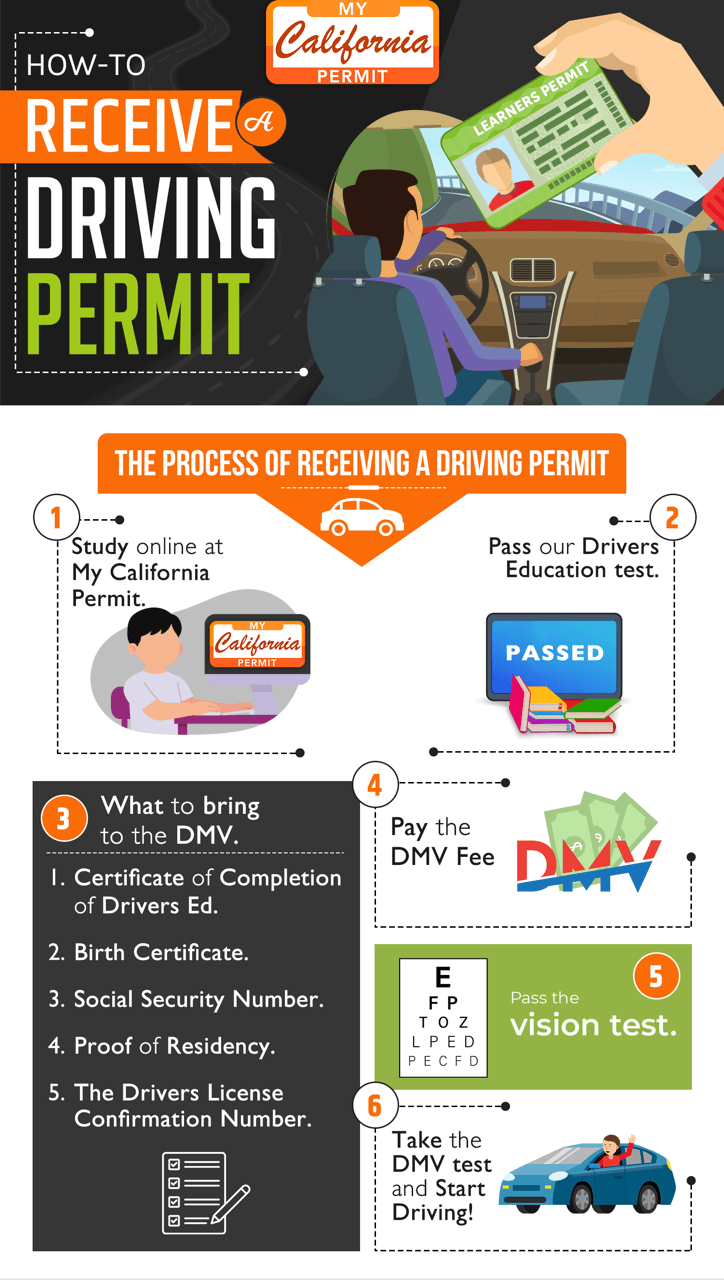
The most critical step before even setting foot in a DMV office is to meticulously gather all required documents. Missing even one item can lead to significant delays. Here’s a checklist of what you’ll typically need:
- Proof of Identity: You’ll need one document that establishes your true full name and date of birth. Examples include your U.S. birth certificate, U.S. passport, foreign passport with a valid I-94, or an employment authorization document (EAD) card. For non-U.S. citizens, additional documentation proving legal presence is required.
- Proof of Residency: California requires at least two different documents proving your California residency. These could be utility bills, rental agreements, mortgage statements, school documents, or employment documents. This is especially important for new residents who might be staying in temporary accommodation like hotels or short-term apartment rentals initially.
- Proof of Social Security Number (SSN): Your SSN card, a W-2 form, or a pay stub with your SSN can serve this purpose. If you are ineligible for an SSN, you’ll need to provide an original letter from the Social Security Administration (SSA) confirming your ineligibility.
- Legal Presence Documents (for non-U.S. citizens): If you are not a U.S. citizen or permanent resident, you’ll need documents proving your legal presence in the U.S. This could include a visa, I-94, or other immigration documents. The validity period of your permit or license will often align with your legal presence expiration date.
- Driver’s License Application (DL 44/eDL44): This form can often be started online, which saves time. Ensure all information is accurate.
Always check the official California DMV website for the most current and specific requirements, as they can sometimes change or have nuances based on your individual circumstances. Having these documents organized will make your visit to the DMV much smoother.
Making an Appointment at the DMV
While walk-ins are sometimes accepted, especially for certain transactions, it is highly recommended to make an appointment with the DMV for any permit or license application. This will significantly reduce your wait time, which can otherwise stretch for hours.
- Online Appointment System: The California DMV website has an easy-to-use online appointment system. Select the service you need (e.g., “Apply for a Driver License/ID Card”) and choose a convenient date and location. Popular DMV offices in major cities like Los Angeles, San Francisco, or San Diego can have long lead times for appointments, so plan ahead.
- Preparation for the Visit: Arrive early for your appointment. Bring all your original documents; photocopies are generally not accepted. Be prepared for a vision test and fingerprinting during your visit. This efficiency in planning ensures you can quickly get back to enjoying California’s vibrant tourism scene.
The Application Form and Fees
At the DMV, after your documents are verified and you’ve completed any necessary preliminary steps, you will pay the application fee. This fee covers the cost of the application and allows you to take the written knowledge test. For minors, parental consent and signature on the application form are also required. The fee is non-refundable, and typically allows for a few attempts at the written test within a 12-month period, should you not pass on your first try.
Mastering the Tests: Written, Vision, and Practical
Once you’ve submitted your application and paid the fee, the next hurdle is demonstrating your knowledge and ability through a series of tests.
Preparing for the Written Knowledge Test
The written knowledge test is designed to evaluate your understanding of California traffic laws, road signs, and safe driving practices. This is a critical step for obtaining your instruction permit.
- The California Driver Handbook: This is your primary study guide. It’s available for free online on the DMV website, and hard copies can be picked up at any DMV office. Read it thoroughly, paying close attention to sections on traffic signs, right-of-way rules, and specific California laws (like the “move over” law or cell phone restrictions).
- Practice Tests: Numerous online resources offer free practice tests that mimic the format and content of the actual DMV exam. Taking multiple practice tests can help you identify areas where you need more study and build confidence.
- Language Options: The written test is available in several languages. If English is not your first language, inquire about taking the test in your preferred language.
The test typically consists of multiple-choice questions. For adults (18+), you’ll need to answer a certain percentage correctly to pass. Minors have slightly different requirements and numbers of questions. Passing this test is your gateway to receiving the instruction permit.
The Vision Exam
Before or after your written test, you will undergo a simple vision exam at the DMV. This involves reading letters on an eye chart. If you wear corrective lenses (glasses or contact lenses), be sure to wear them for the exam. If your vision requires corrective lenses, this will be noted on your permit and subsequent license, meaning you must always wear them while driving.
The Driving Test (Behind-the-Wheel)
While the driving test isn’t required to get your instruction permit, it’s the final step to obtaining a full California driver’s license. Once you have your instruction permit, you’ll need to accumulate a specific amount of supervised driving practice (for minors, this includes a certain number of hours with a certified driving instructor and with parents/guardians).
- Scheduling the Test: You’ll need to schedule a separate appointment for the driving test once you feel confident and have met the practice requirements.
- Vehicle Requirements: You must provide a safe, registered, and insured vehicle for your test. The examiner will conduct a brief inspection to ensure it meets safety standards (working lights, horn, turn signals, etc.).
- What to Expect: The driving test evaluates your ability to safely operate a vehicle and follow traffic laws. You’ll be asked to perform various maneuvers, demonstrate safe lane changes, turns, parking skills, and respond correctly to traffic signs and signals.
While the permit allows you to practice, passing the driving test signifies your readiness to independently navigate California’s diverse road network, from urban grids in San Francisco to the sprawling freeways of Los Angeles.
Beyond the Permit: Driving in California with Confidence
With your permit in hand, and eventually your full driver’s license, the roads of California truly open up. Understanding important driving laws and how your new mobility enhances your lifestyle and travel options is key.
Important Driving Laws and Regulations
California has specific laws designed to ensure road safety. Familiarize yourself with these:
- Seatbelt Law: All occupants of a vehicle, regardless of age or seating position, must wear a seatbelt.
- Cell Phone Laws: Using a handheld cell phone while driving is illegal. Hands-free devices are permitted for drivers 18 and older. Drivers under 18 cannot use a cell phone at all, even hands-free.
- Speed Limits: Obey posted speed limits. Generally, the maximum speed limit on most California freeways is 65 mph, though some rural freeways may be 70 mph. Residential areas are typically 25 mph unless otherwise posted.
- DUI Laws: California has strict laws against driving under the influence (DUI) of alcohol or drugs.
- Lane Splitting: California is unique in that lane splitting (a motorcycle driving between lanes of stopped or slow-moving traffic) is legal.
Understanding these laws not only keeps you safe but also helps you avoid fines, ensuring your travel and tourism experiences remain enjoyable.
Exploring California: Your Permit as a Key to Adventure
A California driving permit is more than just a piece of paper; it’s your ticket to unparalleled adventure. With the freedom of personal transportation, you can curate your own unique travel itinerary, independent of public transit schedules.
- Iconic Road Trips: Drive the world-famous Pacific Coast Highway, marveling at the cliffs of Big Sur. Explore the rugged beauty of Joshua Tree National Park or the otherworldly landscapes of Death Valley National Park. Your car allows you to stop at every scenic overlook and discover hidden beaches.
- Urban Explorations: Navigate the diverse neighborhoods of Los Angeles, from the glamour of Hollywood to the beaches of Santa Monica and the upscale charm of Beverly Hills. Drive across the iconic Golden Gate Bridge in San Francisco or explore the vibrant Gaslamp Quarter in San Diego.
- Nature and Recreation: Reach the majestic forests of Yosemite National Park, ski at Lake Tahoe, or tour the vineyards of Napa Valley. Even family-friendly attractions like Disneyland are often best accessed by car. The ability to drive transforms these destinations from aspirational ideas into concrete plans, enriching your overall tourism and lifestyle in California.
Accommodation and Travel Logistics with Your New Permit
Having a California driving permit greatly simplifies your accommodation and travel logistics.
- Wider Accommodation Choices: Instead of being restricted to hotels or apartments near public transport, you can consider a broader range of options. This includes charming villas in wine country, beachfront resorts a little off the beaten path, or suites with better parking access. For long-term stays, having a car makes it easier to explore different neighborhoods and find the perfect rental.
- Flexibility for Day Trips: Your permit enables spontaneous day trips to explore local culture, food scenes, or unique activities outside major urban centers. You’re no longer bound by tour schedules or bus routes.
- Business Travel Efficiency: For business stays, a car provides unmatched convenience for client meetings across different cities or industrial parks, saving time and offering comfort.
- Budget Travel Advantages: Sometimes, staying in slightly less central accommodation can offer better value, and a car makes these locations perfectly viable for budget travel. You can also easily access grocery stores for self-catering, further reducing costs.
In essence, a California driving permit is a foundational element for anyone seeking a rich, independent, and flexible experience in the state.
Obtaining a permit for driving in California is an essential step for anyone planning an extended stay or looking to make the Golden State their home. While the process involves careful preparation and adherence to DMV regulations, the rewards are immense. From the practicalities of daily commuting to the boundless opportunities for exploration, a California permit unlocks a level of freedom and convenience that significantly enhances your overall travel and lifestyle in this incredible state. Study hard, prepare diligently, and soon you’ll be cruising down California’s iconic roads, creating unforgettable experiences and discovering its countless wonders. Safe travels!