
For many, the idea of a real estate license conjures images of endless paperwork and local market intricacies. But what if we told you that pursuing a real estate career in a vibrant state like Colorado could be a gateway to a dynamic lifestyle, a deeper understanding of its most coveted destinations, and even a strategic move for those passionate about travel and unique accommodations? Imagine being able to combine your love for exploring new places with a profession that allows you to live, work, and invest in some of the country’s most breathtaking locales. Colorado, with its majestic Rocky Mountains, bustling cities, and charming mountain towns, offers an unparalleled backdrop for such a venture.
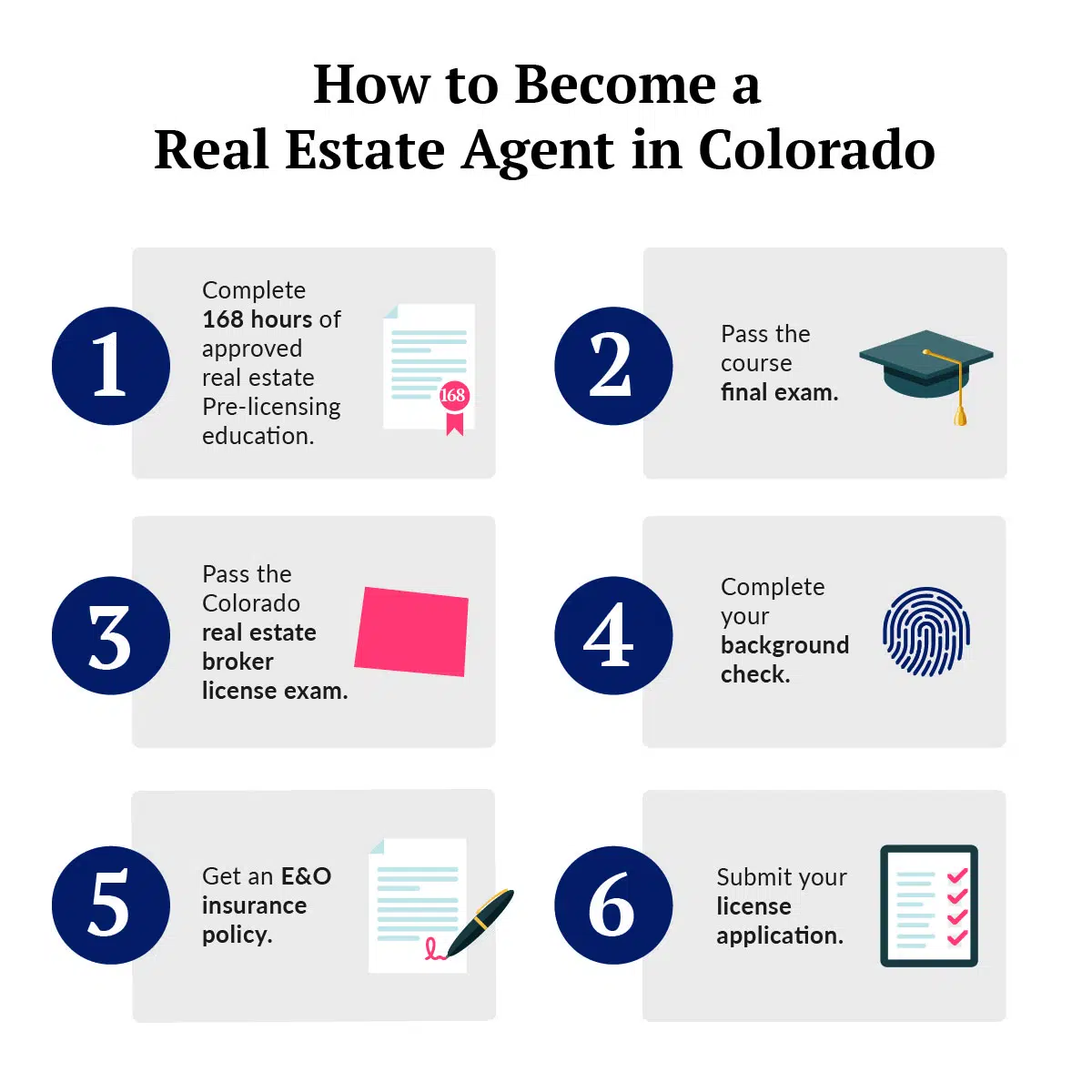
This guide isn’t just about the steps to get licensed; it’s about framing that journey within the context of a life enriched by travel, diverse accommodations, and the pursuit of a flexible, engaging career. Whether you dream of investing in a cozy Vail ski chalet, managing luxury vacation rentals in Aspen, or simply understanding the market dynamics of your favorite travel destination, obtaining a Colorado real estate license can transform how you interact with the world of property and travel. It’s an opportunity to turn curiosity about destinations and accommodation into a tangible skill set, empowering you to navigate the real estate landscape of this incredible state, whether for personal investment, a new profession, or simply to enhance your overall lifestyle.
Discovering Colorado’s Real Estate Landscape: More Than Just Mountains
Colorado is more than just a scenic backdrop; it’s a dynamic and diverse real estate market that mirrors its varied geography and cultural tapestry. From the urban sophistication of Denver to the tranquil beauty of Boulder and the world-renowned ski resorts of Aspen and Breckenridge, the state offers a mosaic of opportunities for those looking to invest, relocate, or simply explore the possibilities. Understanding this landscape is the first step in appreciating the value of a Colorado real estate license, not just as a career tool, but as a lens through which to view and interact with the state’s lifestyle, tourism, and accommodation sectors.
Why Colorado? A Hub for Lifestyle and Investment
The appeal of Colorado is undeniable, drawing millions of visitors and new residents each year. Its unique blend of outdoor adventure, thriving arts scenes, and strong economic growth makes it a prime location for both personal enjoyment and smart investment. For the travel enthusiast, Colorado represents a year-round playground. Winter brings unparalleled skiing and snowboarding in destinations like Vail and Telluride, while summer offers hiking, mountain biking, and water sports amidst stunning natural beauty. This continuous influx of tourism fuels a robust market for vacation rentals, second homes, and long-term accommodation, making a real estate license particularly valuable for those interested in the hospitality and accommodation industry.
Beyond tourism, Colorado’s cities offer diverse cultural experiences. Denver, the state capital, boasts a vibrant culinary scene, world-class museums, and a burgeoning tech industry. Boulder is renowned for its progressive lifestyle, outdoor access, and university town charm. These areas attract a different demographic, seeking urban amenities balanced with easy access to nature. For a real estate agent, this means a diverse client base and a wide range of property types to specialize in, from sleek downtown apartments to sprawling suburban homes.
Moreover, Colorado’s consistent population growth and strong job market contribute to a resilient real estate market. This stability and potential for appreciation make it an attractive location for both residents and investors, many of whom are looking for properties that can double as a primary residence and a rental income generator, especially in popular tourist areas. A real estate license here isn’t just about selling houses; it’s about connecting people with their dream lifestyles, their next travel adventure, or a savvy investment opportunity within one of the most desirable states in the U.S.
The Allure of Accommodation: From Mountain Cabins to City Lofts
The world of accommodation in Colorado is as varied as its landscapes, presenting a fascinating field for real estate professionals. From the rustic charm of a remote mountain cabin to the opulent suites of a luxury resort, and the convenient functionality of city apartments, the state caters to every taste and travel style. A real estate license equips you with the knowledge to understand the nuances of these different property types and how they serve various travel and lifestyle needs.
Consider the thriving market for short-term vacation rentals in resort towns. Destinations like Aspen, Breckenridge, and Steamboat Springs are magnets for tourists seeking unique experiences, and often, accommodation that goes beyond a standard hotel room. Here, real estate agents play a crucial role in facilitating transactions for properties that are not only homes but also lucrative investment vehicles for owners. Understanding local zoning laws, rental income potential, and the specific amenities that attract travelers (e.g., ski-in/ski-out access, hot tubs, scenic views) becomes paramount.
In urban centers like Denver and Colorado Springs, the focus shifts to long-term accommodations for residents, but also to serviced apartments and boutique hotels that cater to business travelers and extended stays. A real estate agent can specialize in commercial properties, helping entrepreneurs acquire and develop new hotel ventures, or assist individuals in finding furnished apartments for their transient work assignments. The ability to compare different accommodation types, assess their value, and understand booking trends becomes invaluable.
Furthermore, the concept of a “second home” or “vacation home” is deeply ingrained in Colorado’s real estate culture. Many individuals from warmer climates seek refuge in Colorado during the summer, or conversely, those from arid regions seek winter snow. This creates a market for properties that are essentially long-term accommodation options for part of the year, blending personal lifestyle choices with investment potential. A real estate license in Colorado empowers you to navigate these diverse offerings, providing expert advice to clients whether they are looking for a weekend getaway, a family retreat, or a strategic investment in the booming travel and accommodation sector. It’s about becoming a connoisseur of spaces that tell stories, hold memories, and offer unique experiences.
Navigating the Path to Licensure: An Educational Journey
Embarking on the journey to obtain a Colorado real estate license is a structured process, but it needn’t feel like a dry academic exercise. For those with a passion for travel and a keen interest in the unique properties found in destinations, this educational phase can be seen as an immersive exploration into the legal and commercial fabric that underpins the state’s thriving accommodation and lifestyle sectors. It’s an opportunity to learn the rules of engagement, ensuring you can confidently advise clients on everything from historic Denver lofts to remote mountain estates.
Pre-Licensing Education: Your Foundation for Exploration
The cornerstone of becoming a licensed real estate broker in Colorado is completing a mandatory 168 hours of pre-licensing education. This isn’t just about memorizing laws; it’s about building a comprehensive understanding of the intricacies that govern property ownership, transactions, and ethical practices within the state. Think of it as gaining the essential navigational tools before you set sail on an exciting voyage. These hours are typically divided into several key subject areas, each offering insights that resonate with the website’s themes of travel, accommodation, and lifestyle:
- Real Estate Law and Contracts: This foundational component teaches you about property rights, types of ownership, and the legal framework for buying and selling property in Colorado. For someone interested in accommodation, understanding contract law is crucial for managing everything from a short-term rental agreement to a long-term lease, or even purchasing a hotel.
- Agency and Brokerage: You’ll learn about the relationship between brokers and clients, fiduciary duties, and the different types of agency. This knowledge is vital whether you’re representing a traveler looking for a vacation home or an investor planning to acquire a series of boutique hotels.
- Property Valuation and Appraisal: Understanding how properties are valued is indispensable. This includes methods for appraising residential, commercial, and income-producing properties. This skill directly ties into the “Accommodation” theme, allowing you to accurately assess the investment potential of a ski-in/ski-out condo in Winter Park or a historic bed-and-breakfast in Georgetown.
- Finance and Economics: Delving into mortgage types, financing options, and the economic factors influencing the Colorado market provides a broader context. This helps you understand why certain destinations become hotspots for luxury travel or budget-conscious explorers, and how financing impacts their ability to secure accommodation or investment properties.
- Property Management: For those keen on the “Accommodation” and “Tourism” aspects, property management principles are highly relevant. This section covers landlord-tenant laws, lease agreements, and maintenance, essential for anyone considering managing vacation rentals or long-term properties.
- Water Rights and Land Use: Unique to Colorado, understanding water rights is paramount, especially in rural and agricultural areas. This delves into the very nature and history of the land, connecting to the “Landmarks” and “Nature” aspects of the website’s themes.
This comprehensive education not only prepares you for the licensing exam but also provides a deep understanding of the diverse factors that make Colorado’s property market so intriguing. It’s an investment in knowledge that will serve you well, whether you’re assisting clients in finding their dream home, investing in rental properties, or advising on the best spots for tourism-related accommodation.

Choosing Your Learning Adventure: Online vs. In-Person
Just as there are various ways to experience Colorado – from backpacking through the Rocky Mountains to enjoying a luxury stay at a Grand Hyatt Hotel in Denver – there are flexible options for completing your real estate pre-licensing education. This flexibility is particularly appealing to those who embrace a travel-oriented or nomadic lifestyle, allowing them to pursue their education without being tethered to a single location.
- Online Courses: For the independent traveler or the digital nomad, online real estate schools offer unparalleled convenience and flexibility. You can complete your 168 hours from anywhere with an internet connection – whether you’re enjoying a long-term stay in a Colorado Springs apartment, exploring a new destination abroad, or simply balancing your studies with a busy work schedule. Online platforms typically provide self-paced modules, interactive quizzes, and virtual instructor support. This option is perfect for those who thrive on self-discipline and appreciate the freedom to set their own learning rhythm, integrating their education seamlessly with their lifestyle. It’s an ideal choice for someone who views their education as another journey to embark on at their own pace.
- In-Person Classes: For those who prefer a more traditional learning environment and the direct interaction with instructors and peers, in-person classes are available throughout Colorado. These can be found in major cities like Denver, Boulder, and Fort Collins. Attending classes in person offers a structured schedule, immediate answers to questions, and the opportunity to network with future colleagues. For individuals who are already settled in a specific Colorado community or who prefer the routine of a classroom setting, this option provides a robust and engaging educational experience. It can also be a wonderful way to immerse oneself in the local culture of a particular city while pursuing professional development, perhaps staying at a charming local hotel during the course duration.
When choosing your learning adventure, consider your personal learning style, your current lifestyle, and how you envision integrating your studies with your broader life goals. Both options lead to the same destination – eligibility to sit for the Colorado Real Estate Broker Exam – but they offer distinct pathways, much like choosing between a guided tour or an independent exploration of a new city.
Beyond the Exam: Embracing Your Real Estate Lifestyle in Colorado
Once you’ve completed your pre-licensing education, the next significant milestone is passing the Colorado Real Estate Broker Exam. This crucial step is not just a test of knowledge; it’s your official gateway to a profession that can profoundly enhance your lifestyle, providing the flexibility, financial freedom, and geographical mobility often sought by those passionate about travel, unique accommodations, and discovering new destinations. The journey doesn’t end with passing the exam; it truly begins there, opening doors to a dynamic career interwoven with the very fabric of Colorado’s appeal.
The Colorado Real Estate Exam: Your Gateway to New Horizons
The Colorado Real Estate Broker Exam is administered by PSI Exams and consists of two main parts: the national portion and the state-specific portion. Each section is designed to test your comprehensive understanding of the principles learned during your 168 hours of pre-licensing education.
- The National Portion: This segment covers general real estate principles and practices applicable across the United States, including agency relationships, contracts, finance, property valuation, and real estate calculations. Think of this as the universal language of real estate, essential for anyone aiming to understand property transactions, whether they are analyzing a resort property in Florida or a landmark building in New York.
- The State-Specific Portion: This section focuses exclusively on Colorado real estate laws, regulations, and practices, including distinctive elements like water rights, deed of trust, and specific disclosure requirements. Mastering this part is critical, as it ensures you are well-versed in the unique aspects of the Colorado market, from historic districts to mountain resort communities.
Passing both sections requires diligent study and preparation. Many online schools and in-person academies offer exam prep courses, practice tests, and study guides specifically tailored to the Colorado exam format. Viewing this exam as a final challenge before unlocking a new chapter in your life – one filled with travel, exploration, and the potential to shape your own career path – can provide valuable motivation. Once you pass, you’ll be one step closer to making your mark in the diverse and exciting world of Colorado real estate.
Activation and Beyond: Building a Career Amidst Colorado’s Wonders
After successfully passing your exam, the final step in becoming an active real estate broker is to affiliate with a licensed employing broker. This partnership is crucial, as your employing broker will provide mentorship, training, and the legal framework under which you can conduct real estate transactions. Choosing the right brokerage is akin to selecting the perfect travel companion – one that aligns with your values, career aspirations, and desired lifestyle. Some brokerages specialize in residential sales, others in commercial properties, and many have dedicated teams for luxury real estate or vacation rentals in prime tourist destinations.
Once licensed and affiliated, the opportunities in Colorado real estate are boundless, perfectly blending with the website’s themes of lifestyle, travel, and business stays:
- Flexible Career: A real estate career offers significant flexibility, allowing you to manage your own schedule. This is a huge advantage for those who love to travel, enabling you to take trips, explore new destinations, and even conduct business remotely from a temporary accommodation.
- Investment Opportunities: With your license, you gain insider knowledge of the market, identifying prime investment opportunities in properties that can serve as vacation rentals, long-term accommodations, or even future boutique hotels. You can leverage your expertise for your own portfolio, turning your passion for travel into tangible assets.
- Specialization in Travel-Related Properties: Consider specializing in properties that cater directly to the tourism and accommodation sectors. This could mean becoming an expert in mountain resort homes in Breckenridge, luxury condos in Aspen, charming bed-and-breakfasts in historic towns, or even assisting investors in developing new hotel properties. Your understanding of what travelers seek in accommodation will be a distinct advantage.
- Business Stays and Relocation: Many businesses relocate employees to Colorado, creating a need for real estate professionals who can help find temporary or permanent housing. Your ability to understand the needs of individuals on business stays, perhaps helping them find furnished apartments or short-term rentals, makes you an invaluable resource.
- Continuing Education: To maintain your license, Colorado requires ongoing continuing education. View these courses not as obligations, but as opportunities to stay updated on market trends, new technologies, and specialized topics that further your expertise, keeping your career fresh and aligned with evolving travel and lifestyle preferences.
Embracing a real estate lifestyle in Colorado means more than just a job; it means building a career that allows you to be an integral part of one of the most exciting states, connecting people with properties that facilitate their travel dreams, family adventures, luxury experiences, and long-term accommodation needs.

Investing in Colorado’s Future: Vacation Rentals and Beyond
The true synergy between obtaining a real estate license in Colorado and the themes of travel, accommodation, and lifestyle becomes most apparent when considering the immense potential for investment, particularly in the vacation rental market. Colorado’s status as a premier tourist destination ensures a constant demand for unique and appealing places to stay, from short-term luxury rentals to budget-friendly options for extended trips.
With your Colorado real estate license, you’re not just a facilitator of transactions; you become an informed advisor and, potentially, an active participant in this lucrative sector. You’ll possess the knowledge to:
- Identify High-Yield Properties: Understand which areas of Colorado offer the best return on investment for vacation rentals. This could be a cabin near the Great Sand Dunes National Park, a condo with stunning views in Telluride, or a charming bungalow in a historic district like Leadville. Your expertise in property valuation and market analysis will guide strategic purchasing decisions.
- Navigate Local Regulations: Vacation rentals are often subject to specific municipal ordinances, zoning laws, and tax implications that vary by city or county. Your license education will equip you to understand these complexities, ensuring compliance and maximizing profitability for yourself or your clients. This insight is invaluable for both property owners and those seeking to invest in short-term accommodation.
- Advise on Amenities and Appeal: Knowing what amenities and features attract travelers is key. Do guests prefer hot tubs and mountain views in Steamboat Springs, or walkability to restaurants and cultural landmarks in Denver? Your real estate knowledge, combined with an understanding of tourism trends, allows you to consult on how to best market and manage a property to appeal to specific travel demographics, from family trips to luxury getaways.
- Beyond Vacation Rentals: Your license also opens doors to other forms of investment within the accommodation sector. This could include helping clients acquire land for glamping resorts, identifying buildings suitable for conversion into boutique hotels, or assisting with the purchase of multi-family properties that cater to long-term residents, including those seeking an extended stay in Colorado for work or lifestyle reasons.
Ultimately, a Colorado real estate license is more than a credential; it’s a passport to a lifestyle where your professional endeavors can directly align with your personal passions for exploration, discovery, and smart investment in one of America’s most beloved states. It empowers you to not just visit Colorado’s wonders, but to actively participate in its thriving future, property by property, experience by experience.
LifeOutOfTheBox is a participant in the Amazon Services LLC Associates Program, an affiliate advertising program designed to provide a means for sites to earn advertising fees by advertising and linking to Amazon.com. Amazon, the Amazon logo, AmazonSupply, and the AmazonSupply logo are trademarks of Amazon.com, Inc. or its affiliates. As an Amazon Associate we earn affiliate commissions from qualifying purchases.