
Florida, often lauded as the Sunshine State, beckons with its pristine beaches, vibrant cities, and a lifestyle that many dream of. From the bustling metropolitan energy of Miami to the theme park wonders of Orlando, and the serene Gulf Coast havens of Naples and Sarasota, this diverse state offers an unparalleled blend of leisure and opportunity. It’s no wonder that people from all corners of the United States and beyond flock here, not just for vacations, but to establish roots, invest, and enjoy a high quality of life. This constant influx fuels a dynamic and ever-evolving real estate market, making a career as a real estate professional in Florida not just a job, but a gateway to a rewarding lifestyle and significant financial potential.
For those captivated by the idea of guiding individuals and families through the journey of buying or selling a piece of this paradise, obtaining a Florida real estate license is the essential first step. It’s a pathway to an exciting career where every day brings new interactions, diverse properties, and the satisfaction of connecting people with their ideal homes, vacation rentals, or investment properties. Whether you dream of specializing in luxury waterfront estates, bustling urban condos, charming suburban residences, or lucrative commercial ventures like boutique hotels or sprawling resort complexes, a Florida real estate license is your key. This comprehensive guide will illuminate the entire process, helping you navigate the requirements and steps to become a licensed real estate sales associate in the Sunshine State.
Embarking on Your Real Estate Journey in Florida: Why Now?
The decision to pursue a real estate career in Florida is often driven by the state’s undeniable appeal as a premier destination for living, working, and vacationing. Its unique blend of tourism, robust economy, and a coveted lifestyle creates a fertile ground for real estate professionals.
The Allure of Florida’s Property Market
Florida’s real estate market is a mosaic of opportunities, reflecting the state’s diverse geography and demographics. The constant demand for properties stems from several factors:
- Tourism Hotspot: As a global tourist magnet, Florida sees millions of visitors annually. This drives a robust market for vacation homes, short-term rentals, and investment properties, particularly in areas like Orlando (near its world-famous theme parks), Key West, and the coastal cities of Fort Lauderdale and Palm Beach. Real estate agents play a crucial role in helping investors acquire properties that cater to this lucrative tourism sector, from charming beachfront villas to modern city apartments designed for transient guests.
- Retirement Haven: Florida remains a top choice for retirees seeking warm weather, a relaxed pace, and vibrant communities. This segment consistently fuels demand for condominiums, single-family homes, and properties within active adult communities. Agents often assist clients in finding residences that align with their lifestyle, health, and social needs.
- Business Growth and Relocation: Beyond tourism, Florida’s business-friendly environment attracts corporations and entrepreneurs, leading to job growth and an increased need for residential and commercial spaces. Cities like Tampa, Jacksonville, and Miami are experiencing significant development, creating diverse opportunities for real estate professionals.
- Diverse Property Types: From high-rise luxury condos overlooking the Atlantic Ocean to charming historical homes in St. Augustine, sprawling ranches in Central Florida, or stunning waterfront properties along the Gulf Coast, the variety of real estate is immense. This allows agents to specialize in niches that align with their interests and expertise, whether it’s residential sales, commercial leasing, property management for vacation rentals, or handling transactions for resort and hospitality properties.
Becoming a real estate agent in Florida means not just engaging in transactions but becoming an integral part of people’s dreams, whether they seek a permanent residence, a seasonal escape, or a savvy investment in one of the world’s most desirable locations.
Who Can Become a Florida Real Estate Professional?
Before diving into the educational and application processes, it’s crucial to ensure you meet the fundamental eligibility criteria set by the Florida Department of Business and Professional Regulation (DBPR) and the Florida Real Estate Commission (FREC). These requirements are designed to uphold professional standards and protect the public.
To be eligible for a Florida real estate sales associate license, you must:
- Age Requirement: Be at least 18 years old.
- Education: Hold a high school diploma or its equivalent (GED).
- Social Security Number: Possess a valid United States Social Security Number. This is required for background checks and to track child support obligations, if applicable.
- Honesty and Integrity: Be honest, truthful, trustworthy, and of good character. This is assessed through a mandatory background check that includes fingerprinting. Any criminal history, regardless of how minor or old, must be disclosed on your application. While a criminal record doesn’t automatically disqualify you, the FREC will review each case individually to determine if it impacts your ability to operate ethically and professionally. Full disclosure is paramount.
- Residency (Not Required): Interestingly, you do not need to be a Florida resident to obtain a Florida real estate license. This opens doors for individuals from other states or countries looking to invest or work in Florida’s dynamic market, perhaps specializing in helping international buyers secure luxury vacation homes or investment properties.
Meeting these prerequisites is the foundational step towards your exciting career in Florida real estate.
Navigating the Path to Licensure: From Application to Exam
Once you’ve confirmed your eligibility, the journey to becoming a licensed Florida real estate sales associate involves a structured process encompassing application submission, comprehensive education, and passing a challenging state examination.
The Initial Application and Fingerprinting Process
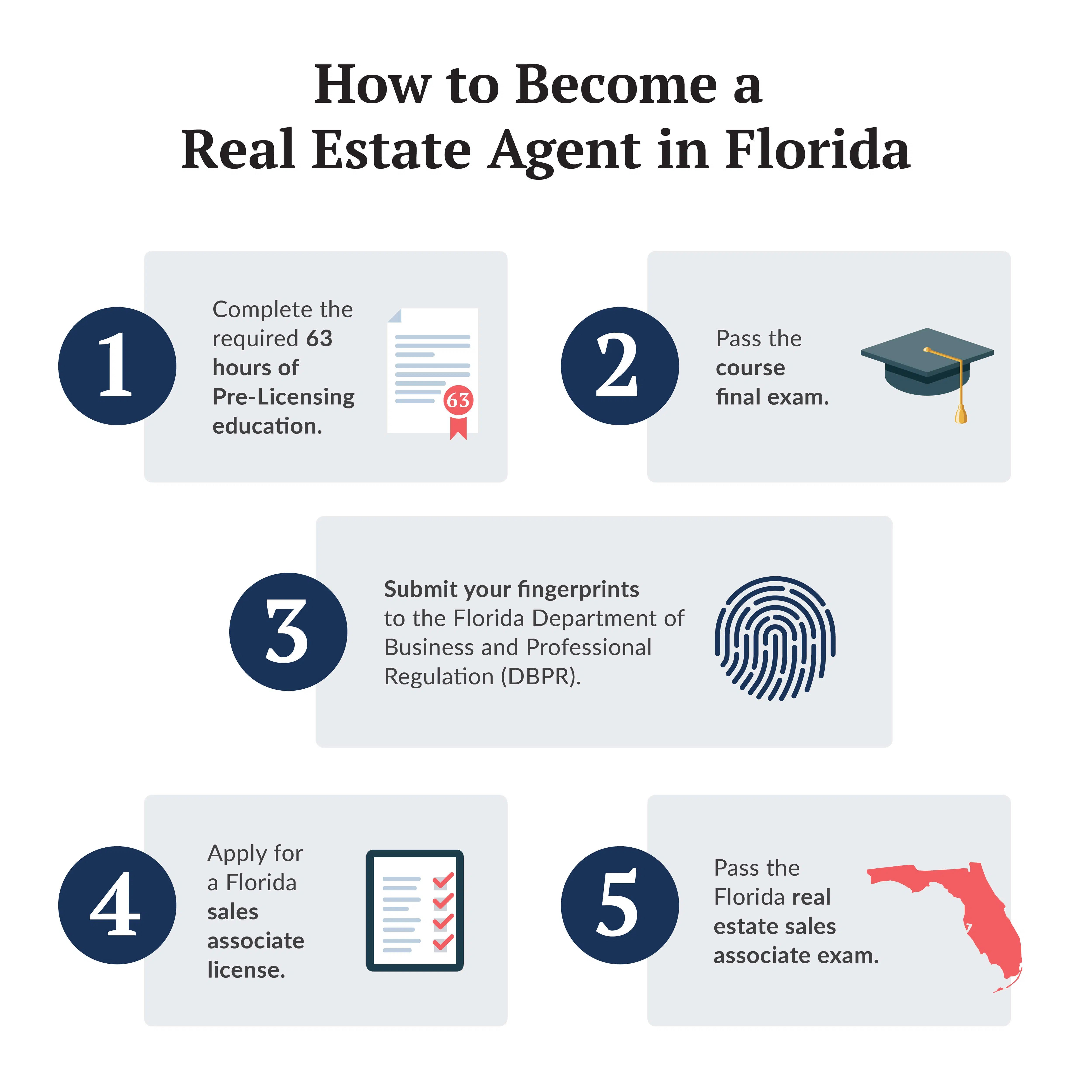
Your formal journey begins with the application for licensure through the Florida Department of Business and Professional Regulation (DBPR).
- Submit Your Application: You can apply online via the DBPR’s official website. Be prepared to provide personal details, educational background, and a comprehensive disclosure of any criminal history. Ensure all information is accurate and complete to avoid delays. The application also requires a fee, which is subject to change, so always check the current rates on the DBPR website.
- Fingerprinting and Background Check: As part of the application, you must undergo a fingerprint-based background check. This is done through a DBPR-approved vendor. Schedule your appointment promptly after submitting your application, as processing times can vary. The results of this check are electronically sent directly to the DBPR. This crucial step ensures that all licensees meet the ethical standards required to handle sensitive client information and significant financial transactions in the real estate market, from securing luxury resort bookings to managing long-term accommodation agreements.

Mastering Your Pre-Licensing Education
Education is the bedrock of your real estate career, equipping you with the essential knowledge of Florida real estate law, practices, and ethics.
- Complete the 63-Hour Sales Associate Pre-License Course: This mandatory course covers a wide array of topics crucial for any aspiring real estate professional. Key areas include:
- Real Estate Law: Understanding contracts, agency relationships, property rights, and fair housing laws.
- Property Types: Familiarity with residential, commercial, industrial, agricultural, and special-purpose properties, including those often sought by tourists and investors like condominiums, timeshares, and vacation rentals.
- Valuation and Appraisal: Learning how properties are valued, a critical skill when advising clients on investments in areas ranging from bustling urban centers to serene coastal retreats.
- Financing: The fundamentals of mortgages, loans, and other financial instruments.
- Ethical Practices: Adherence to the highest standards of professional conduct and FREC rules.
- Pass the End-of-Course Exam: Upon completing the 63-hour curriculum, you must pass an end-of-course examination administered by your approved real estate school. A passing score of 70% or higher is typically required. You will usually have a limited number of attempts to pass this exam, so thorough preparation is key.
Conquering the Florida Real Estate Sales Associate Exam
The final hurdle before licensure is the state examination, a comprehensive test of your acquired knowledge.
- Schedule Your Exam: Once your application is approved by the DBPR (meaning your background check is clear and your education is verified), you will receive an authorization to schedule the Florida Real Estate Sales Associate Exam. The exam is administered by Pearson VUE, a professional testing service. You can schedule your exam online or by phone.
- Exam Format and Content: The state exam is a challenging, computer-based test consisting of 100 multiple-choice questions. You are allotted 3.5 hours to complete it. The questions cover both the general real estate principles and practices common across the United States and specific Florida real estate law.
- Passing Score: To pass the Florida Real Estate Sales Associate Exam, you must achieve a score of 75% or higher. If you do not pass on your first attempt, you can re-take the exam as many times as needed, though there is a waiting period (often 24 hours) and a re-examination fee for each attempt. Many successful agents recommend intensive study, practice exams, and potentially enrolling in exam prep courses to maximize your chances of passing.
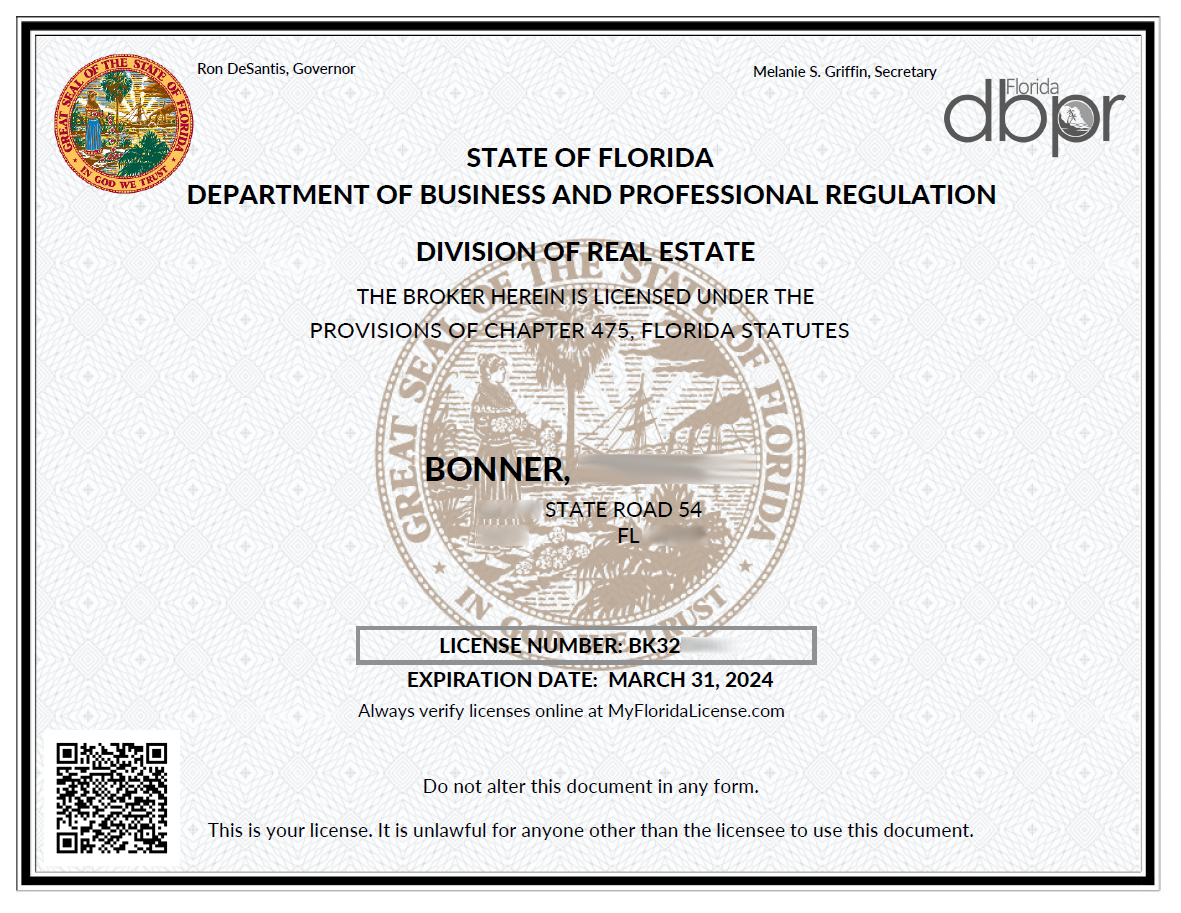
Upon successfully passing the state exam, your license will be automatically activated, allowing you to begin your exciting career. However, the learning and regulatory obligations don’t stop there.
Sustaining Your Success: Post-Licensing and Beyond
Obtaining your initial license is a significant achievement, but maintaining it and continually enhancing your expertise are vital for a successful and lasting career in Florida’s dynamic real estate landscape.
Essential Post-Licensing Education Requirements
Your initial license is provisional in a sense, as Florida requires new licensees to complete additional education to ensure they are well-prepared for the complexities of the profession.
- 45-Hour Post-Licensing Course: Within your first renewal period (before your initial license expires, typically 18-24 months after licensure), you must complete a 45-hour post-licensing course. This course delves deeper into practical aspects of real estate practice, going beyond the foundational knowledge of the pre-licensing course. Topics often include advanced contract law, financing strategies, property management for various accommodation types (from vacation villas to long-term apartments), and effective marketing techniques for the diverse Florida market.
- Consequence of Non-Completion: Failure to complete this 45-hour course before your first license renewal will result in your license becoming null and void. This means you would have to start the entire licensing process from the beginning, including retaking the 63-hour pre-licensing course and the state exam. Therefore, it is imperative to prioritize this post-licensing education.
The Commitment to Continuing Education
After successfully completing your post-licensing requirements, all Florida real estate licensees must engage in ongoing education to keep their knowledge current and maintain their professional edge.
- 14 Hours Every Two Years: For every subsequent renewal cycle (every two years), you are required to complete 14 hours of continuing education (CE). These 14 hours must include:
- 3 hours of Core Law: Updates on Florida real estate law, rules, and ethics.
- 3 hours of Ethics and Business Practices: Reinforcing professional conduct and ethical decision-making.
- 8 hours of Specialty Education: Elective courses on various real estate topics. This is where you can tailor your learning to your specialization, whether it’s luxury homes in South Florida, investment properties in Orlando, or commercial real estate development in Tampa. Staying updated ensures you can competently advise clients on the latest market trends, regulations for vacation rentals, or changes in local tourism initiatives.
These continuing education requirements are not merely bureaucratic hurdles; they are opportunities to refine your skills, adapt to market changes, and further specialize in areas that align with Florida’s unique real estate landscape, from resort properties to long-term stay accommodation solutions.
Understanding the Costs and Timeline for Licensure
Embarking on a new career path always involves an investment of both time and money. Understanding these commitments upfront can help you plan effectively.
Typical Costs (Estimates, subject to change):
- Pre-Licensing Course: $150 – $500 (can vary based on in-person vs. online, school reputation).
- Application Fee: $83.75 (payable to DBPR).
- Fingerprinting Fee: $50 – $80.
- State Exam Fee: $36.75 per attempt (payable to Pearson VUE).
- Post-Licensing Course: $100 – $300.
- Continuing Education: $20 – $50 per 3-hour course or package deals.
- Exam Prep Materials (Optional but Recommended): $50 – $200.
In total, expect an initial investment ranging from approximately $500 to $1,000 to get fully licensed, not including ongoing CE costs.
Timeline:
The time it takes to get licensed can vary significantly based on your dedication and schedule:
- Pre-Licensing Course: Minimum of 63 hours, but many complete it over 2-4 weeks (full-time) or 1-3 months (part-time).
- Application & Fingerprinting: Processing can take 1-4 weeks, especially if there are background check complexities.
- State Exam: Can be scheduled as soon as your application is approved, but studying for it typically takes 1-3 weeks after course completion.
Realistically, most individuals can go from starting their pre-licensing course to receiving their license within 2 to 4 months if they are consistent and proactive. However, it can take longer depending on personal circumstances and study pace.
A Thriving Career and Lifestyle in the Sunshine State
A Florida real estate license is more than just a piece of paper; it’s a passport to a profession filled with diverse opportunities and a lifestyle often envied by others.
The Diverse Opportunities Awaiting You
The Florida real estate market is incredibly varied, allowing you to carve out a niche that excites you:
- Residential Sales: Helping individuals and families find their dream homes, from suburban sanctuaries to urban dwellings, or even luxury properties that double as vacation rentals.
- Commercial Real Estate: Working with businesses to buy, sell, or lease office spaces, retail storefronts, industrial warehouses, or even lucrative hospitality properties like hotels and resorts.
- Property Management: Managing rental properties for owners, a critical service in a state with a high volume of seasonal residents and investment properties. This often includes short-term vacation rentals, catering to the massive tourism industry.
- Investment Properties: Guiding investors, both domestic and international, in acquiring properties for rental income, long-term appreciation, or development. This could involve anything from single-family homes to multi-unit apartment buildings or even raw land for future projects near burgeoning tourism hubs.
- Luxury Real Estate: Specializing in high-end properties in exclusive areas like Palm Beach, Naples, or Miami Beach, catering to clients seeking opulent lifestyles and premium amenities.
- International Clients: With Florida’s global appeal, many agents specialize in assisting international buyers, particularly in cities like Miami, which serves as a gateway to Latin America and Europe. This role often involves understanding different cultural nuances and investment goals.
Each of these specialties offers unique challenges and rewards, providing ample scope for professional growth and financial success within the state’s vibrant economy.
Lifestyle Benefits of a Florida Real Estate Career
Beyond the financial prospects, a career in Florida real estate offers significant lifestyle advantages:
- Flexibility and Autonomy: Many real estate professionals enjoy the flexibility of setting their own hours, managing their own schedules, and being their own boss. This autonomy allows for a better work-life balance, giving you time to enjoy Florida’s endless attractions, from its world-class beaches and national parks to its diverse cultural events and culinary scene.
- High Earning Potential: Your income is directly tied to your efforts, dedication, and ability to build strong client relationships. Successful agents in Florida’s robust market can achieve substantial incomes, offering financial freedom and the ability to enjoy the state’s luxury lifestyle options.
- Dynamic Work Environment: Every day is different. You’ll meet a diverse range of people, explore various properties – from charming historic homes to modern apartments – and constantly learn new things. This keeps the job engaging and prevents monotony, aligning perfectly with a lifestyle that values exploration and new experiences.
- Networking Opportunities: The real estate industry is highly collaborative. You’ll build relationships with clients, fellow agents, brokers, lenders, inspectors, and other professionals, expanding your network and opportunities.
- Contribution to Community: You play a pivotal role in helping individuals and families achieve their dreams of homeownership or successful investment. This connection to the community and the satisfaction of helping others navigate significant life decisions is deeply rewarding, whether it’s finding a family a holiday villa or securing a new local business a long-term commercial lease.
Getting a real estate license in Florida is an investment in your future, opening doors to a fulfilling career and the opportunity to thrive in one of the most desirable locations in the world. With dedication, persistence, and a passion for helping others, you can unlock a world of possibilities in the Sunshine State’s exciting property market.
LifeOutOfTheBox is a participant in the Amazon Services LLC Associates Program, an affiliate advertising program designed to provide a means for sites to earn advertising fees by advertising and linking to Amazon.com. Amazon, the Amazon logo, AmazonSupply, and the AmazonSupply logo are trademarks of Amazon.com, Inc. or its affiliates. As an Amazon Associate we earn affiliate commissions from qualifying purchases.