
Navigating the process of obtaining official identification can often feel like a complex journey, especially when you’re new to a state or perhaps just need to update your existing credentials. For those residing in or planning to spend significant time in the Centennial State, understanding how to get a state ID in Colorado is a practical necessity. Whether you’re relocating for a new job opportunity, settling into a charming mountain town, or simply enjoying the vibrant lifestyle offered by cities like Denver or Boulder, a state-issued identification card is your key to unlocking a myriad of services and participating fully in daily life.

This guide aims to demystify the process, providing you with a clear roadmap to acquiring your Colorado state ID. We’ll cover everything from eligibility requirements and the necessary documentation to where you need to go and what to expect during your visit to a Colorado Department of Revenue (CDOR) office. Think of this as your essential companion, akin to a well-researched travel guide before embarking on an exciting trip to a new destination, or a comprehensive accommodation booking platform helping you find the perfect stay. Just as you’d research the best resorts in the Rocky Mountains or the most authentic local cuisine in Fort Collins, understanding the administrative steps for identification is a fundamental part of settling in and experiencing all that Colorado has to offer, from its breathtaking natural landmarks to its unique cultural experiences.
Understanding the Colorado State ID and Its Importance
A state identification card, often referred to as a Colorado identification card or simply a state ID, is a crucial document issued by the Colorado Department of Revenue, Division of Motor Vehicles (DMV). It serves as a primary form of identification for residents who do not possess a driver’s license. This card is invaluable for a wide range of everyday activities, proving your identity and residency within the state.
Who Needs a Colorado State ID?
The need for a state ID can stem from various life circumstances. For new residents, it’s often one of the first administrative tasks to complete after establishing residency. This includes individuals who:
- Are new to Colorado and need official identification.
- Are above the legal driving age and choose not to obtain a driver’s license.
- Are under the age of 21 and require a valid ID for age verification purposes (e.g., purchasing certain items, entering age-restricted venues, or traveling).
- Are seeking employment and require a verifiable form of identification.
- Need to open a bank account or access other financial services.
- Wish to register to vote.
- Are students attending a university or college in Colorado and require proof of identity.
- Are international visitors who need to establish a local identity for various needs beyond their passport.
Think of this ID as your passport to fully engaging with the lifestyle of Colorado. It’s as essential as booking the right accommodation for a memorable trip or planning an itinerary filled with fascinating attractions.
The Benefits of Having a State ID
Possessing a Colorado state ID offers numerous advantages that simplify daily life and ensure you can access essential services without a hitch. These benefits include:
- Proof of Identity: It’s a universally accepted form of identification for proving who you are.
- Age Verification: Essential for individuals under 21 needing to confirm their age.
- Access to Services: Required for opening bank accounts, applying for jobs, enrolling in educational institutions, and accessing government services.
- Travel: While not a substitute for a passport for international travel, it can be used for domestic flights within the United States when accompanied by other required documents, or for age verification at airports.
- Voting: A valid state ID can be used as a form of voter identification in Colorado.
- Convenience: It’s a compact and easy-to-carry alternative to a driver’s license for those who don’t drive.
Much like having a well-planned travel guide that highlights the best destinations and experiences, your state ID is your practical tool for navigating your new or current home in Colorado.
Eligibility Requirements and Necessary Documentation
Before you embark on your journey to get a Colorado state ID, it’s crucial to understand the eligibility criteria and gather all the required documents. The Division of Motor Vehicles (DMV) has specific guidelines to ensure the integrity of the identification process.
Residency and Citizenship Status
To obtain a Colorado state ID, you must meet certain residency and legal presence requirements. Generally, you will need to prove that you are a resident of Colorado and that you are legally present in the United States.
- Proof of Residency: This typically requires submitting documents that show you live at a Colorado address. Examples include utility bills, lease agreements, bank statements, or mail from government agencies addressed to you at your Colorado residence.
- Proof of Legal Presence: This involves demonstrating your lawful presence in the United States. This could be through a U.S. birth certificate, a U.S. passport, a Certificate of Citizenship, a Certificate of Naturalization, or an Employment Authorization Document (EAD) for non-citizens.
Required Documents for Application
The DMV requires a specific set of documents to verify your identity, date of birth, social security number, and residency. It’s highly recommended to bring original documents or certified copies. The exact list can vary slightly depending on your individual circumstances, but generally, you will need:
1. Proof of Identity and Date of Birth
You need one document from this category. Accepted documents include:
- U.S. Birth Certificate: Must be original or certified copy from the issuing vital statistics office.
- U.S. Passport: Valid and unexpired.
- Foreign Passport: Must be valid and unexpired, and accompanied by a U.S. visa or I-94 form if applicable.
- Certificate of Citizenship or Naturalization: Original or certified copy.
- Employment Authorization Document (EAD): Valid and unexpired.
2. Proof of Social Security Number (SSN)
You need one document showing your Social Security Number. If you do not have an SSN, you will need to provide proof of ineligibility. Accepted documents include:
- Social Security Card: Original card.
- W-2 Form: Must show your full Social Security Number.
- SSA-1099 Form: Must show your full Social Security Number.
- Letter from the Social Security Administration: Stating you are ineligible for an SSN.
3. Proof of Colorado Residency
You need two different documents that establish your residency in Colorado. These documents must be current and show your name and Colorado address. Examples include:

- Utility Bills: Electricity, gas, water, or trash bills dated within the last 60 days.
- Lease Agreement or Mortgage Statement: Current and signed.
- Bank Statements or Credit Union Statements: Dated within the last 60 days.
- Mail from a Government Agency: Such as tax notices or correspondence from the Social Security Administration.
- School Records: Transcripts or enrollment verification from a Colorado school.
- Pay Stubs: Showing your Colorado address.
Important Note: Ensure all your documents are current and accurately reflect your name and address. Any discrepancies could lead to delays in processing your application. Think of this preparation phase like packing for a trip; having everything in order ensures a smooth experience, much like arriving at a beautiful resort without any packing mishaps.
The Application Process: Step-by-Step Guide
Once you have all your documentation in order, the next step is to navigate the application process itself. This involves visiting a Driver License office, completing the necessary forms, and undergoing a verification process.
Step 1: Locate a Driver License Office
The first practical step is to find a Driver License office that handles identification card applications. You can find a list of offices and their operating hours on the official Colorado Department of Revenue website. It’s advisable to check the specific services offered at each location, as some offices may have appointment-only policies or specific days for ID card issuance. Planning your visit to a convenient location, perhaps near your favorite local attraction or a hotel you enjoyed during a recent stay like the Brown Palace Hotel and Spa, can make the process more efficient.
Step 2: Complete the Application Form
At the Driver License office, you will be provided with an application form for a Colorado Identification Card. This form will require you to provide personal information such as your name, address, date of birth, and other details. Ensure you fill out the form accurately and legibly. You can often download and preview this form from the DMV website beforehand to familiarize yourself with its contents.
Step 3: Submit Documentation and Verification
This is where you present the original documents you gathered in the previous step. The DMV staff will meticulously review your documents to verify your identity, date of birth, social security number, and Colorado residency. They will scan your documents and may ask you to confirm certain details. This process is similar to how a travel agency verifies your booking details before confirming a luxury villa or a suite at a renowned hotel.
Step 4: Photo and Signature
Once your documentation is verified, you will have your photograph taken for the identification card. You will also be asked to provide your signature, which will appear on the card. It’s a good idea to have a neat appearance for your photo, much like you would for a profile picture on a travel booking site.
Step 5: Pay the Fee
There is a fee associated with obtaining a Colorado state ID. The exact amount can be found on the DMV website, and it’s subject to change. You will need to pay this fee at the office. Accepted payment methods typically include cash, check, or credit/debit cards.
Step 6: Receive Your ID Card
After completing all the steps and payment, you will typically be issued a temporary identification card on the spot. Your permanent Colorado state ID card will be mailed to your Colorado address within a few weeks. This is a crucial step in fully integrating into the Colorado community, similar to how receiving your hotel confirmation allows you to finalize your travel plans and look forward to your stay.
Special Considerations and Tips for a Smooth Process
Navigating any administrative process can present unique challenges. Here are some additional considerations and tips to ensure your experience obtaining a Colorado state ID is as smooth and efficient as possible.
Age-Specific Requirements
- For Minors (Under 16): Applicants under the age of 16 must be accompanied by a parent or legal guardian who can provide their own identification. The parent or guardian will need to sign the application, attesting to the minor’s identity and residency.
- For Applicants Under 21: The state ID will clearly indicate that the holder is under 21. This is important for age-restricted purchases or access to venues, much like age restrictions for certain experiences or tours.
Name Changes
If your name has been changed due to marriage, divorce, or legal action, you will need to provide legal documentation to support the name change. This could include a marriage certificate, divorce decree, or court order. Ensure these documents are original or certified copies.
Real ID Compliance
Colorado offers Real ID-compliant identification cards. If you plan to use your ID for federal purposes, such as boarding domestic flights after the federal enforcement date or entering certain federal facilities, you will need to obtain a Real ID-compliant card. The documentation requirements for a Real ID are stricter, so be sure to check the DMV website for specific details if this applies to you. This is akin to choosing a specific type of accommodation based on your needs, like a family suite versus a business-friendly room.
Renewing or Replacing Your ID
If your current Colorado state ID has expired, been lost, stolen, or damaged, you can apply for a renewal or replacement. The process is similar to the initial application, but you will need to provide your old ID or a police report if it was stolen. Keep your ID in a safe place, just as you would valuable travel documents, to avoid the hassle of replacement.
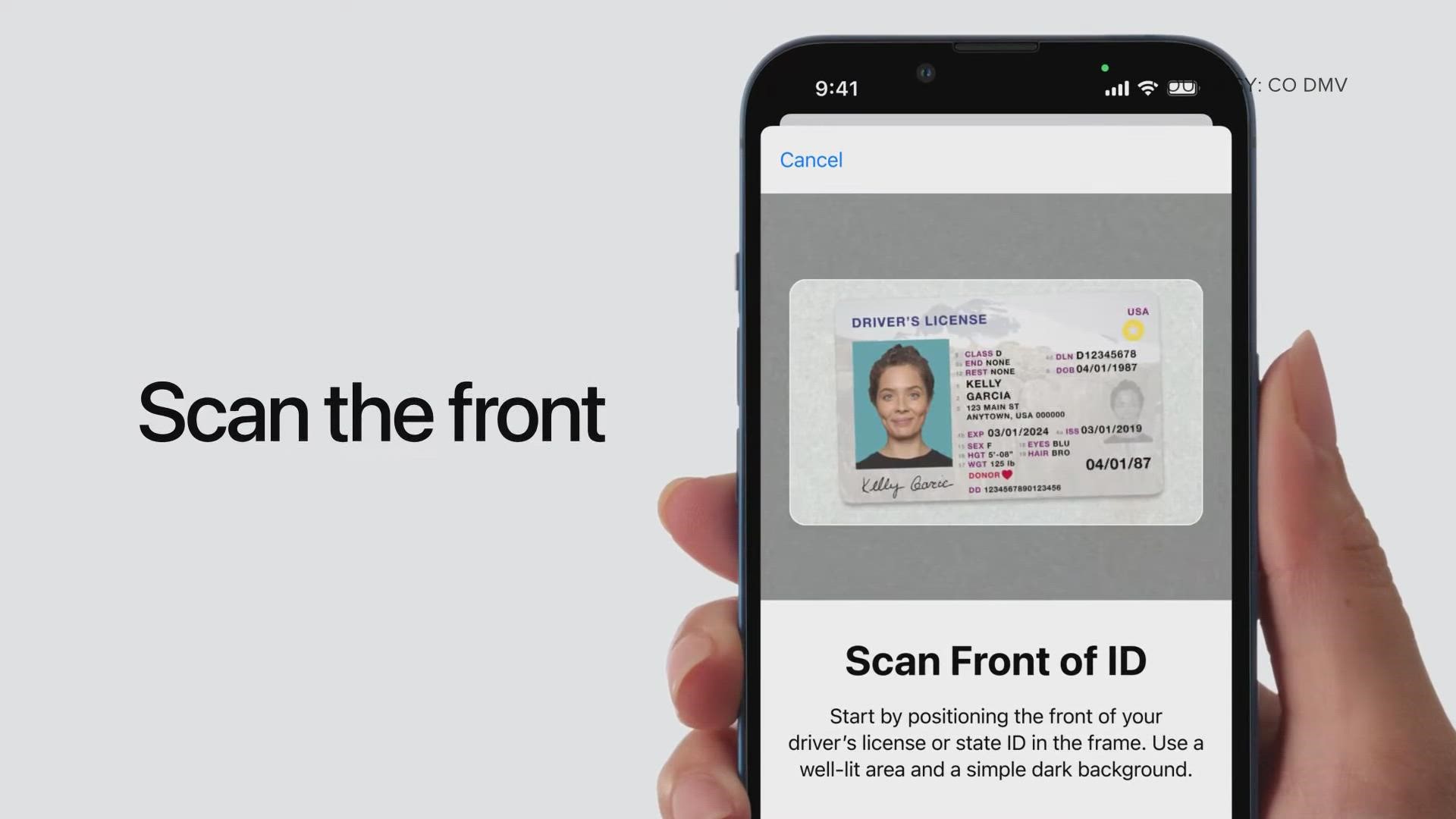
Tips for a Successful Visit:
- Schedule an Appointment: Many Driver License offices allow or require appointments. Booking in advance can significantly reduce your wait time, especially in busy urban areas like Aurora or during peak seasons when people are often traveling to or from Colorado for its renowned ski resorts or summer festivals.
- Check the DMV Website: The Colorado Department of Revenue website is your best resource for the most up-to-date information on requirements, fees, office locations, and appointment scheduling. It’s as essential as consulting a detailed travel guide for a new city.
- Arrive Early: Even with an appointment, arriving a little early can give you time to settle in and complete any preliminary paperwork.
- Bring Originals: Always bring original or certified copies of your documents. Photocopies are generally not accepted.
- Be Prepared for Wait Times: Despite best efforts, wait times can still occur, particularly at larger offices or during busy periods. Patience is key, much like waiting for the perfect view at a landmark or a table at a popular restaurant.
- Have a Backup Plan: If possible, have a flexible schedule for the day you plan to apply. This can help accommodate any unexpected delays.
Obtaining your Colorado state ID is a manageable process when you are well-prepared. This document will serve as your official key to unlocking many of the conveniences and opportunities that life in the Centennial State has to offer, from exploring its stunning natural beauty to enjoying its diverse cultural landscape.