
California, often referred to as the Golden State, beckons with its vibrant economy, unparalleled innovation, and a lifestyle synonymous with opportunity and adventure. For many professionals worldwide, the dream of working amidst the tech hubs of Silicon Valley, the entertainment industry of Hollywood, or the burgeoning sectors across its diverse cities is a powerful aspiration. However, realizing this dream requires navigating the intricate landscape of United States immigration law, particularly the process of obtaining a work permit. This comprehensive guide will demystify the journey, offering a clear roadmap for securing your legal authorization to work in California, while also touching upon the incredible lifestyle and travel experiences that await.
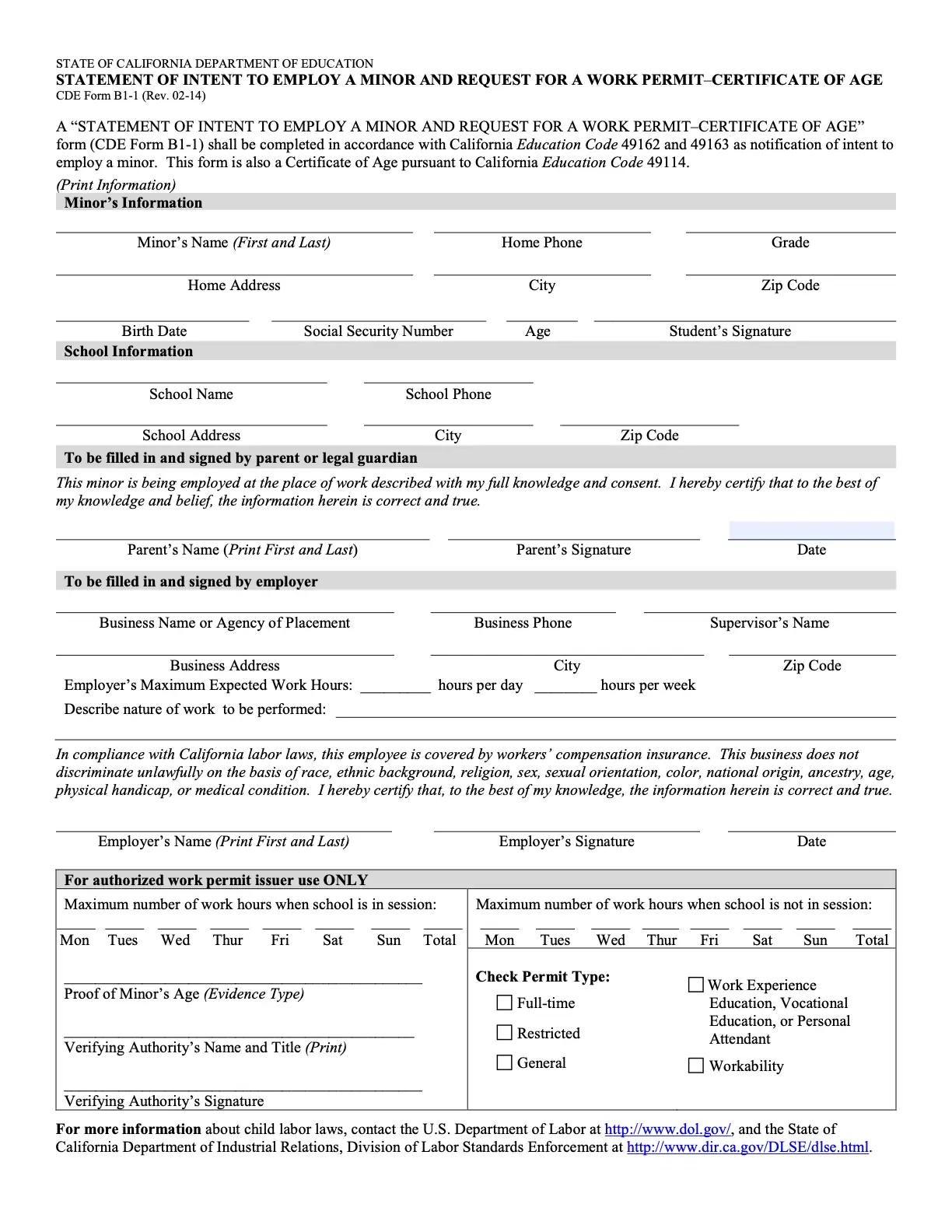
Obtaining a work permit in the US is not a direct application for a “permit” but rather a process of securing an appropriate employment-based visa or status that authorizes you to work. The specific path you take will depend on your skills, educational background, the type of job you’ve been offered, and whether you have an employer willing to sponsor you. Understanding these fundamental distinctions is the first crucial step towards making your professional ambitions in California a reality. This journey, while complex, is incredibly rewarding, opening doors to world-class career opportunities and access to some of the most breathtaking landmarks and tourism experiences on the planet.
Understanding US Work Permits: The Gateway to California
The United States immigration system offers various categories of non-immigrant visas for individuals seeking to work temporarily, as well as immigrant visas for those aspiring for permanent residency. For most foreign nationals aiming to work in California, the initial focus will be on non-immigrant work visas. Each visa category has specific eligibility criteria, application procedures, and limitations on duration and type of employment.
Different Paths to Employment: Visa Categories
Choosing the correct visa category is paramount. Here are some of the most common non-immigrant work visas that allow individuals to work in the US, many of which are frequently utilized by those coming to California:
- H-1B Visa (Specialty Occupations): This is perhaps the most well-known visa for skilled foreign workers. It’s designed for individuals in “specialty occupations,” which generally require a bachelor’s degree or higher in a specific field. Fields often include IT, engineering, medicine, science, and more. A job offer from a US employer is mandatory, and the employer must sponsor the visa. The annual cap on new H-1B visas makes it highly competitive, often requiring a lottery system.
- L-1 Visa (Intracompany Transferee): Ideal for employees of international companies who are being transferred to a parent, subsidiary, affiliate, or branch office in the United States. There are two subcategories: L-1A for managers and executives, and L-1B for employees with specialized knowledge. This visa does not have an annual cap, making it a viable option for multinational corporations looking to move talent to their California operations.
- O-1 Visa (Individuals with Extraordinary Ability or Achievement): This visa is for individuals who possess extraordinary ability in the sciences, arts, education, business, or athletics, or who have a demonstrated record of extraordinary achievement in the motion picture or television industry and have been recognized nationally or internationally for those achievements. Proving “extraordinary ability” requires extensive documentation of awards, publications, leading roles, and high remuneration. Hollywood in California is a prime destination for O-1 visa holders.
- P-1 Visa (Athletes and Entertainers): This visa is for internationally recognized athletes, athletic teams, or entertainment groups coming to the US to perform. It requires a significant level of achievement and international recognition.
- E-3 Visa (Specialty Occupation Professionals from Australia): Exclusively for Australian citizens coming to the US to work in a specialty occupation. Similar to the H-1B but less competitive due to its country-specific nature.
- TN Visa (NAFTA Professionals): Available for citizens of Canada and Mexico who are qualified to work in certain professional occupations. The process is typically simpler than other visas, often allowing application at a port of entry.
Beyond these non-immigrant options, some individuals may pursue an immigrant visa, commonly known as a Green Card, which grants permanent residency and work authorization. Employment-based Green Card categories (EB-1, EB-2, EB-3, etc.) are a long-term goal for many and involve a significantly more complex and lengthier process, often starting with a PERM labor certification from the Department of Labor.
Eligibility and General Requirements
Regardless of the specific visa category, several general requirements are common across most employment-based applications:
- Employer Sponsorship: For the vast majority of work visas, you will need a sponsoring US employer who files a petition on your behalf with USCIS (U.S. Citizenship and Immigration Services). The employer must demonstrate a legitimate need for your skills and, in some cases, prove that no qualified US workers are available for the position.
- Educational Qualifications: Most specialty occupation visas (like the H-1B) require a specific degree (e.g., Bachelor’s, Master’s, Ph.D.) that is directly related to the job. Foreign degrees often need to be evaluated by a credential evaluation service to determine their US equivalency.
- Specialized Skills and Experience: Beyond education, many visas demand a certain level of professional experience or specialized knowledge crucial to the role. This is particularly true for L-1B and O-1 visas.
- Proof of Non-Immigrant Intent (for Non-Immigrant Visas): For temporary work visas, applicants generally must demonstrate to a consular officer that they do not intend to abandon their foreign residence and will depart the US upon the expiration of their authorized stay. This can be tricky, especially if the applicant concurrently harbors immigrant intent (desire for a Green Card), though some visas like the H-1B and L-1 are considered “dual intent” visas, allowing for this flexibility.
- Clear Criminal Record and Health: Applicants must typically undergo background checks and medical examinations to ensure they do not pose a security or public health risk to the United States.
The Application Process: Navigating the Bureaucracy
The journey to obtaining a California work permit is a multi-step process involving various government agencies, primarily USCIS and the Department of State. Careful attention to detail and adherence to strict deadlines are crucial.
Key Steps for Employers and Applicants
The process generally unfolds as follows:
-
Employer Files a Petition: The employer first files a petition with USCIS on behalf of the foreign worker. The specific form depends on the visa type:
- Form I-129, Petition for a Nonimmigrant Worker: This form is used for H-1B, L-1, O-1, P-1, and TN visas. For H-1B, this often follows the submission and approval of a Labor Condition Application (LCA) to the Department of Labor, ensuring that the employer will pay the foreign worker at least the prevailing wage for their occupation in the geographic area of intended employment.
- Form I-140, Immigrant Petition for Alien Worker: Used for most employment-based Green Card categories. This typically follows a certified PERM Labor Certification.
-
Petition Processing by USCIS: USCIS reviews the petition. Processing times can vary significantly based on the visa type, current backlogs, and whether premium processing (an expedited service for an additional fee) is utilized. If approved, USCIS sends an I-797 Approval Notice.

-
Visa Interview at a US Embassy or Consulate Abroad (Consular Processing): If you are outside the United States when your petition is approved, you will proceed with consular processing. This involves applying for the visa stamp at a US Embassy or Consulate in your home country. You will typically complete the DS-160 online non-immigrant visa application, pay the fee, schedule an interview, and attend the interview. During the interview, a consular officer will verify your eligibility and intent. If successful, the visa stamp will be placed in your passport, allowing you to enter the US.
-
Adjustment of Status (if applicable): If you are already legally present in the United States under a different non-immigrant status (e.g., F-1 student, B-2 tourist), and your petition is approved, you may be able to apply for an Adjustment of Status with USCIS (Form I-485 for Green Card applications, or an I-129 change of status for non-immigrant visas). This allows you to change your immigration category without leaving the US. During the Adjustment of Status process for a Green Card, you may apply for an Employment Authorization Document (EAD) which grants interim work permission.
Essential Documentation
Gathering the correct documentation is a critical, time-consuming phase. A typical application packet will include:
- Valid Passport: Your passport must be valid for at least six months beyond your intended period of stay in the US.
- Nonimmigrant Visa Application Form (DS-160): Completed online, this form is essential for consular processing.
- Petition Approval Notice (Form I-797): Proof that USCIS has approved your employer’s petition.
- Educational Degrees and Transcripts: Official copies of all relevant academic qualifications.
- Curriculum Vitae/Resume: A detailed outline of your professional experience.
- Letters of Employment/Experience: From previous employers, detailing your roles and responsibilities.
- Marriage Certificate and Birth Certificates: If applying with dependents.
- Financial Documents: Proof of financial stability or employer’s ability to pay.
- Passport-style Photographs: Meeting specific US visa requirements.
- Medical Examination Report: Conducted by a panel physician approved by the US Embassy or Consulate.
- Police Clearance Certificates: From all countries where you have lived for a significant period.
Each visa type will have additional specific document requirements, making meticulous organization paramount.
Living and Working in California: A Lifestyle Perspective
Beyond the legalities of securing a work permit, moving to California involves embracing a new lifestyle and settling into one of the most dynamic states in the United States. The opportunity to work in California is also an invitation to experience its renowned culture, diverse communities, and breathtaking natural beauty.
Settling In: Accommodation and Daily Life
Once your work permit is secured, the next practical steps involve establishing your life in California.
- Accommodation: Finding suitable accommodation is often the first major challenge, particularly in major urban centers like San Francisco, Los Angeles, and San Diego, where housing costs can be significantly high. Many newcomers opt for temporary stays in hotels, serviced apartments, or short-term rentals upon arrival while they search for long-term options. Researching neighborhoods, understanding rental markets, and considering roommate situations are common strategies. Websites and local real estate agents can assist in finding anything from luxury suites to more budget-friendly apartments or even villas further afield.
- Cost of Living: While salaries in California’s high-demand industries are competitive, the cost of living, especially for housing, is among the highest in the US. Budgeting carefully for rent, utilities, transportation, and daily expenses is essential.
- Social Security Number (SSN): This nine-digit number is vital for working in the US, opening bank accounts, filing taxes with the Internal Revenue Service, and more. You can apply for an Social Security Number once you arrive in the US and have your work visa.
- Banking: Opening a local bank account is straightforward with your passport, visa, and Social Security Number.
- Driver’s License: If you plan to drive, you will need a California Driver’s License. This typically involves passing a written knowledge test and a behind-the-wheel driving test.
- Healthcare: Understanding the US healthcare system and securing health insurance is crucial. Most employers offer health insurance benefits, but it’s important to understand your coverage options.
Exploring California’s Riches: Travel and Tourism
Working in California means having access to an incredible array of travel and tourism opportunities right at your doorstep. The state is a global magnet for destinations and attractions, offering a diverse range of experiences that cater to every interest, from urban exploration to unparalleled natural beauty.
- Iconic Landmarks: Explore the architectural marvel of the Golden Gate Bridge in San Francisco, hike amidst the giant sequoias in Yosemite National Park, or soak up the sun on the beaches of Santa Monica Pier near Los Angeles. These are just a few of the famous landmarks that define the state.
- Theme Parks and Entertainment: Experience the magic of Disneyland Resort in Anaheim or immerse yourself in the movie magic at Universal Studios Hollywood. Hollywood itself offers a glimpse into the entertainment industry, with its famous Walk of Fame and iconic studios.
- Nature and Adventure: California’s diverse geography allows for skiing in Lake Tahoe in winter, surfing along its endless coastline, exploring the deserts of Joshua Tree National Park, or marveling at the towering trees in Redwood National Park. The scenic Pacific Coast Highway offers one of the world’s most breathtaking road trips.
- Culture and Cuisine: California boasts a rich local culture, influenced by its history, diverse population, and proximity to the Pacific Ocean. Its food scene is world-renowned, from farm-to-table restaurants in San Francisco to vibrant street food in Los Angeles, and the exquisite wine regions of Napa Valley and Sonoma.
- Sports and Activities: Engage in a wide array of activities, from professional sports events featuring teams like the Los Angeles Lakers or San Francisco 49ers, to outdoor pursuits like hiking, cycling, and water sports.
The work permit opens the door not just to a job, but to a rich tapestry of experiences that embody the Californian dream, blending professional growth with a vibrant and fulfilling lifestyle.

Important Considerations and Tips
Navigating US immigration law can be complex and intimidating. A few key considerations can significantly ease the process and help you maintain your legal status.
- Seek Legal Assistance: Given the intricacies of immigration law, retaining an experienced immigration attorney is highly recommended. They can guide you through selecting the correct visa, preparing documentation, responding to requests for evidence, and ensuring compliance with all regulations. Their expertise can be invaluable in avoiding common pitfalls and increasing your chances of success.
- Processing Times Vary: Be prepared for varying processing times, which can range from a few weeks to several months, or even years for certain Green Card categories. Plan your move accordingly and maintain patience.
- Dependents: Most employment-based visas allow for immediate family members (spouses and unmarried children under 21) to accompany the primary visa holder. For example, H-1B holders can bring dependents on an H-4 visa, and L-1 holders on an L-2 visa. In some cases (e.g., certain H-4 and L-2 visa holders), spouses may even be eligible to apply for an Employment Authorization Document (EAD), allowing them to work in the US.
- Maintain Your Status: It is crucial to strictly adhere to the terms of your visa and maintain your legal status throughout your stay. This includes not overstaying your authorized period, only working for the sponsoring employer (unless your visa allows otherwise), and informing USCIS of any significant changes (e.g., address, employer). Failing to maintain status can lead to serious immigration consequences.
- Visa Renewals and Extensions: Most non-immigrant work visas are for a limited duration. If you wish to continue working in California beyond your initial visa period, you will need to apply for an extension or renewal, often requiring a new petition from your employer. Planning ahead for renewals is essential.
- Travel Outside the US: While on a non-immigrant work visa, you generally have the flexibility to travel internationally. However, always ensure your visa and passport are valid, and carry your I-797 approval notice when re-entering the US.
In conclusion, obtaining a work permit in California is a journey that demands meticulous planning, adherence to legal procedures, and a clear understanding of the United States immigration system. While the path may seem challenging, the professional growth, cultural immersion, and incredible lifestyle opportunities that await in the Golden State make it a profoundly worthwhile endeavor. With the right preparation and expert guidance, your dream of living and working in California can become a vibrant reality, offering a career full of promise and a life rich in unforgettable experiences.