
Navigating the process of obtaining an Arizona ID can seem like a puzzle, especially for those new to the state or unfamiliar with its administrative procedures. Whether you’re a resident looking to update your identification, a newcomer establishing your roots, or a visitor planning an extended stay that requires official documentation, understanding the requirements and steps involved is crucial. This guide aims to demystify the process, drawing connections to various aspects of exploring and settling into the vibrant state of Arizona, from its breathtaking landmarks to its diverse accommodation options.
Understanding the Arizona ID and Its Significance
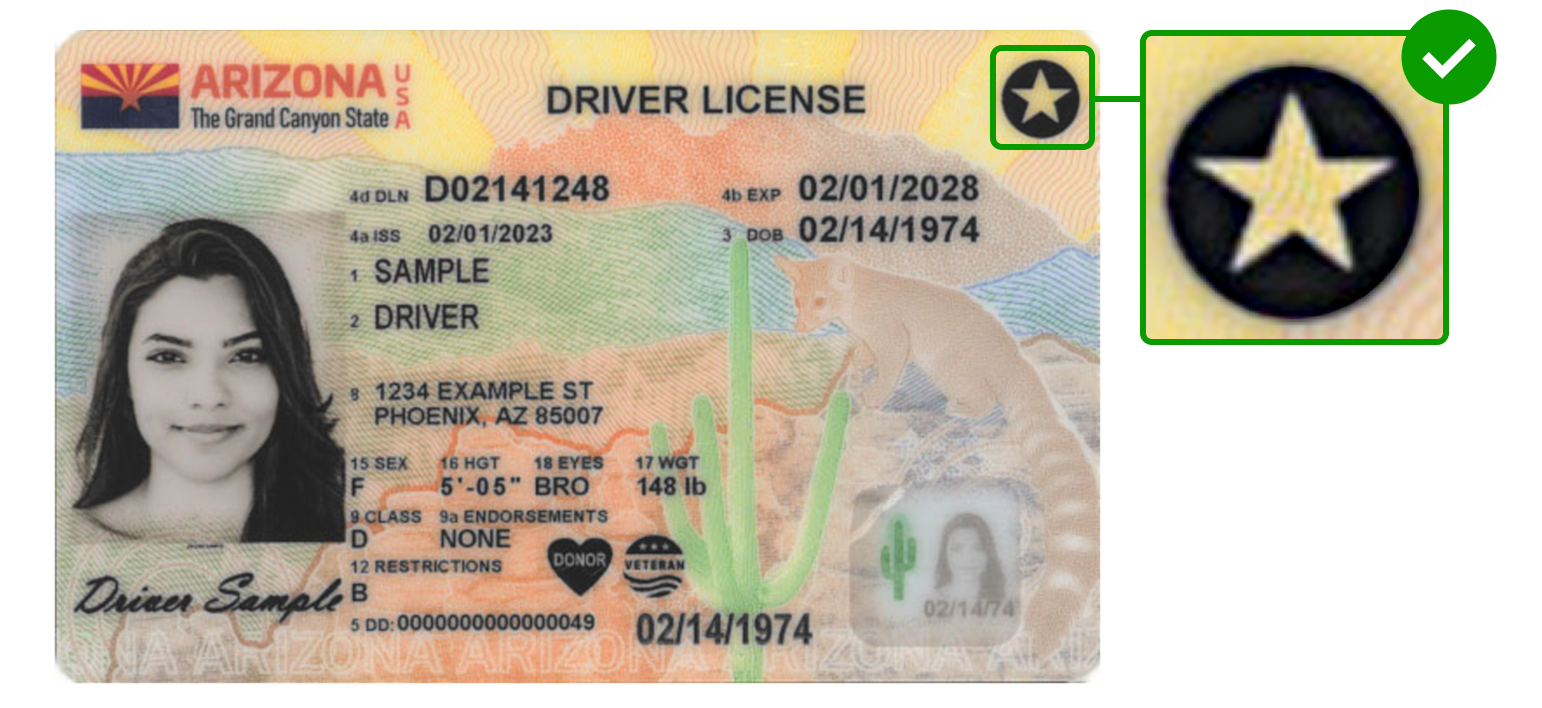
An Arizona identification card, issued by the Arizona Department of Transportation (ADOT), serves as a vital form of proof of identity and residency for individuals who do not possess a driver’s license. It’s more than just a plastic card; it’s your key to accessing a multitude of services and activities within the state. From opening a bank account and renting an apartment to enjoying local attractions and even purchasing certain age-restricted items, a valid Arizona ID is often a prerequisite. For travelers planning a longer sojourn in places like Sedona or Phoenix, or those considering a lifestyle change that involves settling down, an Arizona ID solidifies your connection to the state and its offerings.
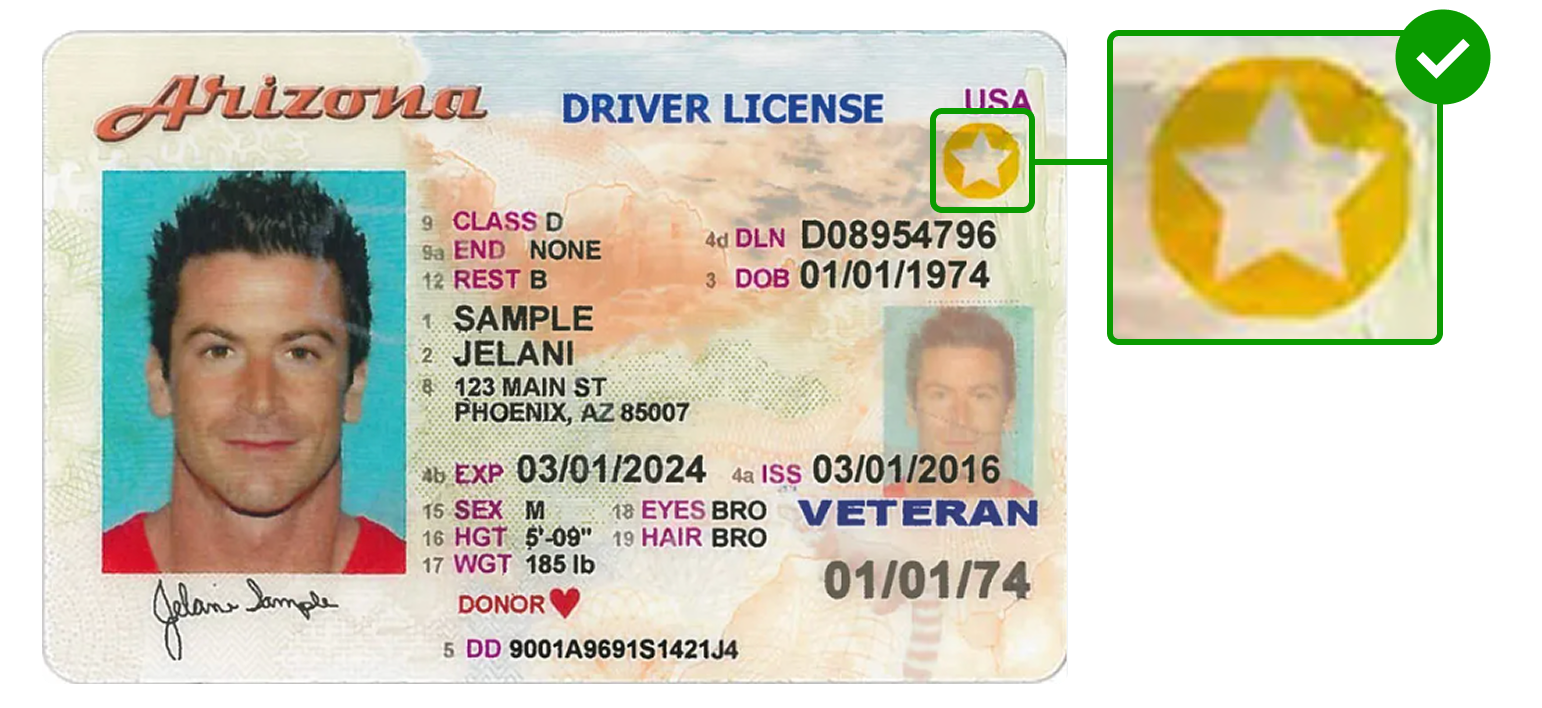
The significance of having a valid ID cannot be overstated, especially when considering the diverse experiences Arizona offers. Imagine exploring the majestic Grand Canyon National Park, a natural wonder that draws millions annually. Or perhaps you envision yourself enjoying the luxury resorts in Scottsdale, indulging in world-class amenities and spa treatments. For such experiences, and for many everyday transactions, your Arizona ID will be indispensable. It’s also a crucial document if you’re considering long-term accommodation, whether it’s a stylish apartment in Tucson or a sprawling villa in a desert oasis.
Who Needs an Arizona ID?
The Arizona ID card is designed for a broad spectrum of individuals. Primary among these are Arizona residents who do not drive or choose not to obtain a driver’s license but still require official identification. This includes:
- Minors: Young adults needing to prove their age for various activities or purchases.
- Non-Drivers: Individuals who don’t operate a motor vehicle but need to verify their identity for work, school, or financial purposes.
- New Residents: People who have recently moved to Arizona and need to establish residency for state-specific services and benefits. This is particularly relevant for those who have fallen in love with the lifestyle in places like Tempe or Chandler and plan to stay.
- International Visitors: Those on certain visas who require state-issued identification for the duration of their stay, especially if their travel plans extend beyond typical tourist excursions to areas like Flagstaff or Yuma.
Understanding your eligibility is the first step. The ADOT website provides detailed information on residency requirements, which are typically a crucial factor in the application process. For those contemplating a significant shift in lifestyle, perhaps embracing a budget-travel approach across the state or opting for a luxurious business stay, securing an Arizona ID is often a foundational step.
Types of Arizona ID Cards
While the core purpose of an Arizona ID card is to serve as official identification, ADOT offers different types to cater to specific needs:
- Standard Arizona ID Card: This is the most common type, used for general identification purposes by all eligible residents.
- Employment Authorization Card (EAC) Holder ID Card: For individuals holding a valid Employment Authorization Card from the U.S. Citizenship and Immigration Services.
- Non-Resident Alien ID Card: For individuals who are not U.S. citizens but are legally residing in Arizona and require state-issued identification. This is particularly relevant for international travelers considering longer stays or those exploring opportunities in cities like Glendale or Goodyear.
- Instructional Permit ID Card: A special ID card for minors aged 15 ½ to 18 who are learning to drive and need identification while holding an instructional permit.
Each of these cards has specific eligibility requirements and documentation needs. Familiarizing yourself with the type that best suits your situation will streamline the application process. For instance, if your travel plans involve exploring historical landmarks like the Mission San Xavier del Bac or embracing the local tourism scene in areas like Payson, having the correct ID is essential.
Gathering Necessary Documentation
The cornerstone of obtaining any official identification is presenting the correct documentation. The Arizona Department of Transportation (ADOT) has specific requirements to verify your identity, social security number, and residency within the state. Failing to have the right documents can lead to delays or rejection of your application. For new residents who might be settling into accommodation in places like Lake Havasu City or Kingman, this is a critical step.
Proof of Identity
You will need to provide at least one document that proves your identity. Acceptable documents include:
- Original or certified copy of a U.S. birth certificate.
- Valid U.S. Passport.
- Certificate of Naturalization.
- Certificate of U.S. Citizenship.
- Consular Report of Birth Abroad.
- Valid U.S. Permanent Resident Card.
- Valid foreign passport with a valid I-94 form and visa.
These documents are crucial for establishing your legal presence and identity. For those planning extended stays and exploring the diverse tourism offerings from the deserts to the mountains, having this foundational document is key.
Proof of Social Security Number
You must also present proof of your Social Security number. This can be in the form of:
- Social Security card.
- W-2 form (issued by an employer).
- Pay stub with your name and Social Security number.
- SSA-1099 form.
If you do not have a Social Security number, you may need to provide alternative documentation, such as a letter from the Social Security Administration stating you are ineligible. This is an important aspect for individuals from abroad looking to integrate into the Arizona lifestyle.
Proof of Arizona Residency
This is often the most challenging part for new residents or those whose documentation might not immediately reflect their Arizona address. You will need to provide at least two documents showing your physical residential address within the state. Examples include:
- Utility bills (electricity, gas, water) in your name, dated within the last 60 days.
- Bank statements or credit union statements, dated within the last 60 days.
- Mortgage statement or residential lease agreement.
- Mail from a federal, state, or local government agency.
- Insurance policy (homeowners, renters, or auto).
- Vehicle registration or title.
For those who have just arrived and are perhaps staying in temporary accommodation or looking at apartments in areas like Surprise or Maricopa, gathering these documents might require planning. If you are staying in a hotel temporarily, such as at the Arizona Biltmore, A Waldorf Astoria Resort, or exploring different types of accommodation like villas or suites, ensure you have documents that clearly demonstrate your primary residence. For example, a lease agreement for a long-term stay at an apartment complex in Gilbert would be ideal.
It’s essential to ensure that the name on your proof of identity documents matches the name on your proof of residency documents. If there have been any name changes (e.g., due to marriage), you may need to provide legal documentation of the name change.
The Application Process: Step-by-Step
Once you have meticulously gathered all the required documentation, the next step is to navigate the application process. This typically involves visiting an ADOT Motor Vehicle Division (MVD) office. Planning your visit and understanding the steps involved will ensure a smoother experience. This process is similar for anyone looking to establish their lifestyle in Arizona, whether it’s a budget travel adventure across its national parks or a luxury stay in a renowned resort.
Scheduling an Appointment and Visiting an MVD Office
It is highly recommended to schedule an appointment online or by phone before visiting an MVD office. Walk-in services can often have long wait times, and an appointment will help you save valuable time. You can find information on scheduling appointments and locating the nearest MVD office on the official ADOT website.
When you arrive at the MVD office, you will:
- Take a number and wait for your turn.
- Present your gathered documents to the MVD representative. The representative will review your documents to ensure they meet all requirements.
- Have your photograph taken. This photograph will appear on your Arizona ID card.
- Pay the required fee. The fee for an Arizona ID card varies, so it’s advisable to check the latest fee schedule on the ADOT website. Payment methods typically include cash, check, money order, and sometimes credit/debit cards.
- Receive a temporary ID card. You will be issued a temporary identification card on the spot, which is valid for a specific period.
Your permanent Arizona ID card will be mailed to your verified Arizona address within a few weeks. It’s crucial to keep your mailing address updated with ADOT if you move before receiving your card. This ensures your official documentation reaches you without issue, whether you’re settling into a new apartment in Oro Valley or have chosen a family trip destination in Sedona.
Special Considerations and Tips
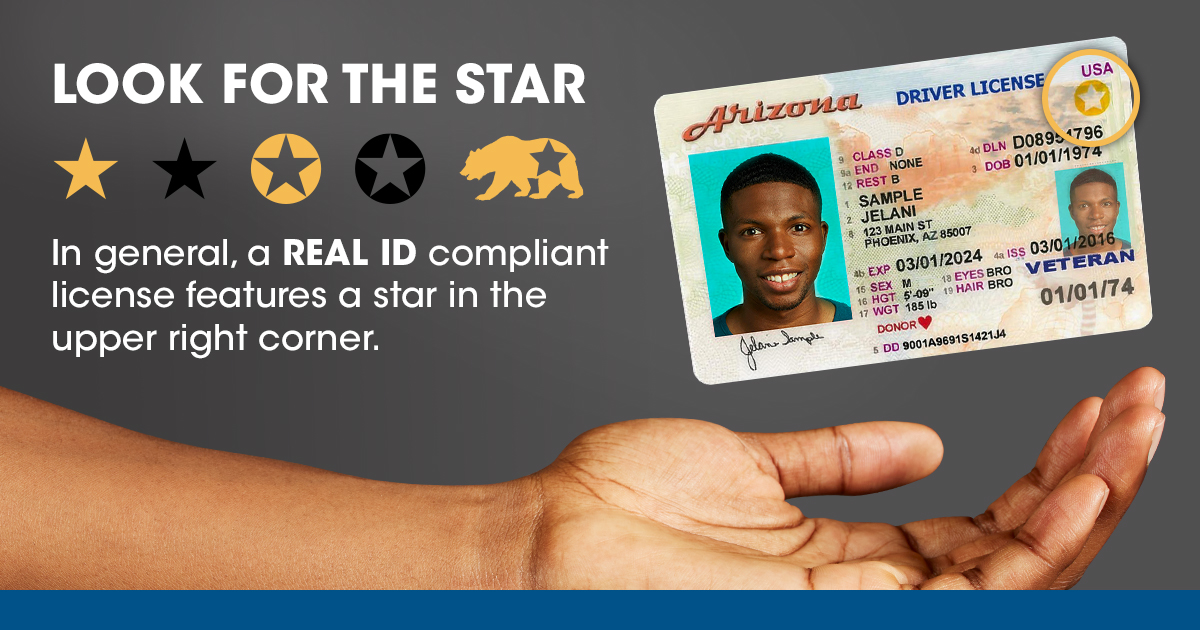
- Real ID Compliance: Many Arizona ID cards are now compliant with the federal REAL ID Act. This means they meet enhanced security standards and can be used for boarding domestic flights and entering certain federal facilities starting May 7, 2025. If you plan to fly domestically or visit federal buildings, ensure your ID is REAL ID compliant by bringing the necessary documentation. The requirements for REAL ID are stringent, so thorough preparation is key.
- Name Changes: If your legal name has changed since the issuance of your primary identity document (e.g., birth certificate), you must provide original or certified copies of the legal documents supporting the name change (e.g., marriage certificate, divorce decree, court order).
- Translation of Documents: If any of your required documents are not in English, you will need to provide a certified translation.
- Online Resources: The ADOT MVD website is an invaluable resource. It offers checklists for required documents, appointment scheduling, office locations, and answers to frequently asked questions. It’s always best to consult the official website for the most up-to-date information.
By carefully following these steps and ensuring you have all the necessary documentation, you can successfully obtain your Arizona ID. This will not only fulfill administrative requirements but also open doors to fully experiencing all that the vibrant and diverse state of Arizona has to offer, from its natural wonders and historical landmarks to its welcoming communities and varied lifestyle choices. Whether you’re here for a short visit to explore attractions like Antelope Canyon or planning a long-term stay and looking into accommodation options like resorts or apartments, having your Arizona ID is a fundamental step in your journey.