
Embarking on the journey to obtain a Commercial Driver’s License (CDL) in Florida is a significant step for anyone aspiring to a career in the trucking and transportation industry. This profession offers stability, good earning potential, and the opportunity to see diverse parts of the country, from the bustling beaches of Miami to the historical charm of St. Augustine. While the process might seem daunting, understanding the requirements and steps involved can make it a manageable and rewarding endeavor. This guide will walk you through everything you need to know to successfully obtain your CDL in the Sunshine State.
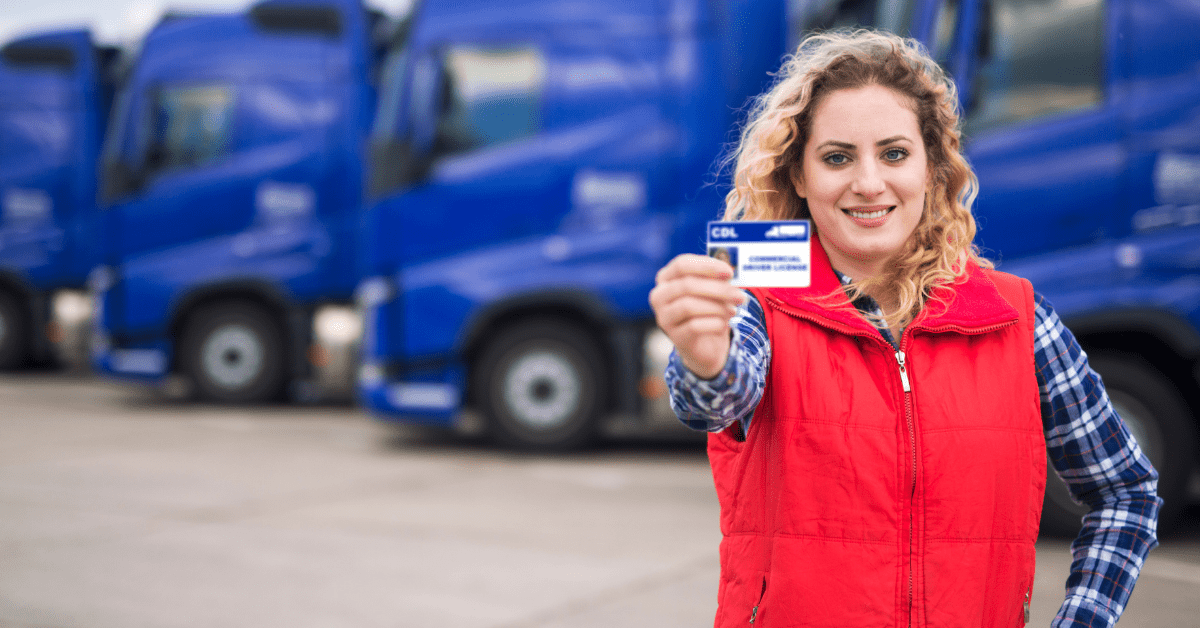
The first crucial aspect of getting your CDL is understanding the different types of licenses available. The Federal Motor Carrier Safety Administration (FMCSA) mandates a standardized system for CDL classifications, and Florida adheres to these regulations. Your choice of CDL type will depend on the vehicle you intend to drive and the type of cargo you will be hauling.
Understanding CDL Classifications and Endorsements
CDLs are generally categorized into three main classes: Class A, Class B, and Class C. Each class has specific requirements related to the Gross Vehicle Weight Rating (GVWR) of the vehicle and the combination of vehicles you plan to operate.
Class A CDL
A Class A CDL is required for drivers who will be operating any combination of vehicles with a Gross Combination Weight Rating (GCWR) of 26,001 pounds or more, provided the GVWR of the vehicle being towed is in excess of 10,000 pounds. This typically includes tractor-trailer combinations, often seen navigating the highways of Florida carrying large loads to and from destinations like Orlando or Tampa. If you envision yourself driving a semi-truck, this is the license you’ll need.
Class B CDL
A Class B CDL is necessary for drivers who will operate a single vehicle with a GVWR of 26,001 pounds or more, or a vehicle towing another vehicle with a GVWR not in excess of 10,000 pounds. This class covers vehicles such as straight trucks, dump trucks, and larger buses. For example, a sanitation worker in Jacksonville operating a large garbage truck would likely need a Class B CDL.
Class C CDL
A Class C CDL is for vehicles that do not meet the criteria for Class A or Class B but are intended to transport 16 or more occupants (including the driver) or are placarded for hazardous materials. This could include smaller buses or specialized vans.
Beyond the basic classes, there are also endorsements and restrictions that can be added to your CDL. Endorsements signify that you have passed additional tests and are qualified to operate specific types of vehicles or transport certain types of cargo. Common endorsements include:
- H Endorsement (Hazardous Materials): Required for transporting hazardous materials that require placards. This is crucial for many shipping operations in Florida, especially those servicing industries like agriculture or chemical manufacturing.
- P Endorsement (Passenger): Required for operating vehicles designed to transport 16 or more passengers, including the driver. This is essential for bus drivers, tour operators, and public transit employees in cities like Key West or Fort Lauderdale.
- S Endorsement (School Bus): A specific endorsement for school bus drivers, requiring additional training and background checks.
- T Endorsement (Double/Triple Trailers): For drivers who will be towing double or triple trailers.
- N Endorsement (Tank Vehicles): Required for operating tank vehicles designed to haul liquids or gaseous materials in bulk.
Understanding which class and endorsements align with your career goals is the first strategic step in your CDL journey.
The Path to Obtaining Your CDL in Florida
Once you’ve identified the appropriate CDL class and any necessary endorsements, you can begin the formal application process. This involves several key stages, all overseen by the Florida Department of Highway Safety and Motor Vehicles (FLHSMV).
Eligibility Requirements
Before you can even think about the tests, you must meet certain eligibility criteria. Generally, you must:
- Be at least 18 years old to drive commercially within Florida, and 21 years old to drive commercially across state lines (interstate commerce) or transport hazardous materials or passengers.
- Be a resident of Florida and provide proof of residency.
- Possess a valid, non-commercial Florida driver’s license.
- Meet the medical qualification standards set by the FMCSA. This is a critical step and requires passing a DOT physical examination administered by a certified medical examiner. You will need to obtain a Medical Examiner’s Certificate.
The Learner’s Permit Stage
The first official step in the CDL process is obtaining a Commercial Learner’s Permit (CLP). To do this, you will need to visit a Florida driver license service center. You will be required to:
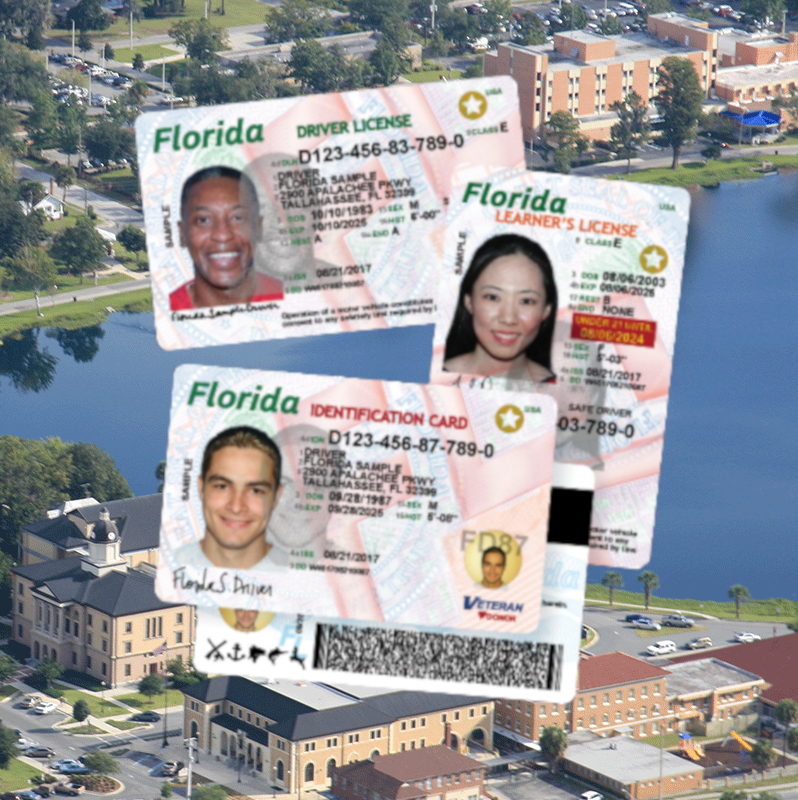
- Submit your completed application for a commercial driver license.
- Provide proof of identity, social security number, and Florida residency.
- Pass a vision test.
- Pass a knowledge test covering general commercial driving rules, safe driving practices, and specific information related to the class of CDL and any endorsements you are applying for. The handbook for commercial drivers, available from the FLHSMV, is your primary study resource for this exam.
- Pay the required fees.
Once you have your CLP, you are permitted to practice driving commercial vehicles, but you must be accompanied by a CDL holder with the appropriate class of license. This supervised practice is invaluable for gaining hands-on experience and building confidence before your road test. You must hold your CLP for at least 14 days before you can take the road test.
CDL Training Programs
While not strictly mandatory for all CDL applicants in Florida, enrolling in a certified CDL training program is highly recommended and often essential for success. These programs provide structured instruction on vehicle operation, pre-trip inspections, defensive driving techniques, and the specific skills required for the CDL skills test. They also offer invaluable real-world experience, preparing you for the demands of the profession.
There are numerous reputable CDL schools across Florida, with many located near major transportation hubs like Jacksonville or the industrial areas surrounding Lakeland. When choosing a program, consider:
- Accreditation and Reputation: Look for schools with good track records and positive reviews.
- Curriculum: Ensure the program covers all aspects of the CDL skills test and provides ample behind-the-wheel training.
- Instructor Experience: Experienced instructors can offer invaluable insights and guidance.
- Placement Assistance: Some schools offer assistance with job placement after graduation, which can be a significant benefit in launching your career.
Many trucking companies also offer their own training programs, often with a commitment for you to drive for them upon completion. This can be a cost-effective way to obtain your CDL, though it may involve a service agreement.
The CDL Skills Test
The final hurdle to obtaining your CDL is the skills test. This is a comprehensive examination that assesses your ability to safely operate a commercial vehicle. The skills test is divided into three parts:
- Pre-trip Inspection: You will be required to perform a thorough inspection of the vehicle you will be using for the test, identifying any potential defects or safety issues. This part of the test is crucial for demonstrating your understanding of vehicle maintenance and safety.
- Basic Controls Test: This section assesses your ability to maneuver the vehicle in a controlled environment, including tasks like backing into a parking space, turning, and stopping within a designated area.
- Road Test: This is the on-road portion of the test, where you will demonstrate your ability to operate the commercial vehicle safely in actual traffic conditions. An examiner will accompany you, observing your adherence to traffic laws, your awareness of your surroundings, and your overall driving proficiency.
You must bring the correct class of commercial vehicle for the skills test, equipped with the necessary endorsements for the license you are seeking. This vehicle should be properly registered, insured, and in good working order.
Upon successfully passing all three parts of the skills test, you will be issued your Commercial Driver’s License. Congratulations, you’ve earned it!
Maintaining Your CDL and Career Advancement
Obtaining your CDL is just the beginning of a rewarding career. To maintain your license and advance in the trucking industry, there are ongoing responsibilities and opportunities for growth.
Medical Certifications and Renewals
As mentioned earlier, the medical certification is a critical component of holding a CDL. You will need to periodically renew your DOT medical card. The duration of your medical certification typically depends on your age and any medical conditions you may have, but it is usually valid for one to two years. It is your responsibility to ensure your medical certification remains current. Failure to do so can result in the suspension of your CDL.

Continued Education and Skill Development
The transportation industry is constantly evolving with new technologies and regulations. To stay ahead, consider pursuing advanced training or endorsements. For example, obtaining a hazardous materials endorsement can open doors to more specialized and higher-paying driving positions. Participating in safe driving programs and staying updated on industry best practices will not only keep you safe but also make you a more valuable employee.
Many drivers also find opportunities for advancement into roles such as:
- Dispatching: Managing the logistics of shipments and driver schedules.
- Fleet Management: Overseeing a fleet of vehicles and drivers for a company.
- Driver Training: Becoming an instructor to help new drivers obtain their CDLs.
- Owner-Operator: Starting your own trucking business, which can offer greater independence and earning potential, similar to the freedom one might seek when exploring luxury travel options or boutique accommodations.
Whether you dream of cruising along the scenic coastal highways of Florida or making deliveries to vibrant cities like Clearwater, obtaining your CDL is a powerful gateway to a stable and dynamic career. By understanding the requirements, dedicating yourself to proper training, and adhering to regulations, you can successfully navigate the path to becoming a certified commercial driver. The opportunities are as vast as the open road itself.