
Navigating the landscape of medical cannabis in Colorado can be a straightforward process, especially when you understand the necessary steps involved. Whether you are a resident seeking relief or a visitor with a qualifying condition, obtaining a Colorado Medical Marijuana (MMJ) card opens doors to legal access within the state’s regulated dispensaries. This guide aims to demystify the process, offering clear insights into eligibility, application, and what to expect, all within the broader context of experiencing all that Colorado has to offer, from its breathtaking natural landmarks to its vibrant local culture.
While the primary focus is on acquiring your MMJ card, understanding the legal framework and your rights as a patient is paramount. This process is designed to ensure safe and controlled access for individuals with legitimate medical needs. As you embark on this journey, you might also be planning other aspects of your visit or residency in the Centennial State, such as exploring its diverse travel destinations, finding comfortable accommodation, and immersing yourself in the local tourism scene.
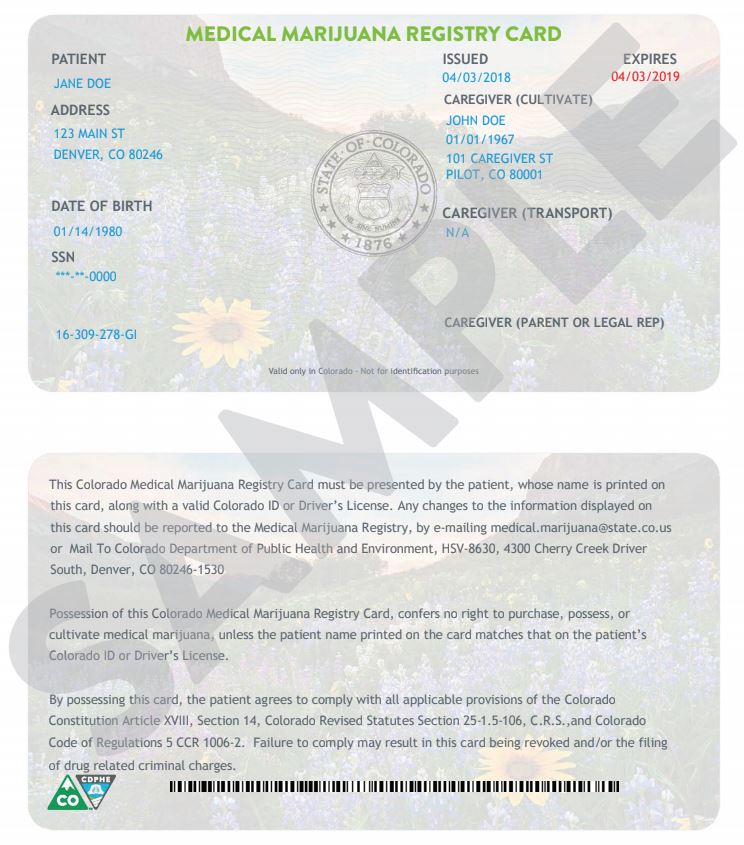
Understanding Eligibility and the Application Process
To secure a Colorado MMJ card, you must meet specific criteria set forth by the Colorado Department of Public Health and Environment (CDPHE). The fundamental requirement is having a qualifying debilitating medical condition as recognized by the state. These conditions are broad and often include severe pain, nausea, seizures, and other chronic ailments that have not responded to conventional treatments.
Qualifying Medical Conditions
Colorado law outlines a comprehensive list of qualifying conditions for medical marijuana use. It’s crucial to consult the official CDPHE guidelines for the most up-to-date and complete list. However, common conditions that are generally accepted include:
- Cancer: For patients experiencing symptoms like severe pain, nausea, or appetite loss.
- Glaucoma: To help manage intraocular pressure.
- HIV/AIDS: To alleviate symptoms such as nausea, weight loss, and chronic pain.
- Severe and Persistent Muscle Spasms: Including those associated with multiple sclerosis.
- Epilepsy and Other Seizure Disorders: For managing seizure activity.
- Cachexia (Wasting Syndrome): To stimulate appetite and manage weight loss.
- Severe Pain: Chronic pain that significantly impacts daily life.
- Post-Traumatic Stress Disorder (PTSD): As recognized by a physician.
- Autism Spectrum Disorder: Under specific physician guidance.
- Other Debilitating Medical Conditions: This category can encompass a range of serious illnesses at the physician’s discretion.
It is important to note that while PTSD and Autism Spectrum Disorder are recognized, the specific requirements and documentation for these conditions might be more stringent. Always verify the current regulations with the CDPHE.
Physician Recommendation and Certification
The cornerstone of your MMJ card application is a recommendation from a licensed physician authorized to practice in Colorado. This physician must have a bona fide doctor-patient relationship with you, meaning they have conducted a thorough evaluation of your medical history and current condition.
The physician will assess whether your condition aligns with the state’s list of qualifying ailments and whether medical marijuana is a medically appropriate treatment option for you. Upon confirming this, the physician will provide a signed and dated physician’s certification, which is a critical document for your application. This certification typically includes:
- Your name and date of birth.
- The physician’s name, license number, and signature.
- Confirmation of your qualifying medical condition.
- A statement that medical marijuana is an appropriate treatment for your condition.
- The date of the certification.
The physician will also likely advise you on the recommended dosage and method of consumption, though these are not always strictly mandated on the application itself. It is vital to choose a physician who is knowledgeable about medical cannabis and comfortable with recommending it. Many physicians who specialize in medical cannabis are readily available and can guide you through this step efficiently.
Submitting Your Application to the CDPHE
Once you have your physician’s certification, the next step is to submit your application to the CDPHE. This typically involves a few key components:
- Completed Application Form: You will need to download and fill out the official Colorado Medical Marijuana Registry Application form from the CDPHE website.
- Physician’s Certification: The original or a legible copy of your signed physician’s certification.
- Proof of Colorado Residency: You must prove that you are a resident of Colorado. Acceptable documents usually include a valid Colorado driver’s license or state-issued ID, or utility bills in your name with a Colorado address. If you are not a resident, you cannot obtain a Colorado MMJ card for recreational purchase, though some states allow out-of-state residents to register. However, for Colorado, residency is a firm requirement.
- Application Fee: A non-refundable application fee is required. The exact amount can vary, so it’s best to check the CDPHE website for the current fee schedule. Payment is usually accepted via check or money order.
- Copy of Government-Issued Photo ID: A clear copy of your valid government-issued photo identification, such as a driver’s license or passport.
All documents must be submitted to the CDPHE, usually by mail or in person at their designated office. The CDPHE will then review your application for completeness and accuracy. If approved, you will be issued a Medical Marijuana Registry Identification Card, which serves as your legal authorization to purchase and possess medical cannabis in Colorado.
The review process can take several weeks. During this time, it’s advisable to keep all original documents for your records. Once your card is issued, it will have an expiration date, and you will need to renew it periodically.
Navigating Colorado’s Medical Cannabis Landscape
Having your Colorado MMJ card grants you specific privileges and responsibilities within the state. Understanding these nuances ensures a compliant and enjoyable experience as you explore the various aspects of Colorado, from its world-renowned ski resorts to its vibrant city life.
Accessing Medical Dispensaries
Your MMJ card allows you to purchase medical cannabis from licensed medical dispensaries throughout Colorado. These dispensaries are distinct from recreational dispensaries, although some establishments may hold licenses for both. Medical dispensaries often offer a wider selection of products and may have lower taxes compared to recreational stores.
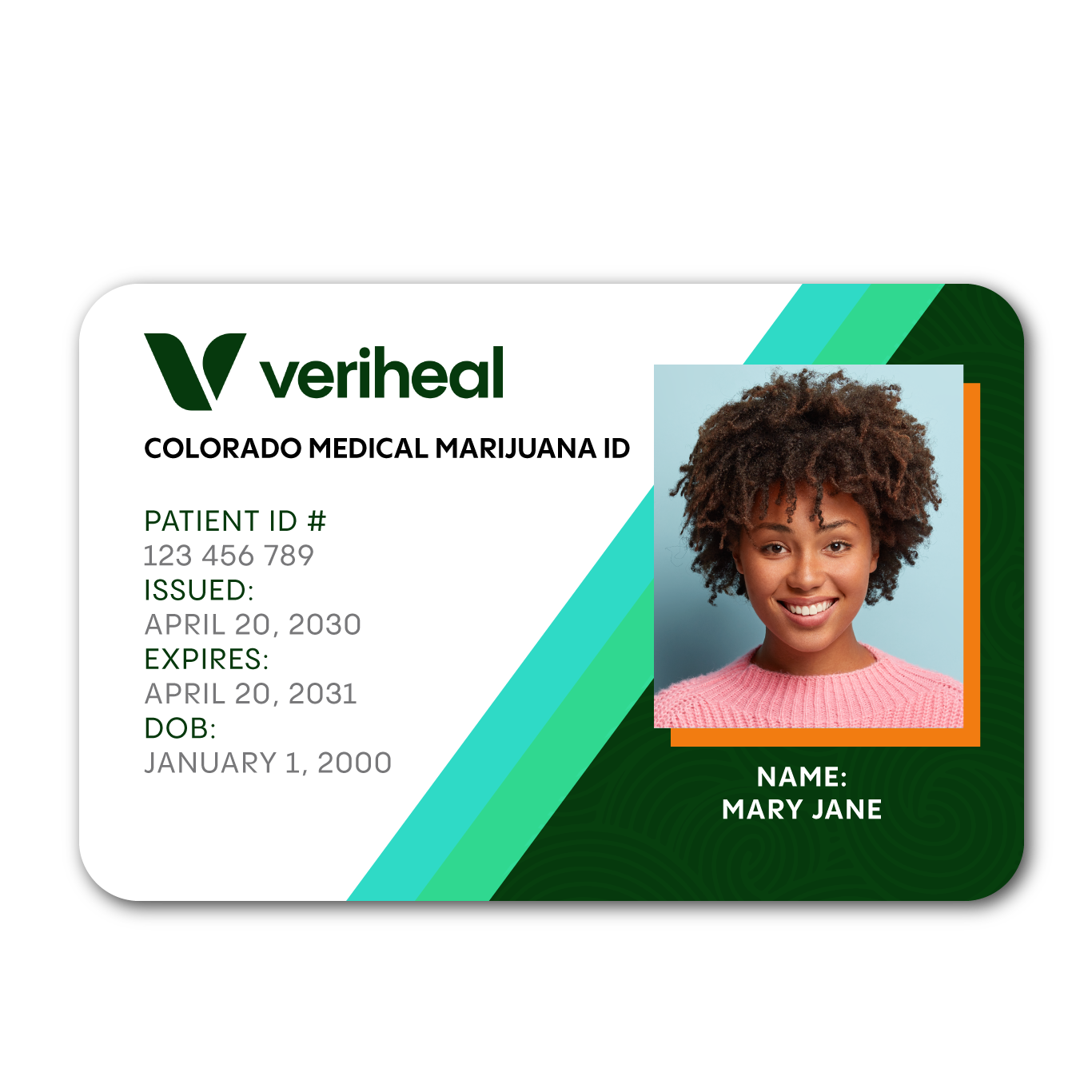
When visiting a medical dispensary, you will need to present your MMJ card and a valid government-issued photo ID. The dispensary staff are trained to verify your credentials and assist you in selecting products that best suit your needs. They can provide information on different strains, cannabinoid profiles (THC, CBD), and consumption methods.
It’s important to be aware of the possession limits for medical marijuana patients. Generally, patients can possess up to two ounces of usable marijuana, which is a higher limit than that for recreational users. However, always confirm the latest regulations, as these can be subject to change.
Home Cultivation and Caregiver Options
For some patients, home cultivation may be an option, allowing for greater control over their medication. Colorado law permits registered medical marijuana patients or their designated caregivers to cultivate a limited number of cannabis plants. The exact number of plants allowed can vary, and specific rules regarding plant limits, security, and location of cultivation must be strictly adhered to.
Caregiver designation is also a crucial aspect for patients who may be unable to procure or cultivate their own cannabis. A designated caregiver can be a family member, friend, or another trusted individual who is at least 18 years old and resides in Colorado. A caregiver can assist a registered patient by purchasing, cultivating, or transporting medical marijuana on their behalf. To designate a caregiver, specific forms must be completed and submitted to the CDPHE as part of the MMJ registry process. This allows for a robust support system for patients who need assistance.
Traveling Within Colorado with Medical Cannabis
Traveling within Colorado with your MMJ card and medical cannabis requires careful consideration of state and federal laws. While medical cannabis is legal in Colorado, it remains illegal under federal law.
- Public Consumption: Consuming cannabis in public places, including parks, sidewalks, and near Denver International Airport, is strictly prohibited. Enforcement of these laws can result in fines and other penalties.
- Driving: Driving under the influence of cannabis is illegal in Colorado. Driving while impaired by marijuana can lead to serious legal consequences, including DUI charges. It is advisable to avoid any form of cannabis consumption before operating a vehicle.
- Federal Property: You cannot possess cannabis on federal property, such as national parks like Rocky Mountain National Park or Mesa Verde National Park, and federal buildings. This is a critical point for travelers planning to visit these iconic natural landmarks.
- Air Travel: While some travelers inquire about carrying medical cannabis on flights, it is illegal to carry marijuana across state lines or onto federal property, which includes airports and airplanes. Even with a valid MMJ card, you cannot fly with cannabis.
When traveling between cities like Aspen, Vail, or Boulder, it is essential to keep your medical cannabis in its original, sealed packaging and store it securely in your vehicle, away from the driver.
Integrating Your Medical Needs with Colorado Lifestyle
Obtaining a Colorado MMJ card can enhance your ability to enjoy the diverse lifestyle and attractions Colorado offers, whether you’re planning a leisurely stay in a luxurious resort or a budget-friendly adventure exploring its rich history and nature.
Exploring Colorado’s Natural Wonders and Landmarks
Colorado is renowned for its stunning natural beauty, from the majestic peaks of the Rocky Mountains to the dramatic landscapes of the Great Sand Dunes National Park and Preserve. For those with a medical cannabis recommendation, managing certain symptoms can allow for a more comfortable and enjoyable experience exploring these incredible destinations.
Imagine hiking through the scenic trails near Telluride, visiting the historic mining towns like Central City, or witnessing the grandeur of the Garden of the Gods in Colorado Springs. Having your MMJ card can provide an avenue for symptom management, allowing you to fully immerse yourself in the outdoor adventures Colorado is famous for. Remember to always consume responsibly and in accordance with local laws and regulations, which often prohibit consumption in public areas and within national parks.
Accommodation and Travel Tips
When planning your stay in Colorado, whether it’s a short visit or a longer residency, numerous accommodation options are available. From boutique hotels in charming mountain towns to upscale resorts and rental apartments in cities like Denver, the choices are vast.
When booking your accommodation, be mindful of the policies regarding cannabis consumption. While some private rentals or hotels might have specific policies, public consumption is generally prohibited. It is always advisable to clarify the establishment’s stance on cannabis use beforehand. Many establishments, such as the Broadmoor Hotel in Colorado Springs or any of the numerous ski resorts like Breckenridge Ski Resort, cater to a wide range of traveler needs, and understanding their policies will ensure a smooth and comfortable stay.
For those planning a longer-term stay or looking for a more integrated lifestyle experience, exploring local food scenes, cultural events, and community activities in cities like Fort Collins or Pueblo can be incredibly rewarding. Your MMJ card ensures that you can manage your health effectively while still embracing all that Colorado has to offer, from its vibrant arts and culture to its burgeoning culinary landscape.
In conclusion, obtaining a Colorado MMJ card involves understanding the eligibility requirements, securing a physician’s recommendation, and navigating the application process with the CDPHE. Once obtained, it grants access to medical cannabis dispensaries and allows for responsible consumption within the bounds of state law, enhancing the ability to enjoy the rich tapestry of experiences Colorado provides. Remember to always prioritize legal compliance and responsible use, allowing you to fully embrace the beauty and opportunities of the Centennial State.
LifeOutOfTheBox is a participant in the Amazon Services LLC Associates Program, an affiliate advertising program designed to provide a means for sites to earn advertising fees by advertising and linking to Amazon.com. Amazon, the Amazon logo, AmazonSupply, and the AmazonSupply logo are trademarks of Amazon.com, Inc. or its affiliates. As an Amazon Associate we earn affiliate commissions from qualifying purchases.