
Navigating the complexities of a major life transition like divorce can be an incredibly challenging journey. When this journey unfolds in a state as vibrant and diverse as Florida, it presents a unique blend of legal intricacies and personal considerations. While the legal process can be daunting, understanding the steps involved in obtaining a divorce in the Sunshine State is the first step toward a new chapter. This guide aims to demystify the process, offering a clear roadmap for individuals seeking a dissolution of marriage in Florida, while also touching upon how this significant life event can reshape one’s lifestyle, travel habits, and accommodation needs in this beautiful part of the world.

Florida is renowned globally for its stunning beaches, theme parks, and rich cultural experiences, making it a dream destination for travelers and a beloved home for many. However, beneath the surface of its tourist attractions and leisure opportunities, there’s a robust legal system designed to handle the serious matters of family law. For those facing divorce, it’s not just about legal documents; it’s about redefining your future, often involving new living arrangements, financial restructuring, and perhaps even a fresh perspective on exploring your surroundings or planning future travel. Whether you’re a long-time resident of Miami, Orlando, or any other Florida city, or contemplating a move, understanding the nuances of Florida divorce law is paramount.
Navigating the Initial Steps: Residency and Petitions in the Sunshine State
The journey to divorce in Florida begins with fundamental requirements that ensure the state has the jurisdiction to hear your case. This initial phase sets the stage for the entire legal process, emphasizing the importance of meeting specific criteria before formal proceedings can commence. It’s a critical period where foundational decisions are made that will influence the subsequent steps, touching upon where you reside and how you formally initiate the request for a dissolution of marriage.
Establishing Florida Residency for Divorce
Before a Florida court can grant a divorce, at least one of the parties must have been a resident of the state for a continuous period of six months immediately prior to the filing of the petition. This residency requirement is crucial and must be proven to the court. While some states have shorter residency periods, Florida’s six-month rule is designed to ensure that the parties have a genuine connection to the state and that the court has the proper authority to make decisions regarding their marriage.
Proving residency can be done through various means, such as a Florida driver’s license, voter registration, utility bills, or a declaration of domicile. For many, Florida is not just a temporary stop but a long-term home, offering a vibrant lifestyle from the bustling streets of Tampa to the serene beauty of the Florida Keys. If you have recently relocated to Florida and are considering divorce, accurately tracking your residency period is vital. This period also provides an opportunity to settle into your new surroundings, explore local attractions, and begin to establish a new routine, perhaps discovering hidden gems in cities like St. Petersburg or Sarasota.
Initiating the Process: The Petition for Dissolution of Marriage
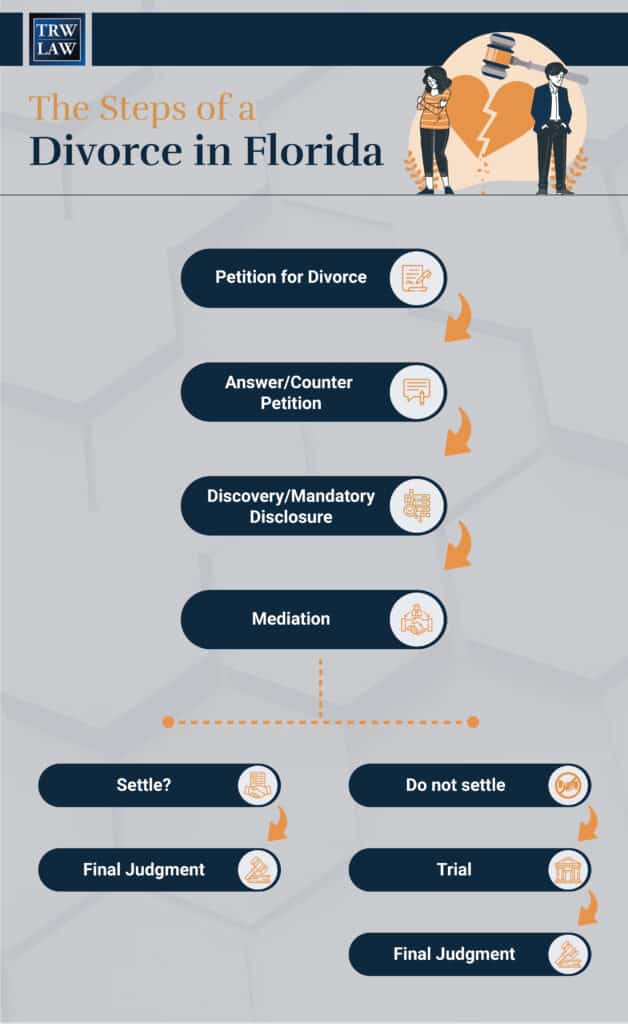
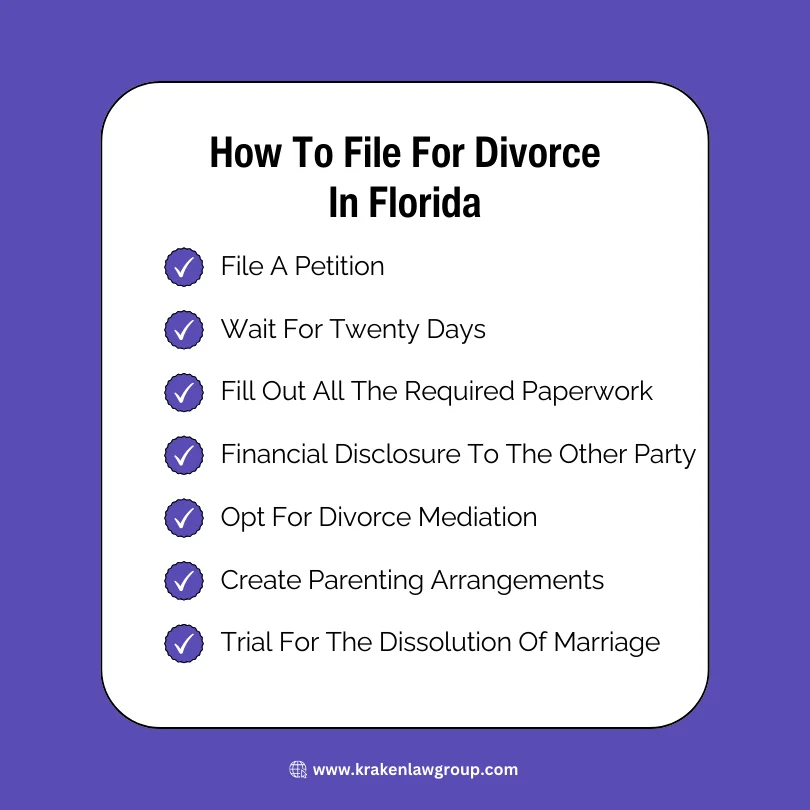
Once the residency requirement is met, the formal legal process begins with the filing of a “Petition for Dissolution of Marriage.” This document is the cornerstone of your divorce case, officially informing the court and your spouse of your intent to end the marriage. The petition must be filed in the appropriate Circuit Court in the county where either spouse resides. For example, if you live in Jacksonville, you would file in Duval County.
The petition typically contains essential information, including the names of both spouses, the date and place of marriage, and a statement confirming that at least one party has met the residency requirement. Crucially, Florida is a “no-fault” divorce state, meaning the petition does not need to allege fault or wrongdoing by either spouse. Instead, the petitioner only needs to state that the marriage is “irretrievably broken.” While this simplifies the legal grounds for divorce, the petition can also include requests for specific relief, such as child custody, child support, alimony, or equitable distribution of marital assets and liabilities. The act of filing is a significant step, marking the official commencement of a legal journey that, while challenging, opens the door to a restructured lifestyle and a fresh perspective on future adventures.
Essential Considerations: Financial Futures, Child Welfare, and Property Division
Beyond the initial filings, a Florida divorce delves into the core aspects of a couple’s shared life: their children, their finances, and their accumulated property. These elements often represent the most emotionally charged and complex areas of negotiation and litigation. Successfully navigating these considerations requires careful planning, transparent disclosure, and a clear understanding of Florida family law principles. The outcomes of these discussions will profoundly shape the post-divorce lifestyle, influencing everything from daily living to future travel and accommodation choices.
Addressing Financial Aspects: Alimony and Child Support
Financial stability is a paramount concern for both parties undergoing a divorce. In Florida, two primary mechanisms address financial support: alimony and child support. Alimony, also known as spousal support, may be awarded to one spouse to help them maintain a reasonable standard of living after the divorce. The court considers various factors when determining alimony, including the length of the marriage, the standard of living established during the marriage, the financial resources of each party, their earning capacities, and contributions to the marriage, including homemaking and childcare. There are different types of alimony, such as temporary, bridge-the-gap, rehabilitative, durational, and permanent, each serving a distinct purpose in helping a spouse transition to self-sufficiency. For many, receiving or paying alimony significantly impacts their budget, potentially influencing future lifestyle choices, from whether they can afford a luxury vacation to simply maintaining their current accommodation in cities like Fort Lauderdale.
Child support, on the other hand, is a mandatory obligation designed to ensure that both parents contribute financially to the upbringing of their children. Florida uses statutory guidelines to calculate child support, primarily based on the parents’ net incomes and the amount of overnight time each parent spends with the children. These guidelines aim to provide a fair and consistent approach, ensuring that children’s needs are met, irrespective of the parents’ marital status. The determination of child support is critical for maintaining the children’s lifestyle and well-being, whether they reside in Orlando with its family attractions or in a quieter suburban community.
Prioritizing Children: Parenting Plans and Custody
When children are involved, their best interests are the court’s paramount concern. Florida law emphasizes shared parental responsibility, encouraging both parents to be actively involved in their children’s lives. Rather than using terms like “custody,” Florida focuses on developing a “Parenting Plan.” This comprehensive document outlines how parents will share responsibility for daily tasks, healthcare decisions, education, and other significant aspects of the children’s upbringing.
The Parenting Plan also details the time-sharing schedule, specifying when the children will be with each parent. This schedule can vary greatly, from equal time-sharing to one parent having primary residence. The court considers numerous factors when approving a Parenting Plan, including the children’s preferences (if age-appropriate), each parent’s ability to provide a stable home, and the geographical viability of the proposed schedule. For families in Florida, a thoughtfully crafted Parenting Plan can allow for continued enjoyment of the state’s many family-friendly attractions, from visits to Walt Disney World Resort in Orlando to exploring the beaches of the Emerald Coast with both parents, or establishing distinct family traditions in their separate households. Effective co-parenting and adherence to the plan are crucial for the children’s emotional well-being and for parents to smoothly navigate their new, independent lifestyles.
Dividing Assets: Equitable Distribution in Florida
Another major component of a Florida divorce is the equitable distribution of marital assets and liabilities. “Equitable” does not necessarily mean “equal,” but rather “fair.” Generally, assets acquired and debts incurred during the marriage are considered marital property and are subject to division. This can include real estate (like a family home in Gainesville or a condo in South Beach), bank accounts, investments, retirement funds, businesses, vehicles, and even household furnishings. Non-marital assets, typically those acquired before the marriage or through inheritance or gift, are generally not subject to distribution.
The court aims for a fair division, considering factors such as the contributions of each spouse to the marriage (including childcare and homemaking), the economic circumstances of each spouse, and the desirability of retaining certain assets, such as the marital home, especially when minor children are involved. The process often requires detailed financial disclosure from both parties, sometimes involving appraisals of significant assets and expert valuations for businesses. The outcome of equitable distribution directly impacts each spouse’s financial standing and future accommodation options, influencing whether they can afford to stay in their current community, seek a new apartment, or even consider a long-term rental in a new Florida locale.
The Path to Resolution: Agreements, Mediation, and Court Proceedings
The resolution phase of a Florida divorce can take various forms, depending on the level of agreement between the spouses. While some cases proceed amicably through negotiation, others may require intervention from a neutral third party or, if necessary, a judge. Understanding these pathways is crucial for anticipating the timeline and emotional toll of the process. This stage culminates in the formal end of the marriage, allowing individuals to fully embrace their new, independent lifestyles, potentially exploring new travel opportunities or settling into different accommodation.
Streamlining Uncontested Divorces
An uncontested divorce occurs when both spouses agree on all the key issues, including property division, spousal support, and, if applicable, a Parenting Plan. This is often the most straightforward and cost-effective path to dissolution in Florida. When both parties are in agreement, they can submit a Marital Settlement Agreement and a proposed Parenting Plan (if minor children are involved) to the court for approval. The court will review these documents to ensure they are fair and in the best interests of any children.
In many uncontested cases, especially those without minor children, the need for a formal court hearing can be minimal, sometimes even waived depending on the judicial circuit. This streamlined process allows couples to finalize their divorce relatively quickly and with less emotional strain, enabling them to move forward with their lives more swiftly. For individuals in this situation, the transition to a new lifestyle might involve a therapeutic trip to the Florida Keys or planning a solo adventure, signaling a fresh start free from the protracted legal battles often associated with contested cases.
The Role of Mediation in Resolving Disputes
When spouses cannot agree on all issues, mediation often becomes a mandatory step in Florida divorce proceedings. Mediation involves a neutral third-party mediator who helps facilitate communication and negotiation between the spouses, aiming to reach mutually acceptable agreements outside of court. The mediator does not make decisions but guides the parties toward common ground. This process is confidential and provides a safe space for spouses to discuss sensitive topics, whether they pertain to finances, parenting arrangements, or the division of assets like a vacation home near St. Augustine.
Mediation is highly encouraged in Florida because it can save time, reduce legal costs, and empower couples to create solutions tailored to their unique circumstances, rather than having a judge impose decisions. A successful mediation results in a written mediated settlement agreement, which is then submitted to the court for approval. Even if a full agreement isn’t reached, partial agreements can significantly narrow the issues that remain for a judge to decide, making the overall process less contentious and allowing parties to focus on rebuilding their lives, perhaps by planning future travel or securing new accommodation in Florida’s diverse communities.
Finalizing Your Divorce in Florida
If mediation is unsuccessful or if there are still unresolved issues, the case will proceed to a final hearing or trial before a Florida Circuit Judge. During this hearing, both parties present evidence, witness testimonies, and legal arguments for the judge to consider. The judge will then make the final decisions regarding all outstanding matters, including the Parenting Plan, child support, alimony, and equitable distribution. This judicial intervention is the ultimate recourse when spouses cannot reach an agreement on their own.
Once all issues are resolved, either through agreement or judicial decision, the court will issue a “Final Judgment of Dissolution of Marriage.” This document is the official order that legally ends the marriage. It outlines all the terms and conditions of the divorce, and it is a legally binding order that both parties must adhere to. The entry of the Final Judgment marks the official conclusion of the divorce process, allowing both individuals to legally and emotionally move forward. For many, this marks the beginning of a truly new chapter, where they can fully embrace newfound independence, whether that involves pursuing long-held travel dreams, exploring Florida’s numerous landmarks like Everglades National Park, or settling into a completely refreshed lifestyle and accommodation.
Beyond the Paperwork: Embracing a New Chapter in Florida
A divorce is more than just a legal procedure; it’s a significant life transition that reshapes personal identities, financial landscapes, and future trajectories. Once the legal proceedings in Florida conclude, the focus shifts from courtrooms and paperwork to rebuilding a fulfilling life. This new chapter in the Sunshine State offers immense opportunities for personal growth, rediscovery, and embracing new experiences, whether through travel, new accommodations, or a reimagined lifestyle. Florida’s unique blend of natural beauty, cultural diversity, and endless activities makes it an ideal backdrop for this post-divorce evolution.
Redefining Lifestyle: Post-Divorce Travel and Exploration
With the legal process behind you, this can be an opportune time to redefine your lifestyle and embark on personal adventures. Florida itself is a world of exploration, offering diverse experiences that cater to every taste and budget. You might find solace and renewal in solo travel to the tranquil beaches of the Emerald Coast or immerse yourself in the vibrant arts scene of the Art Deco Historic District in Miami Beach. Perhaps a therapeutic retreat in a boutique hotel in Key West is in order, or an adventurous exploration of the wildlife at Everglades National Park.
Many individuals find that post-divorce travel is not just a vacation but a vital part of their healing and self-discovery process. It can be a chance to reconnect with old passions, try new activities – like paddleboarding off Siesta Key or exploring the historic sites of St. Augustine – or simply enjoy the freedom of spontaneous decisions. Whether you prefer the thrill of Universal Studios Florida in Orlando or the serene beauty of a sunrise over the Atlantic from the Space Coast, Florida’s rich tourism landscape provides countless opportunities to create new memories and forge a path forward.
Finding New Accommodation and Community
Along with a redefined lifestyle often comes a change in accommodation. Whether you’re moving out of the marital home or simply seeking a fresh start, Florida’s diverse housing market offers a range of options to suit various needs and budgets. From luxurious apartments in downtown Miami to charming bungalows in historic St. Petersburg or family-friendly homes in Tampa suburbs, finding new accommodation is a practical step toward establishing your independent life.
This search for a new home can also be an opportunity to discover a new community that aligns with your evolving interests and lifestyle. Perhaps you’re looking for a vibrant urban environment with bustling nightlife and cultural events, or a quieter, more relaxed coastal town. Florida has it all. Beyond permanent residences, many might explore temporary housing solutions like short-term rentals or extended-stay hotels while they navigate this transition, offering flexibility and comfort during a time of significant change. The act of furnishing and personalizing a new space can be incredibly empowering, symbolizing the creation of a sanctuary that truly reflects your individual taste and your new beginning.
In conclusion, while the process of obtaining a divorce in Florida is undeniably intricate and demands careful attention to legal specifics, it ultimately paves the way for a transformative new chapter. By understanding the residency requirements, patiently navigating financial divisions and parenting plans, and engaging constructively in mediation or court proceedings, individuals can move towards a resolution. The beauty of undertaking this journey in a state like Florida is the inherent promise of new beginnings. As the legal dust settles, the vibrant landscapes, diverse cultures, and endless recreational possibilities of Florida stand ready to support a redefined lifestyle, offering myriad opportunities for healing, exploration, and the exciting prospect of a future built entirely on your own terms.
LifeOutOfTheBox is a participant in the Amazon Services LLC Associates Program, an affiliate advertising program designed to provide a means for sites to earn advertising fees by advertising and linking to Amazon.com. Amazon, the Amazon logo, AmazonSupply, and the AmazonSupply logo are trademarks of Amazon.com, Inc. or its affiliates. As an Amazon Associate we earn affiliate commissions from qualifying purchases.