
The allure of the Lone Star State is undeniable. From the bustling metropolitan hubs of Houston and Dallas to the historic charm of San Antonio and the vibrant culture of Austin, Texas offers an incredible array of experiences for residents and visitors alike. Whether you’re planning a cross-state road trip to explore the vast Big Bend National Park, seeking out hidden gem hotels for a luxurious weekend getaway, or simply navigating your daily commute to a new job, having a valid Texas driver’s license is an indispensable part of embracing the Texas lifestyle. This comprehensive guide is designed to demystify the process, ensuring a smooth transition as you embark on the journey to obtaining your official Texas driver’s license.
Beyond just a legal requirement, a driver’s license in Texas is a passport to freedom. It enables you to explore the state’s diverse tourism offerings, from coastal resorts along the Gulf Coast to quaint towns in the Texas Hill Country. It allows you to conveniently reach landmarks and attractions that might be off the beaten path, transforming a simple trip into an unforgettable travel experience. For those relocating, it’s a critical piece of identification that facilitates everything from booking accommodation to establishing local services. Understanding the ins and outs of the application process is the first step toward unlocking the full potential of life in Texas.
Understanding the Texas Driver’s License Landscape
Before diving into the specifics of the application, it’s crucial to understand who needs a Texas driver’s license and what types are available. This foundational knowledge will help you determine the correct path for your individual circumstances, whether you’re a long-term resident, a new arrival, or a student.
Who Needs a Texas Driver’s License?
Generally, any resident of Texas who wishes to operate a motor vehicle on public roads must possess a valid Texas driver’s license. The definition of a “resident” can sometimes be nuanced, especially for individuals moving to the state. If you are a new resident and plan to stay in Texas for more than 90 days, you are generally required to obtain a Texas driver’s license. This applies to individuals who:
- Enter Texas with the intention of making the state their home.
- Are gainfully employed in Texas.
- Own or operate a business in Texas.
- Enroll their children in a public school in Texas.
- Become eligible to vote in Texas.
Visitors from other states or countries with valid driver’s licenses might be able to drive in Texas for a limited period, but for long-term stays or residency, a Texas license is essential. This is particularly relevant for those on extended travel or tourism visas who decide to make Texas their temporary or permanent home.
Types of Texas Driver’s Licenses
The Texas Department of Public Safety (DPS) issues several classes of driver’s licenses, each designed for specific types of vehicles or driving privileges. For most individuals seeking to drive personal cars, the Class C driver’s license is the most common.
- Class A, B, and C Commercial Driver’s Licenses (CDL): Required for operating large commercial vehicles, buses, and for specific transportation services related to tourism or business travel.
- Class A and B Non-Commercial Driver’s Licenses: Issued for specific large non-commercial vehicles, such as recreational vehicles (RVs) or towing large trailers, popular among those embarking on extensive road trips or utilizing large camping accommodations.
- Class C Driver’s License: This is the standard license for operating typical passenger cars, light trucks, and vans, weighing up to 26,001 pounds. It allows you to tow a trailer with a gross vehicle weight rating (GVWR) of 10,000 pounds or less. This is the license most residents will need for daily commuting, exploring local attractions, and traveling across the state.
- Class M Driver’s License: Specifically for operating motorcycles.
Understanding which class of license you need is the first practical step in gathering the right documentation and preparing for the appropriate tests.
The Step-by-Step Process to Obtain Your Texas Driver’s License
Acquiring your Texas driver’s license involves a series of steps, from gathering necessary documents to passing various examinations. While it might seem daunting, breaking it down into manageable stages makes the process much smoother.
Gathering Your Essential Documents
The most critical part of your application process begins before you even set foot in a DPS office: assembling the required documents. Incomplete documentation is the primary reason for application delays. You will need to prove your:
- U.S. Citizenship or Lawful Presence:
- U.S. Citizens: Original or certified birth certificate, U.S. passport, Certificate of Naturalization.
- Lawful Permanent Residents/Non-Citizens: Permanent Resident Card (Green Card), Employment Authorization Document (EAD), foreign passport with a valid U.S. visa and I-94 (Arrival/Departure Record). For those on long-term tourism or work visas, ensuring your immigration documents are current is vital.
- Social Security Number (SSN): Your original Social Security card or a document (W-2, SSA-1099, pay stub) displaying your name and SSN. If you do not have an SSN, you may need to present a letter from the Social Security Administration indicating your ineligibility, subject to certain exceptions.
- Proof of Texas Residency: Two different documents showing your name and current Texas residential address. These can include:
- Utility bills (electricity, water, gas, internet) from the past 90 days.
- Texas voter registration card.
- Deed, mortgage statement, or residential lease agreement.
- Medical or health card.
- Hotel bill from a long-term stay hotel or extended accommodation if you’ve recently moved and are using temporary housing.
- If you’re staying with family or friends, they might need to provide a notorized statement along with their utility bills.
- Proof of Identity: Your current out-of-state driver’s license (if applicable), state-issued ID card, or passport. This document helps confirm your identity.
- Proof of Vehicle Registration and Insurance: If you own a vehicle, you will need proof of current registration and liability insurance.
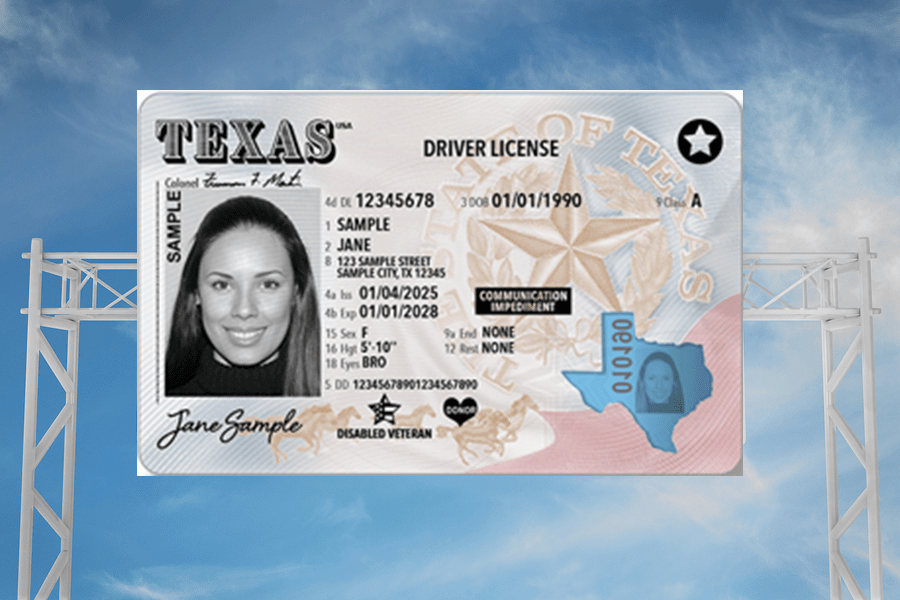
It’s highly recommended to check the official Texas Department of Public Safety (DPS) website for the most current and detailed list of acceptable documents, as requirements can sometimes change. Always bring original documents, not photocopies, unless specifically stated otherwise.
Scheduling Your Appointment at the DPS
While some DPS offices may accept walk-ins, scheduling an appointment online is highly recommended to minimize wait times. Texas DPS offices, particularly in major cities like Houston, Dallas, and Austin, can be very busy.
To schedule your appointment:
- Visit the official Texas DPS website.
- Navigate to the online scheduling portal.
- Select the service you need (e.g., “Apply for or Renew a Driver License or ID Card”).
- Choose your preferred DPS office location and a convenient date and time.
- Confirm your appointment and save the confirmation.
Arrive at least 15-20 minutes early for your appointment with all your original documents organized and ready.
Navigating the Written and Vision Exams
Once at the DPS office, after presenting your documents and paying the application fee, you’ll proceed to the testing phase.
- Vision Exam: This is a straightforward test to ensure your eyesight meets the minimum standards for safe driving. You’ll read letters from an eye chart. If you wear glasses or contact lenses, bring them with you.
- Written Knowledge Exam: This test assesses your understanding of Texas traffic laws and road signs. It typically consists of multiple-choice questions.
- Preparation is Key: The best way to prepare is to study the official Texas Driver’s Handbook. This comprehensive guide covers everything you need to know, from speed limits on Texas highways (essential for travel planning!) to right-of-way rules in busy city intersections. Many online practice tests are also available and can be a valuable study tool. For new residents, understanding specific Texas nuances can prevent surprises.
Mastering the Driving Skills Test
The final hurdle for most new drivers is the driving skills test, also known as the road test.
- Vehicle Requirements: You must provide a vehicle for the test that is properly registered, insured, and in safe operating condition. The vehicle must pass a brief inspection by the examiner, checking for functional lights, turn signals, horn, and brakes.
- The Test Itself: An examiner will accompany you, evaluating your ability to safely operate a vehicle in various driving situations. This includes:
- Starting and stopping.
- Turning, including proper signal usage.
- Lane changes.
- Parking (often parallel parking).
- Maintaining safe following distances.
- Obeying traffic signs and signals.
- Demonstrating control of the vehicle.
- For those accustomed to driving in dense urban areas like New York City or abroad, adapting to Texas’s wider roads and often higher speed limits might require practice.
- Tips for Success: Practice driving in various conditions, familiarize yourself with common test routes if possible, and remain calm and focused. The goal is to demonstrate safe and controlled driving. Once you pass, you’ll be issued a temporary license, and your official card will be mailed to you.
Key Considerations for New Texas Residents and Visitors
Moving to a new state or country always comes with its unique set of challenges and adjustments. Understanding how your previous driving experience translates to Texas requirements is crucial.
Special Requirements for Minors
For applicants under the age of 18, Texas has a Graduated Driver License (GDL) program designed to provide new drivers with supervised driving experience. This involves several stages:
- Learner’s Permit (Instruction Permit): Must be at least 15 years old, complete a driver education course, and pass the written and vision exams. Requires a licensed adult (21+) in the front seat.
- Provisional License: After holding a learner’s permit for at least six months, being at least 16, and completing a certain number of supervised driving hours, minors can take the driving test. This license comes with restrictions (e.g., limited nighttime driving, restrictions on passengers).
- Full Unrestricted License: Issued upon turning 18 or after meeting specific criteria under the provisional license.
These structured steps ensure that young drivers gain experience responsibly, a vital part of preparing them for safe travel across the vast landscapes of Texas.
Transferring an Out-of-State License
If you’re moving to Texas from another U.S. state or territory with a valid driver’s license, the process is generally simpler. You typically won’t need to take the written or driving tests, provided your license is current and in good standing. However, you will still need to:
- Present proof of U.S. Citizenship or Lawful Presence, SSN, and Texas Residency.
- Surrender your out-of-state license.
- Pass the vision exam.
- Pay the required fee.
This streamlined process makes it easier for individuals and families relocating to Texas for work, education, or lifestyle changes, ensuring they can quickly get back on the road and enjoy all the state’s offerings.
Driver’s License and Texas Tourism: A Lifestyle Essential
Beyond daily commutes, a Texas driver’s license is fundamental to truly experiencing the state’s vibrant tourism and diverse lifestyle opportunities. Imagine road-tripping along the scenic routes of the Hill Country, visiting historic landmarks in Galveston, or exploring the unique culinary scene in Dallas and Fort Worth. Your driver’s license is the key to independent travel, allowing you to bypass reliance on public transportation, which can be limited in many parts of the expansive state.
For those interested in budget travel, having your own vehicle can often be more cost-effective than relying on taxis or ride-shares, especially when visiting multiple attractions or traveling with family. It empowers you to seek out unique accommodation options, from charming bed and breakfasts to secluded cabin rentals, that might not be accessible otherwise. A driver’s license isn’t just about driving; it’s about unlocking the freedom to shape your Texas experience precisely how you envision it.

Practical Tips for a Smooth Application Process
Navigating government procedures can sometimes be complex, but with a few practical tips, you can significantly streamline your driver’s license application experience.
Preparing for Success
- Review the DPS Website Thoroughly: The official Texas Department of Public Safety website is your best resource. Double-check all document requirements, fees, and office hours for your specific location.
- Organize Documents Meticulously: Create a folder for all your original documents. A checklist can help ensure nothing is forgotten. Bringing extra forms of identification, even if not explicitly required, can sometimes be helpful.
- Practice Driving: If you’re new to driving or Texas road rules, practice regularly. Understand common maneuvers, traffic signs, and local regulations.
- Consider Taking a Driver Education Course (Even as an Adult): While not mandatory for adults, a refresher course can be beneficial for those who haven’t driven in a while or are new to U.S. driving customs.
- Dress Comfortably and Be Patient: DPS offices can sometimes involve waiting, even with an appointment. A comfortable attitude and patience will make the experience less stressful.
Common Pitfalls to Avoid
- Expired Documents: Ensure all your identification and residency documents are current and not expired. An expired passport or utility bill beyond the 90-day window can cause rejection.
- Photocopies Instead of Originals: Always bring original documents. The DPS will need to verify them.
- Not Having Proof of Texas Residency: This is a common reason for delays. Make sure you have two distinct documents showing your name and current physical Texas address.
- Not Preparing for Exams: Underestimating the written or driving test can lead to retesting, which means more appointments and delays. Dedicate time to study the handbook and practice driving.
- Going to the Wrong Office: Verify that the DPS office you’re visiting handles driver’s license services, as some offices specialize in other vehicle-related tasks.
Obtaining your driver’s license in Texas is more than just a bureaucratic step; it’s an essential part of integrating into the vibrant culture and enjoying the vast opportunities the state provides. Whether you’re here for leisure travel, establishing a new home, or simply looking to enhance your mobility, a Texas driver’s license is your ticket to exploring everything from the bustling urban attractions to the serene natural landscapes. By following this guide and preparing thoroughly, you’ll soon be confidently navigating the roads of the Lone Star State. Happy driving, and enjoy your Texas adventures!