
Embarking on a career as a commercial truck driver in the Sunshine State opens up a world of opportunities, connecting communities and facilitating commerce across Florida and beyond. The journey to obtaining a Florida Commercial Driver License (CDL) is a structured process designed to ensure that drivers possess the necessary skills, knowledge, and safety consciousness to operate large vehicles. This guide aims to demystify the steps involved, providing a comprehensive roadmap for aspiring CDL holders, from understanding the different license classes to mastering the required tests and endorsements. Whether you envision yourself navigating the bustling highways of Miami, exploring the scenic routes near the Everglades, or delivering goods to the theme parks of Orlando, a Florida CDL is your ticket to a rewarding and dynamic profession.

The process of acquiring a Florida CDL is managed by the Florida Department of Highway Safety and Motor Vehicles (FLHSMV). It’s crucial to approach this with diligence and preparation, as the responsibilities associated with commercial driving are significant. This guide will walk you through each stage, ensuring you are well-equipped to meet the requirements and achieve your goal of becoming a licensed commercial driver.
Understanding Florida CDL Requirements and License Classes
Before diving into the application process, it’s essential to understand the fundamental eligibility requirements and the distinctions between the various classes of Florida CDLs. These requirements are in place to safeguard public safety and maintain the integrity of the commercial driving profession.
Eligibility Criteria for a Florida CDL
To be considered for a Florida CDL, you must first meet a set of core eligibility criteria. These are non-negotiable and form the bedrock of the licensing process.
- Age: Applicants must be at least 18 years old to obtain a Florida CDL for intrastate commerce (driving within Florida). For interstate commerce (driving across state lines), the minimum age is 21.
- Residency: You must be a legal resident of Florida. This typically requires providing proof of Florida residency, such as utility bills, lease agreements, or bank statements bearing your Florida address.
- Valid Driver’s License: You must possess a valid, non-commercial driver’s license for Florida or an equivalent from another state. This is often referred to as a Class E license in Florida.
- Social Security Number: A valid Social Security number is required for all applicants.
- Medical Examination: Commercial drivers are subject to stricter medical standards than regular drivers. You will need to pass a DOT physical examination conducted by a certified medical examiner. This exam assesses your vision, hearing, blood pressure, and overall health to ensure you can safely operate a commercial vehicle. The examiner will issue a Medical Examiner’s Certificate, which you must present to the FLHSMV.
- Knowledge and Skills: Demonstrating proficiency in commercial vehicle operation and a thorough understanding of traffic laws and safety regulations is paramount. This is assessed through written knowledge tests and practical skills tests.
Navigating the CDL Classification System
The Florida CDL system is divided into three main classes, each authorizing the operation of different types of commercial vehicles. Understanding these classifications is key to determining which license best suits your career aspirations.
- Class A CDL: This license is required for drivers operating any combination of vehicles with a Gross Combination Weight Rating (GCWR) of 26,001 pounds or more, provided the Gross Vehicle Weight Rating (GVWR) of the towed vehicle(s) is in excess of 10,000 pounds. This class covers a wide range of large tractor-trailers and is often the most sought-after for long-haul trucking. Examples include tractor-trailers, truck and trailer combinations, and tank vehicles.
- Class B CDL: This license is for drivers operating a single vehicle with a GVWR of 26,001 pounds or more, or any such vehicle towing a vehicle with a GVWR not in excess of 10,000 pounds. This class typically covers larger single vehicles like straight trucks, dump trucks, and larger buses.
- Class C CDL: This license is for drivers operating vehicles that do not meet the definitions of Class A or Class B vehicles, but are designed to transport 16 or more occupants (including the driver), or are placarded for hazardous materials. Examples include passenger buses, school buses, and vehicles transporting hazardous materials.
In addition to the class of vehicle, endorsements can be added to a CDL to authorize the driver to operate specific types of vehicles or transport certain types of cargo. Common endorsements include:
- H (Hazardous Materials): Required for drivers transporting hazardous materials that require placarding.
- P (Passenger): Required for drivers operating vehicles designed to transport 16 or more occupants.
- S (School Bus): Required for drivers operating school buses.
- N (Tank Vehicle): Required for drivers operating vehicles designed to haul liquids or gaseous materials in bulk.
- T (Double/Triple Trailers): Required for drivers operating vehicles with double or triple trailers.
The Step-by-Step Process to Obtaining Your Florida CDL
The path to your Florida CDL involves a series of distinct steps, each building upon the last. Careful attention to detail and thorough preparation at each stage will lead to a smoother and more successful outcome.
Step 1: Obtaining a Commercial Learner’s Permit (CLP)
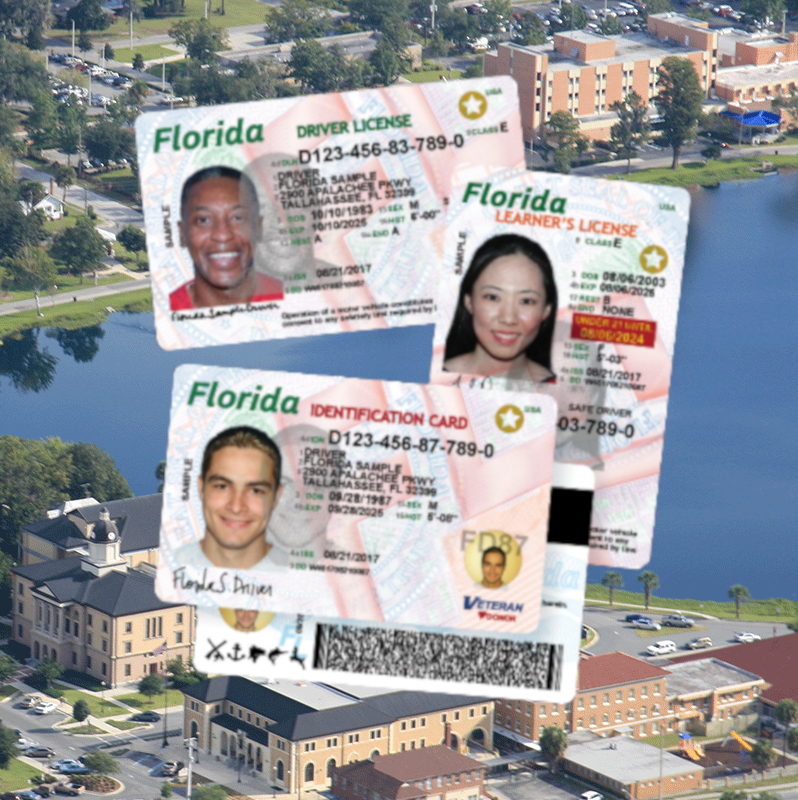
Before you can take your CDL skills test, you must first obtain a Commercial Learner’s Permit (CLP). This permit allows you to practice driving commercial vehicles under the supervision of a CDL holder.
- Study the Florida Commercial Driver License Handbook: This comprehensive manual, available on the FLHSMV website or at any local driver license office, is your primary resource for studying the knowledge required for the written tests. It covers topics such as general knowledge, air brakes, combination vehicles, hazardous materials, and passenger transport.
- Pass the Written Knowledge Tests: Visit a Florida driver license service center to take the relevant written knowledge tests for the class of CDL and any endorsements you are seeking. You will need to present your proof of identity, Social Security card, Florida driver’s license, and Florida residency. You will also need to provide your Medical Examiner’s Certificate.
- Receive Your CLP: Upon successfully passing the written tests, you will be issued a CLP. This permit is valid for a specific period, typically six months, and allows you to begin practicing your driving skills. There is a mandatory 14-day waiting period between the issuance of your CLP and when you can take your CDL skills test.
Step 2: Completing CDL Skills Training and Testing
With your CLP in hand, the next crucial phase involves honing your driving skills and passing the official CDL skills tests.
- Seek Professional Training (Recommended): While not always mandatory, enrolling in a reputable Commercial Driver’s License training school is highly recommended. These schools provide structured instruction in vehicle inspection, basic control skills, and on-road driving techniques, significantly increasing your chances of passing the skills test and developing safe driving habits. They often offer programs tailored to specific CDL classes and endorsements.
- Practice Your Skills: Under the supervision of a qualified CDL holder, practice the maneuvers and driving techniques outlined in the Florida Commercial Driver License Handbook. This includes pre-trip inspections, basic control maneuvers (like backing and parking), and on-road driving.
- Schedule Your CDL Skills Test: Once you feel confident in your abilities and have met the 14-day waiting period since obtaining your CLP, you can schedule your CDL skills test. These tests are administered by third-party examiners authorized by the FLHSMV. You will need to provide the vehicle you will be tested in, which must meet specific requirements for the class of CDL you are seeking.
- Pass the CDL Skills Test: The skills test typically consists of three parts:
- Vehicle Inspection Test: You will be required to perform a thorough pre-trip inspection of the commercial vehicle, identifying potential defects and explaining their significance.
- Basic Control Skills Test: This part assesses your ability to maneuver the vehicle in a controlled environment, including alley docking, offset backing, and parallel parking.
- Road Test: You will drive the commercial vehicle on public roads, demonstrating your ability to safely operate it in various traffic conditions, adhere to traffic laws, and perform maneuvers like lane changes and turns.
Step 3: Finalizing Your Florida CDL Application
After successfully passing all your required tests, there are a few final steps to secure your official Florida CDL.
- Visit a Driver License Service Center: Once you have passed your skills test, you will need to return to a Florida driver license service center to complete your application.
- Provide Required Documentation: Bring all necessary documentation, including your CLP, proof of passing the skills test, your updated Medical Examiner’s Certificate, proof of identity, Florida residency, and Social Security number.
- Pay Fees: There are various fees associated with obtaining a CDL, including application fees, testing fees, and the license issuance fee. The exact amounts can be found on the FLHSMV website.
- Receive Your Florida CDL: Upon successful completion of all requirements and payment of fees, you will be issued your official Florida Commercial Driver License. This license will indicate the class of vehicle you are authorized to drive and any endorsements you have obtained.
Maintaining Your Florida CDL and Staying Compliant
Obtaining your Florida CDL is a significant achievement, but it also comes with ongoing responsibilities to maintain its validity and comply with federal and state regulations.
Renewal and Medical Certification Requirements
- License Renewal: Your Florida CDL will have an expiration date and will need to be renewed periodically. The renewal process typically involves a vision test and updating your medical certification. It is important to be aware of your license’s expiration date and begin the renewal process well in advance.
- Medical Certification Updates: As mentioned earlier, commercial drivers must maintain a valid Medical Examiner’s Certificate. The frequency of these medical re-examinations depends on factors such as your age and whether you have any medical conditions that require monitoring. Failure to maintain a current medical certification will result in the downgrade or cancellation of your CDL privileges. The FLHSMV requires drivers to submit their updated medical certification information.
Staying Informed About Regulations and Endorsements
The transportation industry is dynamic, with regulations and requirements subject to change. Staying informed is crucial for maintaining compliance and advancing your career.
- Federal and State Regulations: Familiarize yourself with regulations set forth by the Federal Motor Carrier Safety Administration (FMCSA), as well as specific Florida state laws pertaining to commercial vehicle operation. This includes rules regarding hours of service, vehicle maintenance, and cargo securement.
- Adding or Removing Endorsements: As your career evolves, you may wish to add new endorsements to your CDL, such as for operating specialized vehicles or transporting different types of cargo. Conversely, if you no longer intend to operate certain types of vehicles, you may be able to remove endorsements. The process for adding or removing endorsements involves passing the relevant written and/or skills tests at a Florida driver license service center.
- Traffic Violations: Traffic violations, especially those involving commercial vehicles, can have serious consequences for your CDL. Serious traffic offenses can lead to disqualification of your CDL. Maintaining a clean driving record is essential for continued employment and licensing.
By diligently following these steps and adhering to ongoing requirements, you can successfully obtain and maintain your Florida Commercial Driver License, opening the door to a fulfilling career in the vital field of commercial transportation across the diverse landscapes of Florida, from the beaches of Clearwater to the historic streets of St. Augustine.