
Navigating the complexities of daily life can be challenging, especially when exploring new destinations or settling into a long-term stay. While many journeys focus on the vibrant culture, exciting landmarks, and luxurious accommodations that make a place unforgettable, a fundamental aspect of any extended visit or relocation is ensuring basic needs are met. For individuals and families facing financial hardships, understanding how to access essential support services, such as food assistance, is paramount. Texas, a vast state rich in history and diverse opportunities, offers a robust system to help its residents and qualifying long-term visitors secure nutritious food through the Supplemental Nutrition Assistance Program, commonly known as food stamps. Whether you’re considering a move to a bustling city like Dallas or a quieter life in a charming Texas town, knowing the ins and outs of this program can provide an invaluable safety net. This comprehensive guide will walk you through the process of applying for and receiving food stamps in the Lone Star State, ensuring you can focus on enjoying your Texas experience with peace of mind.
Understanding Food Stamps in Texas: A Lifeline for Residents and Long-Term Visitors
For many, the concept of “food stamps” might conjure images of physical coupons, but the program has evolved significantly. Today, it’s a streamlined, discreet system designed to help individuals and families maintain food security. For those embarking on a new chapter in Texas or navigating unexpected financial challenges during an extended visit, understanding this program is crucial. It’s not just about relief; it’s about providing stability so that you can better explore the local culture, engage with communities, and plan your future without the immediate burden of food insecurity.
What is the SNAP Program?
The Supplemental Nutrition Assistance Program, or SNAP, is the federal program that helps millions of low-income individuals and families across the United States purchase healthy food. In Texas, this vital program is administered by the Texas Health and Human Services Commission (HHSC). The primary goal of SNAP is to supplement the food budget of eligible households, allowing them to afford nutritious options that they might otherwise struggle to obtain. This means recipients receive benefits on an electronic card, much like a debit card, which can be used at authorized grocery stores and farmers’ markets. For newcomers to Texas, understanding that such a comprehensive support system exists can be reassuring, providing a foundation for those who might be experiencing budget travel or adjusting to new living costs. The program recognizes that a stable diet is fundamental to well-being, enabling individuals to pursue employment, education, and active participation in their communities.
Who is Eligible for Assistance?
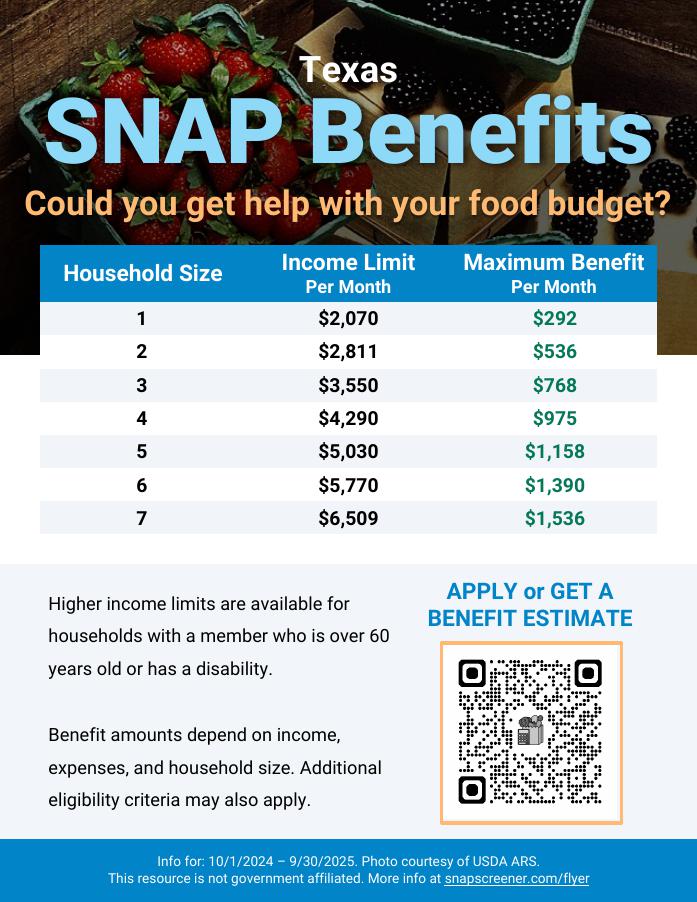
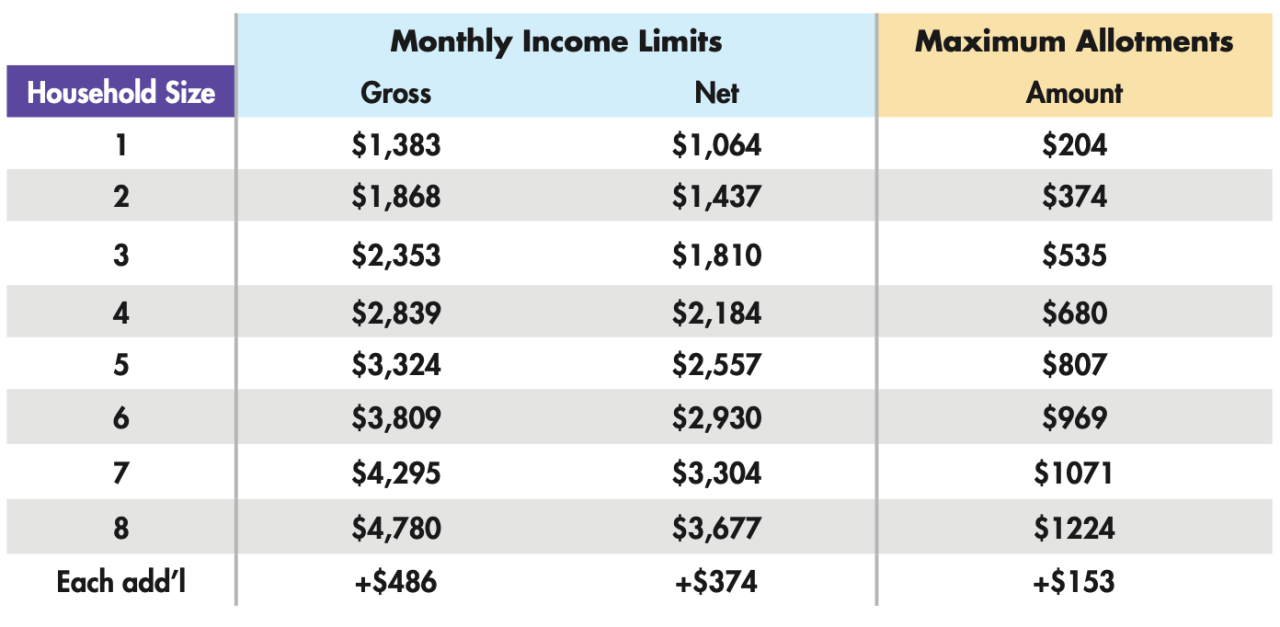
Eligibility for SNAP benefits in Texas is determined by several factors, primarily focusing on household income, assets, and residency status. Generally, to qualify, your household’s gross monthly income (before deductions) must be at or below 130% of the Federal Poverty Level, and your net monthly income (after deductions) must be at or below 100% of the Federal Poverty Level. Asset limits also apply, although certain assets like your primary residence and one vehicle are typically excluded. For most households, countable assets must not exceed $2,750. However, for households with at least one member aged 60 or older, or a member with a disability, the asset limit is higher, at $4,250.
Beyond financial criteria, applicants must be residents of Texas and be either U.S. citizens or eligible legal non-citizens. There are also general work requirements for able-bodied adults without dependents, which may involve participating in work-related activities or holding a job. However, exemptions exist for various reasons, including age, disability, and caring for a child. Students enrolled in higher education programs also have specific eligibility criteria, often requiring them to work a certain number of hours or meet other conditions. It’s important to remember that these rules can be complex, and HHSC evaluates each application individually, considering all circumstances. If you’ve just moved to Texas for a long-term stay and are finding your footing, these criteria are the first hurdle in accessing vital food assistance.
Specific Considerations for Texas Residents
Texas has its nuances when it comes to SNAP eligibility and benefit administration. The state emphasizes streamlined access while ensuring program integrity. For example, while federal guidelines provide a framework, Texas has implemented its own administrative procedures to process applications efficiently. This includes the accessibility of HHSC offices across major cities like Houston and San Antonio, providing in-person support for those who prefer face-to-face assistance or lack internet access.
Furthermore, Texas prioritizes outreach to vulnerable populations, including the elderly, individuals with disabilities, and families with young children. They often collaborate with community organizations to help spread awareness and assist with the application process, particularly in rural areas where access to services might be more challenging. Understanding these local efforts can be beneficial, especially for those new to the state who might not be familiar with the various support networks available. The state also has provisions for expedited processing for households with very low or no income, or those facing immediate crisis, ensuring that the most vulnerable receive assistance within days rather than weeks. This emphasis on rapid response for urgent needs highlights Texas’ commitment to food security for all its residents, a valuable insight for anyone considering a significant lifestyle change, like a move, that might temporarily impact their financial stability.
The Application Process: Navigating Your Path to Food Security in the Lone Star State
Applying for food stamps in Texas is a structured process designed to be accessible, though it requires careful attention to detail and documentation. Whether you’re a seasoned Texas resident or a newcomer adjusting to life in a new city like Austin, understanding each step will help ensure a smoother application experience. The goal is to provide HHSC with all the necessary information to determine your eligibility accurately and efficiently, ultimately granting you access to the food assistance you need.
Methods of Application
Texas offers several convenient ways to apply for SNAP benefits, allowing applicants to choose the method that best suits their individual circumstances and access to technology. The most common and often recommended method is to apply online through YourTexasBenefits.com. This user-friendly portal allows you to complete the application from the comfort of your home, upload required documents, and track the status of your application. For many, especially those who are tech-savvy or have limited mobility, this online option provides unparalleled ease and efficiency, fitting perfectly with a modern lifestyle.
Alternatively, if you prefer in-person assistance or have questions that are best addressed face-to-face, you can visit a local HHSC office. These offices are located throughout Texas, including major metropolitan areas and smaller towns, making them accessible to a wide range of residents. Staff members are available to guide you through the application, answer your questions, and help you gather necessary documentation. This option can be particularly beneficial for individuals who are not comfortable with online forms or who may need additional support due to language barriers or other challenges. Finally, you can also apply by mail or fax. You can print an application form from YourTexasBenefits.com, complete it, and then mail or fax it to HHSC. While this method might take longer for processing, it provides flexibility for those without immediate internet access or transportation. Regardless of the method chosen, the key is to submit a complete and accurate application to avoid delays.
Required Documents for Your Application
To process your SNAP application, HHSC will require specific documents to verify your household’s eligibility. Having these documents ready when you apply can significantly speed up the approval process. You will need to provide proof of identity for all household members, such as a Texas ID, driver’s license, birth certificate, or passport. Proof of residency is also essential, which can include a utility bill, a lease agreement, or a piece of mail addressed to you in Texas.
Income verification is a critical component, requiring documentation like recent pay stubs, an employer statement, self-employment ledgers, or benefit award letters (e.g., Social Security, unemployment). For those with assets, bank statements, property deeds, or vehicle titles may be requested. Additionally, you will need to provide Social Security numbers for everyone in your household applying for benefits. While not always mandatory for the initial application, providing documentation for deductible expenses such as medical costs for elderly or disabled household members, child care expenses, and shelter costs (rent/mortgage and utilities) can increase your eligible benefit amount. These deductions help to lower your countable income, potentially qualifying you for more assistance. Remember, the more thoroughly you prepare your documents, the less likely you are to experience delays or requests for additional information, making your journey to food security smoother.
The Interview and Decision
Once your application is submitted, a mandatory interview with an HHSC caseworker is the next crucial step. This interview can typically be conducted over the phone, but in some cases, an in-person interview might be scheduled. The purpose of the interview is to clarify any information provided in your application, verify details, and discuss your household’s circumstances more thoroughly. The caseworker may ask about your living situation, income, expenses, and any changes that may have occurred since you submitted your application. This is also an opportunity for you to ask any questions you may have about the program or your application status. It’s important to be honest and provide accurate information during this conversation.
After the interview, HHSC will review all the gathered information and make a decision on your eligibility. Federal regulations mandate that a decision must be made within 30 days of the date you submitted your application. However, for households with urgent needs, such as those with very little or no money and immediate food needs, an expedited service can provide benefits within seven calendar days. If approved, you will receive a notice of approval detailing your benefit amount and when to expect your benefits. If your application is denied, you will receive a written notice explaining the reason for the denial and your right to appeal the decision. Understanding this timeline and process is vital for managing expectations and preparing for when your food assistance will begin, an essential part of maintaining a stable lifestyle in Texas.
Receiving and Utilizing Your SNAP Benefits in Texas
Once approved for SNAP benefits, the next step is understanding how to access and wisely use your assistance. Texas has implemented a modern, efficient system that makes purchasing food discreet and convenient, integrating seamlessly into your daily life. This helps ensure that the focus remains on healthy eating and food security, allowing you to allocate your remaining budget to other aspects of your lifestyle, whether it’s for travel within the state or securing comfortable accommodation.
The Lone Star Card (EBT)
In Texas, SNAP benefits are issued electronically via the Lone Star Card. This card functions much like a standard debit card, providing a convenient and confidential way to access your food assistance. Once your application is approved, your Lone Star Card will be mailed to you, along with instructions on how to activate it and select a Personal Identification Number (PIN). On a specific date each month, your approved benefit amount will be electronically loaded onto your card.
This electronic system offers several advantages: it eliminates the stigma associated with traditional food stamps, provides easy tracking of your balance and purchases, and is widely accepted across a vast network of authorized retailers. From major supermarket chains in Houston to local grocery stores in smaller towns, thousands of establishments across Texas accept the Lone Star Card. Many farmers’ markets also participate, allowing you to support local agriculture and access fresh, seasonal produce, which aligns with an appreciation for local culture and food. Using the card is simple: swipe it at the checkout, enter your PIN, and the purchase amount is deducted from your balance. It’s a straightforward system designed to make obtaining nutritious food as hassle-free as possible.
What You Can (and Cannot) Buy
Understanding what items are permissible for purchase with your Lone Star Card is crucial to avoid any issues at the checkout. The SNAP program is specifically designed to help households purchase food for home consumption. This means you can buy a wide range of groceries, including fruits, vegetables, meat, poultry, fish, dairy products, bread, cereals, and snack foods. Non-alcoholic beverages, such as juices and sodas, are also allowed. Furthermore, you can purchase seeds and plants that produce food for your household to grow your own produce, fostering a connection to sustainable living and local food sources.
However, there are strict limitations on what cannot be bought with SNAP benefits. You cannot use your Lone Star Card to purchase alcoholic beverages, tobacco products, or hot prepared foods that are ready for immediate consumption from restaurants or deli counters. Non-food items are also prohibited, including pet food, cleaning supplies, paper products, household goods, soap, and vitamins or medicines. While the focus of the program is food, it’s worth noting that other federal and state programs may offer assistance for these non-food necessities. By adhering to these guidelines, you can ensure responsible use of your benefits and continue to meet your household’s nutritional needs effectively while living or visiting Texas.
Managing Your Benefits and Seeking Further Assistance
Effective management of your SNAP benefits ensures you maximize their utility throughout the month. You can check your Lone Star Card balance and review transaction history through several convenient methods. This includes calling the toll-free customer service number provided with your card, checking online via YourTexasBenefits.com, or by looking at your last store receipt. Regular monitoring helps you budget your food purchases and plan meals, which is an important aspect of a balanced lifestyle, especially when managing finances for travel or an extended stay.
It is vital to report any changes in your household circumstances to HHSC promptly. This includes changes in income, household size, address, or employment status. Such changes can affect your eligibility or the amount of benefits you receive, and failing to report them can lead to overpayments that you may be required to repay. HHSC provides clear guidance on how to report these changes, typically through YourTexasBenefits.com or by contacting a caseworker. If you have questions about your benefits, need to report a lost or stolen card, or wish to dispute a decision, the HHSC customer service line and local offices are available resources. Understanding your rights and responsibilities as a SNAP recipient is key to maintaining continuous access to this essential support, ensuring that your time in Texas, whether short-term or long-term, is as secure and fulfilling as possible.
In conclusion, navigating the process of obtaining food stamps in Texas is a structured but manageable journey designed to support individuals and families in need. From understanding eligibility criteria to successfully applying, undergoing an interview, and finally utilizing the Lone Star Card, each step is geared towards ensuring food security. For anyone embarking on a new life in Texas, planning a long-term stay, or simply facing unforeseen financial challenges, the SNAP program provides a crucial safety net. By leveraging resources like YourTexasBenefits.com and the assistance available through the Texas Health and Human Services Commission, you can navigate this process with confidence, allowing you to focus on discovering the rich experiences, diverse communities, and unique lifestyle that the Lone Star State has to offer.
LifeOutOfTheBox is a participant in the Amazon Services LLC Associates Program, an affiliate advertising program designed to provide a means for sites to earn advertising fees by advertising and linking to Amazon.com. Amazon, the Amazon logo, AmazonSupply, and the AmazonSupply logo are trademarks of Amazon.com, Inc. or its affiliates. As an Amazon Associate we earn affiliate commissions from qualifying purchases.