
The journey between two of the United States’ most iconic cities, Boston and New York City, is a popular one, traversed by millions of travelers each year. Whether you’re a student heading home for a break, a business professional attending meetings, or a tourist eager to explore two distinct yet equally vibrant cultural hubs, understanding your transportation options is key to a smooth and enjoyable trip. Fortunately, the distance between these two metropolises, approximately 215 miles, is well-served by a variety of convenient and efficient methods. From the speed of air travel to the scenic embrace of the train, and the flexibility of a road trip, there’s a perfect mode of transport to suit every budget, time constraint, and travel style. This guide will delve into the most popular ways to get from Boston to New York, offering insights into travel times, costs, comfort, and the unique experiences each option provides.
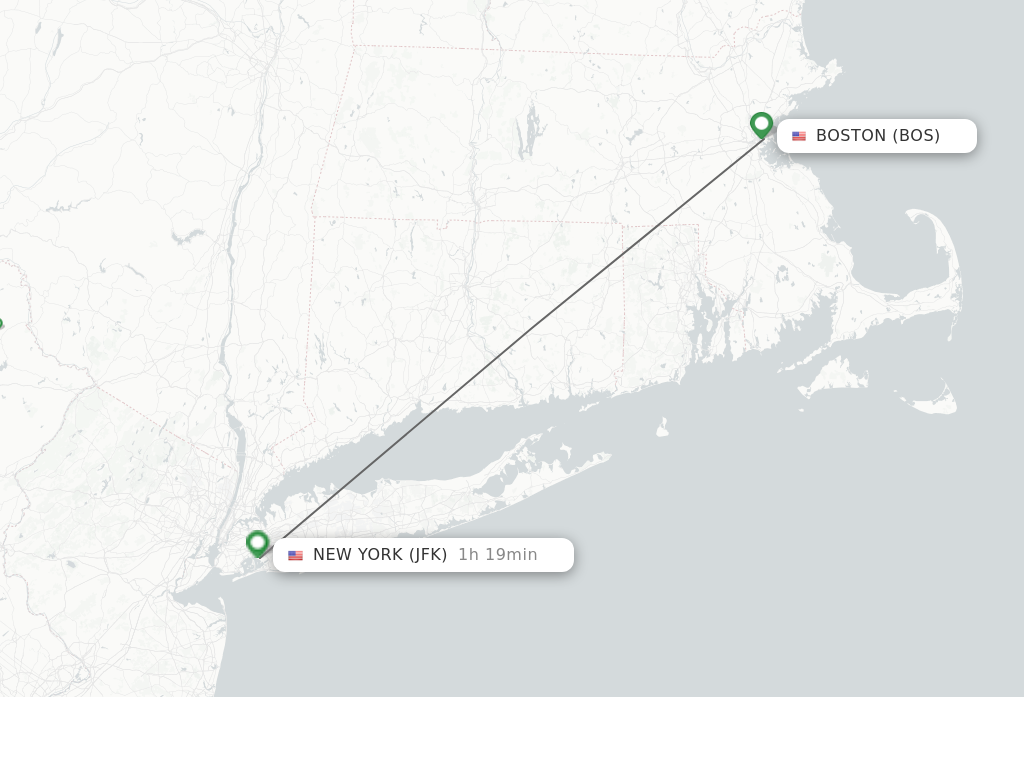
The Swift Ascent: Flying Between Boston and New York
For those prioritizing speed above all else, flying is undeniably the quickest way to bridge the gap between Boston and New York. Both cities boast major international airports, ensuring frequent flight schedules and a high degree of convenience.
Logan International Airport to the Big Apple’s Airports
Boston‘s primary airport is Logan International Airport (BOS), a bustling hub with extensive domestic and international connections. New York City, on the other hand, is served by three major airports: John F. Kennedy International Airport (JFK), LaGuardia Airport (LGA), and Newark Liberty International Airport (EWR) in New Jersey, though often considered part of the New York metropolitan area.
Flights between Boston and New York are plentiful, with numerous airlines offering dozens of daily departures. The actual flight time is remarkably short, typically around 1 hour to 1 hour and 30 minutes. This makes air travel an attractive option for those with limited time, such as business travelers on tight schedules or day-trippers.
However, it’s crucial to factor in the total travel time when considering flying. This includes the time spent traveling to the airport, going through security, boarding, and then the journey from the New York airport to your final destination in the city. While the flight itself is fast, the airport procedures and transfers can add a significant amount of time. For example, getting from Manhattan to JFK can take anywhere from 45 minutes to over an hour, depending on traffic and your chosen mode of transport. Similarly, exiting the airport and reaching your hotel in New York requires additional time.
The cost of flights can vary significantly based on the airline, the time of booking, the day of the week, and the season. Booking in advance, especially for non-peak travel times, can yield the best deals. Budget airlines often offer competitive fares, but it’s essential to be aware of any additional fees for baggage or seat selection. Major carriers like American Airlines, Delta Air Lines, and United Airlines also operate frequent routes. For a more luxurious experience, consider airlines offering premium cabins with enhanced amenities, though these come at a higher price point.
When choosing an airport in New York, consider your final destination. LGA is often the most convenient for those heading to Queens or parts of Manhattan east of Central Park. JFK is a major international gateway and well-connected to all parts of New York City via public transport. EWR, while in New Jersey, is a viable option for those traveling to Manhattan‘s west side and offers excellent train connections.
The Scenic Route: Amtrak Trains Between Boston and New York
For many travelers, the train journey between Boston and New York offers a compelling blend of speed, comfort, and a more relaxed pace compared to flying. Amtrak’s Acela Express and the Northeast Regional service provide excellent options for this corridor.
Acela Express: The High-Speed Choice
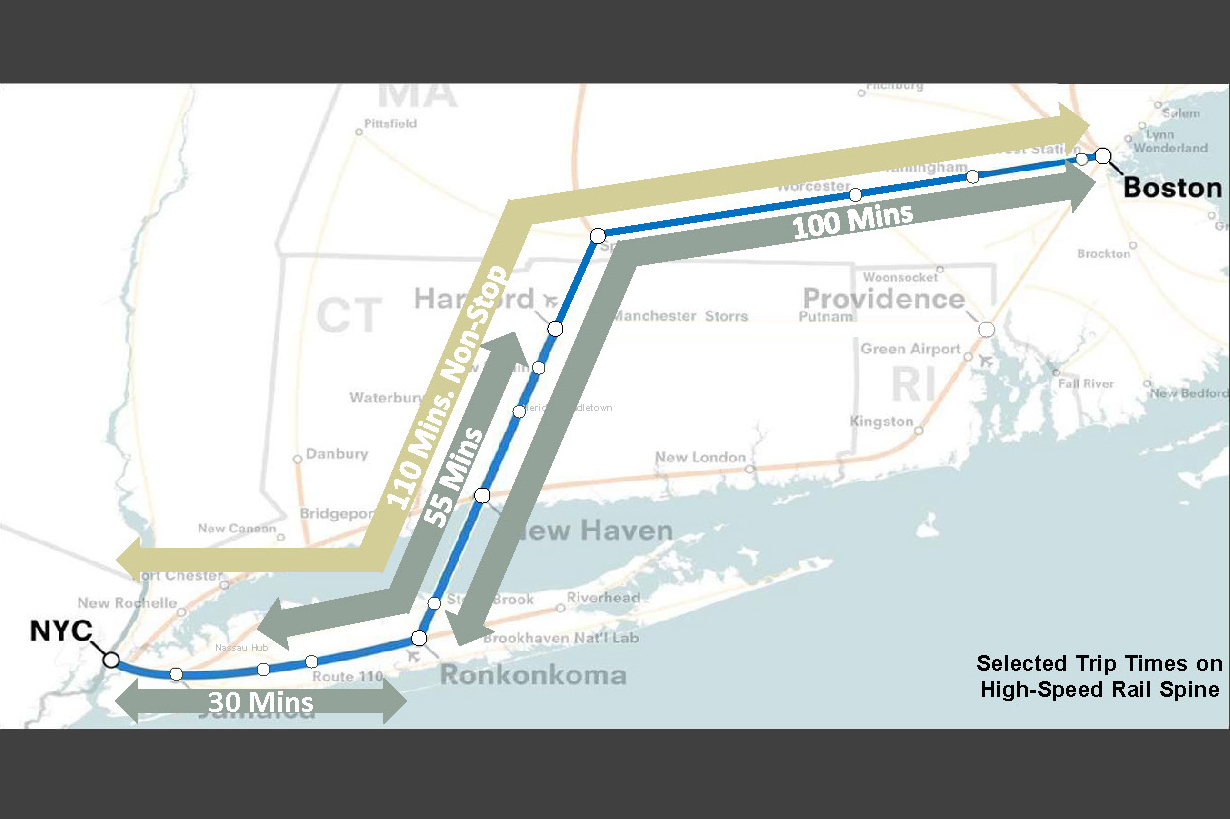
The Acela Express is Amtrak’s premier high-speed train, designed to make the journey between Boston‘s South Station and New York‘s Penn Station as efficient as possible. While not as fast as European high-speed rail, it is significantly faster than conventional trains. A typical Acela Express journey takes approximately 3 hours and 30 minutes to 3 hours and 45 minutes. This speed is achieved through dedicated tracks and modern train technology.
The Acela offers a more upscale experience. Seats are generally more spacious than on other train services, with ample legroom and reclining capabilities. Power outlets are available at most seats, allowing you to keep your devices charged throughout the journey, which is a boon for business travelers or those who like to stay connected. Complimentary Wi-Fi is also usually provided, though its reliability can vary. Dining options are available onboard, ranging from a café car with snacks and beverages to a more formal dining experience in first class.
The advantages of the Acela are evident: you arrive directly in Penn Station, located in the heart of Manhattan, eliminating the need for airport transfers. This central arrival point makes it incredibly convenient to reach your hotel or onward travel connections. The stress of airport security is also bypassed, allowing you to arrive at the station closer to departure time. The onboard experience is generally more comfortable and less cramped than on an airplane, offering the opportunity to relax, work, or simply watch the scenery go by.
Northeast Regional: The Value Option
Amtrak’s Northeast Regional service offers a more budget-friendly alternative to the Acela. While it makes more stops along the route, its journey time is still competitive, typically ranging from 4 hours to 4 hours and 30 minutes. This makes it a viable option for those who don’t need the absolute fastest travel time and are looking to save on their transportation costs.
The Northeast Regional trains are still comfortable, offering similar seating and amenities to the Acela, though perhaps with slightly less legroom and fewer premium services. Wi-Fi and power outlets are usually available. The café car provides refreshments, and the overall journey remains a pleasant and stress-free way to travel between the two cities.
The primary benefit of both Amtrak services is their city-center to city-center convenience. Boston South Station and New York Penn Station are major transportation hubs, easily accessible by public transit within their respective cities. This avoids the often-lengthy and costly transfers associated with airports.
When booking Amtrak tickets, prices can vary based on demand and how far in advance you book. Booking early is generally recommended to secure the best fares, especially for the Acela Express, which can be more expensive due to its speed and premium services. Look out for potential discounts or special offers that Amtrak may run.
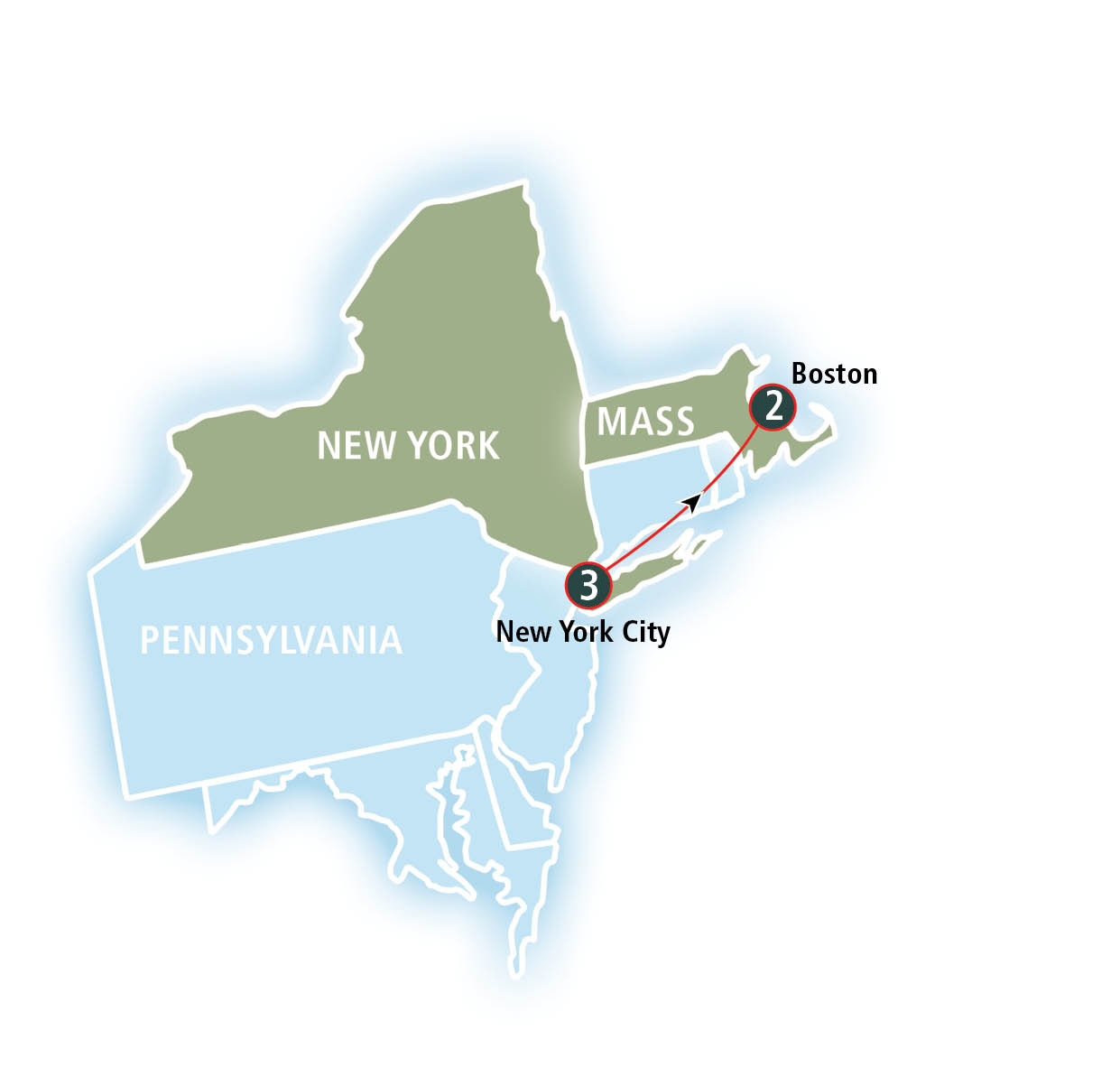
The Open Road: Driving and Bus Travel from Boston to New York
For travelers who prefer flexibility, enjoy the journey itself, or are traveling with a group or a significant amount of luggage, driving or taking a bus can be appealing options.
Driving Your Own Vehicle: The Ultimate Flexibility
Driving from Boston to New York offers the utmost in flexibility. You can depart on your own schedule, stop wherever and whenever you please, and carry as much luggage as your vehicle can hold. The route is primarily covered by Interstate 90 West (the Massachusetts Turnpike) and then Interstate 87 South or Interstate 95 South to New York. The distance is roughly 215 miles, and under ideal traffic conditions, the drive can take around 3 hours and 30 minutes to 4 hours.
However, New York City traffic is notoriously unpredictable and often heavy, especially during peak hours and on weekdays. It’s not uncommon for the drive to extend to 5 hours or even longer, particularly when approaching the city. Furthermore, parking in New York City can be a significant challenge and expense. Many hotels charge high daily rates for parking, and finding street parking can be a frustrating and time-consuming endeavor. For these reasons, many travelers opt to drive to a transit hub outside of Manhattan and then take public transportation into the city, or utilize ride-sharing services or taxis once they arrive.
Consider the cost of gas, tolls (which can be substantial on this route, especially on the Massachusetts Turnpike and bridges into New York), and potential parking fees when budgeting for a driving trip.
Bus Services: An Economical and Increasingly Comfortable Choice
Bus travel between Boston and New York has seen a significant upgrade in recent years, with several companies offering comfortable and affordable options. Companies like FlixBus, Peter Pan Bus Lines, and Greyhound operate frequent services.
The journey by bus typically takes longer than driving directly, ranging from 4 hours to 5 hours, depending on traffic and the number of stops. However, buses often drop passengers off at central locations, such as Port Authority Bus Terminal in Manhattan, which is conveniently located and well-connected to the New York City Subway system.
Modern coaches often feature amenities such as Wi-Fi, power outlets, and reclining seats, making the journey more comfortable than it used to be. This makes bus travel a very economical option, especially for budget-conscious travelers or students. Booking tickets in advance is usually recommended to secure the best prices and ensure availability, particularly during busy travel periods.
When deciding between driving and taking a bus, consider your priorities. If flexibility and personal control over your itinerary are paramount, driving might be the choice. However, if cost-effectiveness, avoiding the stress of driving and parking in New York City, and a relaxed journey are more important, then a bus service could be the ideal solution.
Making Your Choice: Factors to Consider
When planning your trip from Boston to New York, several factors will influence your decision on the best mode of transportation.
Time vs. Cost: Finding Your Balance
The primary trade-off for most travelers is between time and cost. Flying offers the shortest travel time but can be the most expensive, especially when factoring in airport transfers. Amtrak’s Acela Express offers a good balance of speed and comfort, but it comes at a premium price. The Northeast Regional train provides a more budget-friendly rail option with a slightly longer journey time. Bus travel is generally the most economical choice but also the slowest. Driving offers flexibility but can be costly and time-consuming due to traffic and parking.
Comfort and Experience: What Kind of Journey Do You Desire?
Your ideal travel experience will also guide your choice. If you value legroom, the ability to move around, and the scenery, train travel is an excellent option. If you prefer to work or relax without the hassle of airport security, a train is ideal. Flying can be efficient for those who don’t mind the airport process and prioritize reaching their destination as quickly as possible. Bus travel has improved significantly, offering a more comfortable experience than in the past, and it can be a great way to see the countryside.
Luggage and Companions: Traveling Smart
The amount of luggage you’re bringing and the number of people you’re traveling with can also influence your decision. If you have a lot of luggage, driving might be the easiest option, or you’ll need to be mindful of airline baggage fees. Traveling with a family or a group might make driving or booking train tickets together more cost-effective and convenient than individual plane tickets.
Final Destination in New York: Proximity Matters
Consider where you are staying in New York City. If you are heading to a part of Manhattan easily accessible from Penn Station or Port Authority Bus Terminal, train or bus travel becomes incredibly convenient. If your destination is closer to one of the New York airports, flying might be more direct.
Ultimately, the “best” way to get from Boston to New York is subjective and depends on your individual needs and preferences. By carefully weighing these factors, you can choose the transportation method that will make your journey between these two captivating cities as enjoyable and seamless as possible. Whether you choose to soar through the skies, glide along the rails, or navigate the open road, the adventure from Boston to New York awaits.
LifeOutOfTheBox is a participant in the Amazon Services LLC Associates Program, an affiliate advertising program designed to provide a means for sites to earn advertising fees by advertising and linking to Amazon.com. Amazon, the Amazon logo, AmazonSupply, and the AmazonSupply logo are trademarks of Amazon.com, Inc. or its affiliates. As an Amazon Associate we earn affiliate commissions from qualifying purchases.