
For countless individuals, the ability to travel and experience new places is a cornerstone of a fulfilling lifestyle. However, for those living with disabilities, navigating unfamiliar environments or even daily routines can present unique challenges. In the sprawling and diverse landscape of Texas, a state renowned for its vibrant cities, breathtaking natural landmarks, and rich cultural heritage, ensuring accessibility is paramount for both its residents and the millions of tourists who visit annually. One of the most fundamental tools for enhancing mobility and independence for people with disabilities is the disabled parking permit, often colloquially referred to as a “handicap sticker.”

Understanding how to obtain and properly utilize a disabled parking permit in Texas is not just a matter of convenience; it’s a crucial step towards unrestricted exploration and participation in all that the Lone Star State has to offer. Whether you’re planning a trip to the bustling streets of Houston, a cultural tour through San Antonio, an outdoor adventure in Big Bend National Park, or simply running errands in your hometown, having the correct permit ensures you can access designated parking spaces, significantly reducing physical strain and improving overall travel efficiency. This comprehensive guide will walk you through everything you need to know about acquiring a disabled parking permit in Texas, ensuring your journeys are as smooth and enjoyable as possible.
Understanding Texas Disabled Parking Permits
Before delving into the application process, it’s essential to grasp the fundamental aspects of disabled parking permits in Texas. These permits are not merely a privilege but a necessity for individuals whose mobility is significantly impaired, providing access to specially marked parking spaces that are typically wider and closer to building entrances. This section will clarify who qualifies and the different types of permits available.
Who Qualifies for a Disabled Parking Permit in Texas?
Eligibility for a disabled parking permit in Texas is determined by specific medical conditions that limit a person’s mobility. The primary criterion is that an individual must have a qualifying disability certified by a licensed medical professional. According to Texas law, a “disability” refers to a condition in which a person:
- Cannot walk without the aid of another person or a device: This includes walkers, crutches, canes, or wheelchairs.
- Is restricted by lung disease to such an extent that the person’s forced expiratory volume for one second, when measured by spirometry, is less than one liter, or the arterial oxygen tension is less than 60 mm/hg on room air at rest.
- Has a cardiac condition to the extent that the person’s functional limitations are classified in severity as Class III or Class IV according to standards set by the American Heart Association.
- Is severely limited in the ability to walk due to an arthritic, neurological, or orthopedic condition.
- Has a severe visual impairment, including blindness.
- Is missing a lower extremity or has a permanent loss of use of a lower extremity.
- Has a disability that, in the opinion of a physician, creates a mobility impairment for which a person would benefit from a disabled parking placard.
It’s crucial that your qualifying disability is certified by a licensed physician, podiatrist, or chiropractor who is authorized to practice in the United States. This medical professional will need to complete a specific section of the application form, confirming the nature and severity of your disability.
Types of Disabled Parking Permits Available
Texas offers several types of disabled parking permits to cater to varying needs, ensuring flexibility for both temporary and permanent conditions. Understanding these options is key to applying for the most appropriate permit.
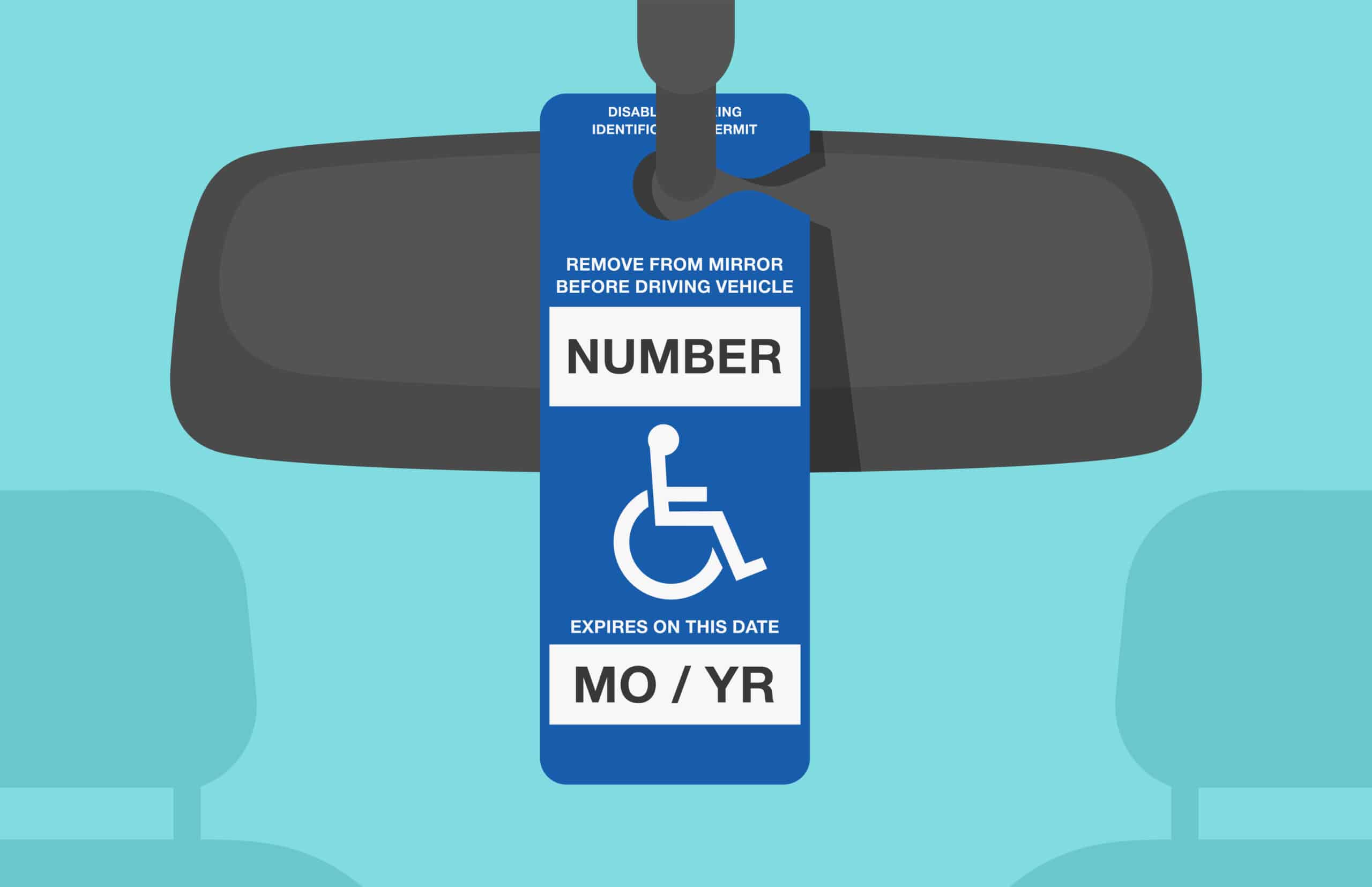
- Permanent Disabled Parking Placard: This is the most common type for individuals with long-term or permanent disabilities. These placards are typically blue and are valid for a maximum of four years. They must be displayed on the rearview mirror when the vehicle is parked in a designated accessible spot and removed when the vehicle is in motion. A person can receive up to two permanent placards.
- Temporary Disabled Parking Placard: Designed for individuals with short-term mobility impairments, such as those recovering from surgery or a temporary injury. These placards are red and are valid for a period specified by the certifying medical professional, not exceeding six months. Only one temporary placard may be issued to a person.
- Disabled Person License Plates: For individuals with permanent disabilities who own a vehicle, specially designed license plates featuring the international symbol of access can be issued. These plates allow the vehicle to be parked in designated disabled parking spaces without needing a separate placard, as long as the disabled person is the driver or a passenger in the vehicle. To qualify, the vehicle must be registered in the name of the disabled person, or a person who transports a disabled person.
- Disabled Veteran License Plates: Veterans with a service-connected disability of 50% or more, or those who receive individual unemployability compensation, are eligible for disabled veteran license plates. These plates confer the same parking privileges as disabled person license plates.
Choosing between a placard and license plates depends on your situation. If you primarily drive your own vehicle and have a permanent disability, disabled person license plates might be the most convenient option. If you are often a passenger in different vehicles or do not own a car, a permanent placard offers greater flexibility.
The Application Process: A Step-by-Step Guide
Obtaining your disabled parking permit in Texas involves a clear, structured process. By following these steps carefully, you can ensure a smooth application and avoid unnecessary delays.
Gathering Necessary Documentation
The cornerstone of a successful application is having all the required documents in order. The primary document you’ll need is the Application for Persons with Disabilities Parking Placard and/or Plates, also known as Form VTR-214.
Here’s what you’ll need to prepare:
- Form VTR-214 (Application): This form can be downloaded from the official TxDMV (Texas Department of Motor Vehicles) website or obtained in person at your local County Tax Assessor-Collector office. The form has two main sections:
- Applicant Information: You will fill in your personal details, including your name, address, driver’s license number (or state ID number), and the type of permit you are requesting (permanent placard, temporary placard, or disabled person plates).
- Medical Professional Certification: This crucial section must be completed and signed by your licensed medical professional. They will attest to your qualifying disability and, for temporary placards, specify the duration of the permit’s validity. Ensure your doctor includes their license number, address, and signature. Without this, your application will be rejected.
- Proof of Identity: You’ll typically need to present a valid Texas driver’s license or state-issued identification card.
- Vehicle Registration (if applying for plates): If you are applying for disabled person license plates, you will need to provide your current vehicle registration and proof of insurance. The vehicle must be registered in your name (or in the name of a person who transports you).
- Payment: While permanent placards are typically free, temporary placards often have a small fee. Disabled person license plates will incur standard registration fees in addition to any specialized plate fees. Check with your local County Tax Assessor-Collector for current fee schedules.
Pro-tip: Before visiting the County Tax Assessor-Collector office, call ahead to confirm their specific requirements and operating hours. This can save you a significant amount of time and effort.
Submitting Your Application
Once you have gathered all your documentation and the medical professional has completed their section of Form VTR-214, you are ready to submit your application.
- In Person: The most common and recommended method is to submit your application in person at your local County Tax Assessor-Collector office. This allows staff to review your application immediately, ensuring all information is correct and complete, and often enables you to receive your placard on the same day. These offices are available in every Texas county, from Harris County (serving Houston) to Dallas County.
- By Mail: Some counties may allow applications to be submitted by mail. If you choose this option, make sure to send original, completed forms and any required copies of identification. It’s advisable to send it via certified mail to ensure delivery and have a tracking record. Processing times may be longer for mailed applications.
- Online: Currently, initial applications for disabled parking permits in Texas typically require a physical submission due to the medical professional’s signature requirement. However, renewals (especially for permanent placards) might offer online options in the future or through specific county services. Always check the official TxDMV website for the most up-to-date information.

What to Expect After Application
If you apply in person, and your application is complete and accurate, you will often receive your permanent or temporary disabled parking placard immediately. If you are applying for disabled person license plates, these will be mailed to you, and you will typically receive a temporary permit to use in the interim.
If there are any issues with your application, the staff at the County Tax Assessor-Collector office will inform you of what needs to be corrected or provided. This is another reason why in-person submission is often preferred, as it allows for immediate resolution of potential problems.
Maximizing Your Accessible Travel in Texas
A disabled parking permit is more than just a piece of plastic; it’s a passport to greater freedom and accessibility. Texas is a vast state, and having this permit can profoundly enhance your ability to explore its rich tapestry of destinations.
Navigating Texas with Your Permit
With your disabled parking permit in hand, you unlock access to specially designated parking spaces throughout Texas. These spaces are typically located in prime spots, closer to entrances of buildings, attractions, and businesses. This can significantly reduce the distance you need to travel on foot, conserve energy, and make your experiences more enjoyable.
Imagine visiting historical sites like The Alamo in San Antonio, enjoying the vibrant arts scene in Austin, or exploring the museums of Dallas. Having accessible parking means you can focus on the experience itself, rather than worrying about finding a suitable parking spot far away. It opens up opportunities to visit natural wonders along the Gulf Coast or delve into the unique culture of small towns, knowing that accessibility has been considered.
Important Note: While your Texas disabled parking permit is generally recognized in all United States states, parking laws can vary. If traveling outside of Texas, it’s always wise to briefly research the disabled parking regulations of your destination state or city to ensure compliance.
Beyond the Permit: Additional Accessibility Resources
While the disabled parking permit is a vital tool, it’s just one piece of the puzzle for accessible travel. Many cities and attractions in Texas have made significant strides in providing broader accessibility resources.
- Accessible Transportation: Many major Texas cities offer accessible public transportation options, including buses with ramps or lifts, and paratransit services for those who cannot use fixed-route transit.
- Accessible Accommodation: When booking hotels or accommodation, look for properties that explicitly mention accessibility features such as roll-in showers, grab bars, wider doorways, and accessible common areas. Many travel websites allow you to filter results for accessibility.
- Accessible Attractions: Before visiting an attraction, check its website or call ahead to inquire about specific accessibility features. Many museums, parks, and entertainment venues provide detailed information on wheelchair access, accessible restrooms, and services for individuals with visual or hearing impairments. For example, the San Antonio River Walk has numerous ramps and elevators to make its scenic pathways accessible.
- Travel Planning Resources: Organizations focused on disability rights and accessible travel often provide invaluable guides and tips for exploring different regions. Leverage these resources to plan your itinerary effectively.
Integrating your disabled parking permit with these additional resources creates a seamless and enriching travel experience throughout Texas, empowering you to embrace new adventures without unnecessary hurdles.
Ensuring Compliance and Avoiding Issues
Possessing a disabled parking permit comes with significant responsibilities. Misuse or misunderstanding the rules can lead to fines, penalties, or even the revocation of your permit. Adhering to the regulations ensures the integrity of the program and respects those who genuinely need these accommodations.
Rules and Regulations for Disabled Parking
To prevent misuse and maintain the effectiveness of the disabled parking program, Texas has strict rules:
- Who Must Be Present: The disabled parking placard or license plates are only valid when the person with the disability is either driving the vehicle or is a passenger in the vehicle. It is illegal for an able-bodied person to use the permit to park in a disabled space if the person with the disability is not present.
- Displaying the Placard: Permanent and temporary placards must be clearly displayed on the rearview mirror of the vehicle when parked in a designated disabled space. They should be removed when the vehicle is in motion to avoid obstructing the driver’s view.
- Expiration Dates: Always be mindful of the expiration date on your placard or license plates. An expired permit is invalid, and parking with one can result in a fine.
- Parking Meter Exemptions: In Texas, a vehicle displaying a disabled parking permit or license plates is exempt from paying a fee at a parking meter, unless the local municipality has passed an ordinance requiring payment. Always check local signage or municipal websites if you are unsure about a specific city’s policy. This exemption does not apply to private parking garages or lots, which may still charge a fee.
- Penalties for Misuse: Misusing a disabled parking permit is a serious offense in Texas, carrying hefty fines (up to $1,250), court costs, and possible community service. Repeat offenders may face even more severe consequences, including the impoundment of their vehicle. Forgery or falsification of a medical professional’s signature is a criminal offense.
Understanding and respecting these rules is not only about avoiding penalties but also about upholding the spirit of the law, which is to provide necessary access for those with genuine mobility impairments.
Renewing Your Texas Disabled Parking Permit
Just like your driver’s license or vehicle registration, disabled parking permits have expiration dates. It’s important to stay on top of renewals to ensure continuous access to accessible parking.
- Permanent Placards: Permanent placards are valid for up to four years. The TxDMV usually sends a renewal notice to the address on file before the expiration date. Renewals typically do not require new medical certification unless there has been a significant change in your condition or a policy update. You can often renew online, by mail, or in person at your County Tax Assessor-Collector office.
- Temporary Placards: Temporary placards are issued for a specific duration, not exceeding six months. These are generally not renewable in the traditional sense. If your temporary condition persists beyond the initial six months, you will likely need to reapply for a new temporary placard, requiring fresh certification from your medical professional.
- Disabled Person License Plates: These plates are renewed annually along with your vehicle registration. The renewal process is typically the same as for standard license plates.
Staying informed about your permit’s expiration date and understanding the renewal process will prevent any lapse in your accessible parking privileges, ensuring your continued independence and freedom to travel throughout Texas.
In conclusion, obtaining a disabled parking permit in Texas is a straightforward process when you have the right information. It’s an essential step for individuals with mobility impairments to fully experience the rich culture, diverse landscapes, and vibrant communities of the Lone Star State. By understanding the eligibility criteria, meticulously preparing your application, and adhering to the rules of use, you can unlock a world of accessible travel and enjoy a more independent and fulfilling lifestyle.
LifeOutOfTheBox is a participant in the Amazon Services LLC Associates Program, an affiliate advertising program designed to provide a means for sites to earn advertising fees by advertising and linking to Amazon.com. Amazon, the Amazon logo, AmazonSupply, and the AmazonSupply logo are trademarks of Amazon.com, Inc. or its affiliates. As an Amazon Associate we earn affiliate commissions from qualifying purchases.