
Embarking on the journey to obtain your learner’s permit in Florida is a significant milestone, opening doors to independence, exploration, and the vibrant lifestyle this sunny state offers. For aspiring drivers, particularly those eager to navigate Florida’s diverse landscapes, from the bustling streets of Miami to the serene beaches of Sarasota or the theme park capital of Orlando, understanding the process is the first crucial step. This permit, often referred to as a “Class E Learner’s Permit,” is your initial gateway to experiencing the freedom of the open road, eventually leading to unforgettable travel adventures and seamless access to Florida’s incredible destinations, attractions, and landmarks.
Whether you’re dreaming of a road trip down US-1 to the Florida Keys, easy access to various hotels and resorts, or simply the convenience of driving yourself to school or work, securing your learner’s permit is fundamental. This comprehensive guide will walk you through every aspect of acquiring your Florida learner’s permit, ensuring you’re well-prepared for each step, from eligibility requirements to navigating the Department of Highway Safety and Motor Vehicles (DHSMV) office.
Understanding the Florida Learner’s Permit: Your First Step to Freedom
The Florida learner’s permit is more than just a piece of plastic; it’s a symbol of burgeoning independence and a ticket to discovering the vast opportunities for tourism and lifestyle experiences that Florida offers. Before you can hit the road, even with a supervisor, it’s essential to grasp what this permit entails and who is eligible to apply for it.
Who is Eligible for a Florida Learner’s Permit?
To be eligible for a Florida Class E Learner’s Permit, applicants must meet specific criteria primarily related to age and residency.
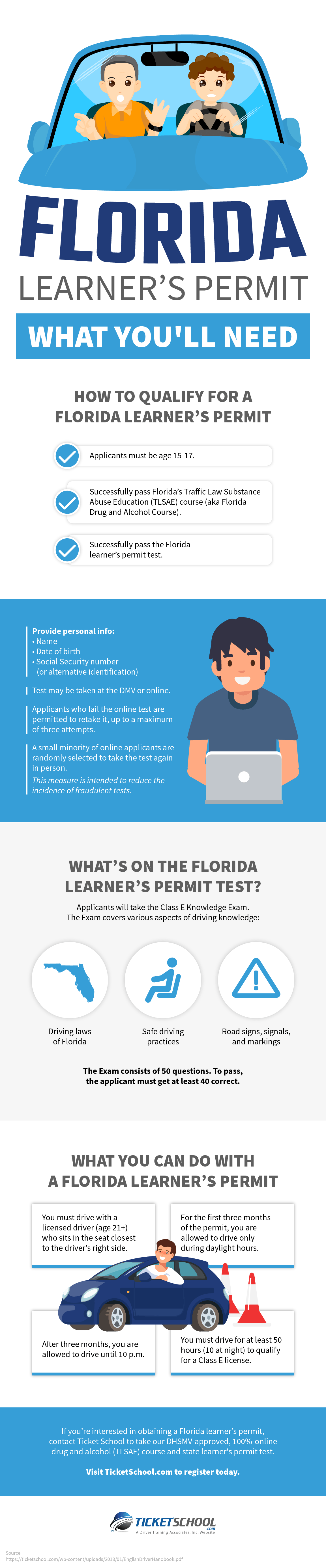
- Age Requirement: You must be at least 15 years old to apply. There’s no upper age limit, so adults new to driving in Florida also begin with a learner’s permit.
- Residency: You must be a legal resident of Florida. This typically means providing proof of your Florida address. For many, this is straightforward, but for new residents, it involves presenting specific documents that confirm your Florida residency, such as utility bills, rental agreements, or mail from governmental agencies.
- Traffic Law and Substance Abuse Education (TLSAE) Course: All first-time drivers in Florida, regardless of age, are required to complete a TLSAE course. This four-hour course covers crucial information about Florida traffic laws, safe driving practices, and the dangers of impaired driving. It’s often referred to as the Drug and Alcohol course, and it’s a mandatory prerequisite before you can even take the written knowledge test. Many certified providers offer this course online, providing flexibility for students and busy individuals. Completing this course not only fulfills a state requirement but also equips you with fundamental knowledge critical for safe driving and understanding the nuances of Florida roads, preparing you for everything from navigating Walt Disney World Resort traffic to enjoying a serene drive along the Gulf Coast.
The Importance of a Learner’s Permit for Florida’s Roads
For residents and visitors alike, Florida’s sprawling nature makes personal transportation incredibly valuable. While public transport options exist in major cities like Tampa, Jacksonville, and Miami, the freedom to drive truly unlocks the state’s full potential for tourism and enjoyment. A learner’s permit is the foundational step. It allows young drivers to gain supervised experience, learning how to handle various road conditions, understanding intricate traffic patterns, and becoming familiar with Florida’s specific driving laws before they are granted full driving privileges. This period of supervised driving is invaluable for developing the skills and confidence necessary to safely explore Florida’s many wonders, from visiting the historic St. Augustine to embarking on adventures in Everglades National Park. The learner’s permit paves the way for a lifestyle of greater independence and mobility, vital for making the most of Florida’s vibrant offerings.
Navigating the Application Process: Your Step-by-Step Guide
The process of getting your learner’s permit in Florida involves several key stages, each requiring careful attention to detail. Being prepared will make your visit to the Florida Department of Highway Safety and Motor Vehicles (FLHSMV) office smooth and efficient.
Essential Documents You’ll Need
Gathering the correct documents is paramount. The FLHSMV follows strict guidelines to verify your identity, residency, and Social Security number. You’ll typically need to present one document from each of the following categories:
- Proof of Identity: This usually involves your original birth certificate (not a copy), a valid US passport, a certificate of naturalization, or a permanent resident card. The name on this document must match your legal name.
- Proof of Social Security Number (SSN): You’ll need your Social Security card, a W-2 form, a pay stub with your SSN, or a 1099 form. Remember, the document must display your full SSN.
- Proof of Residential Address (Two Documents): This is where many applicants can get tripped up. You need two different documents showing your current Florida residential address. Examples include utility bills (electric, water, gas), a rental or lease agreement, car insurance policy, mail from a financial institution, or a voter registration card. For minors living with parents, a parent’s sworn statement (Form HSMV 71120) along with two proofs of the parent’s Florida residency might suffice. It is crucial to check the FLHSMV website for the most current and complete list of acceptable documents.
Additionally, if you are under 18 years old, you will need a Parental Consent Form (HSMV 71142), signed by a parent or legal guardian in the presence of a DHSMV examiner or a notary public. This form signifies their permission for you to obtain a learner’s permit.
Completing the Required Traffic Law and Substance Abuse Education (TLSAE) Course
As mentioned, the TLSAE course is a mandatory precursor for all first-time drivers. This course can be completed online through various state-approved providers or in a classroom setting. Online options offer immense flexibility, allowing you to complete the course at your own pace from the comfort of your home, making it ideal for students balancing schoolwork or individuals with busy lifestyle schedules. Upon completion, your certificate is usually submitted electronically to the FLHSMV system, but it’s wise to keep a printed copy for your records and bring it to your DHSMV appointment.
Scheduling and Taking Your Tests
Once your TLSAE course is done and you’ve gathered all documents, the next step involves the actual tests.
- Written Knowledge Test: This test assesses your understanding of Florida traffic laws and road signs. It consists of 50 multiple-choice questions, and you must answer at least 40 correctly (80%) to pass. Many applicants, especially those under 18, have the option to take this test online through an approved third-party provider, often the same one that offered the TLSAE course. This can save time at the DHSMV office. However, if you choose to take it at the DHSMV, be prepared to wait.
- Vision and Hearing Test: These tests are administered directly at the DHSMV office. The vision test typically involves reading letters from an eye chart, while the hearing test is a simple verbal screening. If you wear corrective lenses or hearing aids, be sure to bring them to your appointment.
Your Visit to the Florida DHSMV Office
After completing your TLSAE course and potentially the written test online, your final step is a visit to a local DHSMV or tax collector’s office that offers driver’s license services.
- Make an Appointment: It is highly recommended to schedule an appointment online beforehand. Walk-ins are often subject to long wait times, particularly in popular areas like Fort Lauderdale or St. Petersburg.
- Bring All Documents: Double-check that you have all your original required documents (identity, SSN, residential address, TLSAE certificate, parental consent form if applicable).
- Vision and Hearing Tests: You will take these tests on-site.
- Photo and Signature: Your photo will be taken for your permit, and you’ll provide an electronic signature.
- Pay the Fee: There is a fee for the learner’s permit, which can be paid via cash, check, or credit card. Check the current fee structure on the FLHSMV website before your visit.
Once all these steps are successfully completed, you will be issued your temporary learner’s permit on the spot, with the physical card mailed to you shortly after. This marks your official entry into the world of driving, and the start of your journey to explore Florida’s incredible destinations and attractions.
Mastering the Knowledge and Vision Tests
Success in acquiring your learner’s permit largely hinges on passing the knowledge and vision tests. While the vision test is relatively straightforward, the knowledge test requires preparation and understanding of Florida’s specific driving laws.
Preparing for the Written Permit Test
The written knowledge test covers two main areas: Florida traffic laws and road signs. The best way to prepare is to study the official Florida Driver Handbook. This comprehensive guide is available online on the FLHSMV website and covers everything you need to know.
- Study the Handbook: Pay close attention to sections on right-of-way rules, speed limits, parking regulations, driving under the influence, and common road signs. Many questions on the actual test are derived directly from this handbook.
- Practice Tests: Utilize online practice tests. Many reputable websites offer free practice exams that mimic the format and difficulty of the actual DHSMV test. Taking multiple practice tests will help you identify areas where you need more study and build your confidence.
- Review TLSAE Course Material: The information presented in your TLSAE course is highly relevant to the written test, reinforcing crucial traffic laws and safe driving principles.
Thorough preparation ensures you’re not just memorizing answers but truly understanding the rules that keep Florida’s roads safe for everyone, whether you’re driving to a local tourism hotspot or commuting through downtown Miami.
The Vision and Hearing Screening
These tests are designed to ensure you meet the minimum visual and auditory requirements for safe driving. The vision test typically uses a Snellen eye chart, where you’ll read lines of letters from a distance. A minimum vision acuity (e.g., 20/40) is generally required. If you wear glasses or contact lenses, make sure to wear them for the test. The hearing test is a basic screening to ensure you can adequately hear traffic sounds and warnings. If you have any concerns about your vision or hearing, it’s advisable to consult with a medical professional before your DHSMV visit. Adequate vision and hearing are crucial for anticipating hazards and reacting safely, allowing you to enjoy all the scenic drives and unique experiences Florida has to offer.
Rules of the Road: Driving with a Florida Learner’s Permit
Once you have your Florida learner’s permit, you can begin to gain practical driving experience, but under strict regulations designed for safety. This supervised practice is crucial for transitioning from theoretical knowledge to real-world driving skills.
Supervision Requirements and Driving Hours
The most important rule for learner’s permit holders is that you must always be accompanied by a licensed driver who is at least 21 years old and holds a valid Class E (or higher) driver’s license. This supervisor must occupy the front passenger seat and be able to provide immediate instruction and supervision.
- Driving Hours: There are specific restrictions on when you can drive.
- For the first three months after obtaining your permit, you can only drive during daylight hours (defined as from sunrise to sunset).
- After the initial three months, you may drive until 10:00 PM.
- There are no restrictions on the number of hours you can drive per day, as long as you adhere to the daylight/10 PM rules and are supervised.
These restrictions are in place to minimize risks for new drivers, allowing them to gain experience in less challenging conditions. This supervised practice is vital for developing defensive driving skills, understanding how to navigate different types of roads, from busy urban streets to quieter routes leading to Florida’s natural landmarks and state parks.
Graduating to a Provisional License
The learner’s permit is a stepping stone. To advance to an intermediate (or provisional) Class E driver’s license, you must meet additional requirements:
- Hold the Permit for at least 12 Months: You must have held your learner’s permit for a minimum of one year without any traffic convictions. If you receive a conviction, the one-year period will be extended for one year from the conviction date, or until you are 18 years old, whichever comes first.
- Complete 50 Hours of Supervised Driving: You need to accumulate at least 50 hours of behind-the-wheel driving experience, with 10 of those hours being at night. A parent or guardian must certify these hours on the Certification of Driving Experience of a Minor form (HSMV 71144).
- Pass the Driving Skills Test (Road Test): This test is administered by the DHSMV and evaluates your ability to safely operate a vehicle. It covers maneuvers like three-point turns, parallel parking, changing lanes, and general safe driving practices. You will need to provide a vehicle for the test that is properly registered, insured, and in safe working condition.
Passing the road test signifies your readiness for a provisional license, granting you more freedom to explore Florida’s expansive attractions and destinations, from the Kennedy Space Center to the beautiful beaches near your chosen accommodation.
Tips for a Smooth Permit Application and Driving Experience
Navigating the permit application process and learning to drive can be an exciting yet challenging time. Here are some tips to ensure a smooth experience and prepare you for a lifetime of safe and enjoyable driving in Florida.
Leveraging Online Resources
Florida’s FLHSMV website is an invaluable resource. Before you begin, visit their official site to:
- Download the Florida Driver Handbook: This is your primary study guide.
- Review Document Checklists: Ensure you have all required documents before heading to the DHSMV office.
- Find Approved TLSAE Providers: Access a list of certified online and in-person course providers.
- Schedule an Appointment: Save yourself considerable wait time by booking your DHSMV visit online.
- Familiarize Yourself with Fees: Know the exact cost of the permit to avoid surprises.
Using these online tools effectively can streamline your application process, allowing you more time to focus on preparing for the actual tests and planning your future travel itineraries around Florida.
Practice Makes Perfect
The 50 hours of supervised driving required are not just a bureaucratic hurdle; they are an essential part of becoming a competent and confident driver.
- Diverse Driving Conditions: Don’t just practice in familiar neighborhoods. Drive on highways, city streets, in varying weather conditions (when safe), and during both daylight and nighttime hours. This exposure will prepare you for the diverse driving scenarios you’ll encounter across Florida, whether navigating busy tourist areas or quieter residential zones.
- Focus on Fundamentals: Consistently practice basic maneuvers like turning, parking (including parallel parking), lane changes, and safe following distances. These are fundamental skills that will be tested during your road test and are crucial for safe driving.
- Experienced Supervisors: Choose a supervisor who is patient, knowledgeable, and can provide calm, constructive feedback. The quality of your supervised driving experience greatly impacts your development as a driver.
- Set Goals: Work with your supervisor to set specific driving goals for each practice session, such as mastering a particular maneuver or becoming comfortable on a certain type of road.
Gaining your Florida learner’s permit is more than just obtaining a document; it’s about embracing a new level of freedom and responsibility. It’s the beginning of a journey that will enable you to fully immerse yourself in the Florida lifestyle, from spontaneous trips to beachfront resorts to exploring hidden gems and local culture in various cities. By diligently following the steps outlined, preparing thoroughly, and practicing responsibly, you’ll soon be well on your way to earning your full driver’s license and unlocking all that the Sunshine State has to offer. Safe travels, and enjoy the adventure!