
Navigating the process of obtaining a medical marijuana card in Florida can seem complex, but with a clear understanding of the requirements and steps involved, it becomes a straightforward endeavor. This guide aims to demystify the process, offering a comprehensive overview for residents seeking access to legal medical cannabis for qualifying conditions. Florida’s Medical Marijuana Use Registry (MMUR) oversees this program, ensuring that patients receive safe and regulated access to treatment.
Understanding Florida’s Medical Marijuana Program
Florida legalized medical marijuana through Amendment 2, passed by voters in 2016. This amendment expanded access beyond the initial Compassionate Medical Cannabis Act of 2014, which primarily focused on low-THC cannabis. The current program allows qualified physicians to certify patients for a broader range of medical marijuana products, including those with higher THC content, to treat a variety of debilitating conditions. The program is managed by the Florida Department of Health.
Qualifying Conditions for Medical Marijuana in Florida
To be eligible for a medical marijuana card in Florida, you must have a qualifying medical condition as defined by state law. These conditions are considered debilitating and are recognized as treatable with medical marijuana. The list of qualifying conditions is periodically updated by the Florida Legislature.
- Cancer: Any stage of cancer, including treatments such as chemotherapy.
- Glaucoma: A condition that damages the optic nerve, often associated with high eye pressure.
- HIV/AIDS: Acquired immunodeficiency syndrome and its related conditions.
- Chronic Muscle Spasms: Including, but not limited to, those associated with Epilepsy and Multiple Sclerosis.
- Epilepsy: A neurological disorder characterized by recurrent seizures.
- Parkinson’s Disease: A progressive neurodegenerative disorder affecting movement.
- Amyotrophic Lateral Sclerosis (ALS): Also known as Lou Gehrig’s disease, a progressive neurodegenerative disease that affects nerve cells in the brain and spinal cord.
- Crohn’s Disease: A chronic inflammatory bowel disease that affects the lining of the digestive tract.
- Post-Traumatic Stress Disorder (PTSD): A mental health condition triggered by a terrifying event.
- Severe and Persistent Muscle Spasms: This is a broad category that can encompass various conditions leading to involuntary muscle contractions.
- Multiple Sclerosis (MS): A chronic disease that affects the central nervous system, leading to a range of symptoms.
- Damage to the Nervous Tissue of the Spinal Cord: Including, but not limited to, any condition that results in chronic or debilitating pain.
- Any other debilitating medical condition of the same kind or class as the aforementioned: This clause allows for flexibility in recognizing other conditions that severely impact a patient’s quality of life.
- A terminal condition: A prognosis of six months or less to live.
- Any other debilitating condition that has been diagnosed by a qualified physician: This broad category empowers physicians to certify patients for whom other treatments have failed and medical marijuana is deemed beneficial.
It’s crucial to have medical documentation supporting your diagnosis for any of these conditions. Your physician will review your medical history to determine if your condition qualifies.
The Role of a Qualified Physician
The first and most critical step in obtaining your medical marijuana card is to consult with a physician who is certified by the Florida Department of Health to recommend low-THC and medical cannabis. Not all physicians are authorized to do this. These certified physicians have undergone specific training and are registered with the MMUR.
During your appointment, the physician will:
- Review your medical history: They will examine your existing medical records to confirm your diagnosis and its severity.
- Conduct a physical examination: This is often necessary to assess your current health status.
- Determine if your condition qualifies: Based on your medical history and the examination, the physician will assess whether your condition meets the state’s criteria for medical marijuana use.
- Discuss treatment options: The physician will explain the potential benefits and risks of medical marijuana, discuss appropriate dosages, and recommend specific forms of administration (e.g., edibles, tinctures, vapes).
- Issue a certification: If you are deemed a qualified patient, the physician will enter your information into the MMUR system, certifying your need for medical marijuana.
It’s important to find a physician who is experienced and knowledgeable about medical cannabis. Many clinics specialize in this area, offering consultations and guidance throughout the process.
The Application Process: From Physician Certification to Patient ID
Once you have received certification from a qualified physician, you will be entered into the Florida Medical Marijuana Use Registry (MMUR). This registry is the official state database for all medical marijuana patients.
Registration with the Medical Marijuana Use Registry (MMUR)
The physician’s certification is the primary step in the MMUR registration. They will submit your required information, including your qualifying condition and physician’s recommendation, into the secure online system.
After the physician submits your information, you will receive an email with instructions on how to finalize your registration. This typically involves:
- Creating a patient profile: You will need to create an account on the MMUR website.
- Verifying your identity: This usually requires uploading a valid Florida driver’s license or state-issued identification card. Ensure your address on the ID matches your current residency.
- Providing proof of residency: You must be a legal resident of Florida. Proof of residency may be required if your identification does not clearly display your current Florida address. This could include utility bills, lease agreements, or other official documents.
- Paying the state registration fee: There is a fee associated with registering with the MMUR. This fee can change, so it’s advisable to check the latest fees on the Florida Department of Health website.
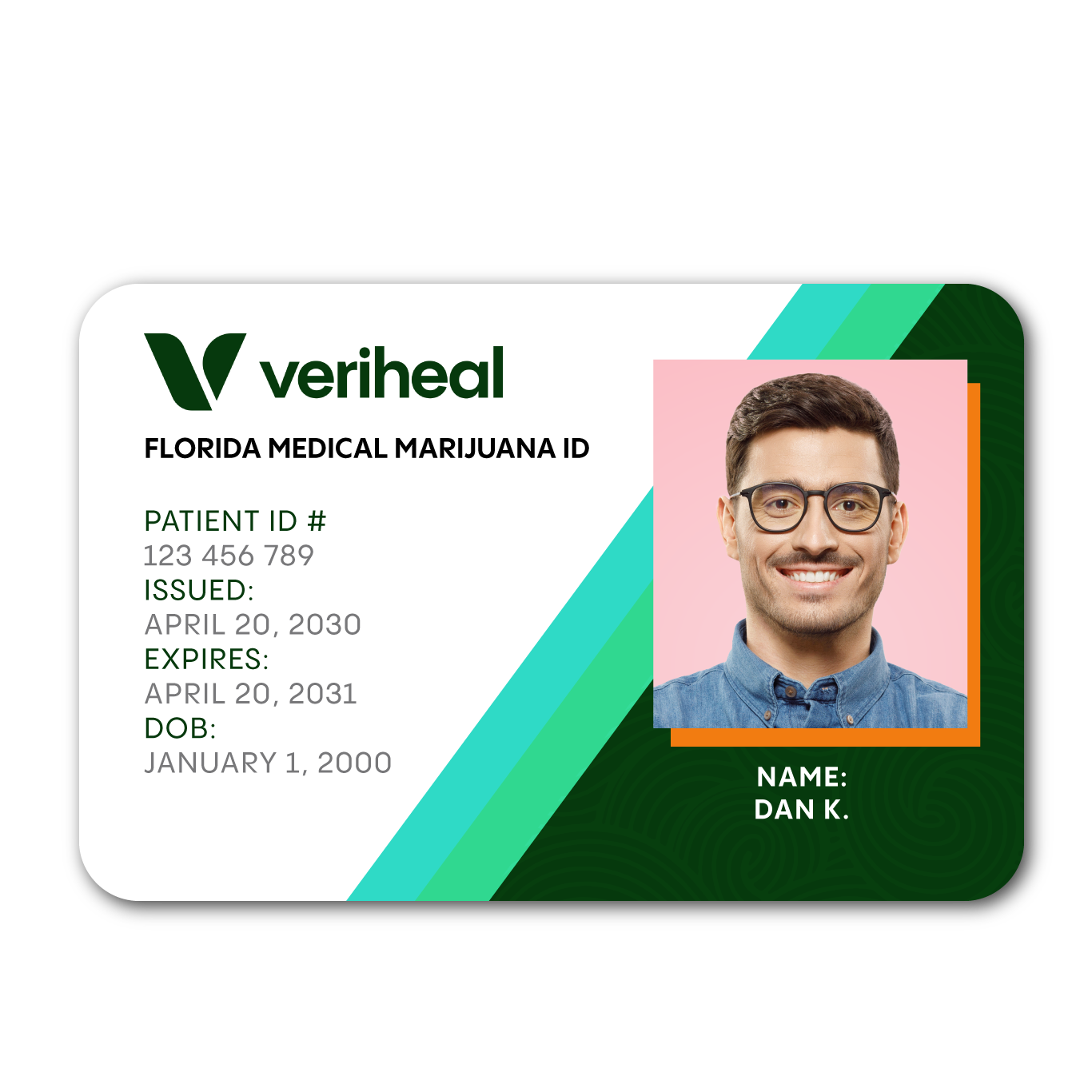
Once your registration is complete and approved, your patient ID number will be generated. This number is essential for accessing medical marijuana from licensed dispensaries.
Obtaining Your Official Medical Marijuana Card
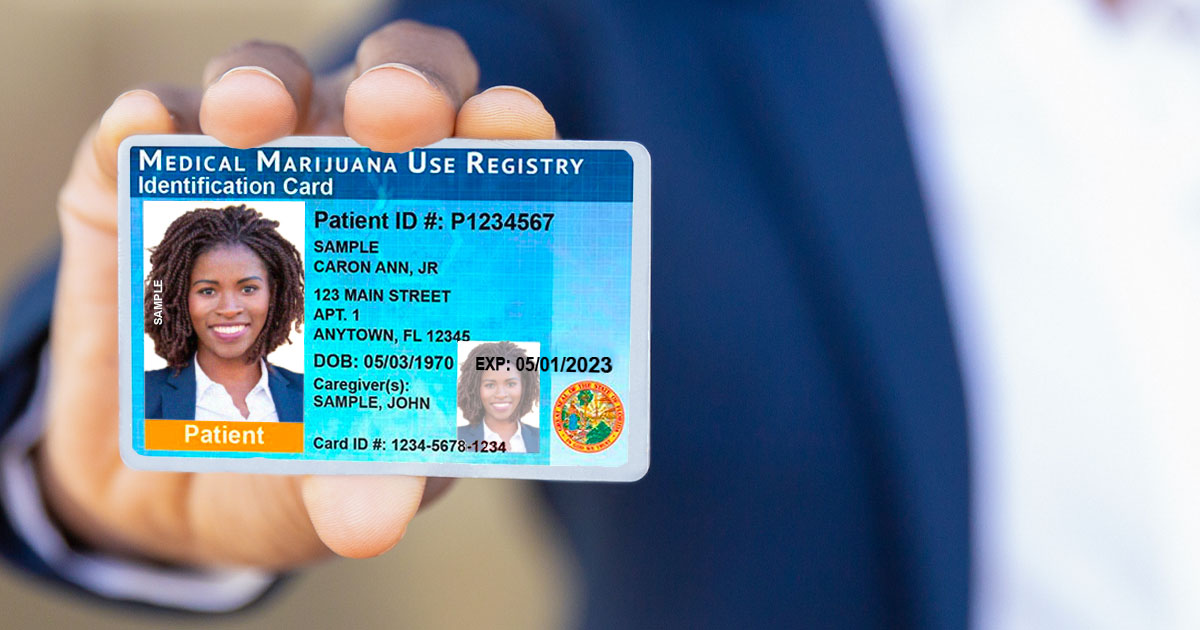
After your MMUR registration is approved, the Florida Department of Health will mail you an official Medical Marijuana Use Registry Identification Card. This card serves as your legal proof of authorization to purchase and possess medical marijuana in the state.
- Processing Time: The time it takes to receive your card can vary. It typically takes a few weeks from the completion of your online registration. Patience is key during this phase.
- Temporary Access: In some cases, you may be able to use a temporary digital version of your identification card while awaiting the physical card. This is usually accessible through the MMUR portal.
Once you have your official card, you are legally permitted to purchase medical marijuana products from any licensed medical marijuana treatment center (dispensary) in Florida. You can also legally possess a certain amount of medical marijuana, as defined by state law, for your personal use.
Accessing and Using Medical Marijuana in Florida
With your Medical Marijuana Use Registry Identification Card in hand, you are ready to access the legal medical cannabis market in Florida. This involves visiting licensed dispensaries and understanding the regulations surrounding possession and consumption.
Visiting Licensed Medical Marijuana Treatment Centers (Dispensaries)
Medical marijuana treatment centers, commonly known as dispensaries, are the only legal locations to purchase medical cannabis products in Florida. These facilities are strictly regulated and licensed by the state.
When you visit a dispensary for the first time:
- Bring your ID: You will need to present your Florida driver’s license or state ID, along with your official Medical Marijuana Use Registry Identification Card.
- Consult with a dispensary staff member: Trained staff, often referred to as “budtenders” or “dispensary agents,” can provide valuable information about available products, dosages, and methods of consumption. They can help you choose products that align with your physician’s recommendation and your specific needs.
- Explore product options: Dispensaries offer a wide variety of products, including flower, edibles, tinctures, capsules, concentrates, topicals, and vape cartridges. The available selection can vary by location and inventory.
- Understand purchasing limits: State law dictates the maximum amount of medical marijuana a patient can purchase within a specified timeframe (e.g., 35-day supply). Your physician’s recommendation will indicate the prescribed supply, and dispensaries will track your purchases to ensure compliance.
It’s advisable to research different dispensaries in your area to compare product selections, pricing, and patient services. Popular dispensaries can be found in cities like Miami, Orlando, and Tampa.
Possession and Consumption Laws in Florida
Understanding the legal parameters for possessing and consuming medical marijuana is crucial to avoid any legal complications.
- Possession Limits: Patients are allowed to possess a 35-day supply of medical marijuana, as recommended by their physician. This limit is based on the total amount of THC and CBD that can be dispensed.
- Where You Can Use: Consumption of medical marijuana is generally prohibited in public places, including parks, beaches, and inside vehicles. It is also not permitted in any correctional institution, elementary or secondary school, or on the grounds of any preschool or child care facility. You can consume medical marijuana in a private residence, but landlords and property owners are not required to allow it on their premises.
- Smoking Restrictions: While smoking medical marijuana flower is legal for patients, it must be done in a private residence. Smoking in any vehicle, whether it is operating or not, is illegal.
- Driving Under the Influence: Operating a vehicle while under the influence of marijuana is illegal in Florida and carries significant penalties, similar to driving under the influence of alcohol.
It is important to stay informed about any changes or updates to Florida’s medical marijuana laws, as they can evolve. Consulting with your physician and dispensary staff can help ensure you remain compliant with all regulations.
By following these steps and understanding the regulations, Florida residents can successfully obtain a medical marijuana card and access the therapeutic benefits of cannabis for their qualifying health conditions.