
Florida, renowned for its sun-drenched beaches, vibrant theme parks, and diverse cultural experiences, also offers a pathway for qualified individuals to access medical marijuana. For those planning an extended stay, a therapeutic retreat, or simply seeking to understand their options while visiting the Sunshine State, obtaining a medical marijuana card can be a crucial step. This guide aims to demystify the process, offering a clear, step-by-step approach to acquiring your Florida Medical Marijuana Use Registry Identification Card, tailored for a discerning traveler.
Navigating the intricacies of medical cannabis regulations can seem daunting, especially when you’re focused on planning your next adventure, whether it’s exploring the charming streets of St. Augustine, relaxing at a luxurious resort in Miami Beach, or experiencing the family-friendly fun of Orlando. This comprehensive guide will equip you with the knowledge needed to successfully obtain your card, ensuring a smoother and more informed experience in Florida.
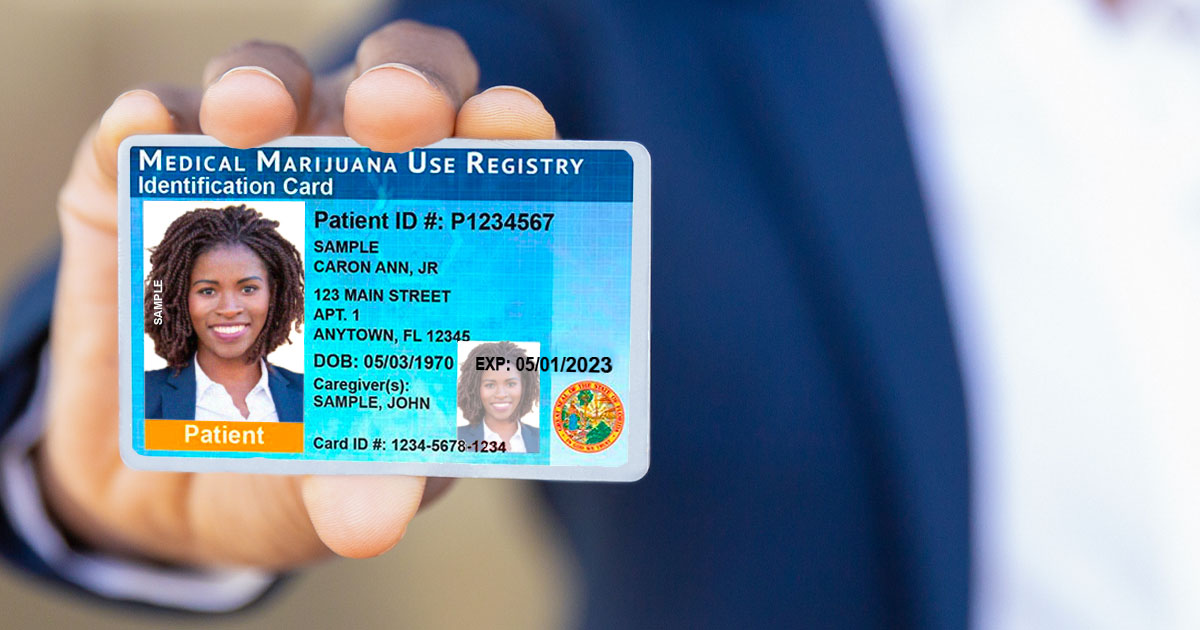
The legal framework surrounding medical marijuana in Florida was established through Amendment 2, passed in 2016, which expanded upon earlier legislation. This amendment allows qualified physicians to recommend low-THC cannabis and marijuana for patients with debilitating medical conditions. Understanding who qualifies and the specific requirements is the first step in this process.
Understanding Eligibility and the Certification Process
The cornerstone of obtaining a medical marijuana card in Florida lies in establishing that you have a qualifying medical condition and are under the care of a qualified physician. The state’s Department of Health maintains a list of these debilitating conditions, which is periodically updated.
Qualifying Medical Conditions
Florida law defines a range of medical conditions that may qualify a patient for medical marijuana. These are generally conditions that are severe, chronic, or life-threatening, and for which conventional treatments have not been effective or have caused significant side effects. Common qualifying conditions include, but are not limited to:
- Cancer: Active or in remission, if the patient experiences severe or chronic pain, nausea or vomiting, or wasting syndrome.
- Glaucoma: If the patient experiences chronic pain or intraocular pressure.
- Epilepsy: If the patient experiences seizures.
- Multiple Sclerosis: If the patient experiences muscle spasms.
- Parkinson’s Disease: If the patient experiences muscle spasms.
- Amyotrophic Lateral Sclerosis (ALS): If the patient experiences muscle spasms.
- Crohn’s Disease: If the patient experiences severe or chronic pain.
- Post-Traumatic Stress Disorder (PTSD): If diagnosed by a mental health professional.
- Chronic Neuropathy: If the patient experiences chronic pain.
- Chronic Non-Malignant Pain: This category is for severe and chronic pain that is not expected to be relieved by other means.
- Terminal Illness: Any other condition that is life-threatening or poses a risk of death within one year.
It is crucial to consult with a qualified physician to determine if your specific condition meets the state’s criteria. The physician will review your medical history and current health status to make this determination.
The Role of the Qualified Physician
Not just any doctor can certify you for medical marijuana in Florida. You must see a physician who has completed a required course and obtained a state certification to recommend marijuana. These physicians are often referred to as “Medical Marijuana Doctors.”
The process typically begins with scheduling an initial consultation. During this appointment, the physician will:
- Review Your Medical History: Be prepared to provide detailed information about your diagnosed condition, previous treatments, and any associated symptoms.
- Conduct a Physical Examination: The physician may perform a physical exam to assess your current health and the severity of your condition.
- Verify Your Diagnosis: They will confirm that your condition is indeed one of the state-approved qualifying conditions.
- Discuss Potential Benefits and Risks: A thorough discussion about how medical marijuana might help manage your symptoms, as well as potential side effects and interactions with other medications, is standard.
- Issue a Physician’s Certification: If deemed a suitable candidate, the physician will electronically submit a certification to the Florida Department of Health’s Medical Marijuana Use Registry.
The physician’s certification is a critical document that validates your medical necessity for a medical marijuana recommendation. This certification is valid for 30 days, during which time you must apply for your official ID card.
The Application Process for Your Medical Marijuana ID Card
Once you have received your physician’s certification, the next step is to formally apply for your Florida Medical Marijuana Use Registry Identification Card through the Florida Department of Health (FDOH). This application can be completed online, making it convenient even for those who are not Florida residents for the majority of the year.
Online Application Steps
The FDOH has streamlined the application process to be as user-friendly as possible. Here’s a breakdown of the typical steps involved:
-
Gather Required Documentation: Before starting the online application, ensure you have the following documents readily available:
- Proof of Florida Residency: This is a key requirement. Acceptable forms include a copy of your valid Florida driver’s license, Florida identification card, or in the case of seasonal residents, a copy of your out-of-state driver’s license and a signed affidavit attesting to your seasonal residency, along with a second form of proof (e.g., utility bill, lease agreement, or a letter from a financial institution). For those considering a long-term stay, establishing residency is paramount. If you are visiting for a specific therapeutic purpose and are not a resident, you may need to explore alternative options if available for non-residents, though typically Florida residency is required.
- Physician’s Certification: The electronic certification submitted by your doctor.
- Government-Issued Photo ID: A clear copy of your driver’s license or passport.
- Passport-Style Photograph: A recent, digital photograph that meets specific FDOH requirements (e.g., white background, neutral expression, no glasses).
-
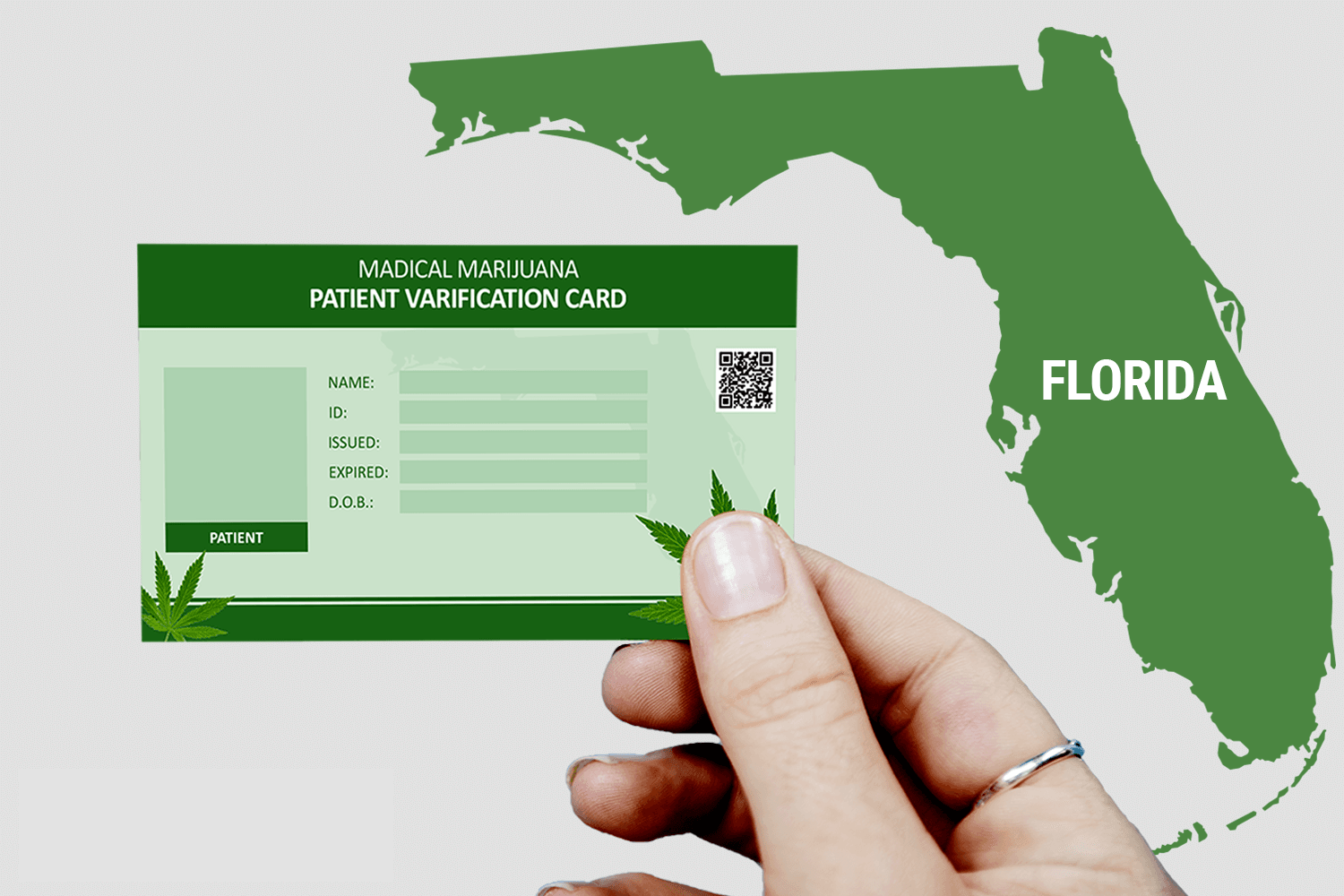
Complete the Online Application Form: Navigate to the official Florida Department of Health Medical Marijuana Use Registry website. You will be prompted to create an account or log in if you already have one. Carefully fill out all sections of the application, ensuring accuracy in personal details, contact information, and the physician’s certification number.
-
Upload Supporting Documents: Attach clear, legible copies of your proof of residency, photo ID, and passport-style photograph to the online portal.
-
Pay the Application Fee: A non-refundable application fee is required. The current fee is typically around $75, but it’s advisable to check the FDOH website for the most up-to-date fee information, as it can be subject to change. Payment is usually made online via credit or debit card.
-
Submit Your Application: Review all entered information and uploaded documents for completeness and accuracy before submitting. Once submitted, you will receive a confirmation of your application.
Processing Times and Card Issuance
After submitting your application and fee, the FDOH will review your submission. Processing times can vary but generally take between a few weeks to a month. During this period, your application is being verified for completeness and accuracy.
If your application is approved, you will receive your official Florida Medical Marijuana Use Registry Identification Card by mail to the address provided on your application. This card is essential for legally purchasing and possessing medical marijuana in Florida. It serves as proof of your qualification to state authorities and dispensaries.
If your application is denied, the FDOH will provide a reason for the denial, and you may have the opportunity to correct any errors or provide additional information to reapply.
Navigating Florida with Your Medical Marijuana Card
Possessing a valid Florida Medical Marijuana Use Registry Identification Card grants you certain rights and privileges within the state. However, it’s crucial to understand the regulations surrounding its use and possession to avoid any legal complications, especially if you are visiting Florida for leisure or business.
Understanding Possession Limits and Usage Rules
Your medical marijuana card allows you to purchase and possess a limited amount of marijuana. The specific limits are set by Florida law and can change, so it’s important to stay informed. Generally, patients are permitted to possess a 30-day supply of marijuana. The exact quantity is determined by the physician’s recommendation, which is based on the patient’s medical condition and needs.
It is strictly prohibited to consume marijuana in any public place, including beaches, parks, and tourist attractions. This is a strict no-tolerance policy, and violations can result in significant fines and legal penalties. Consumption is generally limited to private residences.
Furthermore, driving under the influence of marijuana is illegal in Florida, just as it is with alcohol. Even with a medical marijuana card, operating a vehicle while impaired by cannabis can lead to severe consequences, including arrest and DUI charges.
Traveling within Florida and Accommodation
If you are traveling within Florida and plan to stay in hotels, resorts, or vacation rentals, be aware of the policies of your chosen accommodation regarding the use of medical marijuana. While the state has a medical marijuana program, individual businesses, including hotels like the Grand Hyatt Hotel or resorts such as Ponte Vedra Inn & Club, are not legally obligated to allow its use on their premises, especially for smoking. Many establishments have strict no-smoking policies, which often extend to vaping.
It is advisable to inquire directly with your hotel or rental property about their specific rules regarding medical marijuana consumption before your arrival. Some may offer designated smoking areas, while others may prohibit it entirely. For those seeking accommodations that are more amenable to discreet consumption, exploring private villas or apartments with flexible policies might be a better option. Always prioritize clear communication with your accommodation provider.
When traveling between cities, such as from the theme park excitement of Orlando to the historic charm of St. Augustine, ensure you adhere to possession limits and avoid public consumption. The goal is to enjoy Florida’s attractions while respecting its laws and regulations.
Dispensing Locations and Product Selection
Florida has a regulated network of licensed medical marijuana dispensaries. You can only purchase medical marijuana from these approved locations. Each dispensary is licensed by the state and offers a variety of products, including flower, concentrates, edibles, tinctures, and topical creams.
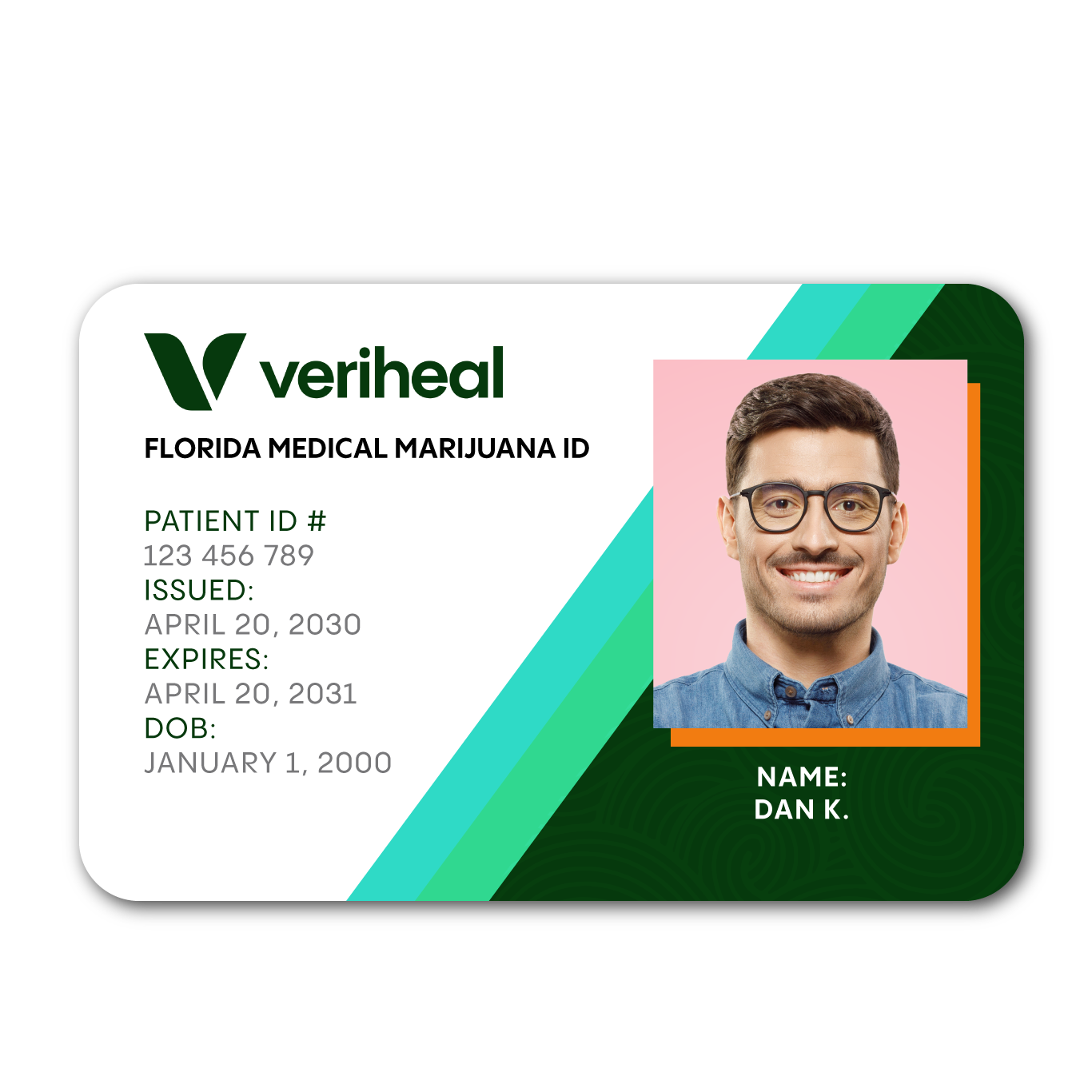
When visiting a dispensary, you will need to present your Medical Marijuana Use Registry Identification Card along with a valid government-issued photo ID. The dispensary staff are knowledgeable about the products and can help you select options that best suit your physician’s recommendations and your specific needs. It’s a good idea to research dispensaries near your location in Florida, whether you are staying in Tampa, Fort Lauderdale, or any other major city.
Remember that the purpose of the card is for medical use. While Florida offers a wide range of activities and experiences, from exploring the natural beauty of the Everglades National Park to enjoying the vibrant nightlife of South Beach, responsible use and adherence to all state and local laws are paramount for a safe and enjoyable visit.
In conclusion, obtaining a medical marijuana card in Florida is a structured process designed to ensure that only qualified patients have legal access to cannabis for therapeutic purposes. By understanding the eligibility requirements, navigating the application process diligently, and adhering to all usage regulations, you can seamlessly integrate this aspect of your healthcare into your Florida experience, allowing you to focus on enjoying all that the Sunshine State has to offer.