
Navigating the process of obtaining a medical marijuana card in Colorado can seem daunting, especially for those new to the state or unfamiliar with its regulations. While Colorado is renowned for its stunning natural beauty, from the majestic peaks of the Rocky Mountains to the vibrant urban life in cities like Denver, it also offers a progressive approach to medical cannabis. For residents seeking alternative therapies for qualifying medical conditions, a medical marijuana card is the key to accessing a regulated and safe supply of cannabis products. This comprehensive guide will walk you through the essential steps, requirements, and considerations for obtaining your medical marijuana card in the Centennial State, integrating seamlessly with the wider travel and lifestyle experiences Colorado offers.
Understanding the Colorado Medical Marijuana Program
The Colorado Medical Marijuana Program (CMMP) was established to allow patients with debilitating medical conditions to legally obtain and use marijuana for therapeutic purposes. The program is overseen by the Colorado Department of Public Health and Environment (CDPHE). It’s crucial to understand that the program is distinct from recreational marijuana sales, which operate under a different set of regulations. Holding a medical marijuana card offers several advantages, including potentially lower taxes, access to higher potency products, and the ability to cultivate a limited amount of marijuana for personal use, depending on specific program rules.
Qualifying Medical Conditions in Colorado
To be eligible for a medical marijuana card in Colorado, you must have a diagnosed qualifying medical condition. The list of qualifying conditions is established by state law and is periodically reviewed. Common qualifying conditions include:
- Cancer
- Glaucoma
- Positive status for human immunodeficiency virus (HIV)
- Cachexia (wasting syndrome)
- Severe and chronic pain
- Severe nausea
- Seizures, including those characteristic of epilepsy
- Persistent muscle spasms, including those characteristic of multiple sclerosis
- Inflammatory bowel disease, such as Crohn’s disease
- Autism spectrum disorder
- Post-traumatic stress disorder (PTSD)
It is important to note that this is not an exhaustive list, and the most up-to-date information can be found on the CDPHE website. The conditions are generally those for which traditional treatments may be ineffective, or where cannabis has shown significant therapeutic benefit.
Who Can Apply?
Eligibility for a medical marijuana card in Colorado is generally limited to Colorado residents aged 18 and older. Minors can also receive a medical marijuana card, but this requires parental or guardian consent and a designated caregiver. Proof of residency is a critical requirement, typically demonstrated through a valid Colorado driver’s license or identification card, or other state-issued documents.
The Application Process: Step-by-Step
The journey to obtaining your medical marijuana card involves several key steps, from consulting with a physician to submitting your application to the state. Understanding each stage will ensure a smooth and efficient process.
Step 1: Consultation with a Licensed Physician
The first and most crucial step is to consult with a physician who is licensed to practice medicine in Colorado and is registered with the CMMP. This physician must be willing to recommend medical marijuana for your condition. During your appointment, you will discuss your medical history, symptoms, and how your condition impacts your daily life.
The physician will evaluate your condition to determine if it meets the criteria for a medical marijuana recommendation. They will need to document your diagnosis and the reasons for their recommendation in a written certification. It is advisable to gather all relevant medical records pertaining to your condition before your appointment to provide the physician with a comprehensive understanding of your health.
Step 2: Obtaining Physician Certification
Upon determining that you qualify, the physician will provide you with a written medical marijuana certification. This certification is a key document for your application. It typically includes:
- Your name and date of birth
- The physician’s name, license number, and signature
- The medical condition for which marijuana is recommended
- The physician’s recommendation that you use marijuana for medical purposes
- The date of the certification
Ensure that all information on the certification is accurate and legible. This document will be a cornerstone of your application to the Colorado Department of Public Health and Environment.
Step 3: Registering with the Colorado Department of Public Health and Environment (CDPHE)
Once you have your physician’s certification, you will need to apply for your medical marijuana registry identification card through the CDPHE. This is typically done online through the CDPHE’s official portal. You will be required to create an account and complete the online application form.
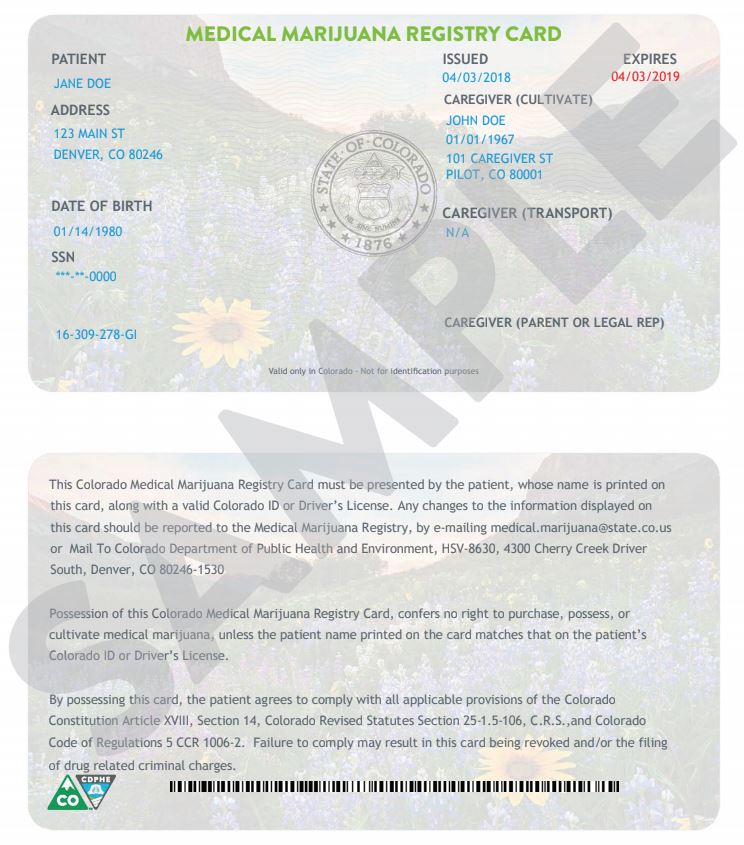
The application will require you to provide:
- Personal identification information (name, address, date of birth, social security number)
- Proof of Colorado residency
- A copy of your physician’s certification
- Payment for the application fee
The application fee is subject to change, so it’s essential to check the CDPHE website for the most current fee structure. The CDPHE reviews applications to ensure compliance with state regulations.
Step 4: Receiving Your Medical Marijuana Registry Card
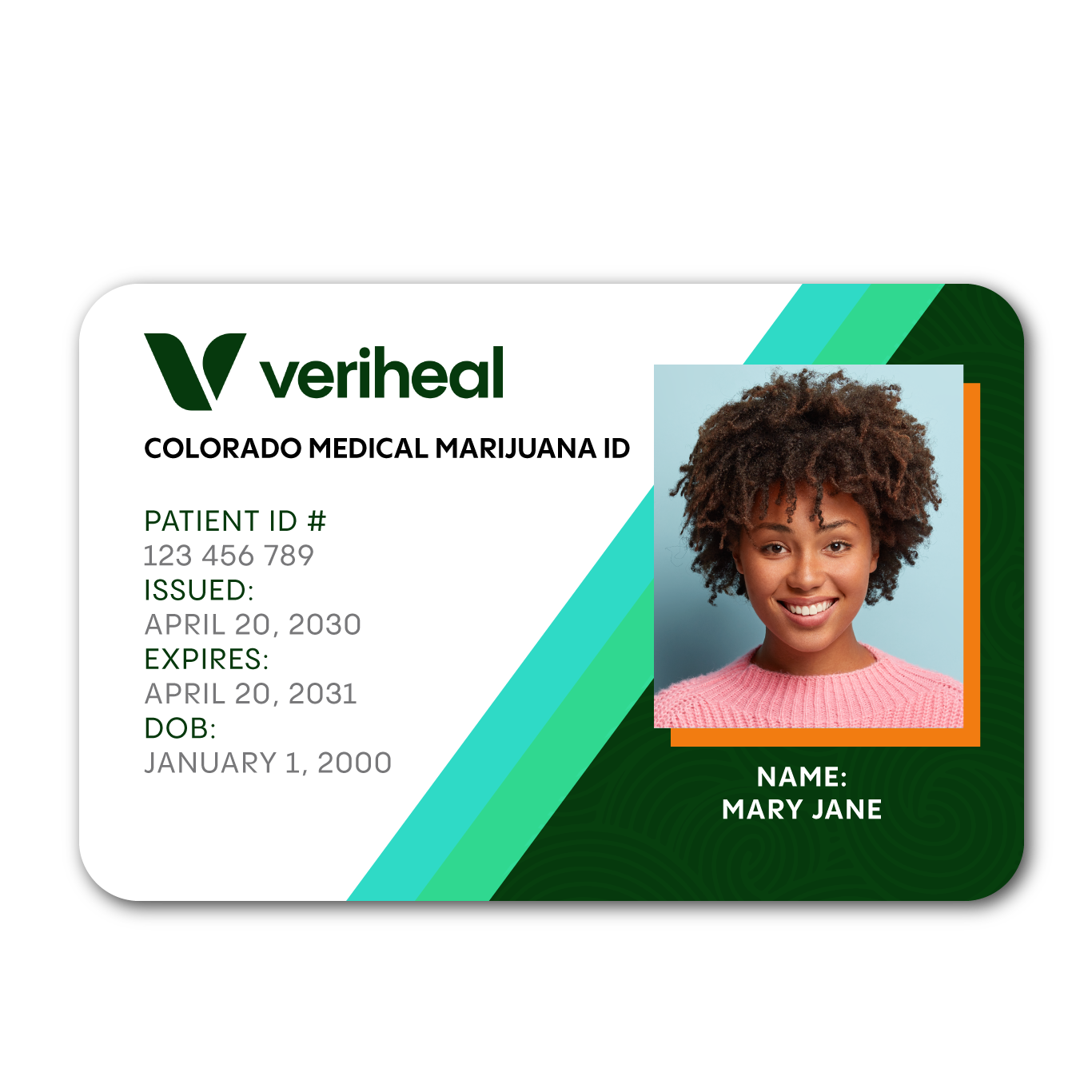
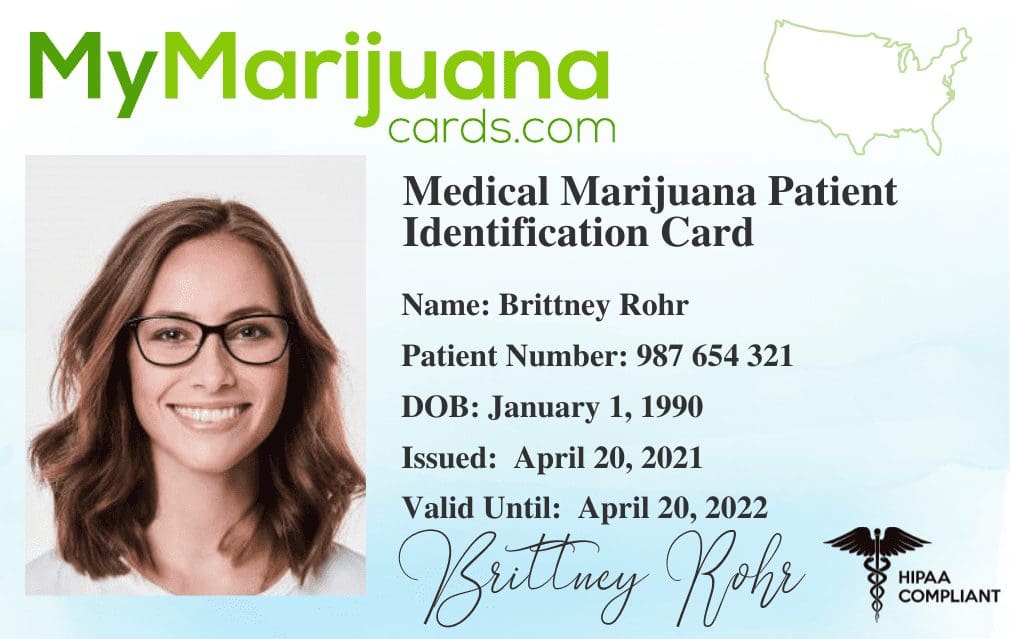
If your application is approved, the CDPHE will mail you a Medical Marijuana Registry Identification Card. This card is your official documentation, allowing you to purchase and possess medical marijuana in Colorado. The card will contain your photograph, identifying information, and an expiration date. It is crucial to keep your card safe and readily available, as you will need to present it at licensed medical marijuana dispensaries.
Important Considerations for Medical Marijuana Patients in Colorado
Beyond the application process, there are several important aspects to consider when becoming a registered medical marijuana patient in Colorado. These include understanding possession limits, safe storage and consumption, and how your card interacts with other aspects of your lifestyle, such as travel within the state.
Possession Limits and Regulations
As a registered patient, you are permitted to possess a certain amount of marijuana. For medical marijuana patients, this typically includes:
- Up to two ounces of usable marijuana.
- The ability to cultivate up to six marijuana plants, with no more than three mature plants, for personal medical use. This cultivation must occur in a secure, enclosed location that is not visible to the public.
It is critical to adhere to these limits to avoid legal repercussions. Dispensaries are well-versed in these regulations and will guide you in making compliant purchases. Always be aware of the laws regarding where you can consume marijuana; public consumption is generally prohibited and can result in fines.
Safe Storage and Responsible Use
Responsible use and safe storage of medical marijuana are paramount. Keep all marijuana products out of reach of children and pets. Store them in their original, child-resistant packaging. When consuming, do so in a private setting and be mindful of the potency of the products you choose. Edibles, in particular, can take a significant amount of time to take effect, so it is essential to consume them slowly and wait for the effects before considering consuming more.
If you are a traveler exploring the wonders of Colorado, from the historic charm of Durango to the scenic beauty of Rocky Mountain National Park, remember that transporting marijuana across state lines, even with a medical card, is illegal. Federal law still classifies marijuana as a Schedule I controlled substance, and you cannot carry it on airplanes or across state borders, regardless of your medical status. While you can legally purchase and consume medical marijuana within Colorado as a registered patient, always be mindful of the specific rules in different localities and private establishments. Some accommodations, even those that might offer luxury suites or villas, may have strict no-smoking or no-cannabis policies.
Traveling Within Colorado and Your Medical Card
Your medical marijuana card allows you access to a regulated supply of cannabis within Colorado. This means you can visit licensed medical dispensaries across the state, whether you are staying in a boutique hotel in Boulder or a resort in Aspen. Many dispensaries offer a wide range of products, including flower, concentrates, edibles, and topicals, catering to various patient needs and preferences.
When planning your stay in a hotel or vacation rental, it’s wise to confirm their policies regarding cannabis consumption. While Colorado has legalized recreational marijuana and medical marijuana, private property owners and businesses, including hotels and accommodation providers, have the right to set their own rules. For example, a luxury resort might have a strict no-cannabis policy to maintain its ambiance, whereas a more budget-friendly motel might be more lenient, or have designated smoking areas. Always check with your chosen accommodation provider beforehand to avoid any misunderstandings.
For those interested in exploring Colorado‘s rich history and natural landmarks, such as Mesa Verde National Park or the Garden of the Gods, remember that consuming marijuana at these locations is generally prohibited. Respecting these rules ensures that these beautiful places remain accessible and enjoyable for everyone. The lifestyle associated with medical marijuana use should always be integrated responsibly with public health and safety regulations.
The Medical Marijuana Doctor’s Role in Your Wellness Journey
Your relationship with your recommending physician extends beyond the initial certification. They can provide ongoing guidance on managing your condition with medical marijuana, discuss different strains and product types, and help you understand potential interactions with other medications. This personalized approach is a significant benefit of the medical program. Finding a doctor who is knowledgeable and supportive can greatly enhance your lifestyle and overall well-being while navigating your health journey in Colorado.
Obtaining a medical marijuana card in Colorado is a straightforward process when approached systematically. By understanding the requirements, consulting with a qualified physician, and adhering to state regulations, Colorado residents can legally access medical cannabis to manage their health conditions. This process, coupled with the state’s incredible natural beauty and diverse tourism offerings, allows for a holistic approach to wellness and exploration. Whether you’re a local seeking relief or a visitor familiar with medical cannabis laws in their home state, Colorado provides a safe and regulated environment for medical marijuana patients.