
Embarking on a motorcycle adventure in the stunning landscapes of Colorado is an experience like no other. From the majestic peaks of the Rocky Mountains to the vast plains and charming historic towns, exploring the Centennial State on two wheels offers unparalleled freedom and breathtaking vistas. However, before you hit the open road, securing the proper motorcycle license is a crucial step. This guide will walk you through the entire process, ensuring you can legally and safely enjoy your Colorado motorcycle journey.
The process of obtaining a motorcycle license in Colorado is overseen by the Colorado Department of Revenue, Division of Motor Vehicles (DMV). While it might seem straightforward, there are specific requirements and steps involved. Understanding these nuances will streamline your application and get you on your bike sooner. This guide aims to demystify the process, providing you with all the information you need, whether you’re a brand-new rider or transferring your license from another state. We’ll cover eligibility, required documentation, testing procedures, and what to expect at the DMV.
Understanding Motorcycle License Requirements in Colorado
Before diving into the application process, it’s essential to understand the fundamental requirements for obtaining a motorcycle license in Colorado. These requirements are in place to ensure that all riders possess the necessary knowledge and skills to operate a motorcycle safely.
Eligibility and Age Requirements
The primary requirement for obtaining any driver’s license, including a motorcycle license, is meeting the age criteria. In Colorado, individuals must be at least 16 years old to obtain a motorcycle endorsement on their existing driver’s license. For those under 18, there are additional steps and requirements related to a graduated driver’s license program, which will be discussed later.
If you are under 18 years old and wish to obtain a motorcycle license, you will generally need to have held a Colorado driver’s permit or license for a minimum period, typically six months, and have completed an approved motorcycle safety course. This ensures that younger riders have a foundational understanding of driving principles before adding the complexity of motorcycle operation.
Documentation Needed for Your Application
Gathering the correct documentation is a vital part of the application process. The Colorado DMV requires specific documents to verify your identity, residency, and legal presence in the United States. While the exact requirements can vary slightly, here are the commonly needed documents:
- Proof of Identity: This can include your birth certificate, a valid U.S. passport, or an original or certified copy of your birth certificate.
- Proof of Social Security Number: Your Social Security card or a W-2 form showing your Social Security number is usually sufficient.
- Proof of Colorado Residency: You will need to provide documents that show you live in Colorado. Examples include utility bills (gas, electric, water), bank statements, rental agreements, or mortgage statements. These documents must be recent, typically within the last 60 days.
- Proof of Legal Presence: If you are not a U.S. citizen, you will need to present documents like a valid permanent resident card or an employment authorization document.
It’s always recommended to check the official Colorado DMV website for the most up-to-date and comprehensive list of acceptable documents, as regulations can change. Having all your paperwork in order before your visit will significantly expedite the process.
Types of Motorcycle Licenses and Endorsements
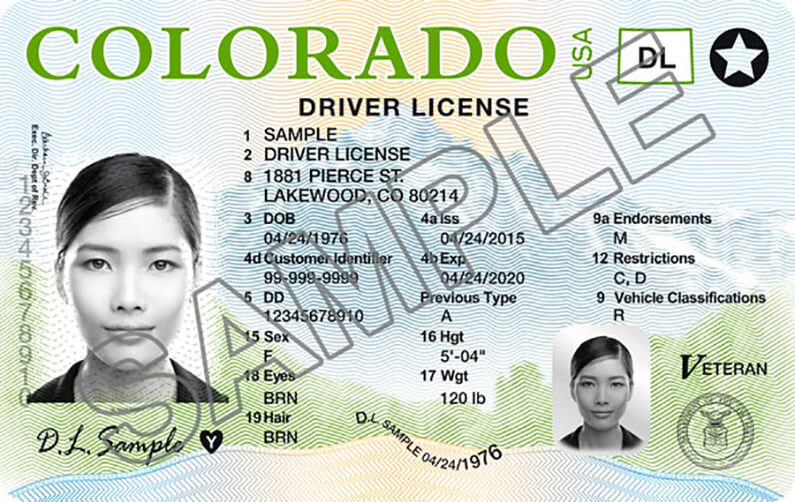
In Colorado, you don’t get a separate “motorcycle license” in the same way you might get a commercial driver’s license. Instead, you add a motorcycle endorsement to your existing driver’s license. This endorsement signifies that you have met the state’s requirements for operating a motorcycle.
- Motorcycle Endorsement (Class M): This is the most common type of motorcycle license. It allows you to operate any motorcycle, including those with engines over 250cc.
- Instruction Permit (Class M Permit): If you are new to riding or under 18, you may first obtain a motorcycle instruction permit. This permit allows you to practice riding under specific restrictions, such as not riding at night or with passengers, until you pass your skills test.
For those seeking to gain experience and potentially reduce insurance costs, completing an approved motorcycle safety course is highly recommended, and for riders under 18, it is often a mandatory step. These courses provide comprehensive training on safe riding techniques, hazard perception, and defensive riding strategies.
The Motorcycle Licensing Process Step-by-Step
Once you’ve confirmed your eligibility and gathered your documentation, you’re ready to begin the licensing process. This typically involves knowledge testing, permit acquisition, and a practical skills test.
Step 1: Passing the Motorcycle Knowledge Test
The first hurdle in obtaining your motorcycle endorsement is passing the Colorado Motorcycle Knowledge Test. This computerized test assesses your understanding of motorcycle laws, safe riding practices, and general road rules as they apply to motorcycle operation. The test is based on information found in the Colorado Driver Handbook and the Colorado Motorcycle Operator Manual.
- Preparation: Thoroughly study the Colorado Motorcycle Operator Manual. Pay close attention to sections on visibility, cornering, braking, carrying passengers, and riding in various weather conditions. Practice tests are often available online or through third-party resources to help you gauge your readiness.
- Taking the Test: You can take the knowledge test at any Colorado DMV office. You do not typically need an appointment for this test, but it’s wise to call ahead or check the DMV website for their specific procedures.
- Passing Score: You must achieve a passing score on the knowledge test to proceed to the next stage. If you do not pass, you will need to retake the test after a waiting period.
Step 2: Obtaining Your Motorcycle Instruction Permit (If Applicable)
If you are under 18 years old or a new rider who wishes to gain practice before the final skills test, you will need to obtain a motorcycle instruction permit. This permit is issued after you have passed the knowledge test and met the other application requirements.
- Restrictions: The permit comes with restrictions designed to ensure safe practice. These typically include riding during daylight hours only, not carrying passengers, and not riding on interstate highways.
- Practice Riding: This permit allows you to practice your riding skills in a controlled environment, building confidence and proficiency before attempting the skills test. It is strongly advised to practice in areas with minimal traffic and to gradually increase the complexity of your riding situations.
Step 3: Completing an Approved Motorcycle Safety Course
For many riders, especially those under 18, completing an approved motorcycle safety course is either mandatory or highly beneficial. These courses, often offered by organizations like the Motorcycle Safety Foundation (MSF), provide invaluable hands-on training and theoretical knowledge.
- Benefits: Successfully completing an approved course can waive the on-cycle skills test requirement at the DMV. This is a significant advantage, as the skills test can be challenging for some riders. Additionally, many insurance companies offer discounts to riders who have completed these courses.
- Finding a Course: You can find a list of approved motorcycle safety courses on the Colorado Division of Motor Vehicles website. It is important to enroll in a course that is officially recognized by the state to receive the full benefits.
Step 4: Passing the Motorcycle Skills Test
The final step for most applicants is the motorcycle skills test. This is a practical examination administered by a DMV examiner, where you will demonstrate your ability to safely operate a motorcycle. The test assesses various maneuvers and your overall control of the vehicle.
- What to Expect: The test typically includes maneuvers such as:
- Cone Weave: Demonstrating your ability to weave through a line of cones smoothly.
- Normal Stop: Coming to a controlled stop.
- Sharp Turn: Executing a quick turn.
- Obstacle Swerve: Maneuvering around an unexpected obstacle.
- U-Turn: Performing a U-turn within a designated area.
- Your Motorcycle: You must provide your own registered and insured motorcycle for the skills test. Ensure it is in good working condition and meets all safety requirements. You will also need to wear appropriate protective gear, including a helmet, eye protection, sturdy footwear, long pants, and long-sleeved clothing.
- Passing the Test: A successful completion of the skills test will allow you to receive your motorcycle endorsement. If you fail, you will be given feedback and will need to schedule a retest.
Navigating the DMV and Finalizing Your License
The Colorado DMV offices are where you will formally apply for and receive your motorcycle license. Understanding the process at the DMV and any specific requirements can help make your visit more efficient.
Scheduling Your DMV Appointment
While walk-in services are sometimes available, it is highly recommended to schedule an appointment at your local Colorado DMV office, especially for skills tests or when submitting a complete application. Appointments can usually be made online through the Colorado DMV website or by phone. This will minimize your waiting time and ensure you are seen promptly.
Fees and Payment
There are fees associated with obtaining a motorcycle license or endorsement in Colorado. These fees cover the cost of the knowledge test, skills test, and the issuance of the new license or updated endorsement. The exact amounts can be found on the Colorado DMV website. Most DMV offices accept cash, checks, and credit/debit cards.

Receiving Your Motorcycle Endorsement
Once you have successfully passed all required tests and provided all necessary documentation, the DMV will process your application. Your new driver’s license will be issued with the motorcycle endorsement. It may take a few weeks for the physical card to be mailed to you. In the meantime, you may be issued a temporary document that serves as your proof of license.
Pro Tip: For those planning extensive motorcycle travel through scenic routes like the Million Dollar Highway or exploring charming towns like Aspen or Telluride, having your motorcycle license in order is just the beginning. Researching motorcycle-friendly accommodations, such as those offering secure parking, or understanding local traffic laws and seasonal road closures will further enhance your Colorado adventure. Consider booking stays in unique places like the Broadmoor Seven Falls Luxury Suites or exploring budget-friendly options that still offer comfort after a long day’s ride.
By following these steps, you’ll be well on your way to legally enjoying the freedom and exhilaration of riding a motorcycle through the diverse and captivating landscapes of Colorado. Remember to always prioritize safety, wear appropriate gear, and ride responsibly.
LifeOutOfTheBox is a participant in the Amazon Services LLC Associates Program, an affiliate advertising program designed to provide a means for sites to earn advertising fees by advertising and linking to Amazon.com. Amazon, the Amazon logo, AmazonSupply, and the AmazonSupply logo are trademarks of Amazon.com, Inc. or its affiliates. As an Amazon Associate we earn affiliate commissions from qualifying purchases.