
For anyone considering a move to the Lone Star State, embarking on a long-term stay, or even just planning an extended exploration of its vast and varied landscapes, securing a Texas driver’s license isn’t just a bureaucratic step—it’s your golden ticket to unlocking the true spirit of independence and adventure that defines life in Texas. While public transportation options exist in major metropolitan areas, the sheer size of the state and the abundance of captivating destinations make a personal vehicle, and the license to operate it, an indispensable asset.
Imagine the freedom: cruising through the bustling streets of Houston, discovering the vibrant music scene of Austin, exploring the historical depths of San Antonio, or venturing off into the serene wilderness of Big Bend National Park. These experiences, central to any true Texas lifestyle, are profoundly enhanced by the ability to drive yourself. This comprehensive guide will walk you through every step of obtaining your Texas driver’s license, framed within the context of making the most of your travel, tourism, and long-term accommodation experiences across the state.
Navigating the Lone Star State: Why a Texas Driver’s License is Your Essential Travel Companion
A Texas driver’s license is more than just a permit to operate a vehicle; it’s an identity document, a key to proving residency, and a practical necessity for fully immersing yourself in the Texas way of life. For long-term visitors, digital nomads setting up temporary homes, or new residents, relying solely on ride-sharing services or limited public transport can quickly become restrictive, particularly outside the core city centers. Texas is a state built for driving, with expansive highways connecting its major hubs and scenic backroads leading to hidden gems.
Consider the diverse destinations you can explore: from the sun-kissed beaches of Galveston and South Padre Island to the rugged, awe-inspiring beauty of the Guadalupe Mountains National Park. The famous Texas Hill Country, with its charming small towns like Fredericksburg and Gruene, offers vineyards, distilleries, and scenic drives that are simply inaccessible without your own wheels. For those interested in local culture and food, a driver’s license means you can embark on an authentic Texas barbecue trail, visiting legendary smokehouses in towns like Lockhart or Franklin, which are often off the beaten path.
Moreover, a Texas driver’s license often serves as a primary form of identification, simplifying everyday tasks such as opening bank accounts, signing leases for long-term accommodation, or even checking into a hotel or resort. For families, the convenience of having a vehicle for school runs, grocery shopping, or weekend trips to amusement parks or state fairs is unparalleled. It integrates you seamlessly into the local lifestyle, making your stay, whether for months or years, more efficient, enjoyable, and genuinely Texan.
Eligibility and Documentation: Your First Steps to Driving in Texas
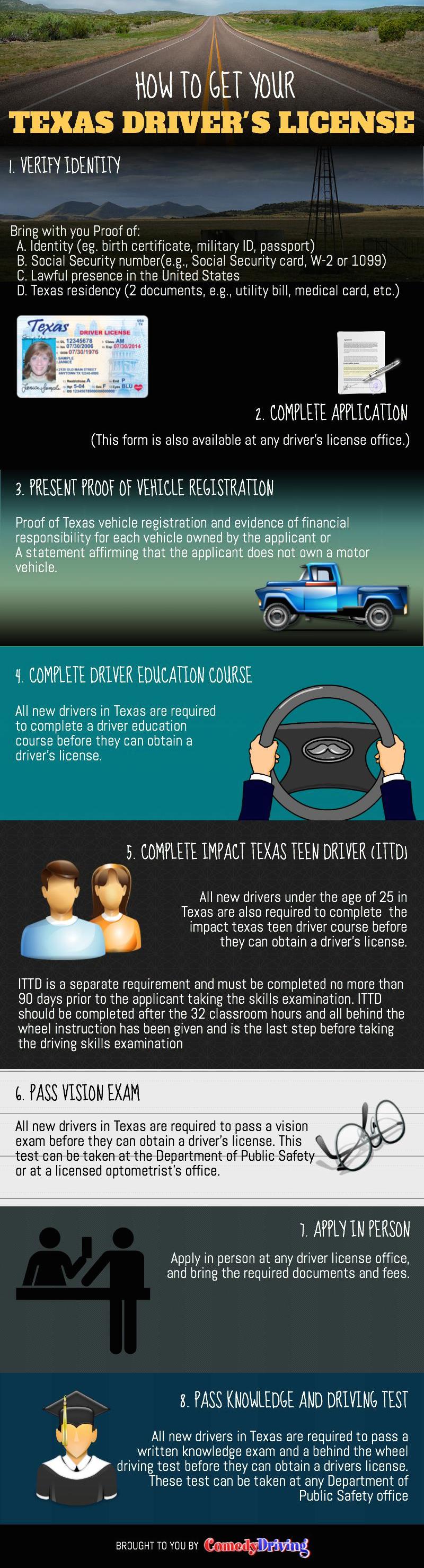
Before you can hit the open roads of Texas, you’ll need to demonstrate your eligibility and provide a comprehensive set of documents to the Texas Department of Public Safety (DPS). Understanding these requirements is crucial for a smooth application process, especially for newcomers who are navigating a new state’s administrative procedures.
Who Needs a Texas Driver’s License?
- New Residents: If you move to Texas from another state or country and plan to reside here, you are generally required to obtain a Texas driver’s license within 90 days of establishing residency. This aligns with long-term stay and lifestyle aspects of the website.
- International Visitors on Long-Term Visas: While an International Driving Permit (IDP) combined with your foreign license might be sufficient for short tourist visits, those staying for extended periods (e.g., for work, study, or family) will need a Texas license.
- First-Time Drivers: Teenagers turning 16 and adults who have never held a driver’s license must also follow specific procedures to obtain one.
Essential Documents Checklist
The DPS requires several categories of documentation to prove your identity, residency, and legal presence in the US. It’s imperative to bring original documents, as photocopies are usually not accepted.
- Proof of Identity:
- For US Citizens: A US Birth certificate or valid US Passport is typically required.
- For Non-US Citizens: This can include a valid foreign Passport with a visa (if applicable) and an I-94 (Arrival/Departure Record), an Employment Authorization Document (EAD), or a Permanent Resident Card. Ensure all your immigration documents are current and valid.
- Proof of Texas Residency: You’ll need two different documents showing your name and current Texas residential address. These could include:
- Current utility bills (electricity, water, gas, cable)
- Lease agreement or mortgage statement (relevant for securing accommodation)
- Bank statements
- Pay stubs
- Homeowner’s or renter’s insurance policy
- Mail from a government agency (e.g., Social Security Administration)
- Proof of Social Security Number (SSN): Your original Social Security card or a government document displaying your full SSN (e.g., W-2 form, SSA-1099). If you do not have an SSN and are not eligible for one, the DPS will require an affidavit.
- Proof of US Citizenship or Lawful Presence: This often overlaps with proof of identity but is a distinct requirement.
- Proof of Vehicle Registration and Insurance: If you own a vehicle and plan to take the driving test in it, you must show proof of valid registration and current automobile liability insurance.
- Application Fee: Be prepared to pay the non-refundable application fee. Check the latest fees on the DPS website before your visit.
Preparing Your Visit to the DPS Office
To make your visit to the DPS office as efficient as possible, especially in bustling cities like Dallas, Houston, or Austin, planning is key. Many DPS offices now highly recommend, or even require, scheduling an appointment online in advance. This can significantly reduce wait times, allowing you more time to explore Texas rather than spending it in a waiting room.
Before your appointment, meticulously gather all necessary original documents. Create a physical checklist and double-check each item. When you arrive at the DPS office, you will typically undergo a vision test, provide fingerprints, and have your photo taken for the license.
The Driving Test and Beyond: Embracing Your Texas Journey
Once your documentation is in order and preliminary steps are complete, the next phase involves demonstrating your knowledge of Texas traffic laws and your practical driving skills. This is where your ability to navigate the unique aspects of Texas roads truly begins.
The Written Test
The written exam evaluates your understanding of Texas road signs and traffic laws. To prepare, you should thoroughly study the Texas Drivers Handbook, which is available online on the DPS website. Many online resources also offer practice tests, which are an excellent way to familiarize yourself with the format and types of questions. Knowledge of right-of-way rules, speed limits in various zones, and specific Texas regulations (like the move-over law for emergency vehicles) will be critical.
The Road Test
The road test assesses your ability to safely operate a vehicle in real-world conditions. You will need to provide a registered and insured vehicle for the test. The examiner will evaluate various skills, including:
- Vehicle Control: Proper use of signals, smooth braking and acceleration, maintaining a safe following distance.
- Maneuvers: Parallel parking, three-point turns, lane changes, and backing up.
- Observation: Checking mirrors, blind spots, and observing traffic signs and signals.
- Following Laws: Adhering to speed limits, stop signs, and traffic lights.
It’s highly advisable to practice driving in various Texas conditions, especially if you’re new to the state. Familiarize yourself with multi-lane freeways common in cities like Dallas and Houston, as well as the unique challenges of rural roads in areas like the Texas Hill Country.
Teenagers and First-Time Adult Drivers
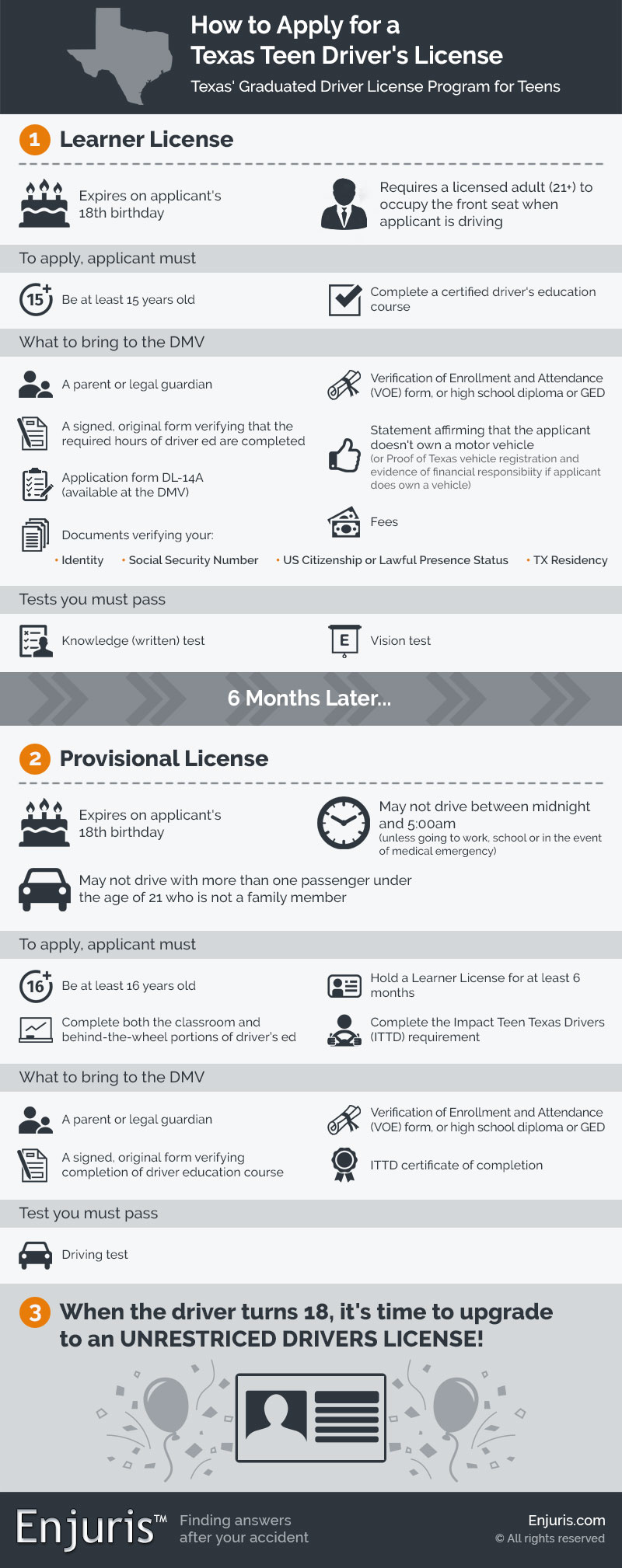
For individuals applying for their first driver’s license in Texas, additional requirements often apply:
- Driver’s Education: Most first-time drivers, especially those under 25, must complete an approved driver’s education course.
- Impact Texas Young Drivers (ITYD) Course: This is a free, 2-hour online course required for all individuals taking the driving skills test. It aims to raise awareness about the dangers of distracted driving. There’s also an Impact Texas Adult Drivers (ITAD) course for those 18 and older.
- Graduated Driver License (GDL) Program: For drivers under 18, Texas implements a GDL program with specific restrictions on driving times and passengers, designed to provide supervised driving experience.
What Happens After Passing?
Upon successfully passing both the written and road tests, you will be issued a temporary paper driver’s license. Your official, permanent driver’s license card will then be mailed to your Texas residential address, typically within a few weeks.
Maintaining Your License
Your Texas driver’s license is valid for several years. It’s important to keep track of its expiration date and renew it promptly, either online or in person at a DPS office. Additionally, if you change your residential address, you are legally required to notify the DPS within 30 days to update your records. This ensures all your official documents remain accurate, a vital component of managing your lifestyle and accommodation in the state.
Special Considerations for Travelers and Newcomers
Navigating the nuances of driver’s licenses can be particularly complex for those transitioning from other states or countries. Texas has specific rules to accommodate different situations.
International Drivers
- Short-Term Tourism: If you are visiting Texas as a tourist for less than 90 days, your valid foreign driver’s license, often accompanied by an International Driving Permit (IDP), is generally sufficient. The IDP translates your foreign license into multiple languages, which is helpful for law enforcement.
- Establishing Residency: As mentioned, once you establish residency (e.g., getting a job, enrolling in school, renting long-term accommodation) and plan to stay beyond 90 days, obtaining a Texas driver’s license becomes mandatory. This is critical for anyone embracing a long-term lifestyle in the state.
- Driving Experience Waiver: While you still need to pass the written test and vision exam, some international drivers might have the road test waived if they have a valid license from a country that has a reciprocal agreement with the US, or if they meet certain criteria based on their visa status and driving history. It’s always best to check the latest DPS guidelines for specific exemptions.
Transferring an Out-of-State License
If you’re moving to Texas from another US state, the process for obtaining a Texas license is typically simpler than for first-time drivers. In most cases, if your out-of-state license is current and valid, you will not be required to take the driving skills test. You will, however, still need to:
- Pass the written knowledge test and vision exam.
- Provide all necessary documentation: proof of identity, two proofs of Texas residency, proof of SSN, and proof of US citizenship or lawful presence.
- Surrender your out-of-state driver’s license.
Exploring Texas Without a Car (Temporarily)
While a Texas driver’s license offers unparalleled freedom, it’s worth noting that if you’re still in the process of acquiring one, you can still experience parts of the state. Major cities like Austin, San Antonio, and Dallas have robust ride-sharing services and some limited public transportation. For short visits, these can be viable options, allowing you to enjoy urban attractions like the San Antonio Riverwalk or Austin’s Lady Bird Lake without needing a car. However, for true exploration of the state’s diverse destinations and for integrating into a long-term Texas lifestyle, obtaining your license remains the most practical and rewarding path.
Exploring Texas: Your License to Unforgettable Adventures
With your shiny new Texas driver’s license in hand, the possibilities for adventure become boundless. This is where the practical administrative step truly transforms into a gateway for unforgettable travel and lifestyle experiences.
City Escapes and Urban Exploration
Your license will allow you to effortlessly navigate Texas’s vibrant cities, each with its unique charm and attractions.
- Houston: Explore world-class museums, diverse culinary scenes, and the fascinating Johnson Space Center.
- Austin: Immerse yourself in the “Live Music Capital of the World,” enjoy food trucks, and hike or bike around Lady Bird Lake.
- Dallas: Discover its sophisticated arts district, upscale shopping, and historical landmarks like the Sixth Floor Museum.
- San Antonio: Drive to the historic Alamo and wander along the famous Riverwalk, a truly iconic landmark.
Natural Wonders & Outdoor Activities
Texas boasts an incredible array of natural beauty, much of which requires a car to access.
- National Parks: Embark on an epic road trip to Big Bend National Park for hiking, stargazing, and exploring the Chisos Mountains and the Rio Grande. Or head to Guadalupe Mountains National Park for its highest peak in Texas.
- State Parks and Natural Areas: Discover hidden swimming holes like those in Balmorhea State Park, hike up the granite dome of Enchanted Rock State Natural Area, or enjoy the serene beauty of Padre Island National Seashore.
- Coastal Escapes: Drive down to the Gulf Coast to enjoy the beaches of Galveston or the lively atmosphere of South Padre Island.
Culinary Journeys and Cultural Immersion
A driver’s license empowers you to venture beyond the typical tourist spots and dive deep into Texas’s rich cultural and culinary tapestry.
- Texas Barbecue Trail: Chase the best brisket from Lockhart to Franklin, experiencing authentic Texas hospitality along the way.
- Wineries and Craft Breweries: The Texas Hill Country is home to a burgeoning wine region. Drive through picturesque landscapes, stopping at vineyards in Fredericksburg or Grapevine.
- Small Town Charms: Explore the unique character of small Texas towns, from historic districts to antique shops and local eateries, all accessible by car.
Lifestyle Integration and Budget Travel
For those embracing a new lifestyle in Texas or planning budget-friendly travel, your driver’s license is a cornerstone. It facilitates daily commuting, allows for spontaneous weekend trips, and often proves more cost-effective than flying for inter-state exploration. This freedom to travel on your own schedule and terms epitomizes the “life out of the box” philosophy, offering unparalleled flexibility in accommodation choices and itinerary planning.
In conclusion, while the process of obtaining a Texas driver’s license involves several steps and careful preparation, the rewards are immeasurable. It’s an investment in your personal freedom, your ability to integrate into the Texas lifestyle, and your passport to countless adventures across this magnificent state. Plan your DPS visit wisely, gather your documents meticulously, and get ready to explore everything the Lone Star State has to offer.
LifeOutOfTheBox is a participant in the Amazon Services LLC Associates Program, an affiliate advertising program designed to provide a means for sites to earn advertising fees by advertising and linking to Amazon.com. Amazon, the Amazon logo, AmazonSupply, and the AmazonSupply logo are trademarks of Amazon.com, Inc. or its affiliates. As an Amazon Associate we earn affiliate commissions from qualifying purchases.