
Obtaining a Texas ID card might seem like a straightforward administrative task, but for many, especially those new to the state or planning extended stays, it can feel like navigating a complex maze. This guide aims to demystify the process, offering clear, actionable steps to help you secure your official identification. We’ll cover everything from eligibility and required documents to the application process itself, ensuring you’re well-prepared. While the primary purpose of a Texas ID card is identification, its utility extends far beyond, becoming an essential companion for various travel experiences, accommodation bookings, and immersing yourself in the vibrant Texas lifestyle.
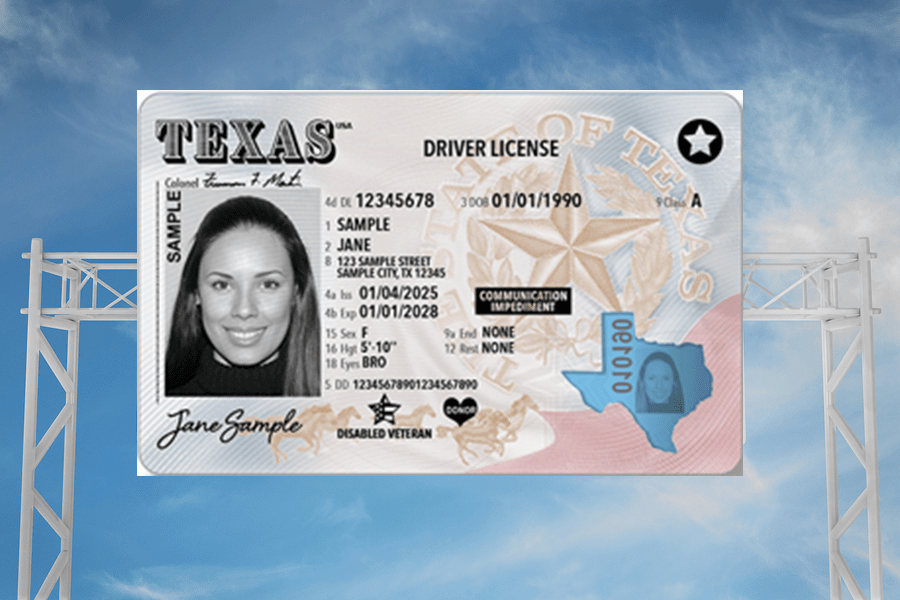
Whether you’re a student heading to University of Texas at Austin, a business professional establishing a presence in Dallas, or a tourist planning an extended adventure exploring Big Bend National Park, having a valid Texas ID card simplifies many aspects of your journey. It acts as a key to unlocking various opportunities, from accessing local attractions to securing long-term accommodation and even enjoying the rich cultural tapestry of the Lone Star State.
Understanding the Texas ID Card: Your Essential Identification Tool
The Texas ID card, officially known as the Texas Driver License (for those who drive) or the Texas Identification Card (for non-drivers), is issued by the Texas Department of Public Safety (DPS). It serves as a fundamental form of identification, proving your identity and residency within the state. For travelers, this card is invaluable. It allows you to check into hotels seamlessly, whether you’re looking for a luxurious suite at the The Ritz-Carlton, Dallas, a charming villa in Fredericksburg, or a budget-friendly apartment in Austin. It’s also crucial for age verification for activities like wine tasting tours in the Texas Hill Country or visiting certain historical sites with age restrictions.
Beyond its practical uses for travel and accommodation, the Texas ID card is a gateway to experiencing the state’s diverse offerings. It can be used to rent a car, enabling spontaneous road trips to explore iconic landmarks like the Alamo in San Antonio or the historic Fort Worth Stockyards. It also facilitates participation in local tourism activities, from securing tickets to a Texas Rangers baseball game to enjoying the culinary delights of Houston. For those considering a long-term stay, whether for study, work, or simply to embrace the Texas lifestyle, the ID card solidifies your connection to the state, making daily life and engagement with local communities much smoother.
Who is Eligible for a Texas ID Card?
Eligibility for a Texas ID card is primarily based on residency and age. Generally, any Texas resident who is 15 years of age or older can apply for a Texas Identification Card. If you hold a valid Texas Driver License, you are already equipped with your official state identification. For those who do not drive or are looking for an alternative to a Driver License, the Texas Identification Card is the ideal solution.
Key eligibility criteria often include:
- Residency: You must be able to prove that you reside in Texas. This is a critical requirement, and the DPS has specific guidelines for what constitutes proof of residency.
- Age: As mentioned, applicants must typically be at least 15 years old. Minors may have additional requirements, such as parental consent.
- Identification: You will need to provide documentation to verify your identity. This is a non-negotiable step, and having the correct documents prepared in advance will significantly expedite the process.
It’s important to note that if you are not a U.S. citizen, you will also need to provide documentation proving your legal presence in the United States. The DPS website provides detailed information on acceptable documentation for non-citizens.
The Application Process: Step-by-Step
Securing your Texas ID card involves a series of well-defined steps. While the exact requirements can vary slightly, the general process remains consistent across Texas. Familiarizing yourself with these steps beforehand will ensure a smooth and efficient application experience, minimizing any potential delays or frustrations.
Step 1: Gather Your Required Documents
This is arguably the most crucial step. The Texas Department of Public Safety has stringent requirements for the types of documents you need to present. Failure to provide the correct documentation will result in your application being rejected. It’s highly recommended to visit the official DPS website to obtain the most up-to-date list of acceptable documents. Generally, you will need to present documents that prove:
- Identity: This typically includes a birth certificate, a U.S. passport, or a Certificate of Citizenship.
- Social Security Number (SSN): Your Social Security card or a W-2 form will usually suffice. If you do not have an SSN, you will need to provide alternative documentation as specified by the DPS.
- U.S. Citizenship or Lawful Presence: For U.S. citizens, a birth certificate or passport is usually sufficient. For non-citizens, a visa, green card, or other immigration documents are required.
- Texas Residency: This is where most applicants need to be particularly diligent. You will need to provide at least two different documents proving your physical address in Texas. Examples include utility bills (electricity, water, gas), rental agreements, mortgage statements, bank statements, or even mail from government agencies. Ensure these documents are recent and clearly show your name and Texas address.
Pro Tip: Make copies of all your original documents. While you will need to present originals at the DPS office, having copies can be useful for your records and in case of any unexpected issues.
Step 2: Schedule an Appointment at a DPS Office
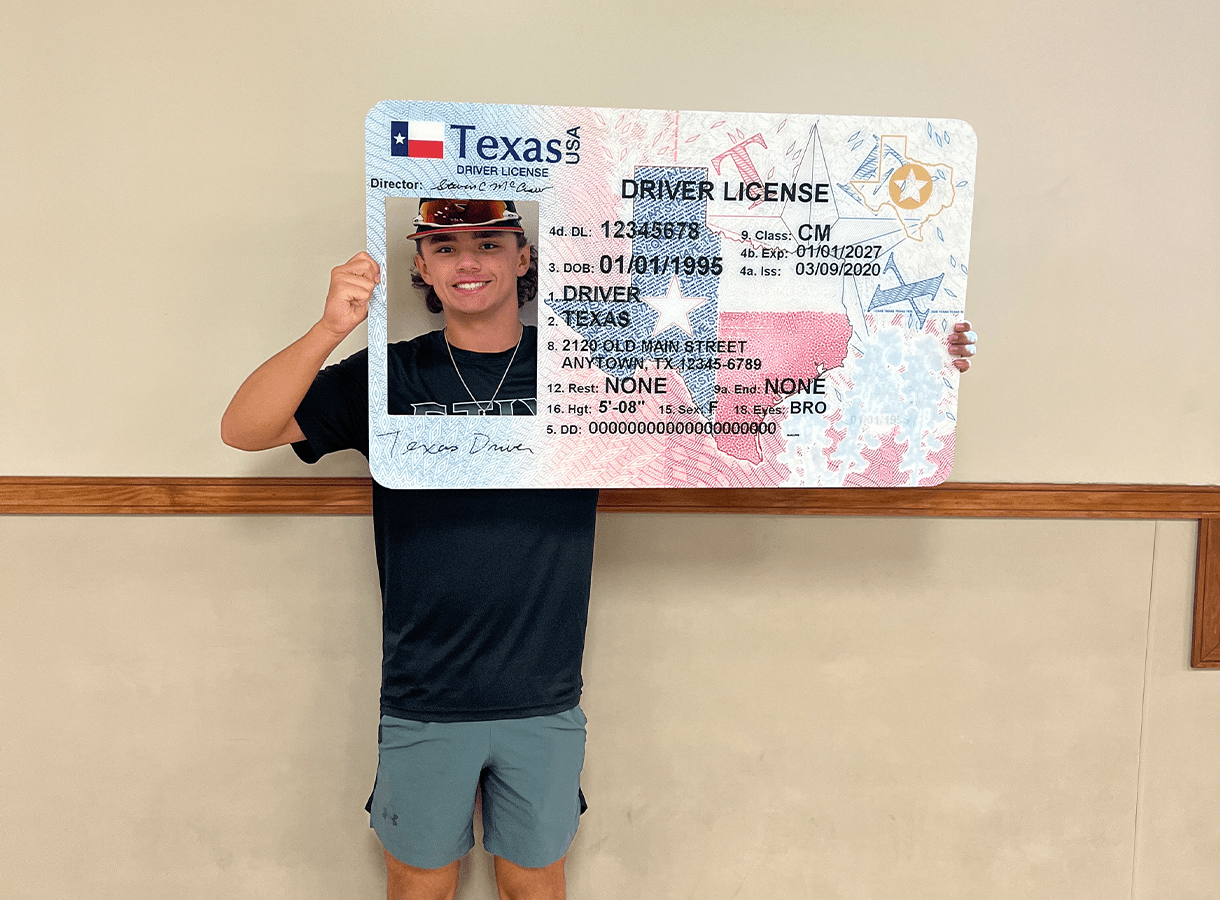
In many Texas cities, including Houston, Austin, and Fort Worth, it is highly recommended, and sometimes mandatory, to schedule an appointment at a Driver License Service Center. This is especially true if you are applying for a new ID card. Walk-ins can result in extremely long wait times.
You can typically schedule your appointment online through the Texas DPS website. Be prepared to select a Driver License Service Center location convenient to you and choose a date and time that works with your schedule. Arriving on time for your appointment is essential.
Step 3: Visit the DPS Office and Complete the Application
On the day of your appointment, arrive at the Driver License Service Center with all your original documents. You will be given an application form to complete. This form will ask for personal information, including your name, address, date of birth, and potentially other details related to your eligibility and background. Take your time to fill out the form accurately and legibly.
During your visit, a DPS representative will:
- Verify your documents: They will carefully review all the documents you have provided to ensure they meet the state’s requirements.
- Take your photograph: A clear, recent photograph will be taken for your ID card.
- Collect your fingerprints: Fingerprinting is a standard procedure for identification purposes.
- Administer vision and knowledge tests (if applicable): If you are applying for a Driver License, you will also need to pass a vision test and a written knowledge test. For a Texas Identification Card for non-drivers, these tests are not required.
- Collect the application fee: There is a fee associated with obtaining a Texas ID card. The exact amount can be found on the DPS website, and payment is typically accepted in cash, check, or money order.
Step 4: Receive Your Temporary ID and Mail Your Permanent ID
After successfully completing all the requirements and paying the fee, you will be issued a temporary Texas ID card. This temporary card is valid for a specific period, usually around 60-90 days, and serves as your proof of identification while your permanent card is being processed.
Your permanent Texas ID card will be mailed to the address you provided on your application. The delivery time can vary, but it typically arrives within a few weeks. It’s important to keep your temporary ID safe and carry it with you until you receive your permanent card.
Maximizing Your Texas ID Card: Travel and Lifestyle Benefits
The benefits of having a Texas ID card extend far beyond mere identification. It unlocks a world of possibilities for exploring and enjoying the vibrant Texas landscape, from its bustling metropolises like Houston and Austin to its natural wonders.
Enhancing Your Travel Experiences
When planning your next adventure, your Texas ID card becomes an indispensable travel companion. It’s your key to:
- Seamless Hotel Bookings: Whether you’re booking a stay at a luxurious resort like the Four Seasons Resort and Club Dallas at Las Colinas or a quaint bed and breakfast in Gruene, your ID card is essential for check-in. It simplifies the process, especially when making reservations for extended stays or booking apartments and villas through platforms that require identity verification.
- Car Rentals: To explore iconic landmarks like the San Antonio Riverwalk or venture into the vastness of West Texas, renting a car is often necessary. A valid Texas ID card is a primary requirement for most car rental agencies.
- Accessing Attractions and Activities: Many tourist attractions, museums, and historical sites, such as the Kimbell Art Museum in Fort Worth or the Space Center Houston, may require identification for ticket purchases, entry, or participation in guided tours. The Texas ID card ensures you won’t miss out on these enriching experiences.
- Age-Restricted Activities: For those interested in exploring Texas‘s burgeoning wine scene in the Texas High Plains or enjoying craft breweries, a Texas ID card serves as definitive proof of age.

Embracing the Texas Lifestyle
Living in Texas is an experience in itself, and your ID card plays a role in fully embracing its unique lifestyle. It can be instrumental in:
- Opening Bank Accounts: Essential for managing your finances, whether you’re a student at Texas A&M University or a new resident settling into a home in Plano.
- Accessing Services: From setting up utilities in your new apartment to enrolling in local community programs, your ID card is often a prerequisite for accessing various services.
- Participating in Local Culture: Attending local festivals, concerts, or sporting events often involves purchasing tickets or gaining entry, for which your ID card is crucial. It allows you to fully immerse yourself in the vibrant local culture, from the live music scene in Austin to the culinary delights of Houston.
- Securing Long-Term Stays: If you’re considering a longer period of residence, perhaps exploring opportunities for business in San Antonio or enjoying a sabbatical in the Texas Hill Country, your Texas ID card solidifies your local status, making arrangements for longer-term accommodation and integration into the community much easier.
In conclusion, the Texas ID card is more than just a piece of plastic; it’s a vital tool that facilitates your journey, whether you’re a fleeting visitor or a new resident. By understanding the application process and the myriad benefits it offers, you can confidently navigate Texas and make the most of your experiences in this remarkable state.