
Obtaining a driver’s license in New York State is a significant milestone, granting you the freedom to explore the vast landscapes, vibrant cities, and charming towns this state has to offer. Whether you’re a lifelong resident looking to get behind the wheel for the first time, a new immigrant eager to navigate your surroundings, or a visitor planning an extended stay that necessitates personal transportation, understanding the process is key. This guide aims to demystify the journey to acquiring your New York driver’s license, covering everything from initial requirements to the final road test.
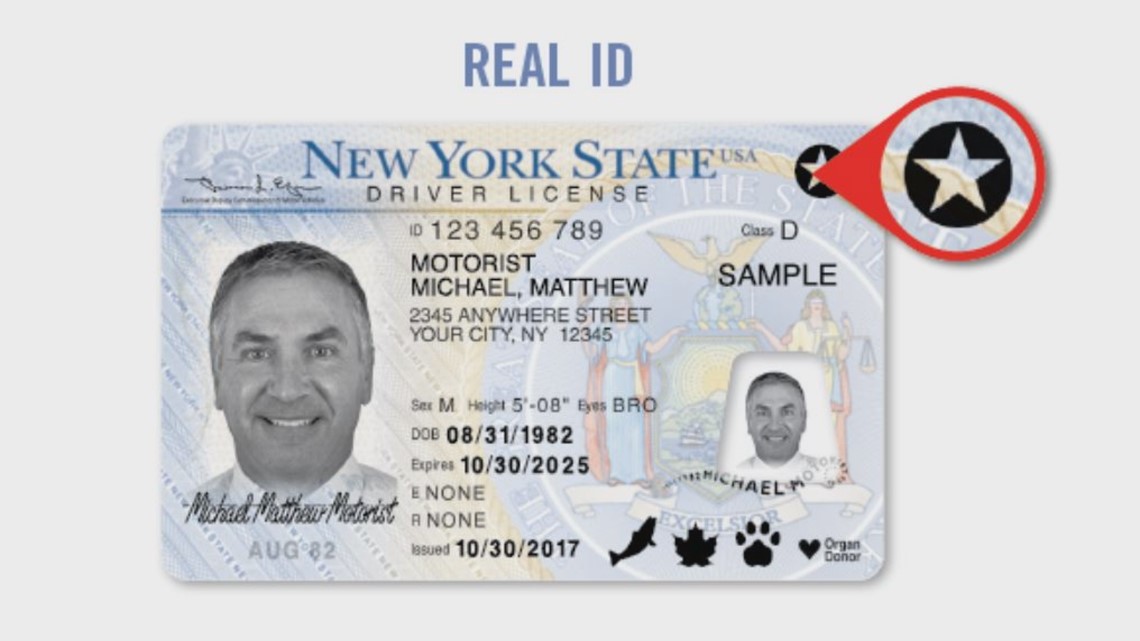
New York’s diverse offerings, from the bustling streets of New York City to the serene beauty of the Adirondack Mountains, become infinitely more accessible with a driver’s license. Imagine spontaneous road trips to the scenic Hudson Valley, exploring charming bed and breakfasts in the Finger Lakes region, or even taking a weekend getaway to the historic city of Albany. Having your own license opens up a world of experiences beyond public transportation, allowing for flexibility and deeper immersion into the local culture and lifestyle.
This process, managed by the New York State Department of Motor Vehicles (DMV), is structured to ensure that all drivers are competent and knowledgeable about traffic laws. It involves a series of steps designed to progressively build your driving skills and understanding. For young drivers, there’s a graduated licensing program, while for adults, the path is more direct but still thorough. We will break down these stages, providing clarity on what you need to do at each step.
Understanding the Different Types of Licenses and Your Eligibility
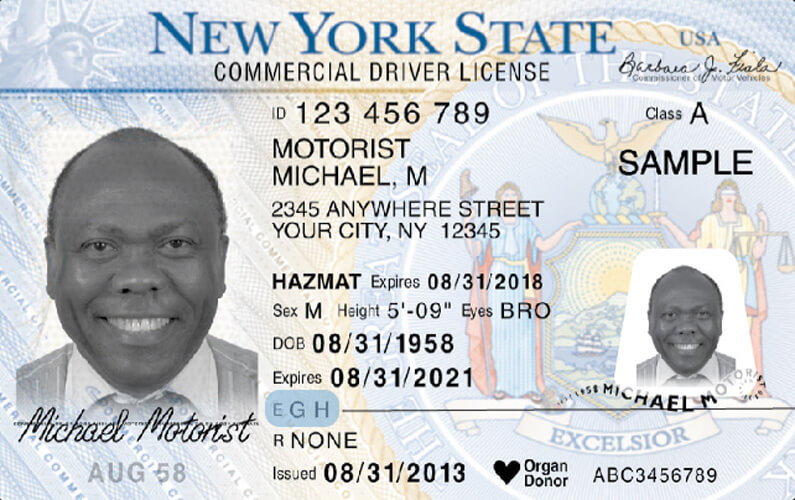
Before embarking on the journey to obtain your driver’s license, it’s crucial to understand the different categories and determine your eligibility. New York State offers various types of licenses depending on your age, driving needs, and the type of vehicle you intend to operate. The most common is the Class D license, which permits the operation of standard passenger vehicles. However, there are also commercial driver’s licenses (CDLs) for those planning to drive larger vehicles like trucks and buses, and motorcycle licenses.
Eligibility Requirements
To be eligible for a driver’s license in New York, you must meet certain age and residency requirements. For a standard Class D license, individuals must be at least 16 years old. However, the process for obtaining a license differs significantly for those under 18.
For Applicants Under 18 Years Old (Graduated Driver Licensing – GDL):
New York’s GDL program is designed to introduce young drivers to the responsibilities of driving in a phased approach. This program is mandatory for all individuals applying for their first driver’s license before they turn 18.
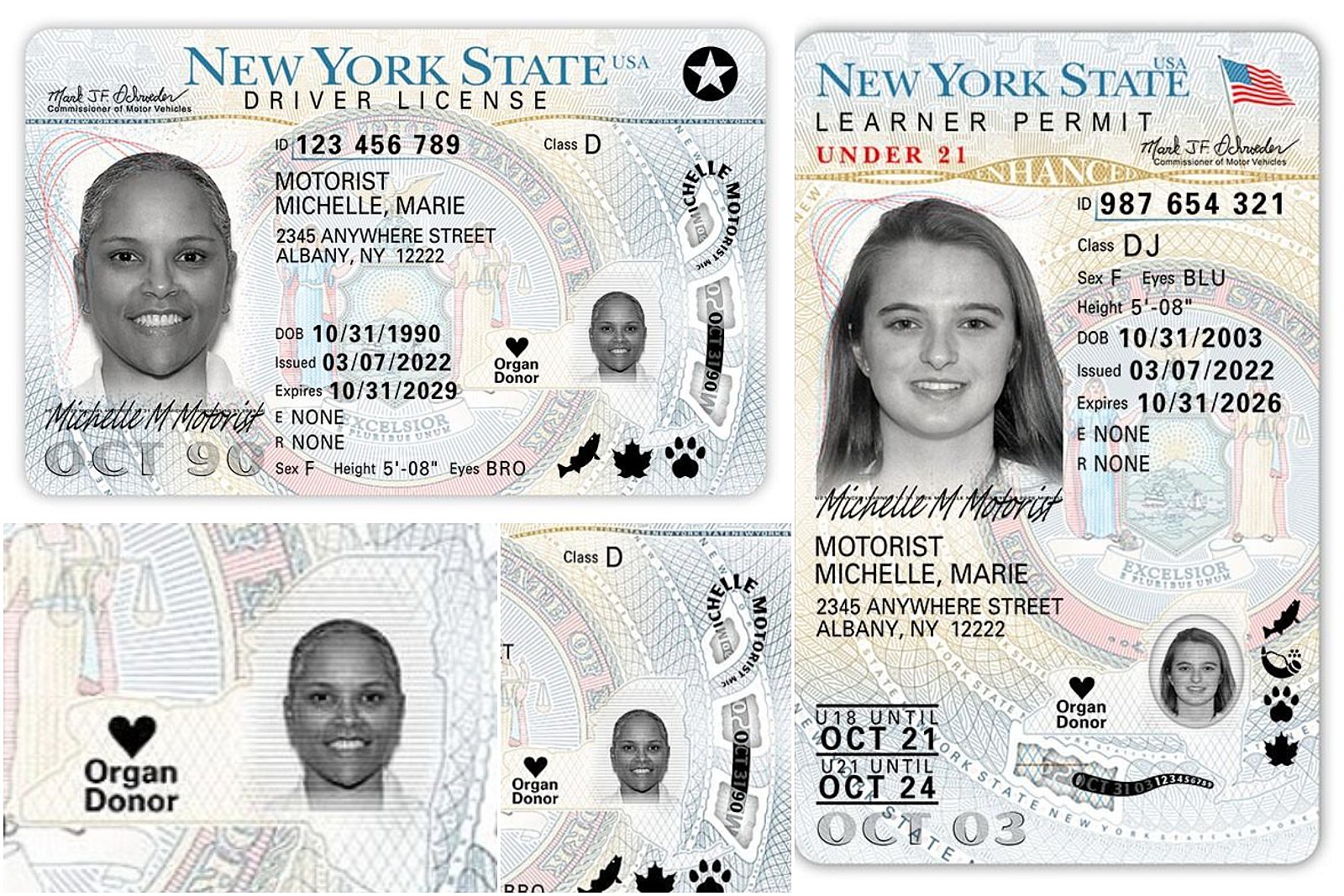
- Junior Learner’s Permit: At 16, you can apply for a Junior Learner’s Permit. This requires passing a vision and written knowledge test and submitting proof of identity and date of birth. With a Junior Learner’s Permit, you can drive only when accompanied by a licensed driver who is at least 21 years old and seated in the front passenger seat. There are also restrictions on driving hours and passengers.
- Junior Driver’s License: After holding the Junior Learner’s Permit for at least six months and completing a certified driver education course (or 50 hours of supervised driving practice, noted by a certified instructor or parent/guardian), you can apply for a Junior Driver’s License. This license allows you to drive unsupervised, but with certain restrictions, including limitations on driving between 9 PM and 5 AM (unless accompanied by a qualified supervising driver) and restrictions on carrying non-family passengers.
- Senior Driver’s License: Upon turning 17 and having held a Junior Driver’s License for at least 12 months (and completing the required driver education or practice), you can upgrade to a Senior Driver’s License. This license removes most of the GDL restrictions, allowing for more freedom on the road.
For Applicants 18 Years and Older:
The process for adults is more straightforward. You do not go through the graduated licensing stages.
- Learner’s Permit: You can apply for a Learner’s Permit once you are 18 years old. This involves passing a vision and written knowledge test and providing the necessary documentation. With a Learner’s Permit, you can drive only when accompanied by a licensed driver who is at least 21 years old and seated in the front passenger seat.
- Driver’s License: After holding your Learner’s Permit for a minimum of one month and practicing your driving skills, you can schedule and take your road test.
Residency Requirements:
You must be a resident of New York State to obtain a New York driver’s license. Proof of residency, such as utility bills, rental agreements, or school records, will be required.
International Visitors and New Residents:
If you are moving to New York from another state or country, there are specific rules. Drivers licensed in other U.S. states or Canadian provinces can generally exchange their license for a New York license without taking a written or road test, provided their license is valid and they meet eligibility requirements. International drivers may need to complete the full licensing process, including tests. The DMV website provides detailed information for different scenarios.
The Step-by-Step Process: From Permit to License
The journey to a New York driver’s license is a systematic one, with each step building upon the last. Understanding this progression will help you navigate the requirements smoothly and efficiently.
Step 1: Obtaining Your Learner’s Permit
The first official step for most aspiring drivers in New York is to obtain a Learner’s Permit. This document signifies that you have a basic understanding of traffic laws and are ready to begin practicing driving under supervision.
What You’ll Need:
- Proof of Identity and Date of Birth: This can include a birth certificate, passport, or other valid identification.
- Proof of Social Security Number: Your Social Security card or an official document showing your Social Security number.
- Proof of New York State Residency: Utility bills, bank statements, or a lease agreement are common examples.
- Application Form: You can obtain the MV-44 (Application for Permit, Driver License or Non-Driver ID Card) from the DMV website or at a local office.
- Vision Test: You’ll need to pass a vision screening. If you wear glasses or contact lenses, bring them with you.
- Written Knowledge Test: This computer-based test assesses your understanding of traffic laws, road signs, and safe driving practices. The New York State Driver’s Manual is your primary study resource.
Where to Go:
You can visit any DMV office to apply for your permit. It’s often advisable to schedule an appointment online to minimize wait times.
Step 2: Practicing Your Driving Skills
Once you have your Learner’s Permit, the real learning begins. Supervised practice is crucial for developing the skills and confidence needed to drive safely.
- Supervised Driving: As mentioned, permit holders must always drive with a qualified supervising driver. This individual must be at least 21 years old and possess a valid driver’s license. They must sit in the front passenger seat.
- Practice Makes Perfect: Dedicate ample time to practice in various driving conditions and environments. This includes city driving, highway driving, navigating different weather, and parking maneuvers. The more varied your practice, the better prepared you will be for the road test.
- Driver Education Courses: For drivers under 18, completing a driver education course offered by a high school or a commercial driving school is highly recommended and often a requirement. These courses provide structured learning and invaluable experience.
- Minimum Practice Period: For those 18 and older, you must hold your permit for at least one month before you can take the road test. For those under 18, specific durations and requirements apply as part of the GDL program.
Step 3: Scheduling and Taking Your Road Test
The road test is the practical evaluation of your driving abilities. It’s designed to assess your proficiency in operating a vehicle safely and adhering to traffic laws.
What to Bring:
- Your Learner’s Permit.
- A registered and insured vehicle: The vehicle must be in good working order, with functioning brakes, lights, and turn signals. Ensure it has a valid inspection sticker.
- A licensed driver to accompany you: You cannot drive yourself to the test site.
- Proof of insurance and registration for the vehicle.
The Test Itself:
Your examiner will evaluate your ability to perform various driving maneuvers, including:
- Pre-drive checks: Demonstrating you can properly check your vehicle’s lights, signals, and tires.
- Starting and stopping: Smoothly accelerating and decelerating, and stopping at appropriate locations.
- Turning: Executing turns safely and effectively.
- Lane changes: Changing lanes smoothly and signaling properly.
- Backing up: Safely backing up in a straight line.
- Parallel parking: Demonstrating proficiency in parallel parking.
- Observing traffic signals and signs: Responding appropriately to all road signs and signals.
- General safe driving practices: Maintaining proper speed, staying aware of your surroundings, and using your mirrors effectively.
If you pass the road test, the examiner will provide you with an interim license. Your permanent driver’s license will be mailed to you within a few weeks. If you do not pass, you will need to wait a specified period before retaking the test.
Essential Resources and Tips for Success
Navigating the process of obtaining a driver’s license can be much smoother with the right resources and a proactive approach. The New York State Department of Motor Vehicles (DMV) is your primary source for official information, but supplementing your preparation with additional tips can significantly enhance your chances of success.
Official Resources from the DMV
The DMV website is an invaluable tool. Here are some key resources you should consult:
- New York State Driver’s Manual: This is the foundational document for anyone seeking a driver’s license. It contains all the necessary information about traffic laws, road signs, and safe driving practices. It is essential to read and understand this manual thoroughly before taking the written knowledge test.
- DMV Website: The official website provides access to forms, schedules for tests, office locations, and answers to frequently asked questions. You can also find information specific to different license types, including CDLs and motorcycle licenses.
- DMV Office: While online resources are plentiful, visiting a DMV office can be helpful for clarifying any personal queries or submitting applications in person. Remember to check if appointments are recommended or required.
Tips for Passing Your Written and Road Tests
For the Written Knowledge Test:
- Study Diligently: Don’t just skim the Driver’s Manual. Understand the rules, signs, and safe driving principles.
- Practice Tests: Many DMV branches and third-party websites offer practice written tests. Taking these regularly will help you identify your weak areas and familiarize yourself with the test format.
- Focus on Key Areas: Pay close attention to sections on speed limits, right-of-way, impaired driving, and handling emergencies.
For the Road Test:
- Practice Consistently: The more you drive, the more comfortable and skilled you will become. Seek out diverse driving conditions – highways, city streets, rural roads, and different times of day.
- Familiarize Yourself with the Test Route (if possible): While test routes can vary, understanding common maneuvers and road layouts in your testing area can be beneficial.
- Vehicle Readiness: Ensure the vehicle you use for the test is in excellent condition. Check your lights, wipers, turn signals, and brakes beforehand. Make sure your registration and insurance are up-to-date.
- Stay Calm and Confident: Nerves are normal, but try to remain calm. Take deep breaths, focus on the examiner’s instructions, and drive defensively.
- Observe and Signal: Always check your mirrors, blind spots, and signal your intentions clearly and in advance.
- Follow Instructions: Listen carefully to the examiner’s directions and follow them precisely. If you are unsure, politely ask for clarification.
- Know Your Vehicle: Be comfortable operating all the controls of the vehicle, including the lights, wipers, defroster, and horn.
By utilizing the official resources and following these practical tips, you can confidently navigate the path to obtaining your New York driver’s license, opening up a world of travel, adventure, and lifestyle opportunities across the Empire State and beyond. From exploring the iconic sights of Times Square to discovering hidden gems in upstate towns, your license is your key to unlocking the full experience of living in or visiting New York.