
Cape Cod, with its iconic sandy beaches, charming seaside villages, historic lighthouses, and delectable seafood, stands as one of New England’s most beloved and sought-after vacation destinations. Drawing millions of visitors each year, this distinctive arm-shaped peninsula offers a quintessential coastal experience, blending natural beauty with a rich cultural heritage. For many travelers, the journey to Cape Cod often begins in Boston, a vibrant urban hub known for its historical significance and bustling international airport. Bridging the gap between these two distinct Massachusetts gems requires a bit of planning, but thankfully, a variety of transportation options cater to every preference, budget, and travel style.

Whether you’re envisioning a luxurious escape, a budget-friendly adventure, a memorable family trip, or a quick business stay, understanding the various routes and their associated benefits is key to a seamless journey. This comprehensive guide will delve into all the practicalities of traveling from Boston to Cape Cod, exploring everything from the scenic drive and convenient public transit to swift air travel and delightful ferry rides. We’ll also touch upon how these travel choices intersect with the broader aspects of your overall tourism experience, from finding the perfect accommodation to discovering the region’s most enchanting landmarks and activities, ensuring your trip embodies the ideal lifestyle you seek.
Navigating Your Journey: Transportation Options from Boston to Cape Cod
The distance between Boston and the entry point of Cape Cod is approximately 60-70 miles, but travel time can vary significantly depending on your chosen mode of transport and, crucially, the time of year and day. Each option presents a unique set of advantages and disadvantages, allowing travelers to tailor their journey to their specific needs and desires.
By Car: The Classic New England Road Trip
For many, the quintessential way to experience New England is by car, and a road trip from Boston to Cape Cod perfectly embodies this lifestyle. Driving offers unparalleled flexibility, allowing you to set your own pace, explore charming towns off the main routes, and stop whenever a scenic overlook or a quaint antique shop catches your eye.
The Route:
The primary route involves taking Interstate 93 South from Boston, which then merges onto Route 3 South. This highway, often referred to as the “Pilgrim Highway,” takes you directly towards the base of the peninsula. To access Cape Cod, you’ll cross one of two iconic bridges: the Sagamore Bridge or the Bourne Bridge. Both lead directly onto Route 6, the main artery that traverses the length of the Cape, from Bourne all the way to Provincetown.
Pros:
- Flexibility and Freedom: A car provides the ultimate freedom to explore. You can easily venture to various towns like Hyannis, Chatham, Wellfleet, and Provincetown at your leisure, visit numerous beaches, and discover hidden gems. This is ideal for family trips or those seeking a highly personalized travel experience.
- Convenience for Luggage: If you’re traveling with substantial luggage, beach gear, or supplies for a long-term stay in a vacation rental, a car is invaluable.
- Scenic Drives: While Route 3 itself isn’t particularly scenic, once you cross onto Cape Cod, the secondary roads offer picturesque views of salt marshes, cranberry bogs, and historic villages.
Cons:
- Traffic: This is the biggest drawback, especially during peak season (Memorial Day to Labor Day), weekends, and holiday periods. The approach to the bridges can become heavily congested, turning a usual 1.5-hour drive into a 3-4 hour ordeal. Planning your travel for off-peak hours (very early morning or late evening) can mitigate this.
- Parking: Finding parking, particularly in popular towns and near beaches, can be challenging and expensive during the summer months.
- Rental Costs: If you don’t own a car, rental fees, fuel costs, and potential tolls add to your budget.
Lifestyle Tip: For budget travel, carpooling with friends or family significantly reduces costs. For those seeking a luxury travel experience, consider renting a premium vehicle to enjoy the scenic routes in ultimate comfort.
Public Transportation: Bus and Train Connections
For travelers who prefer to sit back and relax, avoid the stress of driving, or are focusing on budget travel, public transportation offers reliable and convenient alternatives.
Bus Services
Peter Pan Bus Lines is the primary carrier providing extensive service from Boston to various points on Cape Cod. Buses depart frequently from South Station in Boston and make stops in several popular Cape Cod towns, including Bourne, Barnstable, Hyannis, Orleans, and Provincetown.
Pros:
- Affordability: Bus travel is generally the most economical option, making it a favorite for budget travelers.
- Convenience: Multiple daily departures mean you can usually find a schedule that fits your plans. You also avoid the hassle of driving and parking.
- Comfort: Modern buses often offer amenities like Wi-Fi and power outlets, allowing for a productive or relaxing journey.
Cons:
- Fixed Schedules: Unlike driving, you’re bound by the bus timetable.
- Travel Time: While direct routes are efficient, routes with multiple stops can lengthen travel time. Traffic can also affect bus schedules, just as it affects cars.
- Limited Mobility on Cape Cod: Once you arrive, you might need to rely on local taxis, ride-shares, or the CCRTA (Cape Cod Regional Transit Authority) bus system to get around, especially if your accommodation or desired attractions are not within walking distance of the bus stop.
Seasonal Train Service: The CapeFlyer
For a unique and relaxing start to your vacation, the CapeFlyer train offers seasonal service from Boston’s South Station to the Hyannis Transportation Center. This service typically runs on weekends from Memorial Day through Labor Day, providing a charming alternative to road travel.
Pros:
- Scenic and Relaxing: The train journey is incredibly pleasant, offering scenic views without the stress of traffic. It’s a great way to kick off a leisure trip.
- Amenities: The CapeFlyer offers comfortable seating, onboard Wi-Fi, and even a concession car with food and beverages. You can also bring your bicycle for free, which is perfect for exploring the Cape Cod Rail Trail.
- Avoids Bridge Traffic: A significant advantage is bypassing the infamous bridge traffic altogether.
Cons:
- Limited Schedule: As a seasonal and weekend-only service, the CapeFlyer has very limited availability, requiring careful planning.
- Single Destination: It only goes as far as Hyannis, meaning further travel on Cape Cod will require another mode of transport.
Air Travel: Quick Hops to Cape Cod
For those prioritizing speed and willing to invest a bit more, flying directly to Cape Cod offers the fastest transit time, ideal for business stays or luxury travel where time is of the essence.
Cape Air operates frequent flights from Boston Logan International Airport (BOS) to two airports on Cape Cod: Barnstable Municipal Airport (HYA) in Hyannis and Provincetown Municipal Airport (PVC). These are short, commuter-style flights, typically lasting around 20-30 minutes.
Pros:
- Speed: Undeniably the fastest way to get to Cape Cod, minimizing travel time significantly.
- Stunning Views: The low-altitude flight offers spectacular aerial views of the Massachusetts coastline and the Cape itself.
- Convenience from Logan: If you’re arriving in Boston via a connecting flight at Logan Airport, this can be a seamless transition.
Cons:
- Cost: Air travel is typically the most expensive option.
- Luggage Restrictions: Commuter flights often have stricter weight and size limits for baggage.
- Weather Dependency: Small planes can be more susceptible to weather delays or cancellations.
- Further Travel: Upon arrival at HYA or PVC, you’ll still need ground transportation (taxi, ride-share, rental car) to reach your final destination on the Cape.
Seasonal Ferries: A Scenic Journey Across the Water
For a truly unique and enjoyable travel experience, particularly to Provincetown, a high-speed ferry from Boston offers a picturesque and traffic-free alternative. This seasonal service operates primarily during the warmer months, typically from May through October.
Boston Harbor Cruises and Bay State Cruise Company both offer high-speed catamaran service from Boston’s waterfront directly to Provincetown. The journey takes approximately 90 minutes.
Pros:
- Scenic Views: Enjoy breathtaking views of the Boston Harbor Islands, the Massachusetts coastline, and potentially even marine wildlife like seals or dolphins.
- Avoids Traffic: Completely bypasses any road traffic, including the notorious bridge congestion.
- Relaxing Atmosphere: A refreshing way to travel, allowing you to enjoy the sea breeze and a beverage on deck.
- Direct to Provincetown: Lands you directly in the heart of bustling Provincetown, a vibrant town known for its art, culture, and stunning beaches.
Cons:
- Seasonal and Weather Dependent: Service is only available seasonally and can be affected by rough seas or inclement weather.
- Cost: Ferry tickets can be more expensive than bus fares, though often comparable to train or even short flights.
- Specific Destination: This option is best if Provincetown is your primary destination on Cape Cod. If you’re heading to other parts of the Cape, you’ll need onward transportation.
Enhancing Your Cape Cod Experience: Accommodation and Activities
Once you’ve decided on your mode of transport, the next crucial steps in planning your Cape Cod adventure involve selecting the perfect place to stay and identifying the attractions that align with your interests. Cape Cod offers a diverse range of options, catering to every travel style and budget.
Choosing Your Stay: Hotels, Resorts, and Unique Accommodations
The accommodation landscape on Cape Cod is as varied as its geography. From opulent resorts to cozy bed and breakfasts, vacation rentals, and budget-friendly motels, there’s a lodging option for every traveler.
- Luxury Resorts: For those seeking a lavish lifestyle, Cape Cod boasts world-class resorts like the historic Chatham Bars Inn in Chatham, offering exquisite dining, spa services, and oceanfront suites. Another prime example is the Wequassett Resort and Golf Club in Harwich, known for its upscale amenities, stunning bay views, and championship golf course. These resorts often provide a complete experience, making them ideal for a relaxed, indulgent vacation.
- Boutique Hotels and Inns: Charming, independently owned hotels and inns are abundant across the Cape, particularly in towns like Provincetown, Falmouth, and Brewster. They offer personalized service, unique decor, and a sense of local culture, often including breakfast.
- Family-Friendly Resorts and Motels: Many accommodations cater specifically to family trips, offering amenities like swimming pools, kids’ clubs, and proximity to family attractions. Budget-conscious travelers will find numerous motels and guesthouses that provide clean, comfortable stays without breaking the bank.
- Vacation Rentals: For longer stays, large groups, or those preferring a home-away-from-home experience, vacation rentals (houses, cottages, apartments) are incredibly popular. Websites dedicated to accommodation booking allow you to compare options based on location, amenities, and price. This is an excellent choice for a long-term stay or a more independent lifestyle.
Booking Tip: Due to Cape Cod’s popularity, especially during peak season, it’s highly recommended to book your accommodation well in advance. Utilizing platforms that offer comprehensive reviews and comparison tools (like lifeoutofthebox.com/accommodation) can help you find the best deals and ensure your chosen lodging meets your expectations.
Cape Cod Attractions and Landmarks
Cape Cod’s allure extends far beyond its beautiful beaches. The peninsula is rich in history, natural wonders, and vibrant communities, offering an array of tourism experiences.
- Natural Wonders: The Cape Cod National Seashore is a must-visit landmark, encompassing 40 miles of pristine coastline, dunes, lighthouses, and walking trails. Famous lighthouses like Nauset Lighthouse in Eastham and Race Point Lighthouse near Provincetown offer iconic photo opportunities and a glimpse into maritime history.
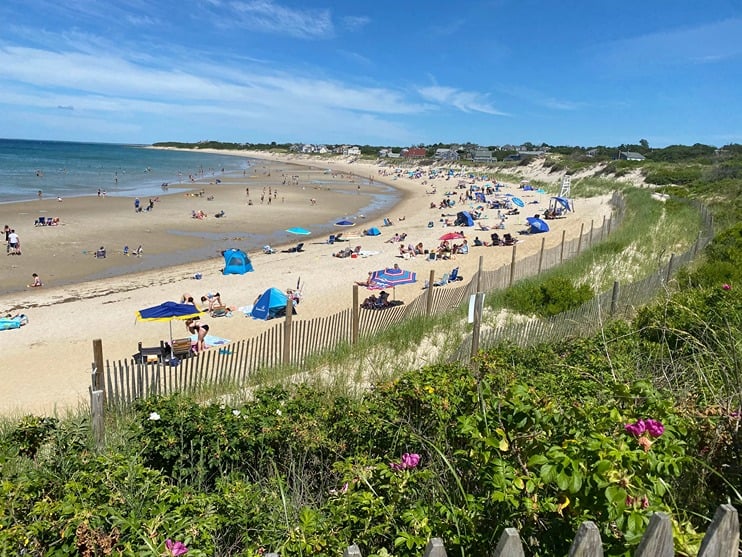
- Activities: Whale watching tours departing from Provincetown or Hyannis are an unforgettable experience, offering the chance to see majestic humpbacks, finbacks, and minke whales. Biking on the Cape Cod Rail Trail provides a fantastic way to explore the mid-to-outer Cape’s scenery, passing through several towns. Of course, spending a day relaxing on one of the many pristine beaches is a fundamental part of the Cape Cod experience.
- Local Culture and Food: Indulge in fresh seafood at local clam shacks and upscale restaurants. Explore art galleries, particularly in Provincetown, known for its vibrant LGBTQ+ community and thriving arts scene. Discover local craft fairs, farmers’ markets, and historical museums to immerse yourself in the local culture.
Practical Tips for a Seamless Journey
Making the most of your trip from Boston to Cape Cod involves a few key considerations that can significantly enhance your travel experience.
Timing Your Visit and Avoiding Traffic
- Shoulder Seasons are Best: For the best balance of pleasant weather, fewer crowds, and better accommodation rates, consider visiting during the “shoulder seasons” – late spring (May-early June) or early fall (September-October). The weather is still beautiful, and traffic is considerably lighter.
- Summer Weekday Travel: If you must travel during the peak summer months, aim for mid-week travel (Tuesday-Thursday). Avoid Friday afternoons/evenings and Saturday mornings at all costs when heading to the Cape, and Sunday afternoons/evenings when returning to Boston, as these are prime times for severe traffic congestion at the bridges.
- Early Bird Gets the Worm: No matter the season, departing Boston very early in the morning (before 7:00 AM) or late in the evening (after 8:00 PM) can help you bypass the worst of the traffic if you’re driving.
Getting Around Cape Cod Itself
While having a car provides the most flexibility, it’s not strictly necessary for every type of Cape Cod vacation, especially if you plan to stay in one area or utilize local transport.
- Rental Cars: If you arrive by train, bus, or plane, renting a car upon arrival in Hyannis or Provincetown is an option for exploring the wider Cape.
- CCRTA Buses: The Cape Cod Regional Transit Authority (CCRTA) operates a public bus system with various routes connecting major towns and attractions across the Cape. This is an excellent option for budget travel and getting around without a car.
- Biking: Many towns on Cape Cod are bike-friendly, with extensive bike paths like the Cape Cod Rail Trail. Renting a bike can be a fantastic way to explore locally.
- Taxis/Ride-Shares: Available in most larger towns, though they can be more expensive than public transit.
Essential Packing and Preparation
- Weather Appropriate Gear: Cape Cod weather can be unpredictable. Pack layers, even in summer, as evenings can be cool. Don’t forget swimwear, sunscreen, and a hat for beach days.
- Comfortable Shoes: For exploring towns, walking trails, and beaches.
- Advance Bookings: Especially for peak season, book accommodation, rental cars, ferry tickets, and popular tours (like whale watching) well in advance to secure your spots and often better rates.
- Digital Connectivity: Ensure your phone is charged, and consider downloading offline maps if you anticipate areas with spotty signal.
No matter which route you choose, the journey from Boston to Cape Cod is the prelude to an unforgettable New England experience. With careful planning and an understanding of your travel options, you’ll be well on your way to enjoying the unique charm and natural splendor of this iconic destination. Whether you’re drawn by the promise of luxury travel, a fun-filled family trip, a peaceful long-term stay, or a budget-conscious adventure, Cape Cod awaits with open arms.