
Embarking on a journey from the historic streets of Boston to the serene shores of Martha’s Vineyard is a quintessential New England experience, promising a delightful escape from urban bustle to island tranquility. Known for its picturesque landscapes, charming gingerbread cottages, pristine beaches, and vibrant cultural scene, Martha’s Vineyard stands as a beacon for travelers seeking both relaxation and adventure. Whether you’re planning a luxury getaway, a budget-friendly family trip, or a quick business stay, understanding the various transportation options is crucial for a smooth and enjoyable journey. This comprehensive guide will navigate you through the best ways to reach this enchanting island, offering insights into travel modes, accommodation considerations, and essential tips to make your trip truly unforgettable.

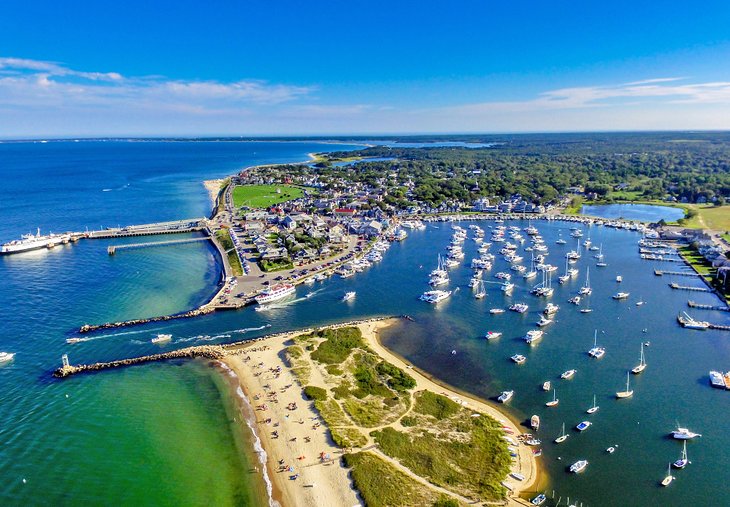
The allure of Martha’s Vineyard is undeniable. This crescent-shaped island, nestled just seven miles off the coast of Cape Cod in Massachusetts, has captivated visitors for centuries with its unique blend of natural beauty and sophisticated charm. From the bustling harbors of Oak Bluffs and Vineyard Haven to the stately whaling captain’s homes of Edgartown and the dramatic clay cliffs of Aquinnah, each town possesses its own distinct character. The island’s popularity, especially during the peak summer months, means that planning your travel and accommodation well in advance is not just recommended, but often essential. Our journey begins by dissecting the primary ways to bridge the distance between Boston and Martha’s Vineyard, ensuring you can choose the method that best suits your travel style and budget.
Navigating Your Journey: Key Transportation Options
Reaching Martha’s Vineyard from Boston involves a combination of land and sea or air travel. Each method offers a unique experience, with varying costs, travel times, and levels of convenience. From swift aerial transfers to scenic ferry rides, your choice will set the tone for your island adventure.
By Air: The Fastest Route to Island Serenity
For those prioritizing speed and convenience, flying directly to Martha’s Vineyard is undoubtedly the most efficient option. Flights typically depart from Boston Logan International Airport (BOS) and arrive at Martha’s Vineyard Airport (MVY), offering a direct connection that bypasses any road traffic or ferry schedules.
- Airlines and Route: The primary carriers operating this route include Cape Air and Tradewind Aviation. These regional airlines specialize in short-haul flights to island destinations, offering multiple daily departures during peak season. The flight time itself is incredibly short, typically ranging from 30 to 45 minutes, providing breathtaking aerial views of the Massachusetts coastline and Vineyard Sound before landing on the island.
- Pros: This option is ideal for luxury travel or business stays where time is of the essence. It minimizes travel fatigue and allows for more immediate immersion into the island’s charm. It’s also a fantastic choice for those who prefer to avoid the potential for seasickness.
- Cons: Air travel is generally the most expensive option, especially during the high summer season. Baggage allowances are often more restrictive on smaller aircraft, which could be a consideration for longer stays or family trips. Additionally, flights can be subject to weather delays, particularly fog, which is not uncommon in coastal New England.
- On-Island Connectivity: Upon arrival at Martha’s Vineyard Airport, you can easily access island towns via taxis, ride-sharing services, or the reliable Martha’s Vineyard Transit Authority (VTA) bus system, which has a stop directly at the airport.
By Ferry: The Quintessential Island Journey
For many, the journey to Martha’s Vineyard isn’t complete without a scenic ferry ride across the waters of Vineyard Sound. This option offers a more leisurely pace, allowing travelers to soak in the coastal atmosphere and anticipation of their island escape. However, reaching the ferry terminals from Boston requires a land journey first.
The main ferry terminals for trips to Martha’s Vineyard are located on Cape Cod in towns like Woods Hole, Hyannis, and Falmouth.
-
Getting to the Ferry Terminals from Boston:
- By Car: Driving from Boston to Woods Hole takes approximately 1.5 to 2 hours, depending on traffic, especially if traveling during peak times. Woods Hole is the busiest terminal and the only one that carries vehicles year-round via the Steamship Authority. Parking near the ferry terminals can be challenging and expensive; it’s often advisable to use off-site parking lots with shuttle services provided by the ferry operators.
- By Bus: This is a popular and cost-effective option. Peter Pan Bus Lines offers direct service from Boston’s South Station directly to the Woods Hole ferry terminal or the Hyannis Transportation Center. The bus ride typically takes around 1.5 to 2.5 hours. This mode of transport is excellent for budget travelers or those who prefer not to drive.
- Private Shuttles/Taxis: For a more personalized and comfortable experience, private shuttle services or taxis can transport you from Boston directly to your chosen ferry terminal. While more expensive, this offers door-to-door convenience, especially beneficial for groups or those with significant luggage.
- By Train (Limited): The MBTA Commuter Rail offers seasonal service that can get you closer to Cape Cod, for example, to Kingston, but it typically requires further connection by bus or taxi to reach the ferry terminals, making it less direct for most travelers heading to Martha’s Vineyard.
-
Ferry Operators:
- Steamship Authority: Operating year-round from Woods Hole, this is the only ferry that carries both passengers and vehicles. If you plan to bring your car to the island, booking vehicle reservations months in advance is absolutely critical, especially for summer travel. Passenger tickets are generally purchased on arrival, except for high-demand times when online booking is recommended.
- Hy-Line Cruises: Offering seasonal, high-speed passenger-only ferry service from Hyannis directly to Oak Bluffs or Edgartown. This is a faster passenger-only option, taking about an hour. They also offer connections to Nantucket for island-hopping enthusiasts.
- Island Queen Ferry: A seasonal, passenger-only ferry from Falmouth to Oak Bluffs. This is a popular choice for its convenient schedule and a pleasant 35-minute ride.
-
Pros of Ferry Travel: More economical, especially for foot passengers. Offers a classic island arrival experience with fresh sea air and picturesque views. Good for family trips as there’s more space to move around.
-
Cons of Ferry Travel: Longer overall travel time when factoring in the journey to Cape Cod. Can be crowded during peak season, requiring patience and early arrival. Vehicle reservations are extremely hard to secure for the Steamship Authority.
Bringing Your Car vs. Island Exploration Without Wheels

One of the most significant decisions for visitors to Martha’s Vineyard is whether or not to bring a car. This choice significantly impacts your journey and your experience on the island.
- Bringing Your Car:
- Pros: Ultimate convenience for exploring the island at your own pace, especially if staying in more remote areas or planning extensive day trips to various beaches and landmarks like Gay Head Lighthouse. Useful for families with small children or those with mobility challenges.
- Cons: As mentioned, vehicle ferry reservations are highly competitive and must be booked far in advance. The cost of bringing a car is substantial, adding to your overall travel expenses. Once on the island, parking can be scarce and expensive in popular towns like Edgartown and Oak Bluffs, and summer traffic can be surprisingly congested.
- Exploring Without a Car:
- Pros: This is often the recommended and more relaxed way to experience Martha’s Vineyard. The island boasts an excellent public transportation system, the Martha’s Vineyard Transit Authority (VTA) bus service, which connects all major towns and attractions. Buses are frequent, affordable, and a great way to meet locals. Biking is also hugely popular, with numerous scenic bike paths winding through forests, along beaches, and between towns. Bike rentals are readily available in Vineyard Haven, Oak Bluffs, and Edgartown. Taxis and ride-sharing services are also available.
- Cons: You’re reliant on schedules and potentially less spontaneous with your movements. Some very remote spots might be harder to reach without a car.
- Lifestyle Angle: Opting out of bringing a car aligns with budget travel, eco-conscious travel, and active lifestyles, encouraging walking, biking, and using local transit. It often leads to a more authentic and less stressful island experience.
Planning Your Martha’s Vineyard Escape: Essential Tips
A successful trip to Martha’s Vineyard involves more than just getting there. Thoughtful planning for accommodation, activities, and logistics will elevate your travel experience.
Best Time to Visit and Bookings
The island’s charm changes with the seasons, each offering a distinct experience.
- Peak Season (June to August): This is when Martha’s Vineyard truly comes alive. The weather is warm, all businesses are open, and the beaches, like South Beach and Menemsha Beach, are bustling. However, this also means higher prices, larger crowds, and the absolute necessity of booking everything—flights, ferry vehicle reservations, and especially accommodation—months in advance. Popular hotels and resorts such as the Harbor View Hotel in Edgartown or the elegant Hob Knob Hotel will sell out quickly.
- Shoulder Seasons (April-May & September-October): These periods offer a delightful balance. The weather is milder, crowds are thinner, and prices for flights, accommodation, and activities are generally more affordable. Many restaurants and shops are open, and you can enjoy the island’s natural beauty without the summer rush. It’s an ideal time for budget travel, couples’ getaways, or those seeking a quieter experience.
- Off-Season (November to March): A quiet and serene time, perfect for long-term stays or travelers seeking solitude. Many businesses close, but the island’s natural beauty remains, offering opportunities for peaceful walks and cozy retreats.
Accommodation: Martha’s Vineyard offers a wide array of accommodation options to suit every preference and budget, from luxurious resorts and charming inns to vacation rentals and apartments. When booking, consider the amenities you desire (e.g., pools, beachfront access, pet-friendly) and your preferred location, whether it’s the lively atmosphere of Oak Bluffs, the historic elegance of Edgartown, or the quieter charm of Vineyard Haven. Websites specializing in accommodation booking and comparison can be invaluable resources.
On-Island Logistics and Activities
Once you’ve arrived and settled in, the island beckons with a plethora of activities and experiences tailored to every interest, reflecting the rich tourism offerings of the region.
- Getting Around: Reiterate the efficiency of the Martha’s Vineyard Transit Authority (VTA) buses. Day passes are available and offer unlimited travel. Biking is a fantastic way to explore, with dedicated paths connecting towns and providing stunning coastal views. Taxis and ride-shares are always an option for specific destinations or evening outings.
- Exploring the Island’s Landmarks and Attractions:
- Beaches: Beyond South Beach and Menemsha Beach, discover quiet coves, surf spots, and family-friendly shores. Each beach has its unique character.
- Lighthouses: The island is home to five iconic lighthouses, including the historic Edgartown Lighthouse and the dramatic Gay Head Lighthouse in Aquinnah, offering panoramic views of the Atlantic Ocean.
- Charming Towns: Spend time wandering through the distinctive towns. Admire the “gingerbread” cottages of Oak Bluffs, browse the boutiques and art galleries of Edgartown, or enjoy the working harbor and diverse shops in Vineyard Haven.
- Culinary Experiences: Martha’s Vineyard is a foodie’s paradise, especially for seafood lovers. Indulge in fresh lobster, clams, and oysters at local eateries, or explore upscale dining for a luxury travel experience. Farmers markets offer local produce and artisanal goods.
- Local Culture: Explore the rich history of the Wampanoag Tribe in Aquinnah, visit museums, or catch a live performance. The island’s vibrant arts scene provides ample entertainment.
Packing Essentials
Given the variable New England weather and the island’s relaxed lifestyle, packing wisely is key.
- Layered Clothing: Even in summer, evenings can be cool. Bring layers to adapt to temperature changes.
- Comfortable Shoes: Essential for exploring towns, walking beaches, or biking.
- Beach Gear: Swimsuit, towel, sunscreen, hat, and sunglasses are a must.
- Camera: To capture the island’s stunning scenery.
- Reusable Water Bottle: Stay hydrated and minimize plastic waste.
- Insect Repellent: Especially important if you plan to hike or spend time in wooded areas.
The journey from Boston to Martha’s Vineyard is more than just a commute; it’s an integral part of the island experience. Whether you choose the swift elegance of air travel or the traditional charm of a ferry ride, each option offers its own set of advantages. By understanding your transportation choices, planning your accommodation meticulously, and embracing the myriad activities available, you are set to create unforgettable memories on this beloved New England gem. From luxurious resorts to budget-friendly stays, and from exhilarating adventures to tranquil retreats, Martha’s Vineyard promises a unique blend of experiences tailored to every lifestyle. Begin planning your escape today and discover the magic that draws visitors back to its shores year after year.
LifeOutOfTheBox is a participant in the Amazon Services LLC Associates Program, an affiliate advertising program designed to provide a means for sites to earn advertising fees by advertising and linking to Amazon.com. Amazon, the Amazon logo, AmazonSupply, and the AmazonSupply logo are trademarks of Amazon.com, Inc. or its affiliates. As an Amazon Associate we earn affiliate commissions from qualifying purchases.