
Embarking on a teaching career in the Golden State offers a unique blend of professional fulfillment and an unparalleled lifestyle. California is a land of diverse landscapes, vibrant cultures, and countless opportunities, making it an attractive destination for educators worldwide. From the bustling urban centers of Los Angeles and San Francisco to the serene coastal communities and majestic mountain ranges, teachers in California find themselves not just shaping young minds but also immersed in a rich tapestry of experiences. Understanding the process of obtaining your teaching credentials here is the first crucial step on this exciting journey. This comprehensive guide will walk you through the essential requirements, pathways, and lifestyle considerations for becoming a certified educator in California.
Embracing a Teaching Career in the Golden State
The allure of teaching in California extends beyond its pleasant climate and iconic attractions. It’s a state committed to educational excellence and innovation, constantly seeking passionate individuals to inspire the next generation. The demand for qualified teachers remains consistently high across various subjects and grade levels, particularly in subjects like STEM, special education, and bilingual education. This creates a fertile ground for career growth and professional development.
Why California Beckons Educators from Around the Globe
California’s diverse student population, representing a multitude of linguistic and cultural backgrounds, provides a dynamic and enriching teaching environment. Educators here have the chance to be at the forefront of progressive educational practices, often benefiting from robust professional learning communities and state-of-the-art resources. Beyond the classroom, the California lifestyle offers an unmatched balance of work and leisure. Imagine spending your weekends exploring the vineyards of Napa Valley, hiking in Yosemite National Park, or relaxing on the sun-drenched beaches of San Diego. The accessibility to world-class attractions, diverse culinary scenes, and abundant outdoor activities contributes to a high quality of life that is often a significant factor for those choosing to teach here. Whether you’re drawn to the tech innovation of Silicon Valley, the vibrant arts scene of Los Angeles, or the historical charm of Sacramento, there’s a community and a lifestyle perfectly suited to every teacher.
The Role of the California Commission on Teacher Credentialing (CTC)
At the heart of the credentialing process in California is the California Commission on Teacher Credentialing (CTC). This state agency is responsible for setting the standards for teacher preparation, issuing credentials, and ensuring that all educators in California meet stringent professional and ethical requirements. The CTC outlines several pathways to obtaining a teaching credential, catering to individuals with varying educational backgrounds and career stages. Understanding their guidelines is paramount to successfully navigating your application. The official CTC website is an invaluable resource, providing detailed information on credential types, application forms, examination requirements, and approved preparation programs.
Essential Pathways to Earning Your California Teaching Credentials
The journey to becoming a certified teacher in California is structured, yet flexible, offering several distinct routes depending on your prior education and experience.
Traditional University Programs: The Tried and True Route
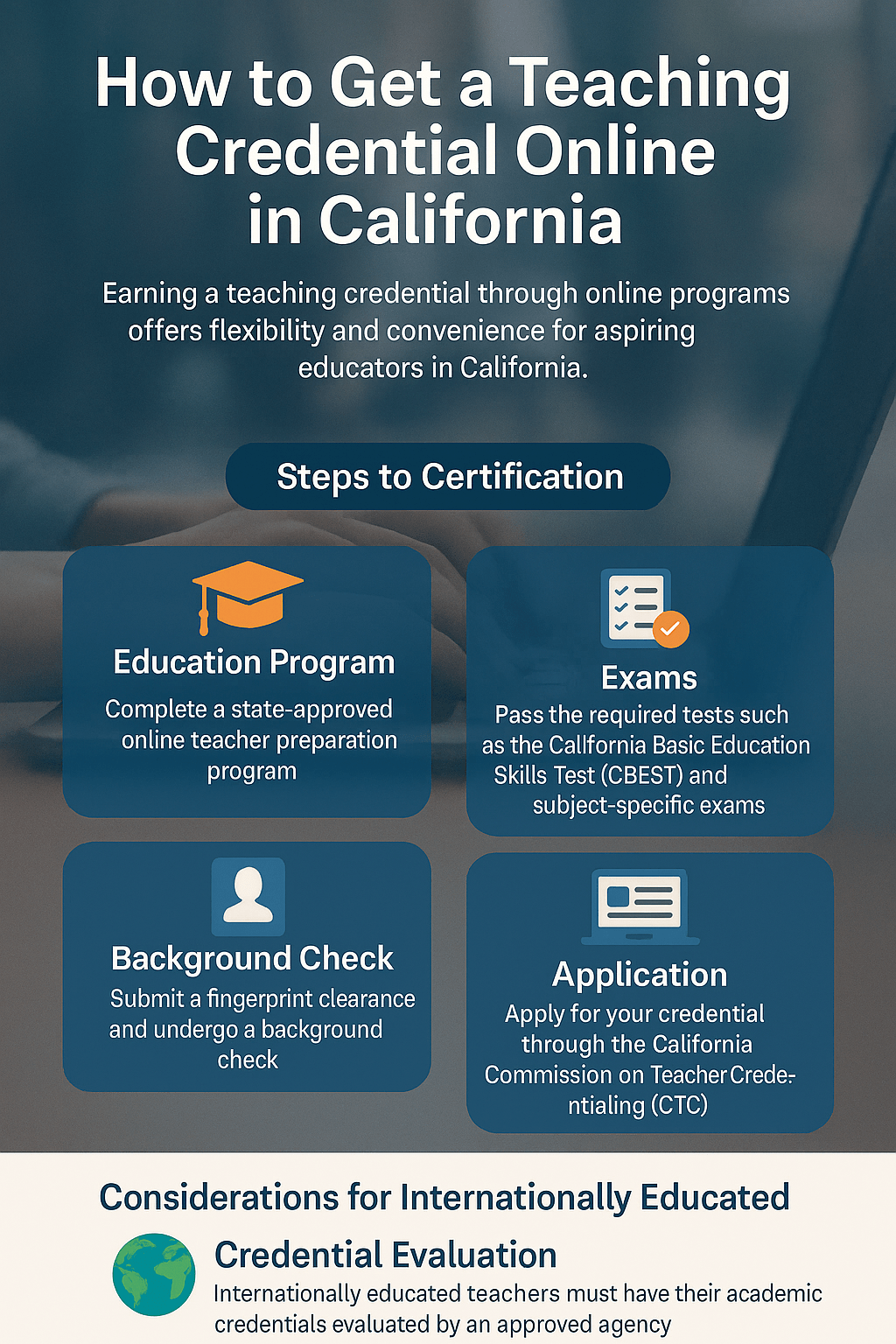
For many aspiring educators, the traditional pathway through a California university or college remains the most common. This typically involves:
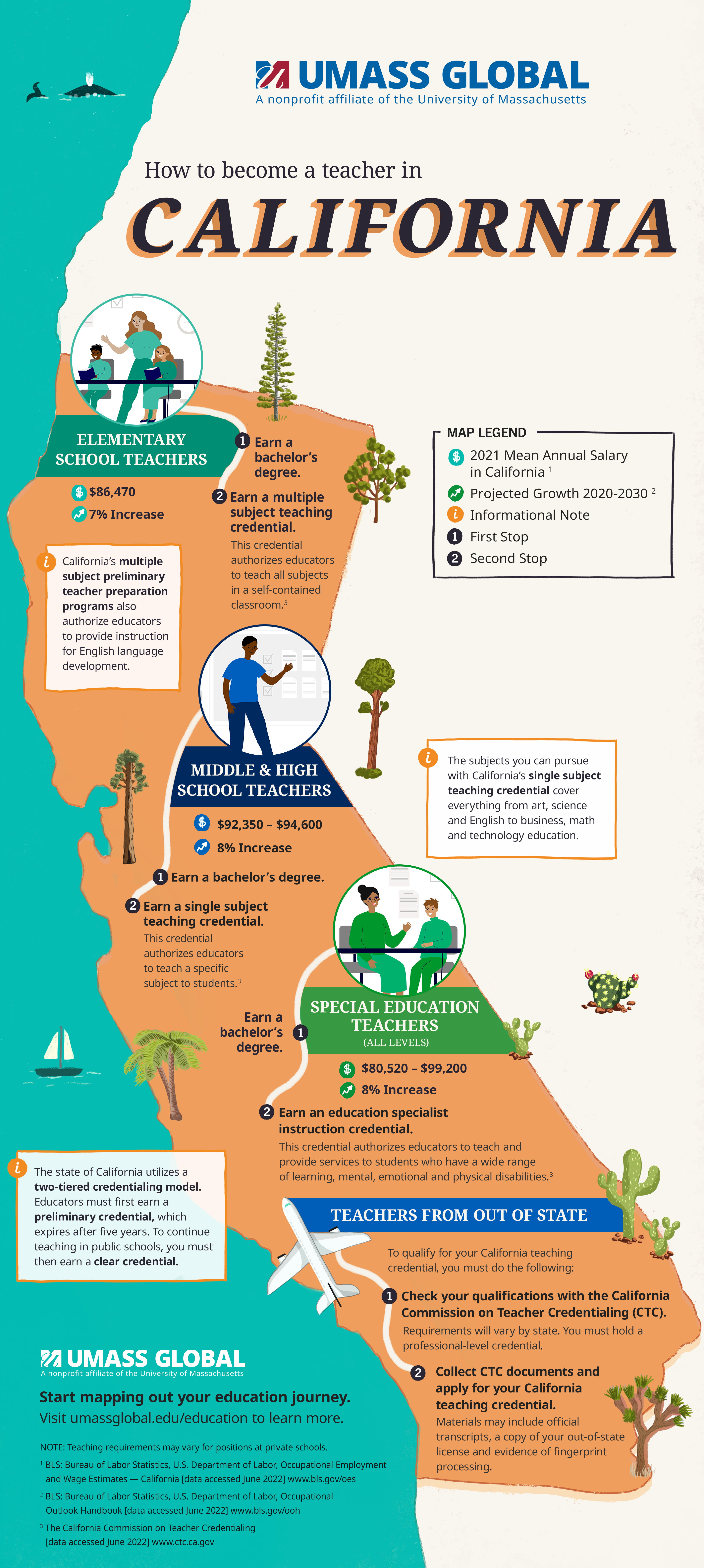
- Bachelor’s Degree: Earning a bachelor’s degree from an accredited institution. While the major doesn’t always have to be in education, it generally needs to align with the subject you wish to teach for secondary education or provide a broad foundational knowledge for elementary education.
- Teacher Preparation Program: Completing a state-approved teacher preparation program. These programs, offered by institutions like the University of California and California State University systems, typically lead to a post-baccalaureate credential or a master’s degree in education. They encompass coursework in pedagogy, child development, curriculum design, and extensive supervised student teaching experiences.
- Subject Matter Competency: Demonstrating proficiency in your chosen subject area. This can often be met by completing a specific bachelor’s degree major, passing a CTC-approved subject matter examination (like the CSET), or completing a CTC-approved subject matter program.
- Basic Skills Requirement: Satisfying the Basic Skills Requirement (BSR), which assesses proficiency in reading, writing, and mathematics. This can be met through various options, including passing the CBEST exam, a qualifying score on the SAT or ACT, or a combination of college coursework.
These programs provide a comprehensive foundation, ensuring graduates are well-prepared for the complexities of the modern classroom. They also often come with strong support systems, including career counseling and job placement assistance within California’s vast school districts.
Alternative Certification Programs: Flexibility for Career Changers
California recognizes that talented individuals from other professions can bring invaluable experience to the classroom. Alternative certification programs are designed for those who already hold a bachelor’s degree (often in a subject area other than education) and are seeking a more expedited route to credentialing. These programs typically allow candidates to begin teaching while simultaneously completing their credential requirements.
Key characteristics of alternative programs include:
- Employment-Based: Many programs are designed around a candidate’s employment as a teacher of record, often in an intern capacity, allowing them to gain practical experience while receiving mentorship and supervision.
- Intensive Professional Development: Participants engage in rigorous coursework and professional development activities, usually condensed and focused on immediate classroom application.
- Structured Support: Intern teachers are typically assigned mentors and university supervisors who provide ongoing guidance and evaluation.
These pathways are particularly appealing to professionals looking for a career change, veterans, or individuals with specialized subject matter expertise. They offer a direct route into California schools, allowing candidates to earn a salary while fulfilling their credentialing requirements. Cities like Oakland, Fresno, and Long Beach often have numerous districts that participate in these intern programs, providing opportunities across diverse urban and suburban settings.
Out-of-State Reciprocity: Bringing Your Experience to the Golden State
For experienced educators holding a valid teaching credential from another U.S. state or territory, California offers pathways for reciprocity. While California doesn’t have direct “reciprocity” in the sense of automatically accepting all out-of-state credentials, it does provide streamlined options for experienced teachers.
Generally, out-of-state applicants will need to:
- Hold a Valid Credential: Possess a valid, non-expired teaching credential from another state that is equivalent to a California credential.
- Meet Basic Requirements: Fulfill California’s Basic Skills Requirement (BSR) and Subject Matter Competency, often through exams or verification of equivalent coursework.
- Complete Specific California Requirements: This might include coursework in California history (for elementary credentials) or specific health education requirements, which can often be completed online or through a local community college.
- Background Check: Undergo a comprehensive background check, including fingerprinting.
The CTC evaluates each out-of-state application individually, comparing the requirements of the issuing state to California’s standards. Many out-of-state teachers find this process manageable, and with California’s high demand for educators, the transition can be quite smooth.
Key Requirements and the Application Process
Regardless of the pathway you choose, there are several universal requirements and a structured application process managed by the CTC.
Academic Qualifications and Subject Matter Competency
To teach in California, you must hold a bachelor’s degree from a regionally accredited institution. Beyond this, demonstrating subject matter competency is critical. For elementary school teachers, this usually involves a broad understanding across multiple subjects, typically verified by the CSET: Multiple Subjects exam. For secondary teachers, competence in a specific subject (e.g., Math, English, Science) is required, usually through a CSET Single Subject exam or an approved waiver program from a California university. Some degrees, if specifically designed and approved, may also satisfy this requirement.
Professional Preparation and Supervised Teaching
All pathways necessitate professional preparation, which includes pedagogical coursework and a significant period of supervised teaching. This practicum experience, often called student teaching or an intern year, is where aspiring teachers apply theoretical knowledge in a real classroom setting under the guidance of experienced mentor teachers and university supervisors. It’s an invaluable part of the process, providing hands-on experience and feedback essential for developing effective teaching strategies. This practical component helps prepare new teachers for the realities of the profession and ensures they meet the CTC’s performance expectations.
Background Checks and Essential Examinations
Before any credential can be issued, all applicants must undergo a thorough background check, including fingerprint submission to both the California Department of Justice and the FBI. This is a non-negotiable step to ensure the safety and well-being of students. In addition to subject matter exams, candidates must also meet the Basic Skills Requirement (BSR), often through the CBEST exam or approved alternatives. Furthermore, if you plan to teach in a public school setting, you will need to demonstrate knowledge of the U.S. Constitution, which can be satisfied by coursework or an exam. For multiple subject candidates, there’s also the RICA exam for reading instruction.
Navigating the CTC Application Portal
Once all requirements are met, you’ll submit your application through the CTC’s online portal. This system allows you to upload transcripts, exam scores, and program completion documents. It’s crucial to ensure all documentation is accurate and complete to avoid delays. The CTC provides detailed instructions and support, but patience is often required as processing times can vary. Keeping meticulous records of all your coursework, exams, and applications will greatly assist in a smooth submission process.
Life and Lifestyle Considerations for California Educators
Choosing to teach in California is not just a career decision; it’s a lifestyle choice. The state offers a unique blend of urban sophistication, natural beauty, and cultural richness that appeals to a wide range of preferences.
Finding Your Home: Accommodation and Community in California
California’s diverse regions offer varied living experiences and housing markets. Metropolitan areas like Los Angeles, San Francisco, and San Diego boast vibrant cultural scenes, world-class dining, and extensive public transportation options, though they typically come with a higher cost of living. In these areas, exploring accommodation options like apartments or condos in neighborhoods like Santa Monica, Pasadena, or Anaheim becomes part of the adventure. For those seeking a more suburban or rural setting, the Central Valley offers more affordable housing and a strong sense of community, while coastal towns like those in Orange County provide a relaxed atmosphere with easy access to beaches.
Many educators explore shared housing, especially when starting out, to manage living expenses. Some school districts even offer resources or partnerships to help new teachers find suitable accommodation, recognizing the competitive housing market in certain areas. Options range from trendy boutique hotels for short-term stays, such as The Clift Royal Sonesta Hotel in San Francisco or the Kimpton Everly Hotel near Hollywood, to family-friendly resorts like The Great Wolf Lodge Garden Grove if you’re settling with family. For longer-term stays while you search for a permanent residence, consider extended-stay apartments that offer amenities similar to a hotel but with more space and a home-like feel.
Exploring California’s Diverse Regions: From San Francisco to San Diego
California truly has something for everyone. In Northern California, you can wander through the ancient forests of Redwood National Park, gaze at the iconic Golden Gate Bridge in San Francisco, or indulge in wine tasting in Napa Valley, perhaps staying at a charming spot like Andaz Napa. The Sierra Nevada mountains offer skiing in winter and stunning hiking in summer, with Lake Tahoe as a year-round recreational hub.
Southern California beckons with the magic of Disneyland Resort, the glamor of Hollywood, and the beautiful beaches stretching along the Pacific Ocean. Coastal resorts like The Ritz-Carlton, Laguna Niguel or Loews Coronado Bay Resort offer luxurious escapes. Further inland, the vastness of Death Valley and the vibrant Desert Cities provide unique natural attractions. The Central Valley with its rich agricultural lands, including the San Joaquin Valley, offers a different pace of life, often with easier commutes. This geographical diversity means that teachers can find a home and a community that perfectly aligns with their personal interests and preferred lifestyle.
Balancing Career and California Living: Travel and Leisure
One of the greatest benefits of teaching in California is the unparalleled access to leisure and travel opportunities. Weekends and school holidays become prime opportunities for exploration. A short drive can take you from the vibrant urban energy of Los Angeles to the tranquil wilderness of Big Sur or the majestic giant sequoias. Whether you’re a nature enthusiast, a culture seeker, or an adventurer, California offers an endless array of activities that can recharge and inspire. From budget-friendly camping trips to luxury resort stays, the options for relaxation and exploration are as diverse as the state itself. This balance is not just a perk; it’s an integral part of the “lifestyle” aspect that draws so many professionals to build their careers in the Golden State.
Continuing Your Professional Journey in the Golden State
Obtaining your initial teaching credential is just the beginning. California education is a dynamic field, with opportunities for continuous growth and specialization.
Maintaining and Renewing Your Credentials
Once you have your initial teaching credential, you’ll need to understand the requirements for maintaining and renewing it. Most California credentials have a validity period, typically five years, after which they must be renewed. Renewal usually involves completing professional development units, sometimes tied to specific areas like literacy or technology integration. The CTC provides clear guidelines on renewal requirements, and many school districts offer in-house professional development opportunities to help teachers meet these mandates. Staying current with educational best practices and engaging in lifelong learning are key aspects of being a successful educator in California.
Advanced Degrees and Specializations
For teachers looking to advance their careers, California offers numerous pathways for specialization. Pursuing a master’s degree or even a doctorate in education can open doors to leadership roles such as instructional coaching, school administration, or curriculum development. Furthermore, additional authorizations can be added to your credential, allowing you to teach specific subjects (e.g., a specific science), age groups (e.g., early childhood), or student populations (e.g., special education, bilingual education). These specializations not only enhance your professional expertise but can also lead to increased earning potential and greater impact in the educational community. The state’s commitment to diverse learners ensures a continuous need for teachers with specialized skills, making these advanced pathways a valuable investment in your future.
In conclusion, securing your teaching credentials in California is a structured yet rewarding process. By understanding the CTC’s requirements, choosing the pathway best suited for your background, and embracing the vibrant lifestyle the state offers, you can build a fulfilling and impactful career as an educator in the Golden State. Welcome to California – your classroom and your adventure await.
LifeOutOfTheBox is a participant in the Amazon Services LLC Associates Program, an affiliate advertising program designed to provide a means for sites to earn advertising fees by advertising and linking to Amazon.com. Amazon, the Amazon logo, AmazonSupply, and the AmazonSupply logo are trademarks of Amazon.com, Inc. or its affiliates. As an Amazon Associate we earn affiliate commissions from qualifying purchases.