
There’s an undeniable allure to the perfect steak, a culinary masterpiece that speaks to both primal satisfaction and sophisticated palate. For many, the New York Strip Steak represents the pinnacle of this experience – a richly flavored, tender cut that, when grilled to perfection, can transform an ordinary evening into an extraordinary memory. But what if this culinary quest could be intertwined with the thrill of travel, becoming an integral part of your adventures and lifestyle explorations? Imagine sourcing a premium local strip steak from a bustling market in Florence, grilling it on the terrace of a rented villa overlooking the Tuscan hills, or preparing a gourmet meal in a luxury apartment with a view of the Eiffel Tower. This article isn’t just a guide to grilling a flawless New York Strip; it’s an invitation to elevate your travel experiences through the art of outdoor cooking, turning simple meals into cherished memories wherever your journey takes you.
From the vibrant energy of New York City itself, where this iconic cut gets its name, to the serene landscapes of a distant resort, the act of grilling transcends mere sustenance. It becomes a cultural experience, a way to connect with local produce, a budget-friendly alternative to high-end restaurant dining in expensive cities, or a luxurious indulgence savored in the privacy of your own rented accommodation. Whether you’re planning a family trip with a barbecue night, seeking a unique romantic getaway activity, or simply refining your culinary skills while exploring new destinations, mastering the grill opens up a world of possibilities. Let’s delve into the secrets of the perfect grilled New York Strip, viewed through the lens of the modern traveler and gourmet enthusiast.
The Art of the New York Strip: A Culinary Journey
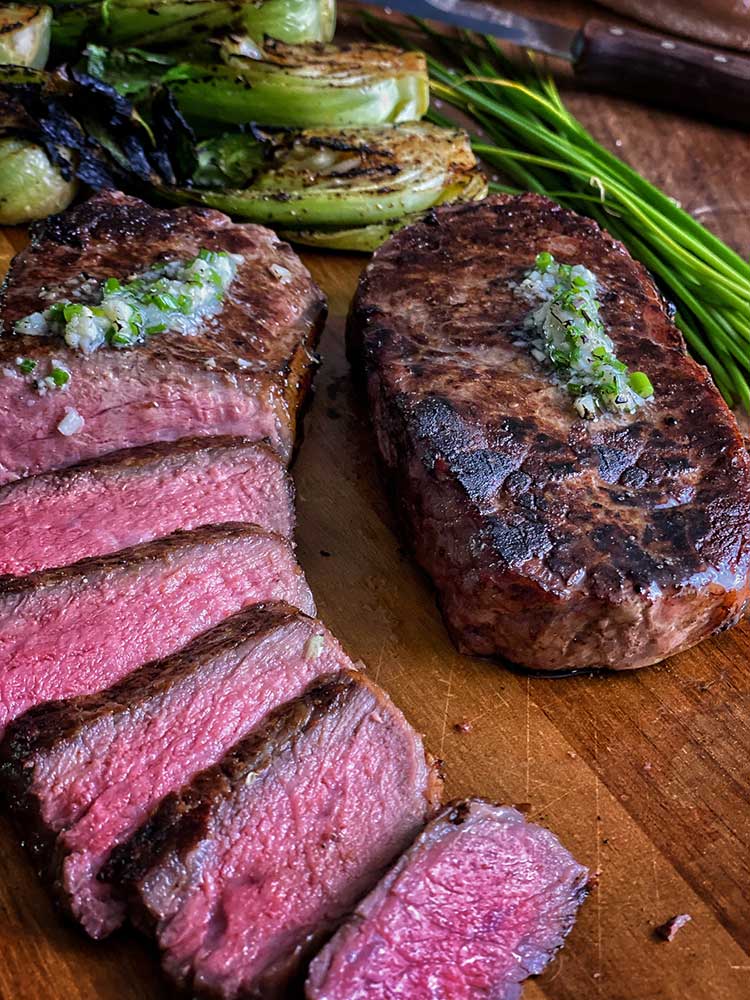
The journey to a perfect grilled New York Strip begins long before the flames kiss the meat. It starts with understanding the cut itself, appreciating its characteristics, and making informed choices that will set the stage for an unforgettable meal, whether you’re in your backyard or embarking on a global culinary adventure. The New York Strip, also known as a Kansas City Strip, Ambassador Steak, or Club Steak, comes from the short loin of the cow, a muscle that doesn’t do much work, resulting in a wonderfully tender texture. It boasts a fine grain and a generous band of fat along one edge, which renders down beautifully during grilling, infusing the meat with incredible flavor and juiciness.
Selecting Your Steak: A Global Pursuit
The first step, and arguably one of the most crucial, is selecting the right steak. While quality beef is a staple in many parts of the world, understanding local variations and sourcing options is key for the discerning traveler.
- Marbling: Look for a steak with good marbling – the tiny flecks of fat distributed throughout the muscle. This intramuscular fat is what melts during cooking, providing moisture, tenderness, and that rich, buttery flavor characteristic of a superb strip. In countries known for their beef, like Argentina or Australia, you might encounter different grading systems, but the principle of good marbling remains universal.
- Thickness: Aim for a steak that is at least 1 to 1.5 inches thick. Thinner steaks cook too quickly, making it difficult to achieve a perfect crust without overcooking the interior. This thickness allows for a beautiful sear on the outside while maintaining a juicy, perfectly cooked center.
- Color and Texture: The meat should be a vibrant red, not dull or brownish. It should feel firm to the touch, indicating freshness and proper handling. When visiting local butcher shops in places like Paris or Rome, don’t hesitate to ask your butcher (or use a translation app!) about the origin and aging process of their beef. This interactive experience can be a highlight of your tourism journey.
- Aging: Dry-aged beef offers a more concentrated flavor and tender texture due to enzymatic breakdown and moisture loss. While often pricier, finding a dry-aged strip steak in a high-end butcher shop, perhaps near a historic landmark like Borough Market in London, can be a truly luxurious culinary experience.
For travelers, sourcing local ingredients adds an invaluable layer to the experience. Instead of relying on supermarket chains, seek out local butchers, farmers’ markets, or specialty food stores. This not only ensures fresher, often higher-quality ingredients but also provides an authentic glimpse into the local food culture and supports small businesses in the community.
Preparing for Perfection: More Than Just a Meal
Once you’ve selected your prized New York Strip, proper preparation is key to unlocking its full potential. This stage is where attention to detail truly pays off, setting the foundation for that coveted restaurant-quality result, even if you’re grilling at a scenic campsite or a rustic cabin.
- Bring to Room Temperature: Remove your steak from the refrigerator at least 30-60 minutes before grilling. A cold steak hitting a hot grill will cook unevenly, resulting in an overcooked exterior and a raw interior. Allowing it to warm up slightly ensures more consistent cooking from edge to center. This is especially important if you’ve just transported your steak from a market in a cooler while on a road trip.
- Pat Dry: Moisture is the enemy of a good sear. Use paper towels to thoroughly pat both sides of the steak dry. Excess surface moisture will steam the steak instead of searing it, preventing the development of that delicious, crispy crust.
- Season Generously: For a cut as flavorful as the New York Strip, simplicity is often best. A generous application of coarse sea salt and freshly cracked black pepper is usually all that’s needed. Don’t be shy; much of the seasoning will fall off during grilling. If you’re feeling adventurous while traveling, explore local spice blends. Imagine a smoky paprika rub if you’re grilling in Spain, or a hint of garlic and herbs if you’re in Provence. However, for a classic New York Strip, salt and pepper allow the beef’s natural flavor to shine.
- Light Oil Coat: A very light coat of high-smoke-point oil (like canola, grapeseed, or avocado oil) directly on the steak can help achieve a better sear and prevent sticking. You can also oil the grill grates, but oiling the steak ensures more even coverage.
Mastering the Grill: Techniques for the Traveling Epicurean
Now for the main event: the grilling itself. Whether you’re using a gas grill on the balcony of a vacation rental in Miami, a charcoal grill at a scenic national park in the USA, or even a portable grill on a beach in Thailand (where permitted), the principles of high-heat searing and precise temperature control remain paramount.
The Sizzle and Sear: Unlocking Flavor
The secret to a beautifully grilled steak lies in achieving a dark, flavorful crust through the Maillard reaction – a complex chemical process responsible for the savory aromas and browning of many foods.
- Preheat Your Grill: This cannot be stressed enough. For a New York Strip, you want your grill screaming hot. For gas grills, preheat on high for 10-15 minutes with the lid closed. For charcoal grills, allow coals to ash over completely and arrange them for both a direct high-heat zone and an indirect lower-heat zone. The scorching heat creates that instant sear. This is critical for getting the desired crust before the interior overcooks.
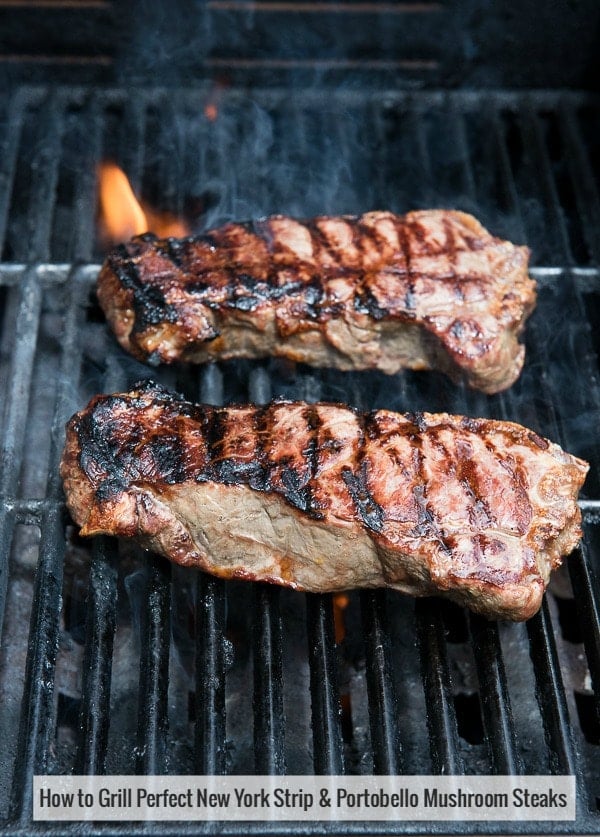
- Direct Heat for Searing: Place your seasoned, room-temperature steak directly over the hottest part of the grill. You should hear that satisfying sizzle immediately.
- Flip for Evenness: Grill for 2-4 minutes per side, depending on the thickness of your steak and your desired level of doneness. Only flip the steak once. Resist the urge to constantly move it, as this prevents the crust from forming. For those coveted crosshatch grill marks, rotate the steak 90 degrees halfway through cooking on each side.
- The Fat Cap: If your New York Strip has a prominent fat cap, render it down by holding the steak with tongs, fat-side down, directly over the heat for a minute or two. This melts the fat, enhancing flavor and preventing it from becoming chewy. This can be a delightful aromatic addition to your outdoor cooking, especially in the fresh air of a mountain retreat or an eco-lodge.
Temperature and Timing: Your Passport to Doneness
Achieving the perfect doneness is a personal preference, but precision is key. Relying on touch alone can be risky, especially when grilling in an unfamiliar environment or with varying grill temperatures. An instant-read meat thermometer is your best friend here, a compact and invaluable tool for any culinary traveler.
- Move to Indirect Heat: Once a good sear is established on both sides, move the steak to the indirect heat zone of your grill (if using charcoal, or lower the heat on one side of a gas grill). Close the lid to allow the steak to cook through gently and evenly without burning the exterior.
- Monitor Internal Temperature: Insert your instant-read thermometer into the thickest part of the steak, avoiding any bone or large pockets of fat.
- Rare: 120-125°F (49-52°C)
- Medium-Rare: 130-135°F (54-57°C) – often considered ideal for a New York Strip
- Medium: 140-145°F (60-63°C)
- Medium-Well: 150-155°F (66-68°C)
- Well-Done: 160°F+ (71°C+) (though not recommended for this cut)
- Carryover Cooking: Remember that the steak’s internal temperature will continue to rise by 5-10 degrees Fahrenheit after it’s removed from the heat. So, pull your steak off the grill when it’s about 5 degrees below your target temperature.
- Resting is Crucial: This is arguably as important as the grilling itself. Transfer the cooked steak to a cutting board and loosely tent it with foil. Let it rest for 5-10 minutes. This allows the juices, which have been pushed to the center by the heat, to redistribute throughout the meat, resulting in a more tender and juicy steak. Cutting too soon will cause all those precious juices to run out, leaving you with a dry steak. This resting period is a perfect opportunity to admire the sunset over the Mediterranean Sea or chat with your travel companions, savoring the anticipation.
Beyond the Grill: Enhancing Your Steak Experience While Traveling
Grilling a New York Strip is more than just cooking a piece of meat; it’s an opportunity to create a holistic dining experience, especially when integrated with your travel itinerary. This often involves thoughtful sourcing, creative pairings, and leveraging your unique travel environment.
Sourcing Local: A Taste of the Destination
When traveling, the simple act of grocery shopping can become an adventure. Instead of heading to familiar supermarket chains, explore local markets, known as ‘mercados’ in Mexico City, ‘marchés’ in France, or ‘wet markets’ in Asia.
- Butchers and Farmers’ Markets: Seek out local butchers (‘boucheries’ or ‘macellerie’) that pride themselves on regional cuts and ethically sourced meats. Farmers’ markets offer not only high-quality produce but also often feature artisanal products like gourmet salts, local olive oils, or unique spice blends that can elevate your steak. This is a chance to interact with locals, practice a few phrases in a new language, and learn about the indigenous ingredients of a place, adding richness to your travel stories.
- Local Produce: Complement your New York Strip with fresh, seasonal vegetables sourced from the same markets. Imagine grilled asparagus in spring, roasted bell peppers in summer, or sautéed wild mushrooms in autumn, all grown locally and bursting with flavor. A simple Caprese salad made with ripe tomatoes and fresh mozzarella from a Neapolitan vendor can turn your steak dinner into a truly Italian affair.
Pairing Perfection: Wines and Views
The right accompaniment can transform a great steak into an exceptional meal. While a classic choice is a bold red wine, your travel destination might inspire more adventurous pairings.
- Wine Pairings:
- Old World: A Bordeaux from France, a Chianti Classico from Tuscany, or a Rioja from Spain are classic, robust choices that stand up well to the richness of a New York Strip.
- New World: Consider a Cabernet Sauvignon from Napa Valley, a Shiraz from Barossa Valley in Australia, or a Malbec from Mendoza, Argentina. Exploring local vineyards and tasting rooms can also be a delightful tourist attraction in itself, providing the perfect bottle to take back to your hotel suite for dinner.
- Local Brews: If wine isn’t your preference, explore local craft beers. Many regions boast unique microbreweries offering porters, stouts, or rich amber ales that pair beautifully with grilled beef.
- The Ambiance: Don’t underestimate the power of your surroundings. Whether it’s a patio overlooking a bustling city skyline, a balcony facing a serene lake, or a picnic blanket laid out near a natural landmark, the view and atmosphere elevate the dining experience. A simple meal prepared with care, enjoyed in a breathtaking setting, can surpass the most elaborate fine-dining experiences.
Grilling on the Go: Accommodation and Lifestyle Considerations
Integrating gourmet grilling into your travel plans requires a bit of foresight but offers immense rewards. It’s about merging the convenience and freedom of self-catering with the adventure of exploration, catering to various travel lifestyles.
Finding Your Grilling Oasis: From Villas to Glamping
Not all accommodations are created equal when it comes to grilling opportunities. When booking your stay, consider these options:
- Vacation Rentals and Villas: Platforms like Airbnb (as a generic term for vacation rental platforms) or local villa rental agencies often list properties with private outdoor spaces equipped with grills, fire pits, or even full outdoor kitchens. A private villa in Bali or a charming country house in the South of France with a barbecue area can be a game-changer for food lovers.
- Hotels and Resorts with Amenities: While less common for in-room grilling, some high-end hotels and resorts offer common grilling areas for guests, especially in more spacious or family-oriented properties. Some suites or apartments within hotels might include kitchenettes and small balconies where portable grills (check hotel policies first!) could be used. Look for details on “outdoor amenities” or “self-catering options” when conducting your hotel comparison.
- Campgrounds and Glamping Sites: For those embracing nature, many campgrounds come equipped with fire rings and grill grates. Glamping sites often take this a step further, offering luxury tents or cabins with dedicated barbecue stations, combining the comfort of a hotel with the rustic charm of outdoor cooking. Imagine grilling your steak under a canopy of stars in the Canadian Rockies.
- Portable Grills: For the truly adventurous, a compact, portable charcoal or gas grill can be packed for road trips, allowing you to set up your cooking station at scenic overlooks, designated picnic areas, or even the backyard of a friend’s house you’re visiting. Always check local regulations regarding open flames and grilling in public spaces.
The Lifestyle Choice: Luxury, Budget, and Family Feasts
Grilling your own New York Strip while traveling caters to a wide spectrum of travel styles and preferences.
- Luxury Travel: For the luxury traveler, it’s about curated experiences. Grilling a perfectly sourced steak on the rooftop terrace of a penthouse apartment in Dubai, with a private chef to assist or simply to enjoy the act of creation, offers a level of bespoke indulgence that even the finest restaurants might not match. It’s the ultimate amenity in high-end accommodation – privacy, control, and gourmet quality.
- Budget Travel: On the other end of the spectrum, grilling your own premium steak can be a surprisingly cost-effective way to enjoy a high-quality meal. Dining out, especially in major tourist cities, can quickly deplete a budget. Sourcing ingredients from a local market and preparing them yourself allows you to savor gourmet flavors without the hefty restaurant markup, freeing up funds for attractions or experiences. This is a smart travel tip for long-term stays or extended family vacations.
- Family Trips and Group Gatherings: Grilling is inherently social. It provides a fantastic focal point for family dinners or gatherings with friends while traveling. Kids can help with prep (safely, of course), everyone enjoys the aroma, and the meal becomes a shared activity rather than just a sitting-down-to-eat event. It fosters a relaxed, communal atmosphere that enhances the bonding aspect of any trip. Imagine a multi-generational family reunion at a large rented chateau in France, with a master griller at the helm.
- Business Stays: Even for business travelers with extended stays in serviced apartments, having access to grilling facilities can be a welcome respite from constant restaurant meals. It offers a sense of home, allows for healthier meal preparation, and can be a relaxing way to unwind after a day of meetings.
In conclusion, grilling a New York Strip Steak is far more than just a recipe; it’s a skill that empowers you to create exceptional dining experiences, no matter where your travels take you. From the careful selection of local ingredients to the precise art of the sear, and finally, to the joyful consumption in a memorable setting, each step is an opportunity to deepen your connection with a destination, enrich your lifestyle, and savor the journey. So, next time you plan a trip, consider the grill – it might just become your favorite travel companion.
LifeOutOfTheBox is a participant in the Amazon Services LLC Associates Program, an affiliate advertising program designed to provide a means for sites to earn advertising fees by advertising and linking to Amazon.com. Amazon, the Amazon logo, AmazonSupply, and the AmazonSupply logo are trademarks of Amazon.com, Inc. or its affiliates. As an Amazon Associate we earn affiliate commissions from qualifying purchases.