
The tantalizing aroma of a perfectly grilled steak is more than just a culinary delight; it’s an experience, a journey that transports you to bustling New York City steakhouses, vibrant backyard barbecues, or perhaps a serene evening overlooking a picturesque landscape during your travels. For enthusiasts of exquisite dining and those who appreciate the finer points of lifestyle, mastering the art of grilling a New York Strip Steak is an invaluable skill. This particular cut of beef, famed for its robust flavor and satisfying texture, holds a special place in the hearts of gourmands worldwide. Whether you’re an adventurous traveler exploring the local cuisine of the United States or a home chef seeking to elevate your gastronomic prowess, understanding how to coax the best out of this iconic steak can transform a simple meal into an unforgettable event.
Our journey begins not just with fire and meat, but with the philosophy that food is an integral part of travel and lifestyle. Just as you meticulously plan your itinerary to Paris to see the Eiffel Tower or research the best resorts in the Maldives for a luxury escape, preparing a truly exceptional meal requires thoughtful consideration and a touch of passion. The New York Strip is often synonymous with the high-end dining experiences found in world-class hotels and restaurants, making its successful preparation at home a personal triumph. This guide aims to demystify the grilling process, offering tips and techniques that will allow you to confidently tackle this cut, bringing a touch of culinary tourism right to your backyard or vacation rental equipped with a grill.
From selecting the perfect slab of meat, often debated in markets from Tokyo to Buenos Aires, to understanding the nuances of heat and rest, every step contributes to the grand finale. We’ll delve into the secrets cherished by seasoned chefs and pitmasters, revealing how to achieve that coveted crust, the juicy interior, and the profound flavor that makes the New York Strip Steak a legend. So, fire up your grill, prepare your senses, and let’s embark on this delicious exploration, ensuring your next steak experience is nothing short of spectacular. This isn’t just about cooking; it’s about crafting a moment, a memory, and a taste of the good life that perfectly complements any travel or lifestyle adventure.
Embarking on the Flavor Expedition: Selecting Your Prime Cut
The foundation of any great steak experience begins long before the meat even touches the grates. It starts with the discerning eye of a traveler seeking out the finest local produce or a lifestyle connoisseur investing in quality ingredients. When it comes to the New York Strip Steak, often known as a Kansas City Strip in some regions or a Sirloin Strip, its quality is paramount. This cut comes from the short loin of the cow, a muscle that doesn’t do much work, resulting in a tender steak. It typically features a good balance of lean meat and a cap of fat along one edge, which renders beautifully during grilling, adding immense flavor and moisture.
Understanding the New York Strip: A Traveler’s Guide to Quality
Just as you might seek out a particular boutique hotel with a reputation for excellence, you should approach your steak selection with similar diligence. Look for beef that is “Choice” or, ideally, “Prime” grade. These USDA classifications indicate a higher degree of marbling – the intramuscular fat flecks that melt during cooking, infusing the meat with juiciness and flavor. A well-marbled steak will have fine, evenly distributed specks of white fat throughout the red muscle, not just large pockets. The color of the meat should be a vibrant cherry-red, and the fat should be creamy white, not yellowish. Avoid steaks that look dull, discolored, or have dry edges, as these are signs of age or improper storage.
Thickness is another critical factor. For grilling, a steak that is at least 1 to 1.5 inches thick is ideal. Thinner steaks tend to cook too quickly, making it difficult to achieve a proper sear without overcooking the interior. A thicker steak allows you to develop a magnificent crust on the outside while maintaining a perfectly medium-rare or medium interior, which is often the preferred doneness for this cut. If you’re buying from a local butcher – a wonderful way to connect with local culture and food traditions – don’t hesitate to ask for a specific thickness. They can often provide insights into the origins of their beef, perhaps even linking you to a particular ranch or farming practice, much like a tour guide might enrich your understanding of a historic landmark.
The Art of Preparation: Setting the Stage for Perfection
Once you have secured your prime New York Strip, the preparation begins. This stage is akin to the meticulous planning involved in an extended long-term stay – every detail counts. First, remove the steak from the refrigerator at least 30-60 minutes before grilling. This allows the meat to come closer to room temperature, ensuring more even cooking. A cold steak hitting a hot grill will cook unevenly, with the outside scorching before the center reaches the desired doneness.
Next, pat the steak thoroughly dry with paper towels. Moisture on the surface of the meat will steam rather than sear, hindering the formation of that beautiful, flavorful crust we’re aiming for. Think of it as preparing your luggage for a trip – you want everything perfectly packed for efficiency. Seasoning is simple yet crucial. A generous application of coarse salt (like kosher or sea salt) and freshly cracked black pepper is often all that’s needed to enhance the steak’s natural flavors. Some prefer to add a little garlic powder or onion powder, but the purity of salt and pepper allows the beef to truly shine. Don’t be shy with the seasoning; much of it will fall off during grilling, and a good crust requires a well-seasoned surface. This simple act of seasoning is a universal culinary tradition, found in every local culture from the bustling street food vendors of Mexico City to the refined kitchens of Michelin-star restaurants.
Mastering the Flame: Grilling Techniques for the Discerning Palate
The grill is your canvas, and the flame is your brush. Achieving grilling excellence, whether you’re at a luxurious villa in Tuscany or enjoying a family trip in your backyard, is about understanding heat management and technique. For the New York Strip Steak, we’ll primarily employ a high-heat searing method, often combined with a two-zone grilling approach for thicker cuts, ensuring both a magnificent exterior and a perfectly cooked interior.
The Sear: Unlocking Outer Crust Excellence
A perfect sear is the hallmark of a master griller. It’s the moment when the steak’s surface caramelizes and forms a crust rich in flavor and texture, thanks to the Maillard reaction. To achieve this, your grill needs to be hot. For a gas grill, preheat it on high for 10-15 minutes with the lid closed until it reaches at least 500-550°F (260-290°C). For a charcoal grill, arrange the coals to create a direct high-heat zone.
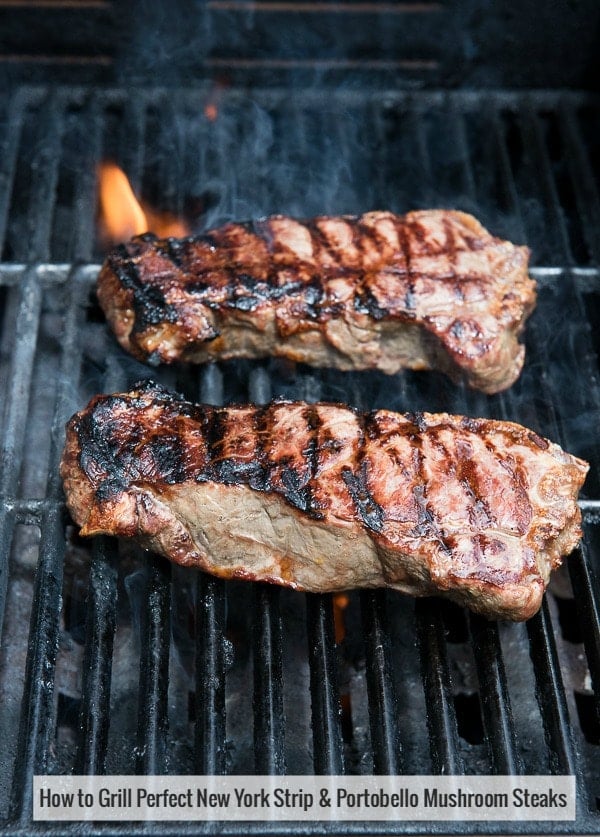
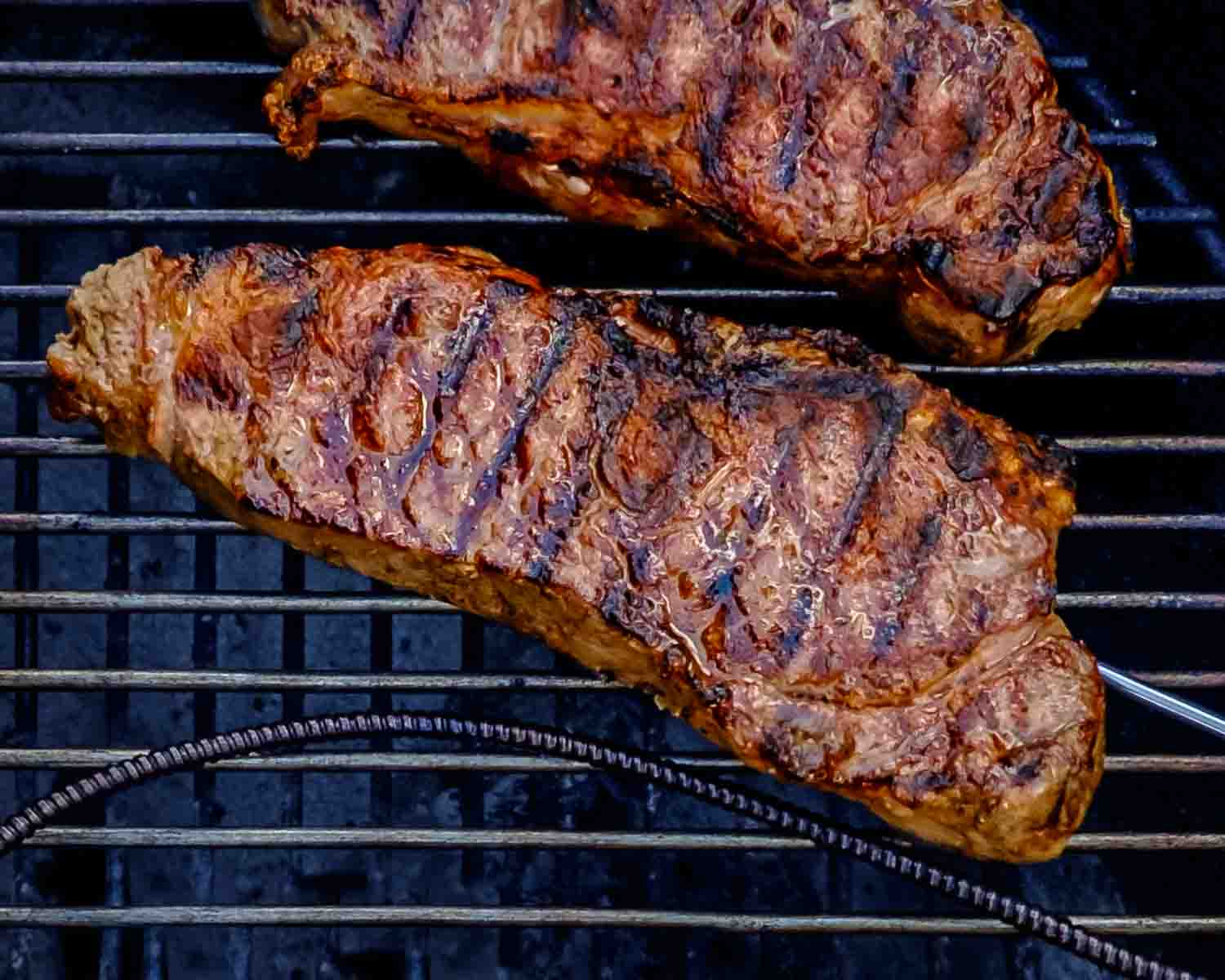
Once the grill is screaming hot, place your seasoned and room-temperature steak directly over the high heat. You should hear an immediate sizzle. Resist the urge to move or flip the steak too frequently. Let it sear undisturbed for 2-4 minutes per side, depending on thickness and desired crust intensity. A good rule of thumb is to wait until the steak easily releases from the grates – if it’s sticking, it hasn’t formed a proper crust yet. Use tongs to lift and check, aiming for a deep brown, almost black, crispy surface. This initial high-heat exposure is like the exciting start to a travel adventure, promising thrills and memorable outcomes. Some grillers even prefer to oil the steak itself rather than the grates, which can help in achieving an even sear and prevent sticking.
Precision and Patience: Achieving Your Desired Doneness
After achieving that initial glorious sear on both sides, for thicker steaks (1.5 inches or more), it’s often beneficial to move the steak to a cooler, indirect heat zone on your grill. This prevents the outside from burning while allowing the inside to gently come up to temperature. Close the lid to allow the ambient heat to finish cooking. This methodical approach is not unlike navigating a new city destination – sometimes you need to slow down to appreciate the journey.
The most accurate way to determine doneness is by using an instant-read meat thermometer. Forget the old “press test”; internal temperature is key to precision, especially when catering to varied preferences at a family gathering.
- Rare: 120-125°F (49-52°C)
- Medium-Rare: 130-135°F (54-57°C) – often considered ideal for New York Strip
- Medium: 135-140°F (57-60°C)
- Medium-Well: 140-145°F (60-63°C)
- Well-Done: 150°F (66°C) and above (though not recommended for this cut if you want to retain tenderness).
Remove the steak from the grill when it is 5-10°F below your target temperature, as it will continue to cook during the resting period due to carryover heat.
And now, for arguably the most crucial step that many overlook: resting the steak. Once removed from the heat, place the steak on a cutting board, preferably with a groove to catch juices, and loosely tent it with aluminum foil. Let it rest for 5-10 minutes. This allows the muscle fibers, which have tightened during cooking, to relax and reabsorb the juices, resulting in a more tender and flavorful steak. Cutting into the steak too soon will cause all those precious juices to run out, leaving you with a dry, disappointing experience. This resting period is much like the downtime at a luxurious spa resort after a busy day of sightseeing – essential for rejuvenation and optimal enjoyment.
Curating the Experience: Pairing and Presentation for a Memorable Meal
A grilled New York Strip Steak isn’t just food; it’s the centerpiece of a culinary event, an expression of lifestyle, and often a highlight of tourism for food lovers. The way you present and pair your steak can elevate the entire meal from merely satisfying to truly unforgettable, much like a well-curated travel itinerary enhances a vacation.
Beyond the Steak: Complementary Sides and Sauces
While the steak itself is a star, thoughtful accompaniments complete the ensemble. Classic steakhouse sides are always a hit. Consider creamy mashed potatoes, seasoned asparagus grilled alongside the steak, a vibrant green salad with a sharp vinaigrette, or roasted mushrooms sautéed with garlic and herbs. For a more adventurous palate, a truffle mac and cheese or a rich potato gratin can add a layer of indulgence. Each side should complement, not overpower, the robust flavor of the beef.
When it comes to sauces, less is often more with a well-grilled New York Strip. A simple pan sauce made with the drippings, a touch of butter, garlic, and herbs (like rosemary or thyme) can be exquisite. Other popular choices include a classic béarnaise sauce, a vibrant chimichurri (especially if you’re drawing inspiration from Argentinian grilling traditions), or even a simple compound butter with blue cheese or roasted garlic. The key is to enhance, not mask, the natural deliciousness of the steak.
The Perfect Sip: Wine and Beverage Pairings
No grand meal is complete without the perfect beverage pairing. For a rich, flavorful New York Strip Steak, red wine is the traditional choice, and for good reason. The tannins in red wine help cut through the richness of the fat, cleansing the palate and enhancing the beef’s savory notes.
- Cabernet Sauvignon: A classic choice, its bold structure, dark fruit flavors, and often peppery notes stand up beautifully to the steak. A Napa Valley Cabernet, for example, is a perfect luxury pairing.
- Merlot: Softer and fruitier than Cabernet, Merlot can be a lovely match, particularly one with a good backbone.
- Malbec: From Argentina, Malbec offers dark fruit, spice, and a smoother finish, excellent with grilled meats.
- Syrah/Shiraz: With notes of black pepper, smoke, and berries, these wines complement the char and depth of flavor from grilling.
For those who prefer not to drink wine, a hearty craft beer, such as a stout or a porter, can also be a fantastic accompaniment. The roasted malt flavors and sometimes smoky notes in these beers echo the grilled characteristics of the steak. Even a sparkling water with a hint of lemon can provide a refreshing contrast, much like a cleansing break during a busy day of exploring various attractions on your trip.
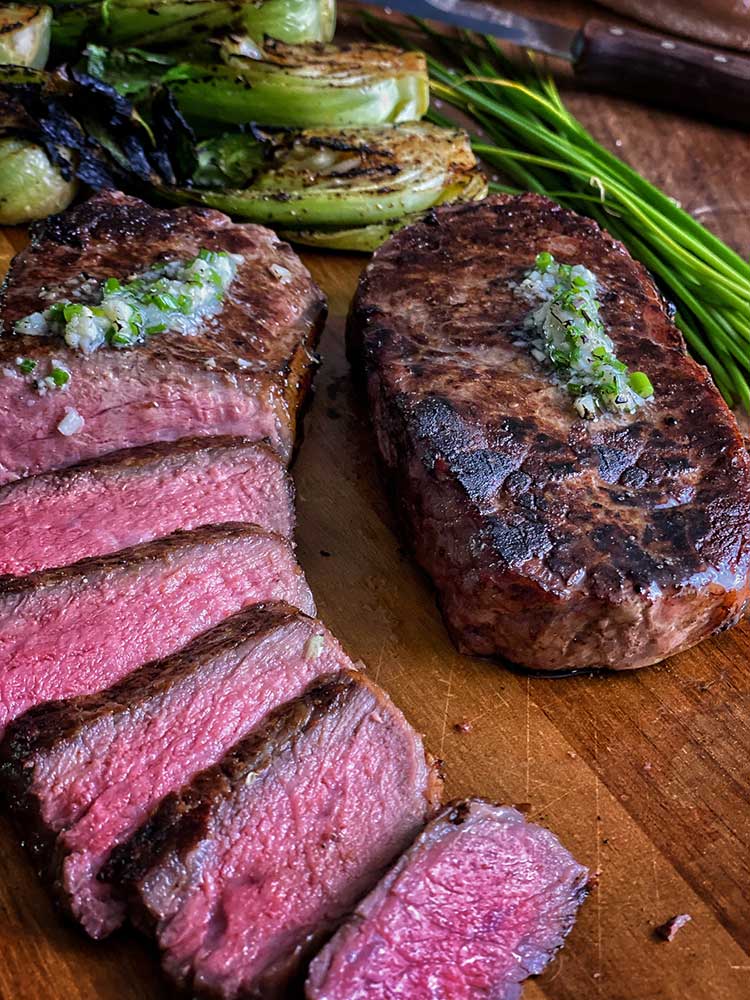
Presentation is the final flourish. Slice the steak against the grain into thick, even pieces to maximize tenderness. Arrange them artfully on a warm plate, perhaps fanned out, and drizzle with any pan juices or compound butter. Garnish with a sprig of fresh herbs for a pop of color. This attention to detail transforms a simple meal into an occasion, mirroring the curated experiences often found in luxury travel and fine dining accommodation options.
From Backyard Barbecue to Global Gastronomy: The New York Strip as a Culinary Staple
The journey of the New York Strip Steak from a butcher’s block to your dinner plate is steeped in culinary history and global appeal. It’s a cut that transcends borders, becoming a staple in diverse gastronomic traditions, from the sophisticated steakhouses of Chicago to the vibrant food scenes of Europe and Asia. Understanding its place in the world enhances our appreciation for its simple yet profound deliciousness.
Recreating Steakhouse Grandeur at Home
The New York Strip gained much of its fame in the iconic steakhouses of its namesake city, institutions like Peter Luger Steakhouse which have been serving legendary cuts for decades. These establishments perfected the art of high-heat searing, often using specialized broilers or grills to create an incredibly flavorful crust while maintaining a juicy interior. Recreating this grandeur at home is entirely possible and immensely rewarding. The techniques we’ve discussed—bringing the steak to room temperature, liberal seasoning, achieving a scorching hot grill, and allowing ample rest—are the very foundations of these world-renowned restaurants.
Think of your home kitchen or backyard as your personal culinary destination. By investing in good quality meat and mastering these fundamental skills, you can replicate the quintessential steakhouse experience without the premium price tag. It’s a testament to the fact that exceptional food experiences are not solely reserved for extravagant destinations or five-star hotels. They can be cultivated in your own space, elevating your daily lifestyle and bringing a touch of gourmet adventure to your routine. This act of conscious cooking transforms a meal into an activity, much like exploring local culture or engaging in unique experiences while traveling.
Exploring Regional Variations and Grilling Traditions
While the name “New York Strip” evokes a specific American culinary tradition, similar cuts and grilling philosophies can be found worldwide. In Argentina, for instance, the bife de chorizo is a comparable cut, often cooked slowly over an asado (barbecue) with simple seasoning, letting the quality of the beef shine. In Japan, while Wagyu beef from other parts of the cow might be more famous, the reverence for high-quality meat and precise cooking is a shared ethos.
Exploring these regional variations through your grilling can be an exciting extension of your travel bug. Perhaps you experiment with different marinades inspired by Asian cuisine, or try grilling over different types of wood for smoky flavors reminiscent of Texas barbecue. Each modification offers a new facet to the New York Strip Steak, making it a truly versatile canvas for culinary exploration. This journey into regional flavors is a beautiful example of how food acts as a universal language, connecting us to diverse cultures and traditions, whether we are physically traveling or simply venturing into new recipes in our own kitchens. The grill, then, becomes a gateway to global gastronomy, a tool to experience the world through taste.
In conclusion, grilling a New York Strip Steak is far more than just cooking; it’s an art form, a science, and a lifestyle choice that enriches your culinary repertoire. From carefully selecting your cut to mastering the flame and thoughtfully pairing your meal, each step is an opportunity to craft a memorable experience. So, the next time you fire up your grill, remember that you’re not just cooking a steak; you’re embarking on a delicious journey, bringing a piece of New York’s culinary legacy right to your plate, ready to be enjoyed as part of your own extraordinary life out of the box.
LifeOutOfTheBox is a participant in the Amazon Services LLC Associates Program, an affiliate advertising program designed to provide a means for sites to earn advertising fees by advertising and linking to Amazon.com. Amazon, the Amazon logo, AmazonSupply, and the AmazonSupply logo are trademarks of Amazon.com, Inc. or its affiliates. As an Amazon Associate we earn affiliate commissions from qualifying purchases.