
The anticipation of a perfect getaway, whether it’s a romantic escape to Paris, a family adventure to Orlando, or a business trip to London, often starts with the dream of a comfortable, pristine hotel room. Travelers meticulously plan their itineraries, from visiting iconic landmarks like the Eiffel Tower to exploring vibrant local culture and indulging in exquisite food. However, the tranquility of a well-deserved stay can quickly be shattered by an unwelcome guest: bed bugs. These tiny, nocturnal pests are a global concern for the hospitality industry and a nightmare for anyone seeking a restful night’s sleep.
Discovering bed bugs in your accommodation can transform a dream vacation into a stressful ordeal, leading to itchy bites, potential health concerns, and the arduous task of preventing them from hitchhiking home. It can also significantly impact a traveler’s perception of hotel quality and cleanliness, influencing future booking decisions and the reputation of establishments, from luxury resorts like the Four Seasons to budget-friendly apartments. This comprehensive guide is designed to empower every traveler with the knowledge and practical steps needed to thoroughly inspect a hotel room for bed bugs, ensuring peace of mind and protecting your travel investment and home. By integrating these practices into your travel routine, you can significantly mitigate the risk of an encounter with these pervasive pests, allowing you to focus on the joys of travel and create unforgettable experiences.

The Unwanted Travel Companion: Understanding Bed Bugs
Before delving into the specifics of inspection, it’s crucial to understand what bed bugs are, why they pose such a threat to travelers, and to dispel common myths surrounding them. This foundational knowledge will make your inspection efforts more effective and alleviate unnecessary anxiety.
Why Bed Bugs Are a Big Deal for Travelers
For anyone embarking on a journey, whether it’s a family trip to the Mediterranean, a business stay in Tokyo, or a solo adventure through Southeast Asia, bed bugs represent more than just a nuisance. They are a significant concern that can undermine the entire purpose of a trip. Here’s why:
- Health and Comfort: Bed bug bites typically manifest as itchy, red welts, often appearing in lines or clusters. While not known to transmit diseases, the constant itching can disrupt sleep, cause skin infections from scratching, and lead to considerable discomfort and stress. The allergic reactions some individuals experience can be severe, requiring medical attention. Imagine exploring the ancient ruins of Rome or enjoying a vibrant street market in Bangkok while battling incessant itching – it significantly detracts from the experience.
- Financial Implications: Finding bed bugs often necessitates immediate action. This might include requesting a room change, moving to an entirely different hotel, or even cutting your trip short. These changes can incur unexpected costs, from additional room fees to cancellation penalties. Furthermore, if bed bugs are unknowingly brought home, the cost of professional pest eradication can run into thousands of dollars, making a seemingly minor problem a major financial burden.
- Psychological Impact: The thought of bed bugs can evoke feelings of disgust, anxiety, and helplessness. For many, the mental distress of being bitten or even the fear of being bitten can severely impact their ability to relax and enjoy their stay. This psychological toll can linger long after the trip, affecting future travel plans and creating a lasting aversion to certain types of accommodation. It undermines the very essence of a relaxing vacation or productive business trip.
- Reputation and Trust: For hotels and resorts, a bed bug infestation can be catastrophic to their reputation. Negative reviews spread quickly, especially in the age of online travel forums and social media, deterring potential guests and affecting tourism to a destination. Guests expect clean, safe, and comfortable environments, and the presence of bed bugs erodes trust in the establishment’s commitment to hygiene.
Common Misconceptions and Facts
Understanding the enemy is half the battle. Dispelling myths about bed bugs is essential for effective inspection and prevention.
- Myth: Bed bugs only infest dirty places.
- Fact: This is one of the most persistent misconceptions. Bed bugs are equal opportunity infesters. They are attracted to warmth and carbon dioxide (from humans), not grime. Even the most luxurious suites at five-star establishments like the Ritz-Carlton or St. Regis can harbor them. A pristine appearance offers no guarantee against their presence, making vigilant inspection crucial for all types of booking options.
- Myth: You can’t see bed bugs.
- Fact: Adult bed bugs are visible to the naked eye, roughly the size and shape of an apple seed. Nymphs (young bed bugs) are smaller and translucent, making them harder to spot, but not impossible. Their eggs are tiny, pearl-white, and often found in clusters. Knowing what to look for, beyond just the live bugs, significantly improves detection.
- Myth: Bed bugs transmit diseases.
- Fact: While their bites are irritating and can cause allergic reactions, current scientific consensus is that bed bugs do not transmit human diseases. This distinction is important for managing anxiety, though it doesn’t diminish the need for their eradication.
- Myth: They only live in beds.
- Fact: While their name suggests a preference for beds, these pests are adept at hiding in a multitude of cracks and crevices within a room. They can be found behind headboards, in nightstands, behind picture frames, along baseboards, in electrical outlets, under loose wallpaper, and even within upholstered furniture. This necessitates a thorough, room-wide inspection, not just a cursory glance at the mattress.
- Myth: Insect repellents protect against bed bugs.
- Fact: Standard insect repellents designed for mosquitoes and ticks are generally ineffective against bed bugs. They are not repelled by DEET or similar chemicals and will often bite regardless. Prevention relies on physical barriers and vigilant inspection.
Your Comprehensive Pre-Check: A Step-by-Step Inspection Guide
Upon entering any hotel room, resist the urge to immediately toss your luggage onto the bed or unpack your belongings. A proactive, systematic inspection is your best defense against an unforeseen bed bug encounter. This process, ideally performed before you even settle in, should become a standard part of your travel tips and routine.
Initial Entry Protocol: Don’t Rush In
Your first few minutes in the room are critical. Establishing a safe zone for your belongings is paramount.
- Stop at the Door: As soon as you open the door, pause. Do not roll your luggage in immediately. Take a quick visual scan of the room from the doorway. While unlikely to spot a bed bug from this distance, you might notice other red flags such as excessive clutter or an unusual odor (sometimes described as musty or sweet, similar to cilantro).
- Designate a Safe Zone for Luggage: The safest place for your bags is typically the bathroom, particularly in the bathtub or on a tiled floor, away from carpets, upholstered furniture, or the bed. These surfaces are generally less hospitable for bed bugs and easier to inspect. Alternatively, use the luggage rack, but ensure you inspect it first (we’ll get to that). Avoid placing bags on the floor, bed, or any upholstered surfaces.
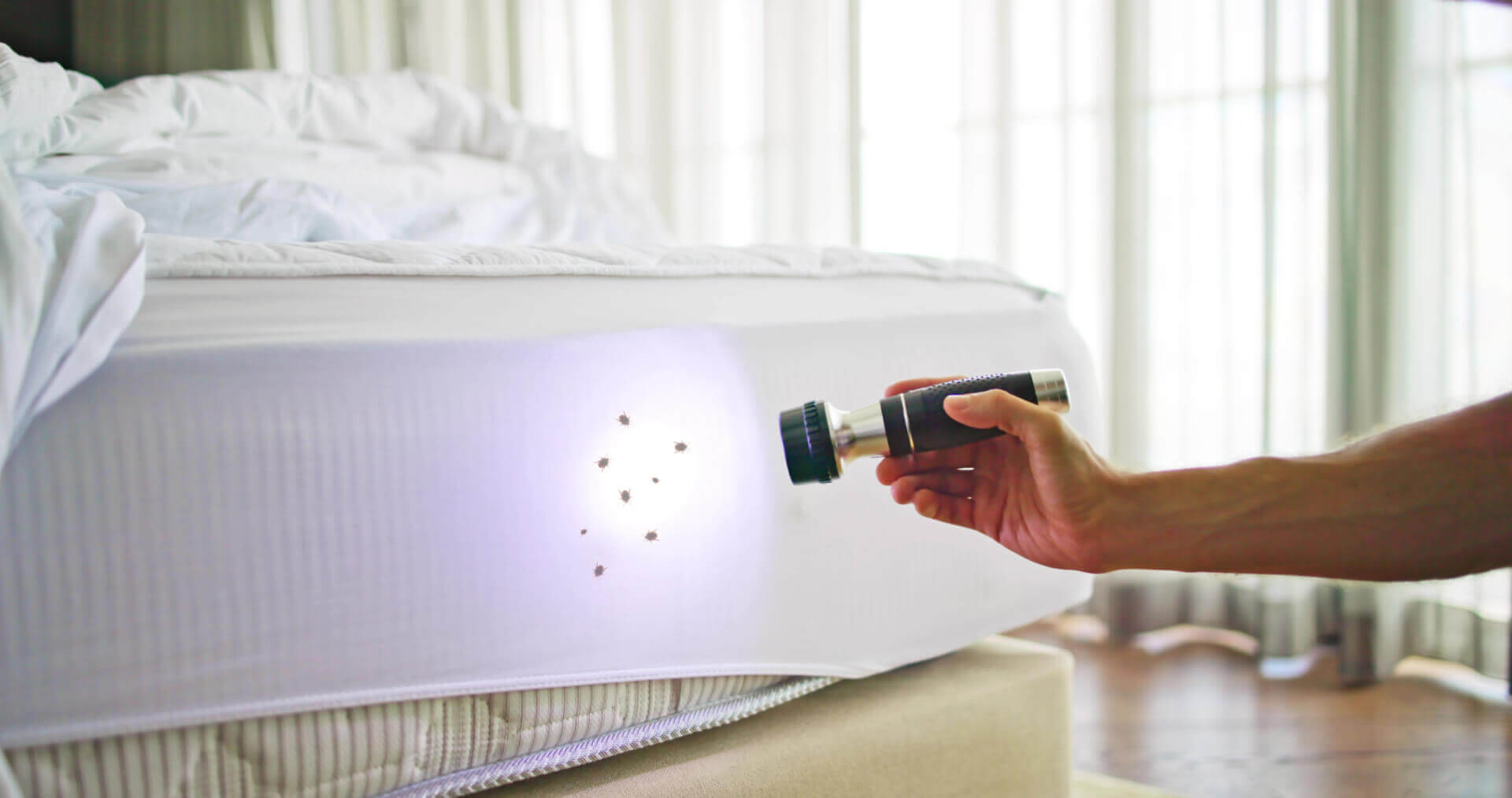
- Arm Yourself: A small, powerful flashlight (your phone’s flashlight often suffices) and a credit card or similar thin object are invaluable tools. The flashlight will help you spot subtle signs in dark crevices, and the credit card can be used to pry open seams or inspect tight spaces without direct contact. Consider wearing light-colored clothing during your inspection; this makes it easier to spot bed bugs if they happen to crawl on you.
The “CRAB” Method for Thorough Inspection
To ensure a comprehensive and systematic check, adopt the “CRAB” method. This mnemonic guides you through the key areas where bed bugs are most commonly found.
Check the Bedding and Mattress
This is ground zero for bed bug activity, as they prefer to be close to their food source (you) while you sleep.
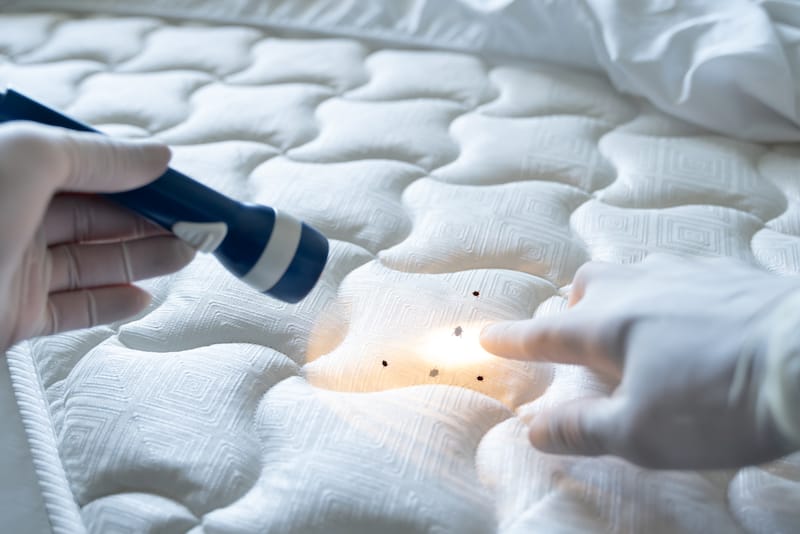
- Pillows and Linens: Carefully peel back the sheets, pillowcases, and blankets. Look for small reddish-brown stains (fecal spots, which are digested blood), tiny dark spots (dried fecal matter), or actual live bugs. Pay close attention to the seams and folds of the fabric.
- Mattress Seams and Tufts: This is the primary hiding spot. Lift each corner of the mattress and inspect the top, bottom, and sides. Use your flashlight to meticulously examine all piping, seams, and tufts. Bed bugs love to hide in these tight, protected spaces. Look for the aforementioned fecal spots, shed skins (exoskeletons, which are translucent and yellowish), and adult bed bugs or nymphs.
- Box Spring: If the bed has a box spring, this is another critical area. Lift the mattress off entirely, if possible and safe to do so, and inspect the top, sides, and especially the underside fabric of the box spring. Bed bugs can easily hide in the wooden frame or tears in the fabric.
- Headboard and Bed Frame: Bed bugs frequently hide behind the headboard, particularly if it’s mounted to the wall. Use your flashlight to peer into any cracks or crevices. If the headboard is attached to the bed frame, check where the frame meets the wall and floor. Inspect all screws, bolts, and joints of the bed frame. Even modern, minimalist designs popular in boutique hotels should be thoroughly checked.
Radius Inspection: Furniture and Fixtures
Once the bed is cleared, expand your search to the immediate vicinity, focusing on items within a few feet of the bed.
- Nightstands and Dressers: Empty the drawers of nightstands and dressers. Inspect the inside, outside, and undersides of the drawers and the furniture itself. Pay attention to the joints, corners, and any cracks in the wood. Remove any drawer liners if present and check beneath them.
- Lamps and Electronics: Bed bugs are attracted to warmth, making bedside lamps, alarm clocks, and charging stations potential hiding spots. Check the bases and undersides of these items. Carefully inspect electrical outlets and switch plates near the bed – bed bugs can sometimes harbor behind them.
- Artwork and Picture Frames: Remove any artwork or picture frames from the walls near the bed. Inspect the backs of the frames and the wall directly behind them for signs of infestation.
All Over the Room: Walls, Curtains, and Electronics
Don’t limit your inspection to the immediate bed area. Bed bugs can disperse throughout a room, especially if an infestation is severe or long-standing.
- Curtains and Window Treatments: Examine the pleats, seams, and rods of curtains. Bed bugs can climb and hide in these elevated locations, particularly if the curtains are close to the bed or a preferred resting spot.
- Chairs and Sofas: If the room includes upholstered chairs, sofas, or recliners, give them a thorough inspection. Pay attention to the seams, cushions (remove them if possible), and the underside of the furniture. Check where the fabric meets the frame. This is especially important in apartments or villas that might feature more extensive living areas.
- Baseboards and Wall Perimeters: Scan the entire perimeter of the room, looking for cracks in the baseboards or peeling wallpaper. Use your credit card to gently probe these areas.
- Closets and Luggage Racks: While you might have initially placed your luggage in the bathroom, you’ll eventually use the closet. Inspect the shelves, hangers, and the luggage rack before placing any items on them. Look for signs of bed bugs on the rack’s straps and frame.
Bags and Belongings: The Last Frontier
Even after a thorough room inspection, your personal items require attention.
- Luggage Inspection: Before packing up to leave, and especially before heading home, inspect your luggage thoroughly. Check the zippers, seams, and pockets. Bed bugs are expert hitchhikers.
- Clothes and Shoes: Give your clothes a shake and visual check. Consider keeping worn clothes in sealed plastic bags throughout your trip to prevent any potential bed bugs from finding a new home among your clean garments.
- Personal Items: Don’t forget items like books, magazines, and toiletries. While less common, bed bugs can hide in surprising places.
Prevention and What To Do Next
A diligent inspection is your first line of defense, but what if you find something? And how can you prevent these pests from disrupting your travel and returning home with you?
Proactive Measures Before and During Your Stay
Prevention begins even before you leave home and continues throughout your trip.
- Research Before You Book: Leverage online reviews and dedicated bed bug reporting sites before making your accommodation choices. While a single report shouldn’t necessarily deter you, a pattern of complaints is a significant red flag. Websites offering comparison tools often include sections for guest feedback that might highlight such issues.
- Pack Smart: Use hard-sided luggage when possible, as it offers fewer crevices for bed bugs to hide compared to soft-sided bags. Pack your clothes in sealable plastic bags or compression bags within your suitcase. This not only keeps them organized but also provides an extra layer of protection.
- Use Luggage Stands: Always use the luggage stand provided in the room, but only after you’ve inspected it for signs of bed bugs. If none is available, keep your suitcase on a hard surface like a desk or table, or elevated on a tiled floor if possible. Avoid placing luggage directly on the carpet or upholstered furniture.
- Keep Clothes Off the Floor: Never leave clothes strewn on the floor, especially in carpeted areas. Use hangers or store clothes in drawers that you’ve already inspected.
- Be Mindful in Public Areas: Bed bugs aren’t exclusive to hotel rooms. They can be found in public transport, airport lounges, and even cinema seats. Be aware of your surroundings and avoid placing personal items directly on upholstered seats in such environments. This applies whether you’re on a budget travel adventure or enjoying luxury travel.
If You Find Bed Bugs: Immediate Actions and Reporting
Discovering bed bugs can be alarming, but acting swiftly and responsibly is key.
- Do Not Disturb: Resist the urge to squash them or try to “clean” them yourself. This can cause them to scatter, making the problem worse and harder for hotel staff to assess.
- Document Everything: Take clear photos or videos of the bed bugs, their signs (fecal spots, shed skins), and the specific locations where you found them. This documentation is crucial evidence.
- Alert Hotel Management Immediately: Contact the front desk or hotel manager. Politely but firmly explain the situation and present your evidence. Request a new room, making sure to ask for one that is not adjacent, directly above, or directly below your current room, as bed bugs can easily travel through walls and floorboards.
- Inspect the New Room: Just as diligently inspect any new room offered to you, following the “CRAB” method detailed above. Do not assume the new room is clear.
- Clean Your Belongings: Before moving to a new room or leaving the hotel, place all your belongings (especially clothes) into sealed plastic bags. If possible, ask the hotel if they have laundry facilities where you can put your clothes through a high-heat wash and dry cycle. The high heat is what kills bed bugs and their eggs.
- Consider Alternative Accommodation: If the hotel’s response is unsatisfactory, or if you feel uncomfortable staying, consider finding alternative accommodation. This might mean checking hotel availability at a reputable chain like Marriott International or Hilton Hotels & Resorts.
Post-Travel Precautions: Don’t Bring Them Home
The journey doesn’t end when you leave the hotel. Preventing bed bugs from infesting your home is the final, crucial step.
- “Hot Zone” Unpacking: When you arrive home, do not bring your luggage directly into your living spaces or bedroom. Unpack in a “hot zone” – ideally your garage, bathroom, or even outside on a patio.
- Laundry First: Immediately put all clothing, luggage liners, and any washable fabric items through a hot water wash and a high-heat dryer cycle for at least 30 minutes. Heat is the most effective killer of bed bugs and their eggs. Even if clothes weren’t worn, treat them as potentially exposed.
- Vacuum Luggage: Thoroughly vacuum your suitcases, paying close attention to seams, zippers, and pockets. Dispose of the vacuum bag immediately in an outdoor trash receptacle, or empty a bagless vacuum canister directly into an outdoor bin.
- Inspect and Store Luggage: After cleaning, inspect your empty luggage again. If you’re particularly concerned, you can steam clean it or leave it in a hot, sunny place (like a car on a hot day) for several hours. Store luggage in a garage or attic, away from living areas, ideally in sealed plastic bags or containers.
- Monitor Your Home: For several weeks after your trip, be vigilant. Inspect your own bed, mattress, and furniture for any signs of bed bugs. Early detection is key to preventing a full-blown infestation in your home.
By adopting these diligent inspection techniques and prevention strategies, you empower yourself to travel with greater confidence and peace of mind. While the thought of bed bugs can be unsettling, being prepared means you can focus on the incredible destinations, attractions, and guides that await you, ensuring your lifestyle of travel remains enjoyable and worry-free. Safe travels!