
Alabama white sauce, a creamy, tangy, and slightly peppery condiment, is a culinary icon of the American South, particularly beloved in the state of Alabama. While its origins are debated, its place as a versatile accompaniment to a wide array of dishes is undeniable. This article delves into the essence of Alabama white sauce, exploring its historical context, its key ingredients, and a comprehensive guide to recreating this Southern delight in your own kitchen. Whether you’re a seasoned chef or a home cook looking to add a unique flair to your meals, understanding and mastering Alabama white sauce opens up a world of delicious possibilities, aligning perfectly with themes of travel, food, and local culture.
The Allure of Alabama White Sauce: A Culinary Landmark
The appeal of Alabama white sauce extends far beyond the borders of its namesake state, embodying a significant aspect of Southern food tourism. It’s a testament to how simple, accessible ingredients can be transformed into something truly special, a culinary landmark in its own right. Imagine exploring the historic streets of Montgomery or the vibrant culinary scene of Birmingham, and discovering this unique sauce gracing barbecue platters or seafood dishes. It’s an integral part of the local gastronomic experience, a taste of Alabama that travelers often seek out.
The history of Alabama white sauce, often attributed to Big Bob Gibson’s Bar-B-Q in Decatur, Alabama, is a story of innovation and regional pride. While other barbecue sauces often lean towards sweet and smoky, Alabama white sauce offers a refreshing counterpoint with its mayonnaise base, vinegar tang, and a subtle kick of black pepper. This distinctive profile makes it an ideal companion for slow-cooked meats like pork and chicken, cutting through richness and adding a zesty layer of flavor. It’s also gaining popularity for its use with smoked fish and even as a dipping sauce for vegetables.
The sauce’s simplicity belies its complexity of flavor. It’s a perfect example of how local food traditions contribute to a destination’s unique identity. For anyone planning a trip to the South, or simply looking to explore new flavors, learning about and tasting Alabama white sauce is an essential part of the culinary tourism experience. It’s a dish that reflects the resourcefulness and culinary heritage of the region, making it a must-try for any food enthusiast. The enduring popularity of this sauce speaks to its ability to elevate everyday meals into something extraordinary, a true reflection of Southern hospitality and ingenuity.
Crafting Your Own Alabama White Sauce: A Step-by-Step Guide
The beauty of Alabama white sauce lies in its straightforward preparation. Unlike more complex sauces that require hours of simmering or specialized ingredients, this Southern staple can be whipped up in a matter of minutes, making it an ideal option for both spontaneous culinary adventures and planned gatherings. This accessibility also makes it a perfect addition to any travel guide focused on experiencing local flavors, as it empowers visitors to recreate a taste of their travels back home.
Here’s a breakdown of the essential ingredients and the process for creating your own authentic Alabama white sauce:
Key Ingredients: The Foundation of Flavor
The magic of Alabama white sauce is in its harmonious blend of a few key components. Each ingredient plays a crucial role in achieving that signature creamy, tangy, and subtly spicy profile.
- Mayonnaise: This is the undeniable cornerstone of Alabama white sauce. Opt for a good quality, full-fat mayonnaise. The creaminess of the mayonnaise provides the rich base and velvety texture that is characteristic of this sauce. Avoid light or low-fat versions, as they can alter the consistency and flavor. The quality of your mayonnaise will directly impact the final taste, so choose wisely. It’s the emulsified oil and egg yolks that give the sauce its luxurious mouthfeel.
- Apple Cider Vinegar: The tanginess of apple cider vinegar is crucial for balancing the richness of the mayonnaise. It cuts through the fat, adds brightness, and provides that characteristic piquant flavor. The type of vinegar can slightly influence the outcome; apple cider vinegar offers a mellow, slightly fruity acidity that complements the other ingredients beautifully. You can experiment with white vinegar for a sharper tang, but apple cider vinegar is the classic choice.
- Black Pepper: Freshly ground black pepper is essential for providing a subtle, warming heat. While it’s not a spicy sauce in the traditional sense, the pepper adds a nuanced complexity that prevents it from being one-dimensional. Coarsely ground pepper will offer more visible specks and a more pronounced flavor.
- Salt: To enhance and meld all the flavors together. It’s a simple but vital component that rounds out the taste profile.
- Optional Enhancements: While the core recipe is simple, many variations exist, incorporating additions that can elevate the sauce further. Common additions include:
- Worcestershire Sauce: A dash of Worcestershire sauce can add a layer of umami and depth, contributing a subtle savory note that complements the tanginess.
- Lemon Juice: A squeeze of fresh lemon juice can add an extra burst of citrusy brightness, especially if you prefer a tangier sauce.
- Garlic Powder or Onion Powder: A pinch of these can add a subtle savory undertone.
- Sugar or Honey: For those who prefer a hint of sweetness to balance the acidity, a small amount of sugar or honey can be incorporated, though traditionalists often omit this.
- Horseradish: For a more pronounced spicy kick, a small amount of prepared horseradish can be added.

The Simple Method: Mixing Your Masterpiece
Once you have your ingredients ready, the process of making Alabama white sauce is remarkably simple, fitting perfectly into the “food” and “lifestyle” categories of our website. It’s a quick recipe that’s ideal for a busy traveler or someone looking for a flavorful addition to a home-cooked meal.
- Combine the Base: In a medium-sized bowl, start with your mayonnaise. Ensure it’s at room temperature for easier mixing.
- Add the Liquids: Gradually whisk in the apple cider vinegar. Start with a smaller amount and add more to achieve your desired tanginess. The consistency will begin to loosen as you incorporate the vinegar.
- Season Generously: Add a good amount of freshly ground black pepper and salt to taste. Remember that the flavors will meld and intensify as the sauce sits.
- Incorporate Optional Flavors (If Using): If you’re adding Worcestershire sauce, lemon juice, or any other enhancements, whisk them in now.
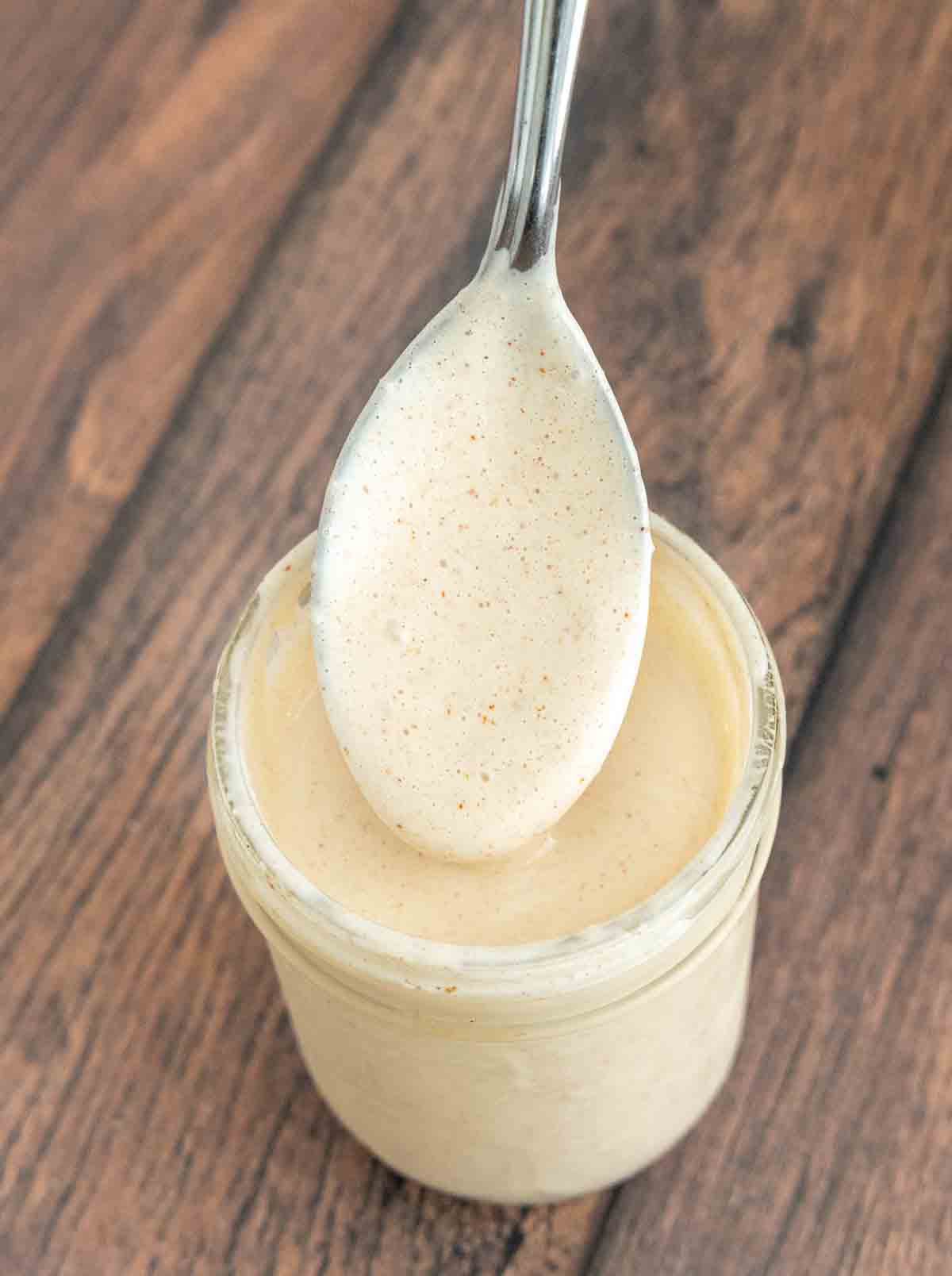
- Achieve the Right Consistency: Continue whisking until the sauce is smooth and emulsified. The final consistency should be pourable but still thick enough to coat the back of a spoon. If it’s too thick, you can add a little more vinegar or a tablespoon of water. If it’s too thin, you can add a little more mayonnaise.
- Chill and Marry Flavors: This is a crucial step. Cover the bowl and refrigerate the sauce for at least 30 minutes, or preferably for a few hours. This allows the flavors to meld and deepen, transforming a simple mixture into a complex condiment. The resting period is where the true magic happens, allowing the ingredients to harmonize.
Serving Suggestions: Elevating Your Culinary Experiences
The versatility of Alabama white sauce is its superpower, making it a vital component of any discussion about Southern food and culinary travel. It transcends typical sauce applications, proving itself to be a sophisticated and adaptable condiment that can elevate a wide range of dishes, from simple weeknight meals to elaborate barbecue spreads. This aligns with the website’s focus on travel, food, tourism, and lifestyle.
When you’re exploring the charming towns and cities of Alabama, you’ll likely encounter this white sauce used in numerous ways. Recreating these experiences at home is part of the joy of culinary tourism.
The Classic Pairings: Barbecue and Beyond
The most iconic use of Alabama white sauce is undoubtedly with barbecue. Its bright, tangy profile cuts through the richness of smoked meats, providing a refreshing contrast that’s often preferred over sweeter sauces by many Southerners.
- Pulled Pork and Ribs: Drizzled generously over slow-cooked pulled pork or slathered onto tender pork ribs, the sauce adds a zesty counterpoint that enhances, rather than masks, the smoky flavors of the meat. It’s a staple at any self-respecting Alabama barbecue joint.
- Smoked Chicken: Whether it’s a whole smoked chicken or grilled chicken pieces, Alabama white sauce is an exceptional partner. It can be used as a marinade, a finishing sauce, or a dipping sauce. The creamy tang complements the savory, often slightly charred, flavor of the chicken perfectly.
- Brisket: While Texas might be king of brisket, adding a side of Alabama white sauce can introduce a delightful new dimension to this beloved cut of beef. Its acidity can help balance the intense richness of well-rendered brisket.

Exploring New Horizons: Seafood, Sandwiches, and More
The culinary applications of Alabama white sauce extend far beyond the barbecue pit. Its refreshing taste makes it a surprisingly versatile condiment for other dishes.
- Seafood: This is where the sauce truly shines in unexpected ways. Smoked fish, such as trout or salmon, is incredible with a dollop of white sauce. It’s also a fantastic accompaniment to fried fish, shrimp, or even crab cakes. The tanginess cuts through the richness of fried seafood, while the creaminess complements its delicate flavor.
- Sandwiches and Wraps: Forget plain mayonnaise! Spread a layer of Alabama white sauce on your next chicken salad sandwich, turkey club, or even a simple ham and cheese. It adds an instant gourmet upgrade. It’s also excellent in wraps, especially those featuring grilled chicken or vegetables.
- Salads: Use it as a dressing for coleslaw or potato salad for a Southern twist. It can also be thinned slightly with a bit more vinegar or water to create a light, tangy dressing for green salads, particularly those featuring grilled chicken or shrimp.
- Dipping Sauce: Beyond meats and seafood, Alabama white sauce makes an excellent dip for a variety of items. Think crispy fried pickles, onion rings, french fries, or even crudités. Its unique flavor profile is addictive.
- Vegetable Enhancer: Lightly drizzled over steamed or roasted vegetables like broccoli, asparagus, or cauliflower, it adds a welcome zing and creaminess.
By mastering this simple yet profound sauce, you not only gain a delicious new condiment but also a deeper appreciation for the culinary heritage of Alabama and the broader American South. It’s a taste of travel and local culture that you can bring right into your own kitchen, enriching your everyday dining experiences and perhaps inspiring your next adventure to explore more of these delicious regional specialties.
LifeOutOfTheBox is a participant in the Amazon Services LLC Associates Program, an affiliate advertising program designed to provide a means for sites to earn advertising fees by advertising and linking to Amazon.com. Amazon, the Amazon logo, AmazonSupply, and the AmazonSupply logo are trademarks of Amazon.com, Inc. or its affiliates. As an Amazon Associate we earn affiliate commissions from qualifying purchases.