
The California Roll stands as a testament to culinary innovation, a dish that elegantly bridges the vibrant traditions of Japanese sushi with the adventurous spirit of American cuisine. More than just a meal, crafting these iconic rolls at home is an experience – a journey that transforms your kitchen into a hub of cultural exploration and gastronomic delight. For enthusiasts of Travel, Tourism, and embracing diverse Lifestyles, learning to make California Rolls offers a unique blend of practicality and pleasure. It’s an opportunity to delve into the fascinating world of sushi without needing a plane ticket to Tokyo or Kyoto, allowing you to savor a taste of international culinary artistry right in your own dining room.
This guide will demystify the process, breaking down each step to ensure your homemade California Rolls are not only delicious but also beautiful to behold. Whether you’re planning a cozy night in, preparing a special meal for guests, or simply eager to expand your culinary repertoire, mastering the California Roll is a rewarding endeavor. It connects directly to the idea of immersive experiences often sought through Accommodation and travel guides, bringing an authentic “foodie” adventure home. Imagine the satisfaction of presenting a platter of perfectly rolled sushi, knowing you’ve journeyed through its history, gathered the right tools, and honed your skills to create a masterpiece that rivals those found in high-end Hotels or acclaimed Restaurants across cities like Los Angeles or Vancouver. Let’s embark on this delightful culinary adventure.

The Allure of the California Roll: A Culinary Journey
The story of the California Roll is as captivating as its flavor profile, reflecting a beautiful intersection of cultures and a groundbreaking approach to sushi that changed the global perception of this traditional Japanese dish. Its origins are steeped in urban legend and innovation, making it a perfect subject for those interested in Local Culture and the evolution of food.
Tracing its Origins: From Japan to the USA
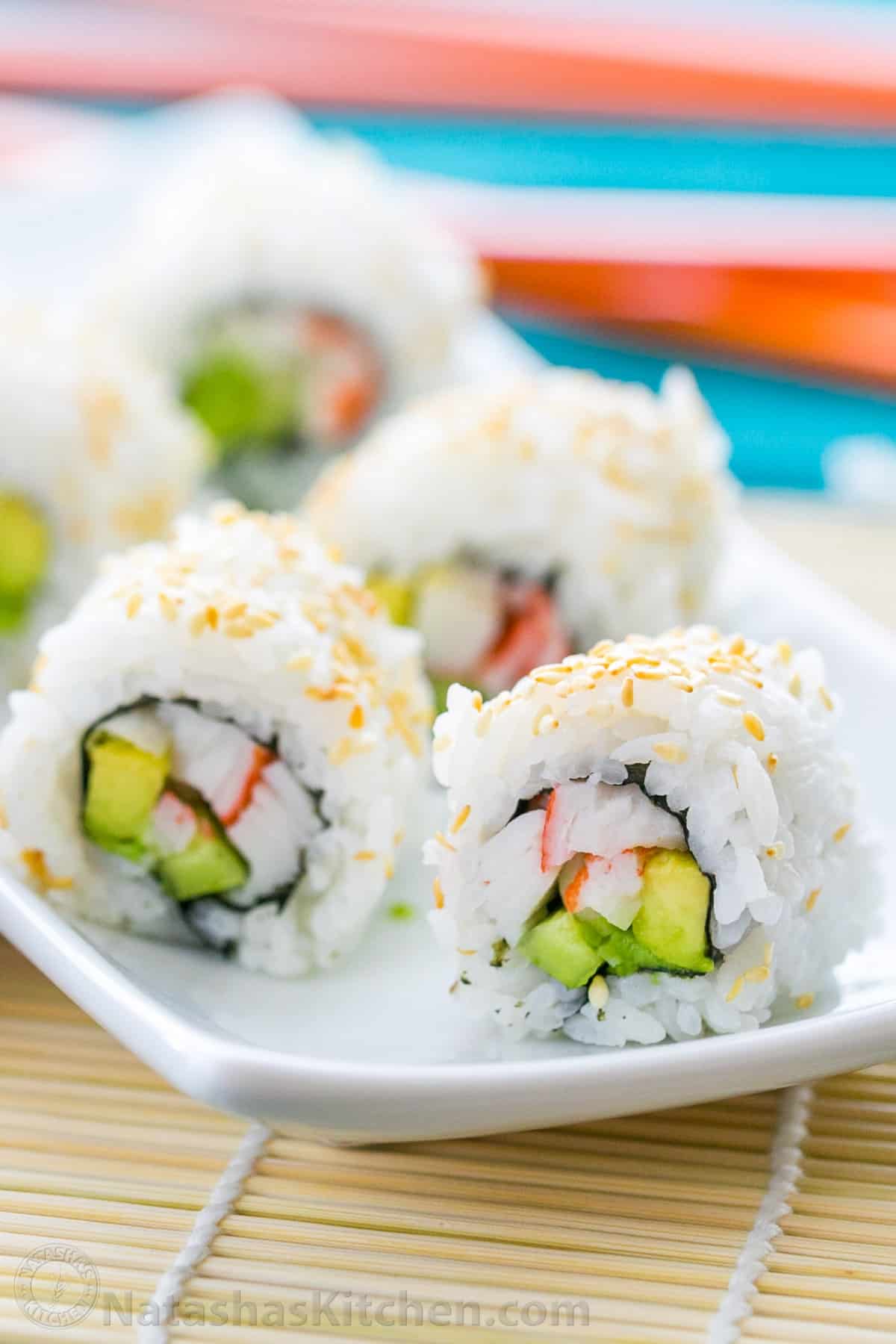
While sushi boasts centuries of tradition in Japan, the California Roll is a relatively modern invention, born out of necessity and ingenuity. Its creation is often attributed to chefs working in the vibrant culinary scene of Los Angeles, California, in the late 1960s or early 1970s. One popular theory credits Chef Ichiro Mashita of the Tokyo Kaikan restaurant in Little Tokyo, Los Angeles, with its invention. Faced with a clientele unfamiliar with raw fish, and a desire to use more readily available ingredients, Chef Mashita ingeniously substituted tuna with cooked crab meat and integrated avocado, a fruit abundant in California, to replace the fattiness of tuna. He also pioneered the “inside-out” (uramaki) roll, placing the nori (seaweed) on the inside to make the sushi more appealing to Western diners who were initially put off by the dark seaweed wrapper.
Another theory suggests Chef Hidekazu Tojo in Vancouver, Canada, created a similar roll around the same time, leading to a friendly rivalry over its true birthplace. Regardless of its exact origins, the California Roll quickly soared in popularity throughout North America and eventually globally. It served as a gateway for many to experience sushi, introducing them to its textures and flavors in a more approachable format. This culinary innovation exemplifies how global food trends often emerge from the vibrant cultural melting pots found in major Cities, becoming Landmarks of taste that define a generation.
Why Make Them at Home? An Experiential Lifestyle Choice
In a world increasingly focused on unique experiences and personal well-being, learning to make California Rolls at home aligns perfectly with a modern, engaging Lifestyle. It transcends mere cooking; it’s an activity that offers numerous benefits:
- Cultural Immersion: It’s a hands-on way to engage with international cuisine, offering a glimpse into Japanese-American food culture and fusion. This type of experiential learning often mirrors the immersive activities sought during Travel Experiences.
- Cost-Effectiveness: Enjoying sushi at restaurants, especially high-quality establishments or Resorts with dedicated sushi bars, can be a luxurious expense. Making California Rolls at home is a fantastic Budget Travel equivalent, allowing you to indulge in gourmet flavors without the premium price tag.
- Customization and Dietary Needs: When you make your own, you have complete control over ingredients. This is invaluable for those with specific dietary preferences, allergies, or a desire to use organic or premium components. It’s an aspect of personalized luxury, aligning with the bespoke services found in high-end Suites or Villas.
- Mindfulness and Creativity: The process of making sushi can be incredibly meditative. From preparing the rice to carefully arranging the fillings and rolling, it requires focus and precision, offering a creative outlet and a break from daily routines. It’s an activity that fosters a sense of accomplishment, akin to exploring a new Destination and mastering a local craft.
- Social Activity: Sushi making is a wonderful group activity. Host a “sushi party” with friends or family, transforming meal preparation into a fun, interactive event. This aligns with the appeal of Family Trips or social gatherings at vacation Apartments or shared Accommodation options. It’s about creating memories and sharing a unique culinary journey.
Essential Ingredients and Tools for Perfect California Rolls
Crafting delectable California Rolls begins with assembling the right ingredients and equipping your kitchen with the necessary tools. Think of this as preparing for an expedition; having the correct gear ensures a smoother, more enjoyable journey and a successful outcome.
Gathering Your Culinary Arsenal
The beauty of the California Roll lies in its relatively simple yet harmonious ingredient list. Quality is paramount here, as each component plays a crucial role in the final taste and texture.
- Sushi Rice: This is the foundation of your roll. Opt for Japanese short-grain rice, specifically labeled “sushi rice.” Its sticky texture is essential for holding the roll together. Brands like Nishiki or Koshihikari are excellent choices, known for their consistency and flavor, often found in specialty food markets or larger supermarkets across Cities worldwide.
- Nori (Seaweed Sheets): These dark green, dried sheets of seaweed are what hold your fillings. Ensure you buy roasted nori, which is crisp and has a subtle umami flavor.
- Rice Vinegar: Essential for seasoning the sushi rice, it adds a distinctive tang. Look for “rice vinegar” or “sushi vinegar,” which sometimes comes pre-seasoned.
- Sugar and Salt: These are mixed with rice vinegar to create the traditional sushi seasoning (sushi-zu).
- Imitation Crab Meat (Surimi): The classic filling for California Rolls. While real crab meat can be used for a Luxury Travel touch, imitation crab is widely accepted and surprisingly delicious. It’s usually sold in sticks or flakes.
- Avocado: Choose ripe, but firm, avocados. They add a creamy texture and rich flavor. The Hass Avocado variety, widely available, is perfect for its creamy consistency.
- Cucumber: A crisp, refreshing counterpoint to the other ingredients. English cucumbers or Persian cucumbers are ideal due to their minimal seeds and thin skins.
- Toasted White Sesame Seeds: These are sprinkled on the outside of the uramaki (inside-out) rolls, adding a nutty flavor and appealing texture.
- Mayonnaise: For the crab mixture. Japanese mayonnaise (Kewpie is a popular brand) is often preferred for its richer, tangier flavor, but regular mayonnaise works well too.
- Sriracha (Optional): For those who like a touch of heat, a drizzle of sriracha in the crab mixture or as a topping can elevate the flavor profile.
Setting Up Your Sushi Station
Having the right tools makes the sushi-making process efficient and enjoyable, much like a well-equipped kitchen in a premium Hotel Suite.
- Bamboo Rolling Mat (Makisu): This is non-negotiable. It helps you compress and shape the rice and fillings into a tight, uniform roll. You can find these at Asian markets or online.
- Sharp Knife: A very sharp, thin-bladed knife is crucial for slicing the rolls cleanly without squishing them. A chef’s knife or a specific sushi knife is ideal.
- Cutting Board: A clean, stable surface for preparing ingredients and slicing your rolls.
- Bowl of Water (with a splash of vinegar): Keep this handy for wetting your hands. Sushi rice is incredibly sticky, and moistening your hands prevents it from clinging. The vinegar helps prevent sticking and adds a subtle antibacterial property.
- Rice Cooker (Optional but Recommended): While you can cook sushi rice on the stovetop, a rice cooker ensures perfectly cooked, fluffy rice every time, which is foundational to good sushi.
- Plastic Wrap: Essential for covering your bamboo mat when making inside-out rolls, preventing the rice from sticking to the mat.
Step-by-Step Guide to Crafting Your California Rolls
With your ingredients prepped and tools at the ready, it’s time to dive into the art of making California Rolls. This section outlines the process, ensuring you can replicate the quality found in some of the best Japanese Restaurants you might visit on your travels.
Preparing the Perfect Sushi Rice
The rice is arguably the most critical component. Get this right, and you’re halfway to sushi perfection.
- Rinse the Rice: Place 2 cups of sushi rice in a fine-mesh sieve or a large bowl. Rinse the rice under cold running water, stirring with your hand, until the water runs clear. This removes excess starch, preventing the rice from becoming overly gummy.
- Cook the Rice: If using a rice cooker, add the rinsed rice and 2.5 cups of cold water to the cooker. Cook according to the manufacturer’s instructions. If cooking on the stovetop, combine rice and water in a heavy-bottomed pot, bring to a boil, then reduce heat to low, cover, and simmer for 15-20 minutes until all water is absorbed. Let it rest, covered, for another 10-15 minutes off the heat.
- Season the Rice: While the rice is resting, prepare the sushi-zu. In a small saucepan, combine 1/4 cup rice vinegar, 2 tablespoons sugar, and 1 teaspoon salt. Heat gently over low heat, stirring until the sugar and salt dissolve. Do not boil.
- Cool and Mix: Transfer the cooked rice to a large, non-metallic bowl (a wooden or plastic bowl is ideal). Pour the sushi-zu evenly over the hot rice. Using a cutting motion with a rice paddle or wooden spoon, gently fold the seasoning into the rice. Do not mash. Fan the rice (with a hand fan or a piece of cardboard) as you mix to help it cool quickly and give it a shiny appearance. Continue fanning and mixing until the rice reaches body temperature. Cover it with a damp cloth to prevent drying out while you prepare the fillings.

Assembling Your Fillings
While the rice cools, focus on preparing your vibrant fillings.
- Prepare the Crab Mixture: If using imitation crab sticks, flake them apart or chop them finely. In a small bowl, combine the crab meat with 2-3 tablespoons of mayonnaise (and a dash of sriracha if desired). Mix well until thoroughly combined.
- Slice the Avocado: Cut the avocado in half, remove the pit, and gently scoop out the flesh. Slice it into thin, even strips. Immediately sprinkle with a little lemon juice to prevent browning.
- Cut the Cucumber: Peel the cucumber (optional) and slice it into thin, matchstick-sized strips, about 4-5 inches long. Remove the seedy core if it’s too watery.
The Art of Rolling: Inside-Out Technique
This is where the magic happens! The inside-out technique, or uramaki, is characteristic of the California Roll.
- Set Up Your Mat: Lay your bamboo rolling mat flat. Cover it tightly with a layer of plastic wrap. This prevents rice from sticking to the mat and makes cleanup a breeze.
- Nori and Rice: Place one sheet of nori, shiny side down, on the plastic-wrapped mat. Dip your hands in the vinegared water to prevent sticking. Take about 3/4 cup of prepared sushi rice and spread it evenly over the entire surface of the nori, going edge to edge. Apply gentle, even pressure.
- Sesame Seeds: Sprinkle a generous amount of toasted white sesame seeds over the rice. Gently press them into the rice so they adhere.
- Flip It: Carefully flip the nori sheet over so the rice-and-sesame-seed side is now against the plastic wrap on the mat, and the nori is facing upwards.
- Add Fillings: Arrange a line of your crab mixture, avocado strips, and cucumber strips horizontally across the bottom edge of the nori (the edge closest to you). Don’t overfill, or your roll will be difficult to close.
- Roll It Up: Lift the edge of the mat closest to you, bringing it up and over the fillings. Press down firmly to tuck the fillings in and create a tight cylinder. Continue rolling forward, applying gentle, even pressure with your hands over the mat, shaping the roll into a neat cylinder. Use the mat to compress the roll as you go, ensuring it’s firm and uniform.
- Seal and Shape: Once fully rolled, give it a final squeeze with the mat to ensure it’s tightly packed. This helps the roll hold its shape and prevents it from falling apart when sliced.
Slicing and Serving Your Masterpiece
The final step requires a sharp knife and a steady hand to present your beautiful rolls.
- Prepare to Slice: Remove the plastic-wrapped roll from the mat. Using your sharp knife, wet the blade with the vinegared water between each cut. This prevents sticking and ensures clean slices.
- Slice Evenly: Cut the roll in half, then line up the halves and cut them into 3 or 4 equal pieces, aiming for 6 or 8 pieces per roll. Wipe the knife clean between each roll to maintain sharpness and prevent rice buildup.
- Arrange and Serve: Arrange your freshly sliced California Rolls on a serving platter. Garnish with pickled ginger, a dollop of wasabi, and a small bowl of soy sauce for dipping.
Elevating Your California Roll Experience
Beyond the basic recipe, there’s a world of customization and presentation techniques that can elevate your homemade California Rolls, making them worthy of any discerning palate or special occasion. This embodies the essence of a personalized Luxury Travel experience, brought to your home.
Creative Variations and Customizations
The California Roll is a fantastic canvas for culinary creativity. Don’t hesitate to experiment with different fillings and toppings to suit your taste or dietary preferences.
- Protein Alternatives: Instead of imitation crab, try cooked shrimp, smoked salmon, or even grilled chicken for a different flavor profile. For vegetarians, consider using cream cheese (to make a Philadelphia Roll), mango, asparagus, or bell peppers. A Rainbow Roll, for instance, builds on the California Roll base but adds colorful slices of tuna, salmon, and yellowtail on top, mimicking the vibrant hues of a Maui sunset.
- Unique Toppings: Beyond sesame seeds, consider adding tobiko (flying fish roe) or masago (capelin roe) for a burst of salty flavor and a delightful crunch. Finely chopped green onions or a drizzle of spicy mayo (mayonnaise mixed with sriracha) can also add layers of flavor and visual appeal.
- Sauce Play: Experiment with different sauces. A sweet unagi sauce (eel sauce) or a tangy ponzu sauce can offer a delicious departure from traditional soy sauce. These enhancements mirror the diverse Amenities found in a luxury resort, designed to cater to every preference.
Pairing and Presentation: A Culinary Lifestyle Choice
Presentation is key to a truly enjoyable dining experience, transforming a simple meal into an event. Think about how you’d experience fine dining during your Travels and apply those principles at home.
- Thoughtful Plating: Arrange your rolls neatly on a beautiful platter. Consider using a rectangular serving dish or a traditional Japanese-style plate. A small sprig of fresh cilantro or a lemon wedge can add a touch of color and freshness.
- Accompaniments: Serve your California Rolls with traditional accompaniments such as pickled ginger (gari), wasabi, and high-quality soy sauce. For an authentic touch, provide small individual dipping bowls.
- Beverage Pairings: Complement your sushi with appropriate beverages. Green tea, either hot or iced, is a classic choice. For alcoholic options, sake (Japanese rice wine), a crisp white wine like Sauvignon Blanc, or a light Japanese beer can enhance the flavors of the rolls. This consideration for pairings extends the dining experience, much like a well-curated wine list at a Michelin-starred Restaurant in New York City.
- Atmosphere: Create an inviting dining atmosphere. Dim the lights, play some subtle background music, and use cloth napkins. Whether you’re entertaining guests or enjoying a quiet meal, setting the mood can significantly enhance the overall experience. This transforms a home meal into a memorable Activity that rivals experiences found in top-tier Hotels or curated Tourism Packages.
Making California Rolls at home is more than just following a recipe; it’s an embracing of a global culinary Lifestyle. It’s about the joy of creating something beautiful and delicious with your own hands, sharing it with loved ones, and discovering a deeper appreciation for the fusion of cultures that shaped this iconic dish. So, gather your ingredients, set up your station, and prepare to roll your way to a delightful, homemade sushi feast, a testament to the fact that some of the best travel experiences can begin right in your own kitchen.
LifeOutOfTheBox is a participant in the Amazon Services LLC Associates Program, an affiliate advertising program designed to provide a means for sites to earn advertising fees by advertising and linking to Amazon.com. Amazon, the Amazon logo, AmazonSupply, and the AmazonSupply logo are trademarks of Amazon.com, Inc. or its affiliates. As an Amazon Associate we earn affiliate commissions from qualifying purchases.