
The culinary landscape is dotted with iconic dishes, each telling a story of its origin, its people, and its evolution. Among the pantheon of beloved comfort foods, pizza holds a special place, with countless regional variations that spark passionate debates among enthusiasts. While Naples has its classic Margherita and New York boasts its foldable slice, a distinct contender has risen from the industrial heartland of America, capturing taste buds and winning over skeptics worldwide: Detroit style pizza.
More than just a meal, Detroit style pizza is a culinary experience, a testament to innovation born out of resourceful ingenuity. Its signature characteristics – a thick, airy, almost focaccia-like crust, caramelized crispy cheese edges, and a distinctive “red top” sauce application – set it apart from its brethren. For travelers and foodies exploring the vibrant culture of Detroit, sampling this local delicacy is an absolute must, often ranking high on lists of top attractions alongside the Henry Ford Museum and the Motown Museum. However, for those who can’t make the journey to Motor City, or simply wish to recreate that unique taste at home, mastering the art of Detroit style pizza is a rewarding endeavor. This guide will walk you through the essential steps, ensuring your homemade rendition transports you straight to the bustling pizzerias of Michigan.
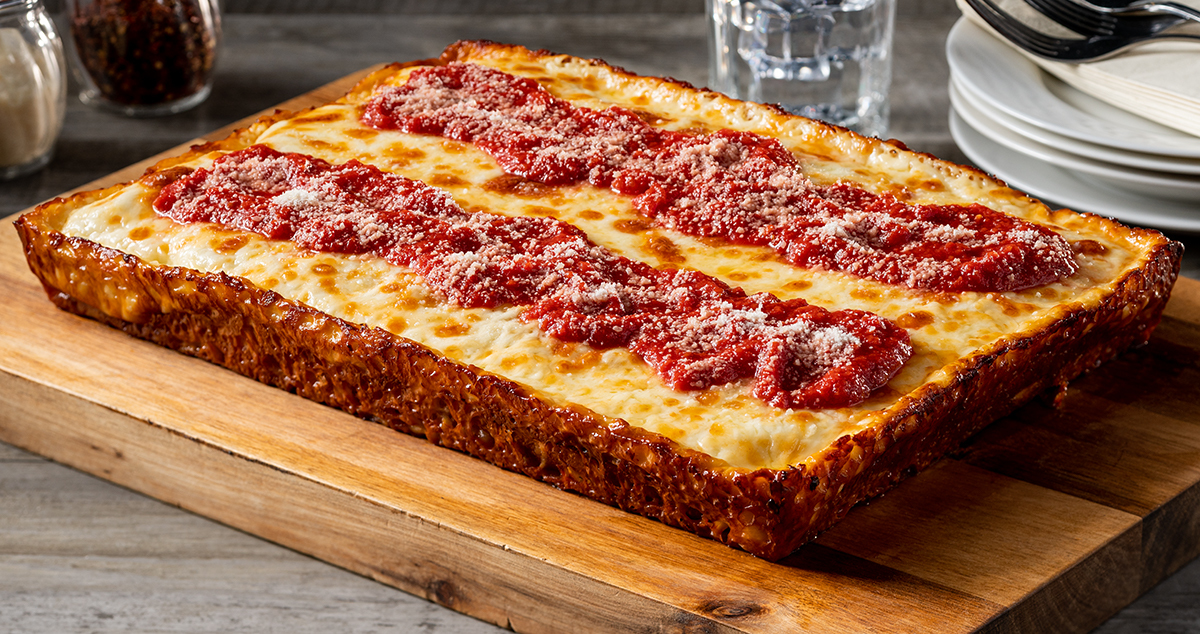
The Legacy of the Square Slice: Understanding Detroit Style Pizza
To truly appreciate Detroit style pizza, one must understand its roots. The story begins in 1946, not in a grand restaurant, but in a speakeasy called Buddy’s Rendezvous (now Buddy’s Pizza), located on Detroit’s east side. Gus Guerra, the owner, adapted a Sicilian-style dough recipe and, in a stroke of genius (or perhaps necessity), decided to bake it in rectangular blue steel pans originally used by local automotive factories as drip trays or for holding small parts. These heavy-duty, industrial-grade pans, seasoned over time, imparted a unique crust texture and contributed to the unparalleled crispiness that would become the pizza’s hallmark.
What emerged from those pans was revolutionary: a thick, rectangular pizza with a remarkably light and airy interior, a robust, crispy bottom crust, and a crown of deeply caramelized cheese along its edges. This “frico” crust, as it’s often called, is one of the defining characteristics, achieved by pushing the cheese right to the pan’s edge, allowing it to melt, bubble, and crisp up during baking. The sauce, typically an uncooked, crushed tomato variety, is then ladled on top of the cheese in two distinct “racing stripes,” or sometimes spread more broadly, giving it the moniker “red top.” This inversion of the traditional pizza layering (crust, sauce, cheese) allows the cheese to act as a barrier, preventing the crust from becoming soggy, while the sauce retains its fresh, vibrant flavor.
Making Detroit style pizza at home isn’t just about following a recipe; it’s about embracing a piece of American culinary history. It’s a taste of Detroit’s resilience and innovation, qualities deeply embedded in the city’s identity. For those planning a trip, staying in one of the many comfortable Detroit hotels or a charming apartment accommodation offers the perfect base to explore the city’s food scene, including historic pizzerias that continue to uphold this delicious tradition.
Crafting the Perfect Detroit Style Pizza: Essential Ingredients and Equipment
Before you embark on your pizza-making journey, gathering the right ingredients and tools is paramount. The beauty of Detroit style pizza lies in its humble components, yet their quality and proper handling make all the difference.
The Foundation: Dough Perfection
The dough is the heart and soul of Detroit style pizza. It’s a high-hydration dough, meaning it has a relatively high water content, which contributes to its airy, open crumb and chewy texture.
- Bread Flour: Use high-protein bread flour for better gluten development, which is crucial for achieving that characteristic chewy, yet light, crust. All-purpose flour can work in a pinch, but the texture won’t be quite the same.
- Warm Water: Activates the yeast and helps in gluten formation.
- Active Dry or Instant Yeast: The leavening agent that makes the dough rise.
- Salt: Essential for flavor and controlling yeast activity.
- Olive Oil: A generous amount of olive oil is used not only in the dough but also to coat the pan, preventing sticking and contributing to the crispy, golden-brown crust.
The Cheese: A Golden Crown
This is where Detroit style pizza truly shines. The specific cheese choice is critical for the “frico” effect.
- Brick Cheese: Traditionally, authentic Detroit style pizza uses Wisconsin brick cheese. This semi-hard, high-fat cheese melts beautifully and browns to a rich, nutty, caramelized crisp at the edges of the pan. Its unique flavor profile is unmistakable.
- Substitutes: If brick cheese is unavailable, a blend of low-moisture, whole-milk mozzarella and a sharper cheese like Monterey Jack or even a mild cheddar can approximate the desired melt and flavor. Avoid fresh mozzarella as it releases too much water, making the crust soggy. The key is finding a cheese that will melt evenly and caramelize well.
The Sauce: The “Red Top” Tradition
Unlike many pizzas where the sauce is applied directly to the dough, Detroit style sauce typically goes on after the cheese.
- Crushed Tomatoes: High-quality canned crushed tomatoes are preferred, often minimally seasoned to let the fresh tomato flavor shine. San Marzano tomatoes are an excellent choice if available.
- Seasonings: Simple additions like garlic powder, onion powder, oregano, a pinch of sugar (to balance acidity), and salt and pepper are usually sufficient. Some recipes might call for a touch of basil. The sauce is generally uncooked, adding a bright, fresh contrast to the rich cheese and crust.
Toppings and Equipment
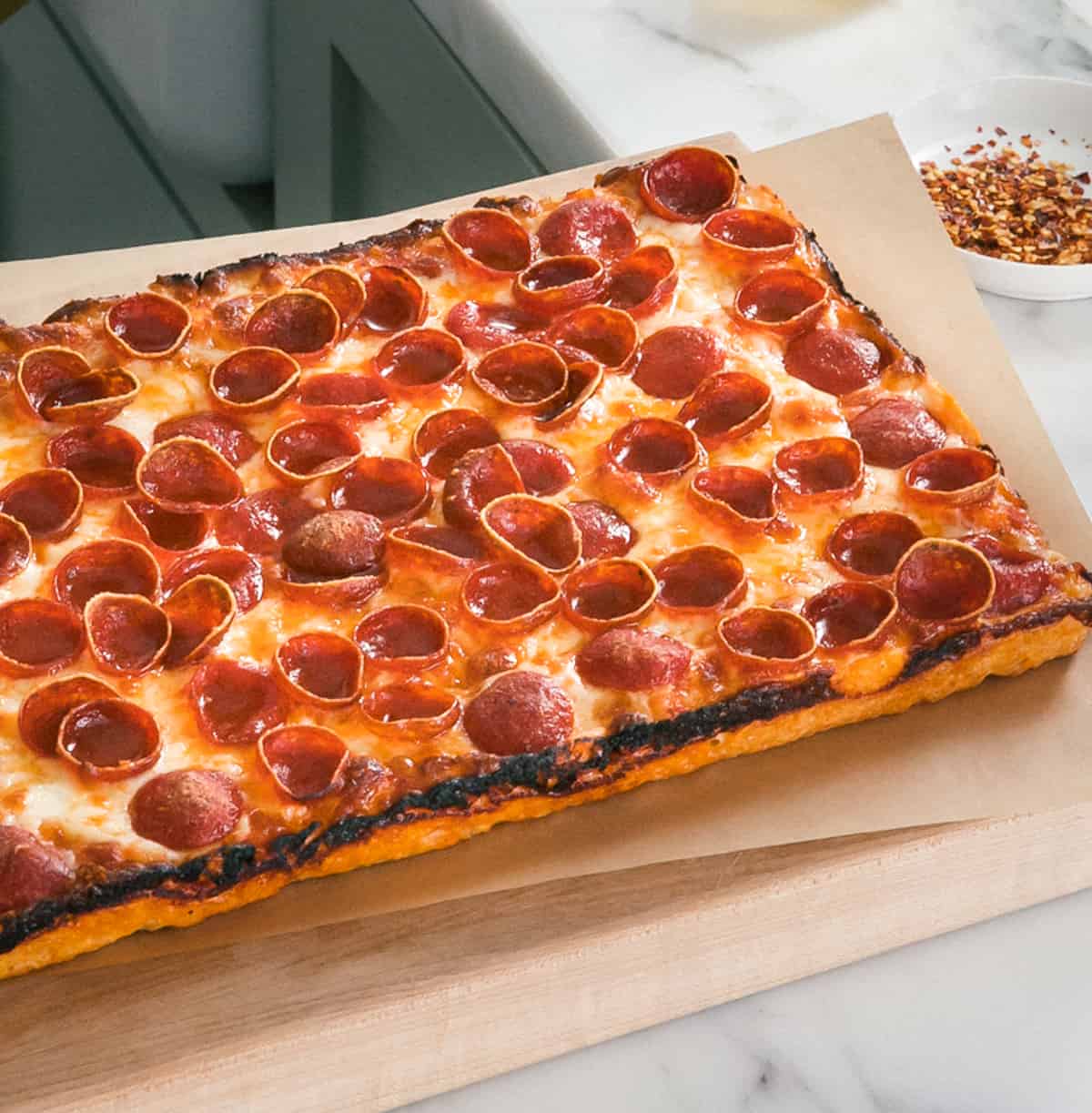
- Classic Toppings: Pepperoni is a classic choice, often layered directly onto the cheese before the sauce, allowing its edges to crisp up perfectly. Other popular toppings include mushrooms, onions, green peppers, and Italian sausage.
- Detroit Style Pizza Pan: This is non-negotiable for an authentic experience. The specific dimensions (usually 8×10 or 10×14 inches for home use) and heavy-gauge construction of these rectangular pans are crucial. While the original blue steel pans are ideal for their non-stick properties once seasoned, a heavy-duty anodized aluminum or cast iron pan can also work. The key is a pan with straight, relatively high sides to hold the thick dough and allow the cheese to climb and crisp. A dark pan helps achieve a darker, crispier crust. Generously oiling the pan is critical, which also adds to the delicious fried-cheese crust.
The Method: Step-by-Step Guide to Detroit Style Pizza
With your ingredients and equipment ready, it’s time to bring your Detroit style pizza to life.
1. Preparing the Dough (The Foundation)
- Activate Yeast: In a large bowl, combine warm water and yeast. Let it sit for 5-10 minutes until foamy.
- Mix Dough: Add the flour, salt, and olive oil to the yeast mixture. Mix with a spoon or stand mixer with a dough hook until a shaggy dough forms.
- Knead: Knead for about 5-7 minutes until the dough is smooth and elastic. It will be quite sticky due to the high hydration.
- First Proof: Lightly oil a clean bowl, place the dough in it, turn to coat, and cover with plastic wrap. Let it rise in a warm place for 1-1.5 hours, or until doubled in size. This first rise develops flavor and texture.
2. Preparing the Pan (The Essential Step)
- Oil the Pan: This is a crucial step. Drizzle 2-3 tablespoons of olive oil generously into your Detroit style pizza pan, ensuring the bottom and all sides are well coated. This oil creates the signature crispy, almost fried crust.
3. Stretching and Second Proof (The Pan Proof)
- Transfer Dough: Gently transfer the risen dough into the oiled pan. It will be sticky, so a little more oil on your hands can help.
- Initial Stretch: Gently press the dough out towards the edges of the pan. Don’t force it if it springs back; let it rest for 10-15 minutes, then continue stretching. This “rest and stretch” method allows the gluten to relax.
- Second Proof in Pan: Once the dough nearly fills the pan, cover it loosely with plastic wrap or a clean kitchen towel. Let it proof at room temperature for another 45-60 minutes, or until it looks visibly puffy and nearly fills the pan’s corners. This final proof makes the crust incredibly light and airy. Preheat your oven to its highest setting (usually 475-550°F or 245-290°C) during this time.
4. Layering the Toppings (The Detroit Method)
- Cheese First: Liberally distribute the brick cheese (or your chosen blend) over the proofed dough. Make sure to push small cubes or shredded cheese right up to the edges of the pan, allowing it to contact the oiled sides. This is essential for the frico crust.
- Pepperoni (Optional): If using pepperoni, scatter it over the cheese. Some prefer it under the cheese to prevent burning, but traditionalists often put it on top to crisp up.
- Sauce Application: Spoon strips of your prepared crushed tomato sauce over the cheese. Traditionally, these are two or three distinct “racing stripes” of sauce, leaving some cheese exposed. This keeps the sauce fresh and prevents the crust from getting soggy.
5. Baking (The Transformation)
- Preheat Oven: Ensure your oven is fully preheated to its highest temperature. A pizza stone or steel on the bottom rack can help achieve a crispier bottom, but isn’t strictly necessary with the right pan and oil.
- Bake: Carefully place the pan in the preheated oven. Bake for 15-20 minutes, or until the crust is deep golden brown, the cheese is bubbly and caramelized around the edges, and the sauce is warmed through. Keep an eye on it; ovens vary.
- Rotate: Halfway through baking, you might want to rotate the pan for even browning.
6. Rest and Serve (The Grand Finale)
- Rest: Once baked, carefully remove the pan from the oven. Let the pizza rest in the pan for 5-10 minutes. This allows the cheese to set and makes it easier to remove without tearing.
- Remove and Cut: Using a sturdy spatula, gently pry the pizza from the pan. The crispy cheese edges should help it release. Transfer it to a cutting board.
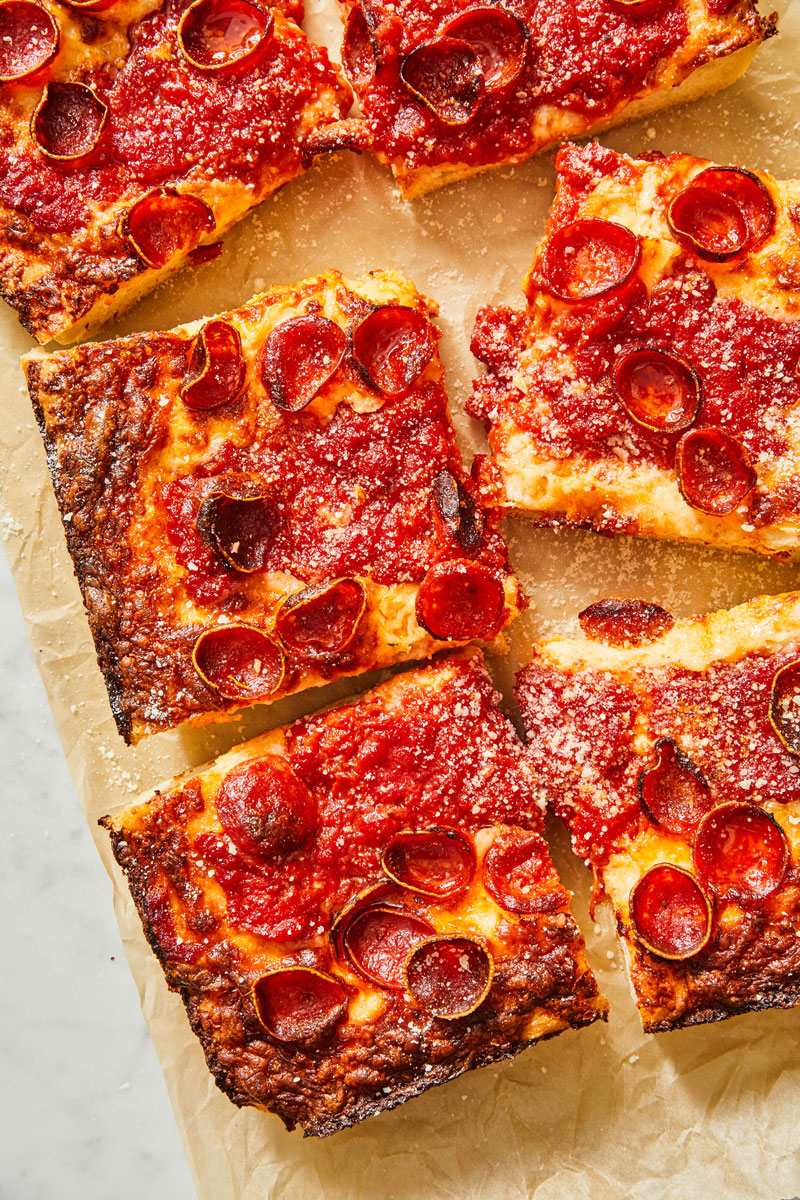
- Slice: Cut into squares. Traditionally, a 10×14 inch pizza yields 8 or 12 squares. Serve immediately and enjoy the combination of crispy, chewy, cheesy, and saucy goodness.
Experiencing Detroit’s Culinary and Cultural Delights
Making Detroit style pizza at home is an immersive culinary journey, connecting you to the rich tapestry of the city’s heritage. But for the ultimate experience, a visit to Detroit itself is highly recommended. Beyond the legendary pizzerias, Detroit’s food scene is a dynamic blend of classic American comfort food, diverse ethnic cuisines, and innovative farm-to-table establishments.
Tourism in Detroit offers a unique perspective on American industry, music, and art. From the awe-inspiring collections at the Detroit Institute of Arts to the historic homes of automotive pioneers, there’s a story around every corner. Staying in well-appointed accommodations, from luxury suites to charming boutique hotels, enhances the overall travel experience, allowing visitors to fully absorb the local culture and vibrant energy of Motor City. Imagine a day spent exploring fascinating landmarks, followed by a delicious Detroit style pizza dinner, whether at a renowned restaurant or a homemade masterpiece prepared in a well-equipped kitchen of a long-term stay accommodation.
This lifestyle, blending culinary adventure with cultural exploration, is what makes travel so enriching. Whether you’re a seasoned chef or a novice baker, tackling Detroit style pizza at home offers a taste of this unique destination. It’s an opportunity to share a piece of Detroit’s soul with friends and family, inviting them to savor a pizza that’s truly one-of-a-kind. So, roll up your sleeves, embrace the challenge, and prepare to be rewarded with a pizza experience that will redefine your expectations. The crispy edges, the airy crust, the tangy sauce, and the gooey cheese await, ready to transport you to the heart of Michigan’s most iconic city.