
Embarking on the journey to relocate to the vibrant heart of New York is a dream for many, a siren song of opportunity, culture, and an unparalleled urban experience. Often perceived as a daunting endeavor, moving to this iconic metropolis can be a smooth and exhilarating transition with the right preparation and insights. This guide aims to demystify the process, breaking down the essential steps and considerations for anyone looking to call the Empire State home. From understanding the diverse neighborhoods to navigating the practicalities of settling in, we’ll equip you with the knowledge to make your move to New York a resounding success.
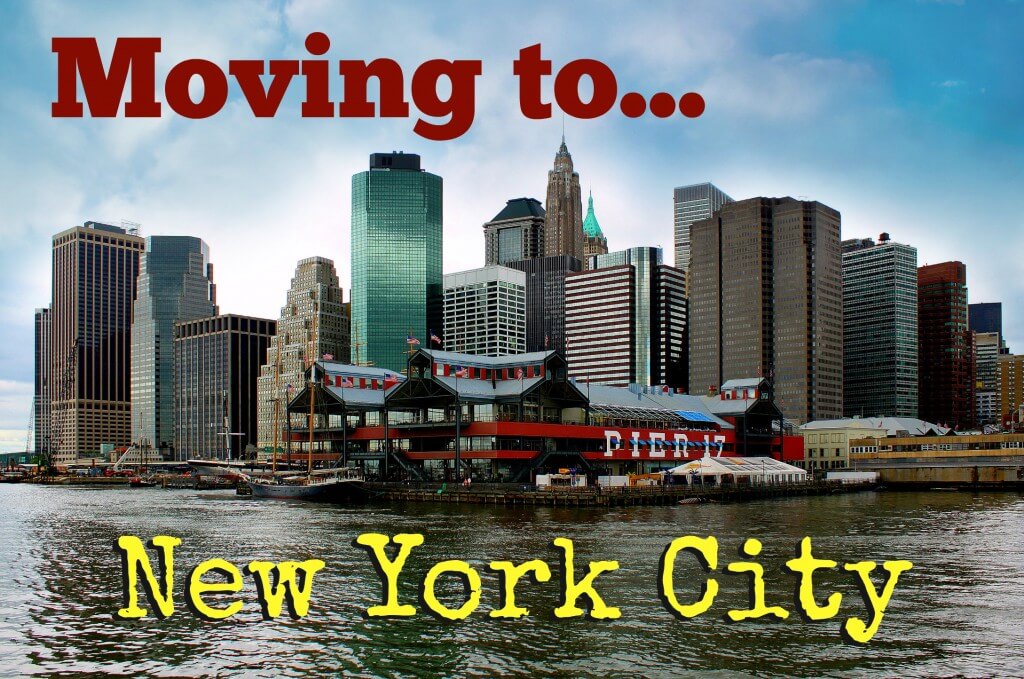
The allure of New York is multifaceted. It’s a global hub for finance, fashion, art, and entertainment, offering a career landscape as dynamic as its streets. Beyond professional pursuits, it’s a city that pulsates with a unique energy, where world-class museums like the Metropolitan Museum of Art stand alongside bustling markets, and the serene expanse of Central Park provides a welcome respite from the urban symphony. Whether you’re drawn by career aspirations, a desire for cultural immersion, or simply the magnetic pull of its legendary status, this guide will serve as your compass.
Planning Your Relocation: The Foundation of a Smooth Move
The first and arguably most crucial step in moving to New York is meticulous planning. This isn’t just about packing boxes; it’s about strategic decision-making that will shape your initial experience and long-term satisfaction.
Choosing Your New York Neighborhood: A Lifestyle Decision
New York is not a monolith; it’s a collection of distinct boroughs, each with its own character, pace, and cost of living. Understanding these differences is paramount to finding a place that truly feels like home.
-
Manhattan: The quintessential New York experience. From the upscale elegance of the Upper East Side and Upper West Side to the bohemian charm of Greenwich Village and the financial pulse of the Financial District, Manhattan offers unparalleled access to attractions, dining, and career opportunities. However, it also comes with the highest price tag for both rent and real estate. For those seeking a luxurious urban lifestyle, exploring options in areas like Tribeca or SoHo might be ideal, though they demand a significant budget.
-
Brooklyn: Once considered a more affordable alternative, Brooklyn has evolved into a vibrant cultural epicenter in its own right. Neighborhoods like Williamsburg and Bushwick are known for their trendy boutiques, art galleries, and diverse culinary scenes. Park Slope offers a more family-friendly atmosphere with charming brownstones and proximity to Prospect Park. Dumbo boasts stunning waterfront views and a burgeoning tech scene. Brooklyn offers a slightly more relaxed pace than Manhattan while still providing excellent connectivity.
-
Queens: The most ethnically diverse borough, Queens is a melting pot of cultures, reflected in its incredible food scene. Areas like Astoria offer a lively Greek influence, while Jackson Heights is renowned for its South Asian and Latin American communities. Long Island City is a rapidly developing area with modern apartments and impressive city skyline views, making it attractive for young professionals. Queens generally presents more affordable housing options compared to Manhattan and parts of Brooklyn.
-
The Bronx: Home to Yankee Stadium and the Bronx Zoo, this northernmost borough offers a rich history and a growing number of revitalized neighborhoods. Areas like Riverdale provide a more suburban feel within the city, while neighborhoods closer to the hub of Manhattan are seeing increased investment and development.
-
Staten Island: The least populated borough, Staten Island offers a quieter, more suburban lifestyle with larger homes and more green spaces. It’s often considered for those seeking a more relaxed pace and greater affordability, though commuting to other boroughs can take longer.
When choosing a neighborhood, consider your budget, proximity to work, preferred lifestyle (fast-paced vs. relaxed, family-oriented vs. single-focused), and access to amenities like parks, shopping, and public transportation. Visiting potential neighborhoods is highly recommended to get a true feel for the atmosphere.
Budgeting for Your Move and Initial Expenses
New York is notoriously expensive. A realistic budget is essential to avoid financial strain.
- Moving Costs: This includes the cost of movers, packing supplies, and potentially shipping belongings if you’re moving from a distance.
- Security Deposit and First Month’s Rent: Landlords typically require a security deposit (often one month’s rent) and the first month’s rent upfront. In New York, it’s not uncommon to see requirements for the first two months’ rent plus the security deposit, or even a broker’s fee which can be as high as 15% of the annual rent.
- Utilities: Factor in the cost of electricity, gas, internet, and potentially cable.
- Transportation: If you don’t plan to bring a car, consider the cost of a monthly MetroCard for unlimited subway and bus travel.
- Initial Living Expenses: Groceries, toiletries, and other daily necessities.
- Emergency Fund: It’s wise to have a buffer for unexpected expenses.
Researching average rents in your chosen neighborhoods is a critical first step in creating your budget. Websites specializing in New York real estate can provide valuable insights.
Navigating the Logistics of Relocation

Once you have a clear plan and budget, it’s time to tackle the practicalities of the move.
Finding Accommodation: Beyond the Initial Stay
Securing housing in New York can be competitive and requires prompt action.
- Temporary Accommodation: If you’re not immediately finding a long-term rental, consider short-term options like extended-stay hotels, serviced apartments, or even Airbnb. These can provide a comfortable base while you search for permanent housing. Websites offering hotel deals and apartment rentals can be invaluable here.
- Renting an Apartment: This is the most common route for newcomers. Be prepared for a fast-paced market.
- Lease Agreements: Understand the terms of your lease thoroughly before signing.
- Broker Fees: Be aware of potential broker fees, which can be substantial.
- Documentation: You’ll likely need proof of income (pay stubs, tax returns), a credit report, and references. Some landlords may require a guarantor if your income or credit history doesn’t meet their criteria.
- Buying Property: If your budget allows and you plan a long-term stay, purchasing property is an option. This involves navigating the complexities of the New York real estate market, mortgages, and closing costs.
Packing and Moving Your Belongings
The sheer volume of possessions can be overwhelming.
- Declutter Ruthlessly: Before you start packing, go through your belongings and get rid of anything you no longer need or use. Selling unwanted items can provide extra funds for your move.
- Professional Movers vs. DIY: For long-distance moves, professional movers are often the most efficient option. Get quotes from multiple reputable companies. If you’re moving within New York or from a nearby area, you might consider a smaller moving company or even a DIY move with a rented truck, depending on the volume of your belongings.
- Packing Strategy: Pack essentials separately for easy access upon arrival. Label boxes clearly with their contents and the room they belong in at your new residence.
Settling In: Embracing Your New York Lifestyle
The move itself is just the beginning. Integrating into the New York rhythm and making it your own is the next exciting phase.
Getting Around: Mastering the Transit System
New York‘s public transportation system is legendary and a key to navigating the city efficiently.
- The Subway: The New York City Subway system is extensive and operates 24/7. Familiarize yourself with the subway map and different lines. Downloading a transit app can be incredibly helpful for real-time updates and trip planning.
- Buses: Buses provide coverage in areas not directly served by the subway and can be a good option for shorter distances or scenic routes.
- Taxis and Ride-Sharing: Taxis are readily available, especially in Manhattan. Ride-sharing services like Uber and Lyft also operate widely.
- Walking and Biking: New York is a remarkably walkable city, and biking has become increasingly popular with the expansion of bike lanes and the Citi Bike program.
Embracing the Local Culture and Lifestyle
New York offers an endless array of experiences.
- Culinary Delights: From Michelin-starred restaurants to iconic street food vendors, New York is a foodie paradise. Explore different ethnic enclaves for authentic flavors, and don’t forget to try a classic New York slice of pizza or a bagel.
- Arts and Entertainment: Catch a Broadway show in the Theater District, explore world-renowned museums like the Museum of Modern Art (MoMA) and the American Museum of Natural History, or enjoy live music at one of the city’s many venues.
- Parks and Recreation: Escape the urban bustle in Central Park, Prospect Park, or the High Line, an elevated linear park built on a former freight rail line.
- Neighborhood Exploration: Dedicate time to simply wander through different neighborhoods, discovering hidden gems, local shops, and community events.

Essential Administrative Tasks
Once you’ve settled into your new home, there are a few administrative tasks to take care of.
- Changing Your Address: Update your address with the postal service, banks, and any other important institutions.
- Obtaining a New York State Driver’s License and Vehicle Registration: If you plan to drive, you’ll need to obtain these.
- Registering to Vote: If you are eligible, registering to vote in New York is an important civic duty.
- Finding Local Services: Locate doctors, dentists, and other essential service providers in your new neighborhood.
Moving to New York is an adventure, a chance to immerse yourself in a city that never sleeps and is always evolving. By approaching the process with careful planning, a realistic budget, and an open mind, you can transform the challenge of relocation into the exciting first chapter of your New York story. From the iconic skyline of Manhattan to the diverse streets of Brooklyn, this city offers a unique tapestry of opportunities and experiences waiting to be discovered.