
Embarking on a career in commercial driving in the great state of Texas opens up a world of opportunities, from transporting goods across the vast expanse of the Lone Star State to exploring its diverse landscapes and vibrant cities. The Commercial Driver License (CDL) is your key to unlocking these professional avenues. This comprehensive guide will walk you through the essential steps and requirements to successfully obtain your CDL in Texas, ensuring you’re well-prepared for the road ahead.
Understanding the Basics of a Texas CDL
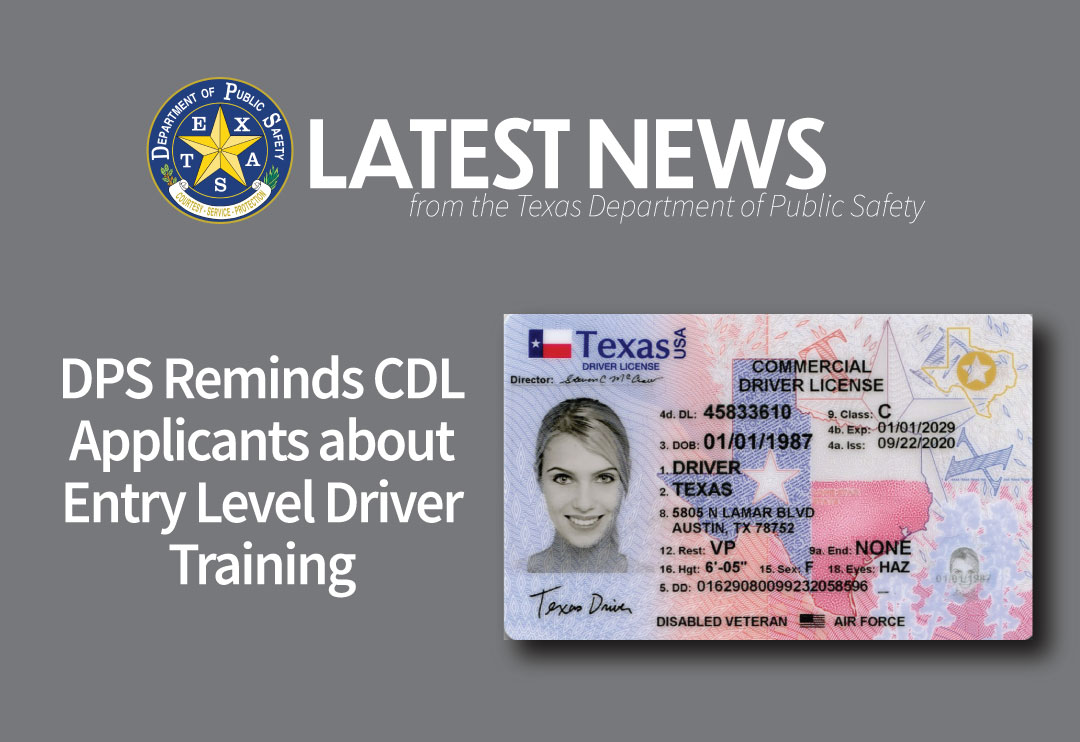
A Commercial Driver License (CDL) is a specialized license required for individuals who operate Commercial Motor Vehicles (CMVs). In Texas, as with other states, operating a CMV without the proper CDL endorsement is a serious offense. The definition of a CMV can encompass a wide range of vehicles, generally defined by their size, weight, or the type of cargo they carry, including vehicles designed to transport 16 or more occupants (including the driver).

Before diving into the application process, it’s crucial to understand the different classes of CDLs available and which one best suits your career aspirations. Texas issues three main classes of CDLs:
- Class A CDL: This is required for drivers operating any combination of vehicles with a gross combination weight rating (GCWR) of 26,001 pounds or more, provided the gross vehicle weight rating (GVWR) of the vehicle(s) being towed is in excess of 10,000 pounds. This class typically covers tractor-trailer combinations and large trucks.
- Class B CDL: This is for drivers operating a single vehicle with a GVWR of 26,001 pounds or more, or any such vehicle towing a vehicle with a GVWR not in excess of 10,000 pounds. This class often applies to straight trucks, dump trucks, and some buses.
- Class C CDL: This is for drivers operating vehicles that do not meet the definition of a Class A or Class B vehicle but are designed to transport 16 or more occupants (including the driver) or are placarded for hazardous materials. School buses, passenger vans, and some smaller delivery trucks might fall under this category.
Beyond the class, you’ll also need to consider various endorsements and restrictions. Endorsements are added to your CDL to permit you to operate specific types of CMVs or transport certain types of cargo. Common endorsements include:
- H (Hazardous Materials): Required for transporting hazardous materials that require placarding.
- P (Passenger): Required for operating vehicles designed to transport 16 or more passengers.
- S (School Bus): Required for operating a school bus.
- N (Tank Vehicle): Required for operating vehicles designed to haul liquids or gaseous materials in a tank.
- T (Double/Triple Trailers): Required for towing double or triple trailers.
Restrictions can limit the type of CMV you can operate. For instance, a restriction might indicate that you can only operate a CMV with air brakes, or that you are limited to vehicles with automatic transmissions. Understanding these distinctions is vital as it directly impacts your driving capabilities and the types of jobs you can pursue.
The Application Process: From Eligibility to Exam
Obtaining a CDL in Texas involves a structured process designed to ensure drivers are competent and safe. This process begins with meeting basic eligibility requirements and culminates in passing a series of rigorous tests.
Eligibility Requirements
Before you can even think about scheduling your tests, you must meet several fundamental eligibility criteria set by the Texas Department of Public Safety (DPS). These include:
- Age: You must be at least 18 years old to obtain a CDL that is valid only within Texas. To drive a CMV across state lines (interstate commerce), you must be at least 21 years old.
- Texas Residency: You must be a bona fide resident of Texas or maintain a domicile in Texas. This often requires proof of address, such as utility bills or a lease agreement.
- Valid Texas Driver License: You must possess a valid, non-commercial Texas driver license. If you are new to Texas, you’ll need to transfer your out-of-state license to a Texas one first.
- Social Security Number: You must provide your Social Security number.
- Medical Examination: You must pass a Department of Transportation (DOT) medical examination conducted by a certified medical examiner. This is a crucial step to ensure you are physically fit to operate a CMV. You will receive a Medical Examiner’s Certificate, which you will need to present to the DPS.
- U.S. Citizenship or Legal Presence: You must demonstrate proof of U.S. citizenship or legal presence in the United States.
The Knowledge and Skills Testing
Once you meet the eligibility requirements, the next phase involves passing the necessary tests. These tests are designed to assess your understanding of commercial driving laws, safe operating procedures, and your ability to physically operate a CMV.
The Commercial Learner’s Permit (CLP)
The first major hurdle is obtaining your Commercial Learner’s Permit (CLP). This permit allows you to practice driving a CMV under the supervision of a licensed CDL driver. To get your CLP, you’ll need to:
- Study the Texas Commercial Driver License Manual: This manual is your bible for the CDL tests. It covers all the essential information regarding vehicle types, inspection, safe driving practices, and Texas-specific traffic laws for CMVs. You can usually download this from the Texas DPS website.
- Pass the CLP Knowledge Test: This is a written or computer-based test that covers general CDL knowledge, air brakes, combination vehicles, and any specific endorsements you are seeking. The exact content will depend on the class of CDL and the endorsements you are applying for.
- Vision Test: You will need to pass a vision screening.
- Medical Examiner’s Certificate: Present your valid Medical Examiner’s Certificate.
Upon passing the knowledge test and meeting all other requirements, you will be issued your CLP. You must hold this permit for at least 14 days before you can take the skills test. During this period, you are legally permitted to drive a CMV, but only when accompanied by a CDL holder who is qualified to operate that type of CMV and is in the passenger seat. This practice period is invaluable for gaining real-world experience and confidence.
The CDL Skills Test
The CDL Skills Test is the final and most critical step in obtaining your license. This test evaluates your ability to safely operate a CMV. It’s divided into three parts:
- Pre-Trip Inspection: You will be required to perform a thorough inspection of the CMV to ensure it is safe to operate. This includes checking tires, brakes, lights, steering, and other critical components. The examiner will be looking for your attention to detail and your understanding of what constitutes a safe vehicle.
- Basic Control Skills Test: This part of the test assesses your ability to maneuver the CMV in various controlled situations, such as backing into a parking space (alley docking or parallel parking) and other precision driving tasks.
- On-Road Driving Test: You will drive the CMV on public roads under various traffic conditions. The examiner will evaluate your ability to merge, change lanes, make turns, navigate intersections, and generally operate the vehicle safely and defensively.
The vehicle you use for your skills test must be representative of the class of CDL you are applying for. For instance, if you are applying for a Class A CDL, you must take the test in a combination vehicle (e.g., a tractor-trailer).
Important Considerations and Next Steps
Obtaining your CDL is a significant achievement that unlocks numerous professional pathways. However, there are a few additional considerations and steps to keep in mind as you navigate this process and plan your career.
Specialized Training and Endorsements
While not always mandatory for obtaining the basic CDL, specialized training can significantly enhance your skills and marketability. Many aspiring CDL drivers opt to attend commercial driving schools. These schools offer comprehensive training programs that go beyond what’s covered in the manual, providing hands-on experience with experienced instructors. They can be invaluable in preparing you for the rigors of the CDL skills test and the demands of the professional driving industry.
Remember to apply for any necessary endorsements during the CDL application process. If you’re interested in hauling hazardous materials, you’ll need to pass the HazMat knowledge test and undergo a background check. For passenger endorsements, specific training and testing related to passenger safety are often required. Planning your career goals will help you identify which endorsements are most relevant to the jobs you wish to pursue.
Maintaining Your CDL
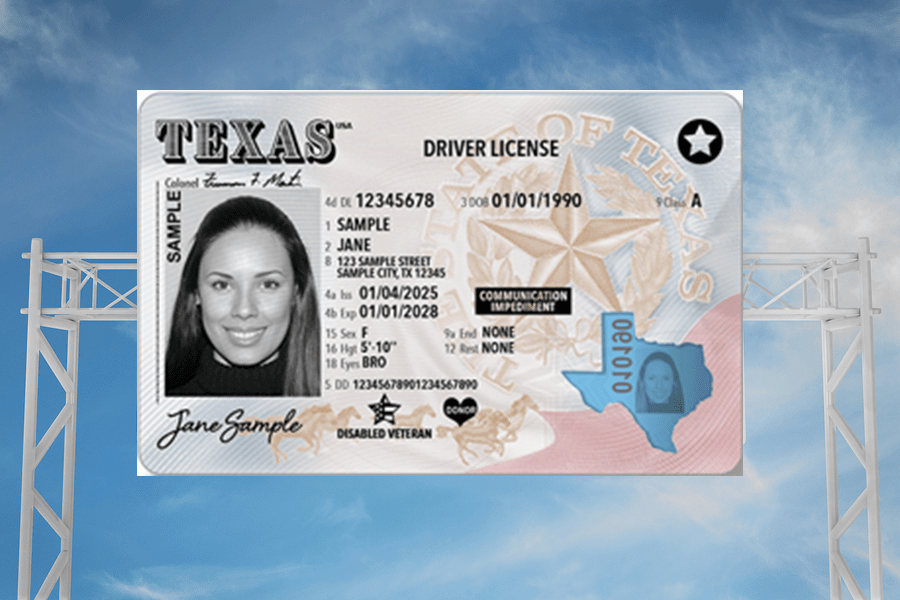
Once you have your CDL, your responsibilities don’t end. You must ensure your CDL and medical certification remain current.
- CDL Renewal: Your Texas CDL needs to be renewed periodically, typically every five years. The renewal process usually involves a vision test and updated medical certification.
- Medical Certification: The Medical Examiner’s Certificate has an expiration date, which can vary depending on your health status but is typically two years. You must submit an updated medical certificate to the Texas DPS before your current one expires to avoid having your CDL downgraded. Failure to maintain a valid medical certification can lead to suspension or cancellation of your CDL.
- Traffic Violations: As a CDL holder, you are held to a higher standard of driving. Serious traffic violations, such as DUI, leaving the scene of an accident, or reckless driving, can lead to severe penalties, including the suspension or revocation of your CDL. It’s crucial to drive safely and responsibly at all times.
The journey to obtaining a CDL in Texas requires dedication, study, and a commitment to safety. By understanding the requirements, preparing thoroughly for the tests, and staying compliant with regulations, you can successfully earn your CDL and begin a rewarding career on the road. Whether your dream is to explore the scenic routes from El Paso to Galveston, or to deliver essential goods across the state, your CDL is the first step toward making it a reality. Enjoy the adventure that comes with driving for a living, and always prioritize safe operations on every trip.