
Navigating the process of obtaining a concealed carry permit in California can appear daunting, especially for those unfamiliar with its legal framework. This guide aims to demystify the requirements and steps involved, offering a clear path for responsible gun owners looking to exercise their right to self-defense while traveling or residing in the Golden State. While California has historically been known for its stringent gun laws, understanding the nuances of the application process is key to a successful outcome.
The core of obtaining a concealed carry permit in California revolves around demonstrating “good cause.” This is a critical differentiator compared to many other states. Historically, California has operated under a “may issue” system, meaning that law enforcement agencies have discretion in deciding whether to grant a permit, even if all other requirements are met. However, significant legal developments, particularly the Supreme Court‘s ruling in New York State Rifle & Pistol Association, Inc. v. Bruen, have begun to reshape this landscape, moving towards a more “shall issue” standard based on constitutional rights. Despite these shifts, understanding the current procedures and documentation remains paramount.
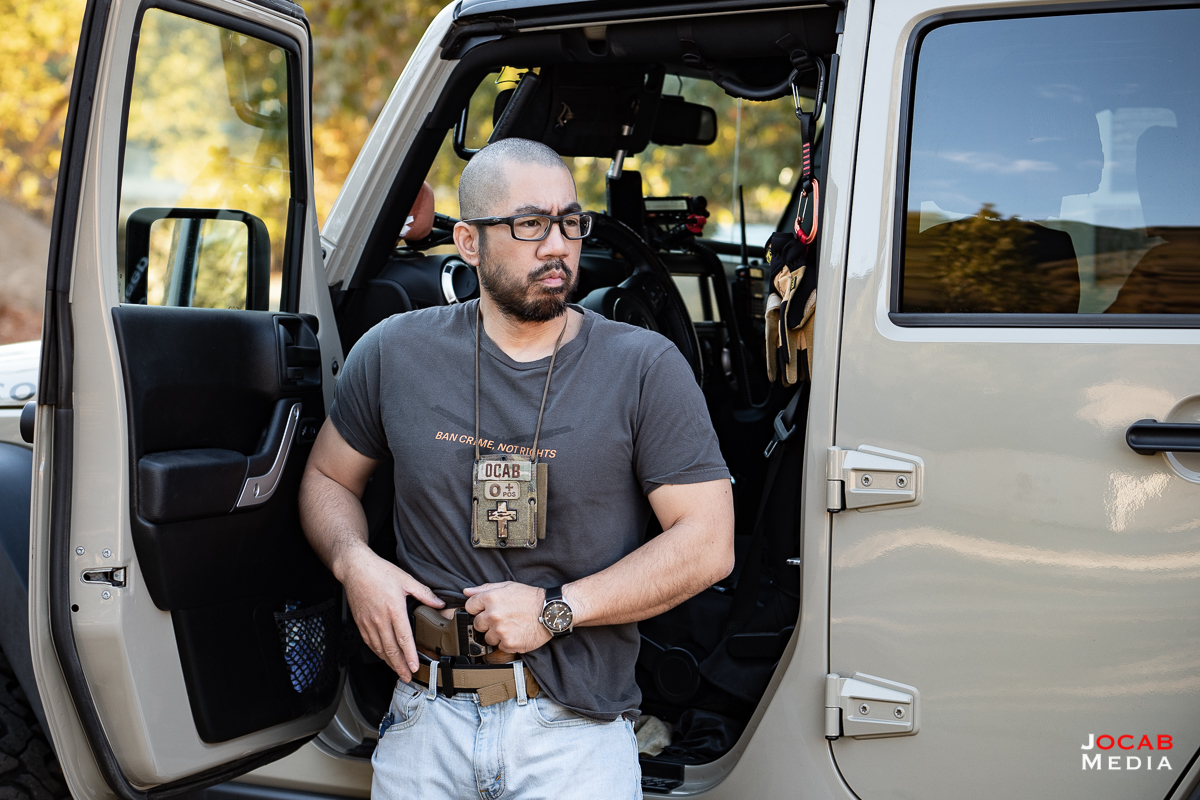
This article will delve into the essential prerequisites, the application process itself, and the critical role of “good cause” in California. We will also touch upon the training and background checks required, providing a comprehensive overview for aspiring permit holders.
Understanding the Legal Landscape and Eligibility Requirements
Before embarking on the application journey, it’s crucial to understand who is eligible to apply for a concealed carry permit in California. The state has specific criteria that applicants must meet to even be considered. These requirements are designed to ensure that permits are issued only to individuals who are deemed responsible and law-abiding.
Age and Residency
To apply for a concealed carry permit in California, you must be at least 21 years old. You also need to be a legal resident of California. This typically means providing proof of residency, such as utility bills, a driver’s license, or rental agreements. For those who are not permanent residents but are stationed in California for military service, specific provisions may apply, but the general rule is established residency.
Criminal History and Background Checks
A clean criminal record is non-negotiable. Applicants will undergo thorough background checks conducted by the Department of Justice and federal agencies. Any felony convictions, certain misdemeanor convictions (such as those involving violence, domestic abuse, or the unlawful use of a controlled substance), or being subject to a domestic violence restraining order will disqualify an applicant. The state aims to prevent firearms from being carried by individuals who pose a risk to public safety. This background check is comprehensive and can extend to past arrests, even if they did not result in a conviction, depending on the nature of the charges.
Mental Health Considerations
California law also prohibits individuals who have been adjudicated as mentally defective or who have been involuntarily committed to a mental institution from possessing firearms or obtaining a concealed carry permit. Applicants may be required to attest to their mental fitness, and past mental health adjudications will result in disqualification.
Firearm Proficiency and Safety Training
A mandatory component of obtaining a concealed carry permit in California is completing a firearms safety course. This course must be conducted by a state-certified instructor and typically covers topics such as firearm safety, marksmanship, legal aspects of self-defense, and the safe handling and storage of firearms. Upon successful completion, applicants will receive a certificate, which must be submitted with their application. The duration and content of these courses are standardized to ensure a baseline level of knowledge and proficiency.
The Concept of “Good Cause”
Perhaps the most significant and historically contentious aspect of obtaining a concealed carry permit in California is the requirement to demonstrate “good cause.” This means applicants must articulate a specific reason for needing a concealed carry permit beyond a general desire for self-defense. While the definition of “good cause” has been subject to interpretation and legal challenges, it generally refers to a substantial and reasonable need for self-protection that distinguishes the applicant from the general public.
Examples of what might be considered “good cause” in the past could include:
- Protection of a profession: Individuals whose jobs expose them to a heightened risk of violence (e.g., armored car guards, certain law enforcement support personnel).
- Specific threats: Documented evidence of credible threats against the applicant’s life or safety, demonstrating a clear and present danger that cannot be otherwise mitigated.
- Carrying of large amounts of cash or valuables: Business owners or employees who regularly handle significant sums of money and can demonstrate a pattern of robberies or threats in their specific business context.
However, as mentioned, the Supreme Court‘s decision in Bruen has significantly altered how “good cause” is viewed. The ruling emphasized that the Second Amendment protects an individual’s right to carry a handgun in public for self-defense, and licensing schemes that require individuals to show a special need are unconstitutional. California is in the process of adapting its laws and regulations to comply with this ruling, which is likely to lead to a more streamlined and less discretionary process for demonstrating need. While the term “good cause” might still be used, its interpretation is expected to align more closely with the fundamental right to self-defense for all law-abiding citizens. It is advisable to consult with local law enforcement or legal counsel for the most up-to-date understanding of this requirement in your specific county.
The Application Process: Step-by-Step
The process for obtaining a concealed carry permit in California involves several distinct stages, each requiring careful attention to detail. While the exact procedures can vary slightly from county to county, the fundamental steps remain consistent.
Step 1: Determine Your Issuing Agency
In California, concealed carry permits are issued by the sheriff’s department or the police department of the city in which you reside. Your first step is to identify the correct agency responsible for permit applications in your locality. You can typically find this information on the official website of your county sheriff or local police department. Many agencies also have dedicated sections or printable application forms available online.
Step 2: Complete the Application Form

The application form is comprehensive and requires detailed personal information, including your name, address, date of birth, physical description, and contact information. You will also be asked to provide information about your firearm(s) that you intend to carry, including the make, model, and serial number.
Crucially, the application will include questions about your criminal history, mental health history, and any history of domestic violence or restraining orders. Be honest and thorough in your responses. Failure to disclose relevant information or providing false information can lead to disqualification and potential legal penalties.
You will also be required to articulate your “good cause” for seeking a permit. As discussed, this section’s importance and specific requirements are evolving. It’s essential to be clear, concise, and provide any supporting documentation that substantiates your stated need.
Step 3: Submit Supporting Documents
Along with the completed application form, you will need to submit several supporting documents. These typically include:
- Proof of Residency: As mentioned earlier, this could be utility bills, lease agreements, or a California driver’s license.
- Firearms Safety Training Certificate: The certificate from your certified firearms safety course.
- Proof of Citizenship or Legal Residency: For example, a US birth certificate or US passport, or US Green Card for legal permanent residents.
- Photographs: Usually passport-style photographs are required.
- Fingerprints: You will be required to provide fingerprints, which are typically taken electronically by the issuing agency or a designated third party.
Step 4: Pay the Application Fees
There are fees associated with applying for a concealed carry permit in California. These fees cover the costs of background checks, fingerprinting, and administrative processing. The exact amount can vary by county, but it’s important to be prepared for these costs. Some agencies may require payment at the time of application submission, while others may collect fees at a later stage in the process.
Step 5: Background Investigation and Interview
Once your application and supporting documents are submitted, the issuing agency will conduct a thorough background investigation. This involves reviewing your criminal history, mental health records, and any other relevant information. You may also be required to attend an interview with a law enforcement officer. This interview is an opportunity for the officer to clarify any information on your application, discuss your reasons for seeking a permit, and assess your suitability.
Step 6: Firearm Qualification (If Applicable)
Depending on the specific county and the evolving legal landscape, you may be required to demonstrate proficiency with the firearm you intend to carry. This often involves a shooting qualification test at a firing range. The requirements for this qualification will be provided by the issuing agency.
Step 7: Permit Issuance or Denial
After all steps are completed and reviewed, the issuing agency will make a decision on your application. If approved, you will be notified to pick up your permit. The permit is typically valid for a specific period (e.g., two years) and will require renewal. If your application is denied, you will be provided with the reasons for the denial. In cases of denial, you may have the right to appeal the decision.
The entire process can take several weeks to several months, depending on the workload of the issuing agency and the complexity of your application. Patience and thoroughness are key to successfully navigating this process.
Maintaining Your Concealed Carry Permit
Obtaining a concealed carry permit is not the end of your responsibilities. California has specific requirements for maintaining the validity of your permit, ensuring that you continue to meet the standards of responsible gun ownership.
Renewal Process
Concealed carry permits in California are not permanent. They typically expire after a set period, usually two years. You will need to apply for renewal before your permit expires to avoid any lapses. The renewal process generally involves:
- Updated Application: You may need to complete a renewal application, which often updates your personal information and requires you to re-affirm certain statements regarding your eligibility.
- Additional Training: In many cases, a refresher course in firearms safety and the legal aspects of carrying a concealed weapon is required for renewal. The content and duration of this renewal training might differ from the initial course.
- Fees: Renewal also comes with associated fees.
- Continued Background Checks: While not always as intensive as the initial check, some level of ongoing background review might be part of the renewal process.
It is crucial to start the renewal process well in advance of your expiration date. Missing the deadline could mean having to reapply from scratch.

Carrying Regulations and Responsibilities
Even with a valid permit, there are specific regulations regarding where and how you can carry a concealed firearm in California. It is your responsibility to be aware of and comply with these laws. Some common restrictions include:
- Prohibited Areas: You cannot carry a concealed firearm in certain locations, such as schools, federal buildings, courthouses, airports (sterile areas), and polling places on election day. There are also restrictions related to carrying firearms while under the influence of alcohol or controlled substances.
- Transportation of Firearms: When transporting firearms in your vehicle, even if concealed and permitted, there are specific rules about how they must be stored and secured.
- Reporting Lost or Stolen Firearms: If your permitted firearm is lost or stolen, you are legally obligated to report it to law enforcement immediately.
Staying informed about California firearm laws is an ongoing responsibility. Ignorance of the law is not a defense. It is recommended to periodically review the California Department of Justice‘s official resources and consult with legal professionals specializing in firearm law to ensure you remain compliant. By understanding and adhering to all regulations, permit holders can responsibly exercise their right to self-defense while contributing to public safety.
LifeOutOfTheBox is a participant in the Amazon Services LLC Associates Program, an affiliate advertising program designed to provide a means for sites to earn advertising fees by advertising and linking to Amazon.com. Amazon, the Amazon logo, AmazonSupply, and the AmazonSupply logo are trademarks of Amazon.com, Inc. or its affiliates. As an Amazon Associate we earn affiliate commissions from qualifying purchases.