
Navigating the Lone Star State, whether you’re a seasoned traveler with a penchant for luxury resorts or a budget-conscious explorer seeking authentic local experiences, often hinges on one crucial piece of documentation: a valid driver’s license. For those new to Texas, or perhaps returning after an extended absence, understanding the process of acquiring this essential permit is paramount. This guide will illuminate the path to obtaining your Texas driver’s license, transforming a potentially daunting administrative task into a manageable step in your Texas adventure. From understanding the various license types to gathering the necessary documents and acing the tests, we’ll cover it all, ensuring your journey through Texas is as smooth as a drive down I-10.
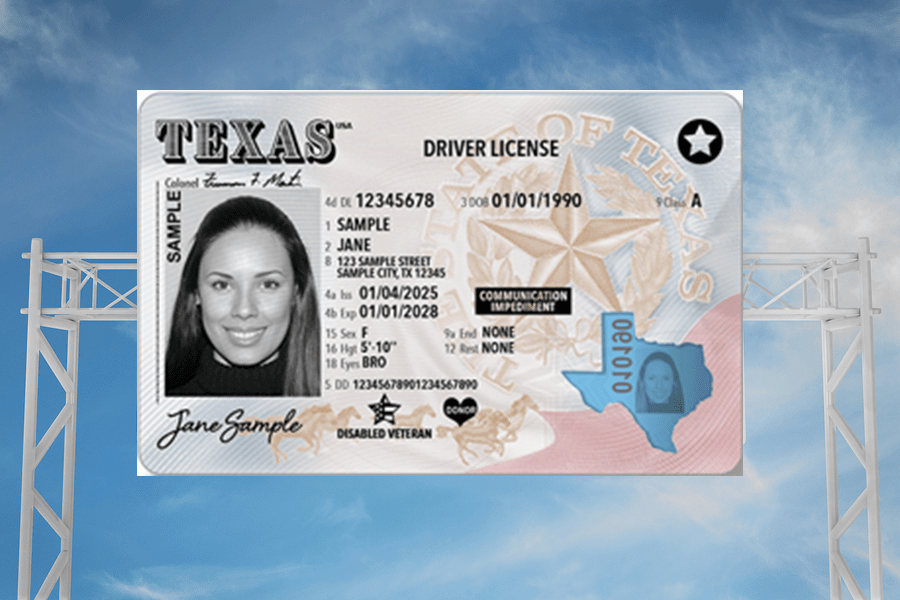
The acquisition of a driver’s license in Texas is a standardized process overseen by the Texas Department of Public Safety (DPS). It’s designed to ensure that all licensed drivers possess the fundamental knowledge and practical skills to operate a vehicle safely. Whether you’re planning a road trip to explore the vibrant culture of San Antonio, a business stay in the bustling metropolis of Dallas, or a leisurely exploration of the natural beauty surrounding Austin, having a Texas driver’s license will unlock a new level of freedom and flexibility in your travels. It allows you to venture off the beaten path, discover hidden gems, and experience the diverse attractions Texas has to offer at your own pace, from the sprawling ranches to the charming coastal towns.
Understanding Texas Driver’s License Requirements
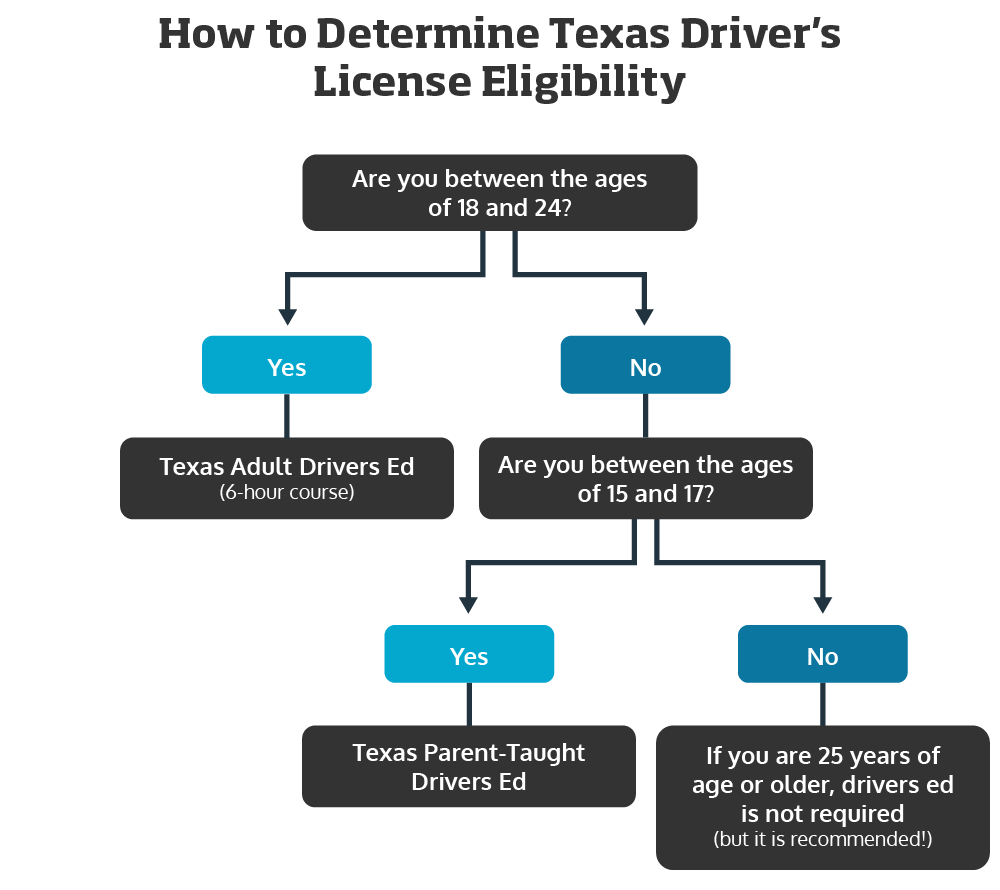
Before embarking on your journey to get a driver’s license, it’s essential to understand the fundamental requirements and eligibility criteria. Texas law mandates that all new residents who wish to drive must obtain a Texas driver’s license within a specified timeframe, typically 30 days of establishing residency. This applies to individuals who are either new to the state or have recently turned 18. For younger aspiring drivers, the process is also clearly defined, with specific provisions for obtaining a learner’s permit and eventually a provisional license.
Eligibility and Age Requirements
The primary eligibility requirement for a Texas driver’s license revolves around age and legal status. For a standard, unrestricted driver’s license, applicants generally must be at least 18 years old. However, the journey to obtaining driving privileges often begins earlier.
-
For applicants under 18 years of age: This is a more involved process, often referred to as the “Graduated Driver License” (GDL) program.
- Instruction Permit (Learner’s Permit): To obtain an instruction permit, an applicant must be at least 15 years old, but under 18. They must also have completed a state-approved driver education program, which includes at least 30 hours of classroom instruction and six hours of behind-the-wheel training. Additionally, a parent or legal guardian must provide consent.
- Provisional Driver’s License: After holding an instruction permit for at least six months and being at least 16 years old, and having completed a supplemental driver education course (if applicable), an applicant can apply for a provisional driver’s license. This license has certain restrictions, such as limitations on nighttime driving and the number of non-family passengers allowed.
- Unrestricted Driver’s License: Upon reaching 18 years of age, and having held a provisional license for at least six months with no traffic violations, a driver is eligible to transition to an unrestricted driver’s license.
-
For applicants 18 years of age and older: This is generally a more straightforward process.
- First-Time Driver’s License: Individuals applying for their first driver’s license at 18 or older will need to complete a Texas Driver Education Certificate (Impact Texas Teen Drivers – ITTD program for those under 25). They will also need to pass the required knowledge and driving tests.
It is crucial to confirm the most current age and program requirements on the official Texas Department of Public Safety website, as regulations can be updated. Understanding these age-specific pathways is the first step in successfully obtaining your Texas driver’s license, enabling you to enjoy all the state’s attractions, from the historical sites in Galveston to the vibrant arts scene in Houston.
Required Documentation: Gathering Your Essentials
The cornerstone of a successful driver’s license application lies in meticulously gathering the required documentation. The Texas DPS has specific requirements to verify your identity, lawful presence in the United States, and Texas residency. Failing to present the correct documents will inevitably lead to delays. It’s advisable to collect these documents well in advance of your appointment to avoid any last-minute rushes.
-
Proof of Identity: You will need one primary document to prove your identity. Acceptable primary documents include:
- A U.S. birth certificate that meets specific requirements (e.g., issued by a U.S. state, territory, or the District of Columbia).
- A valid U.S. passport.
- A Certificate of Citizenship or Certificate of Naturalization.
- A valid permanent resident card.
- A foreign passport with a valid I-94 form and immigration I-551 stamp.
-
Proof of Lawful Presence: This document confirms your legal right to be in the United States. Many of the identity documents listed above also serve as proof of lawful presence.
-
Proof of Texas Residency: You’ll need two different documents to prove you reside in Texas. These documents should be recent, typically dated within the last 60-90 days. Acceptable documents include:
- Utility bills (electricity, gas, water, internet, cable).
- Bank statements.
- Rental or lease agreements.
- Homeowners insurance policy.
- Pay stubs.
- School transcripts or report cards.
-
Social Security Card: You will need to present your original Social Security card. If you do not have a Social Security number, you will need to provide documentation from the Social Security Administration stating you are not eligible for a Social Security number.
-
Texas Driver Education Certificate (for those under 25): If you are under 25, you must have completed a TEA-approved driver education program. You’ll need to present the corresponding certificate, often referred to as the DE-964 or the ITTD certificate. The Impact Texas Teen Drivers (ITTD) program is a mandatory two-hour informational video course that must be completed no more than 90 days before taking the driving test.
-
Proof of Vehicle Registration and Insurance (if applicable): If you own a vehicle, you may need to provide proof of its registration and insurance.
It is highly recommended to visit the official Texas Department of Public Safety website for the most up-to-date and comprehensive list of acceptable documents. Having all your paperwork in order will streamline your visit to the driver’s license office, allowing you to focus on the next crucial steps.
The Application Process: Step-by-Step Guide
Once you have meticulously gathered all your required documentation, the next step is to navigate the actual application process. This typically involves scheduling an appointment, completing the necessary forms, and passing the required tests. Understanding each stage will help you prepare and approach the process with confidence, ensuring you can soon embark on your Texas road trips, from exploring the historic missions of San Antonio to experiencing the unique charm of the Texas Hill Country.
Scheduling an Appointment and Visiting the Driver License Office
The Texas Department of Public Safety (DPS) offers online appointment scheduling for driver license services. It is strongly advised to schedule an appointment in advance, as walk-in services can often involve long wait times, especially in busier urban areas like Houston or Austin. Booking an appointment ensures you have a dedicated time slot, making your visit more efficient.
When you arrive at the driver license office, you will likely need to take a number and wait for your turn. Be prepared for this waiting period, and ensure you have all your documents readily accessible. The DPS staff will guide you through the initial stages of the application.
- Application Form: You will be required to complete a driver’s license application form. This form will ask for personal information, including your name, address, date of birth, and other relevant details. Ensure you fill it out accurately and legibly.
- Vision Test: As part of the process, you will undergo a vision screening to ensure your eyesight meets the minimum standards for driving. If you wear glasses or contact lenses for driving, you will be required to wear them during the test and when driving.
- Photo and Signature: Your photograph will be taken for your driver’s license, and you will be asked to provide your signature.
After completing these initial steps, you will proceed to the testing phase.
Knowledge Test and Driving Test
The Texas driver’s license examination consists of two main components: a knowledge test (also known as the written test) and a driving test (road test). Both tests are designed to assess your understanding of traffic laws and your ability to operate a vehicle safely.
-
Knowledge Test: This test assesses your understanding of traffic laws, road signs, and safe driving practices. It is typically administered on a computer or tablet at the driver license office. The test consists of multiple-choice questions. You will need to answer a certain percentage correctly to pass. It is crucial to study the official Texas Driver Handbook, which is available online on the Texas Department of Public Safety website. This handbook is your primary resource for preparing for the knowledge test. Familiarize yourself with topics such as speed limits, right-of-way rules, parking regulations, and emergency procedures.
-
Driving Test: This is the practical assessment of your driving skills. You will need to demonstrate your ability to operate a vehicle safely in various driving conditions and maneuvers. You will typically need to provide a vehicle that is properly registered, insured, and in good working condition for the road test. The examiner will assess your skills in areas such as:
- Starting and stopping the vehicle.
- Steering and lane changes.
- Backing up and parking (including parallel parking).
- Following traffic signals and signs.
- Yielding the right-of-way.
- Observing your surroundings and using your mirrors.
If you are applying for a provisional license (under 18), you must have completed the ITTD program and have a certification indicating its completion. For all applicants under 25, the ITTD program is mandatory before taking the driving test.
Upon successfully passing both the knowledge and driving tests, you will be issued a temporary driver’s license, and your permanent Texas driver’s license will be mailed to you within a few weeks. This license will be your key to unlocking the diverse landscapes and vibrant cities of Texas, from the art deco architecture of Miami (if you were traveling to Florida) to the unique culinary experiences found throughout the state.
Special Considerations for New Residents and International Drivers
For those new to the state, or individuals with driving experience from another country, the process of obtaining a Texas driver’s license might have a few additional considerations. Understanding these nuances can help ensure a smoother transition into Texas driving culture.
-
New Residents: As mentioned earlier, new residents are generally required to obtain a Texas driver’s license within 30 days of establishing residency. You will still need to follow the standard application process, including providing proof of identity, lawful presence, and Texas residency. If you hold a valid driver’s license from another U.S. state, you may be exempt from the knowledge and driving tests, but you will still need to complete the application process, provide required documentation, and potentially pass a vision test.
-
International Drivers: Individuals holding a valid driver’s license from a foreign country may be able to drive in Texas for a limited period, usually up to one year, provided they have their foreign license and an International Driving Permit (IDP), if applicable. However, to legally reside and drive in Texas long-term, they must obtain a Texas driver’s license. The process for international drivers often involves presenting their foreign license, passport, visa, and I-94 form, along with proof of residency. They will likely need to pass the knowledge and driving tests, and potentially have their foreign license translated if it’s not in English. It is essential for international drivers to verify the specific requirements for their situation with the Texas Department of Public Safety. This ensures they can confidently explore iconic landmarks like the Alamo or enjoy the natural wonders of Big Bend National Park.
Successfully obtaining your Texas driver’s license is a significant step towards fully experiencing all that the Lone Star State has to offer, from its rich history and diverse culture to its breathtaking landscapes. Whether you plan to stay in a luxurious resort in Austin, explore the culinary delights of San Antonio, or simply enjoy the freedom of the open road, your Texas driver’s license is your passport to adventure. Remember to consult the official Texas Department of Public Safety website for the most current information and specific requirements. Safe travels!
LifeOutOfTheBox is a participant in the Amazon Services LLC Associates Program, an affiliate advertising program designed to provide a means for sites to earn advertising fees by advertising and linking to Amazon.com. Amazon, the Amazon logo, AmazonSupply, and the AmazonSupply logo are trademarks of Amazon.com, Inc. or its affiliates. As an Amazon Associate we earn affiliate commissions from qualifying purchases.