
Obtaining a driver’s permit in California is a foundational step for anyone aspiring to navigate the Golden State’s vast network of highways and byways. This permit, officially known as a Provisional Instruction Permit for drivers under 18 or an Instruction Permit for those 18 and older, signifies that an individual has met the initial requirements to learn how to drive under supervision. This process is not merely a bureaucratic hurdle; it’s a gateway to independence, offering the freedom to explore the diverse landscapes, from the bustling streets of Los Angeles to the serene coastlines of Big Sur, and the vibrant cultural hubs of San Francisco. Understanding the requirements and steps involved is crucial for a smooth and successful application.
Eligibility and Prerequisites
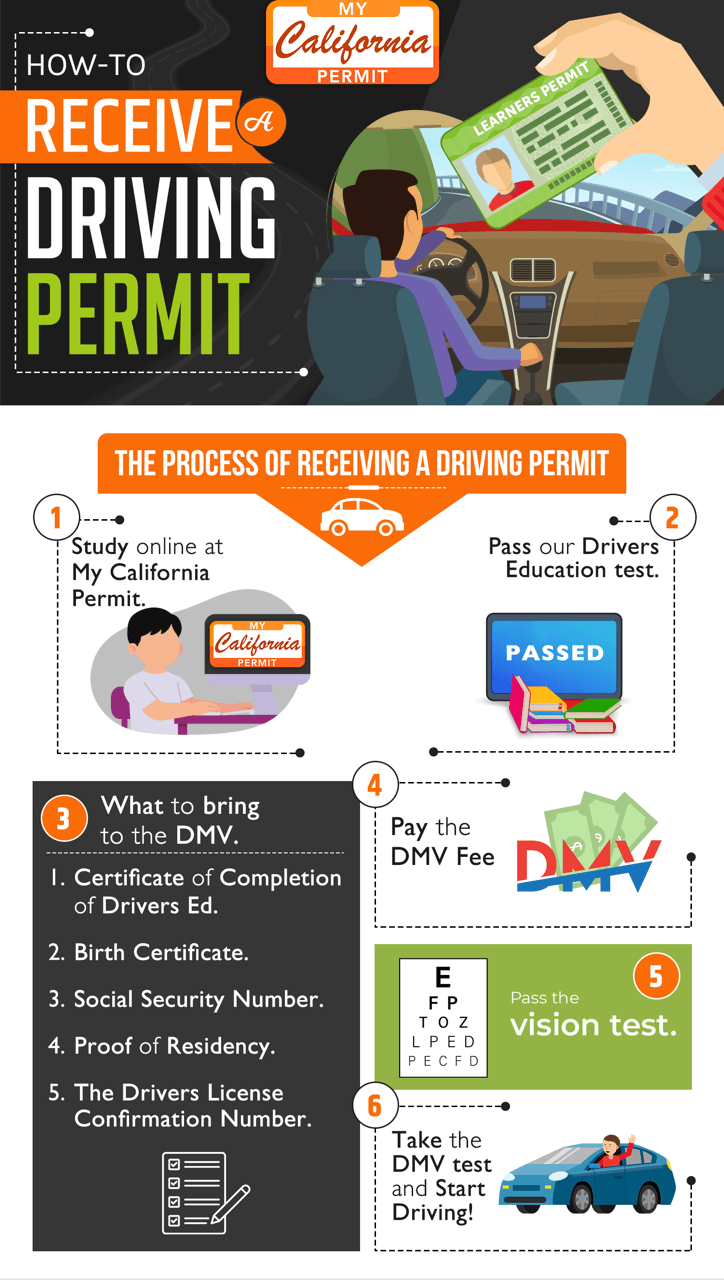
Before embarking on the journey to obtain your California driver’s permit, it’s essential to confirm your eligibility and gather the necessary documentation. The requirements vary slightly depending on your age, but the core principles remain consistent: proof of identity, residency, and legal presence, along with passing vision and knowledge tests. For young drivers, the process also includes specific graduated driver licensing (GDL) requirements designed to ensure a safe and gradual introduction to driving.
Age Requirements and GDL for Minors
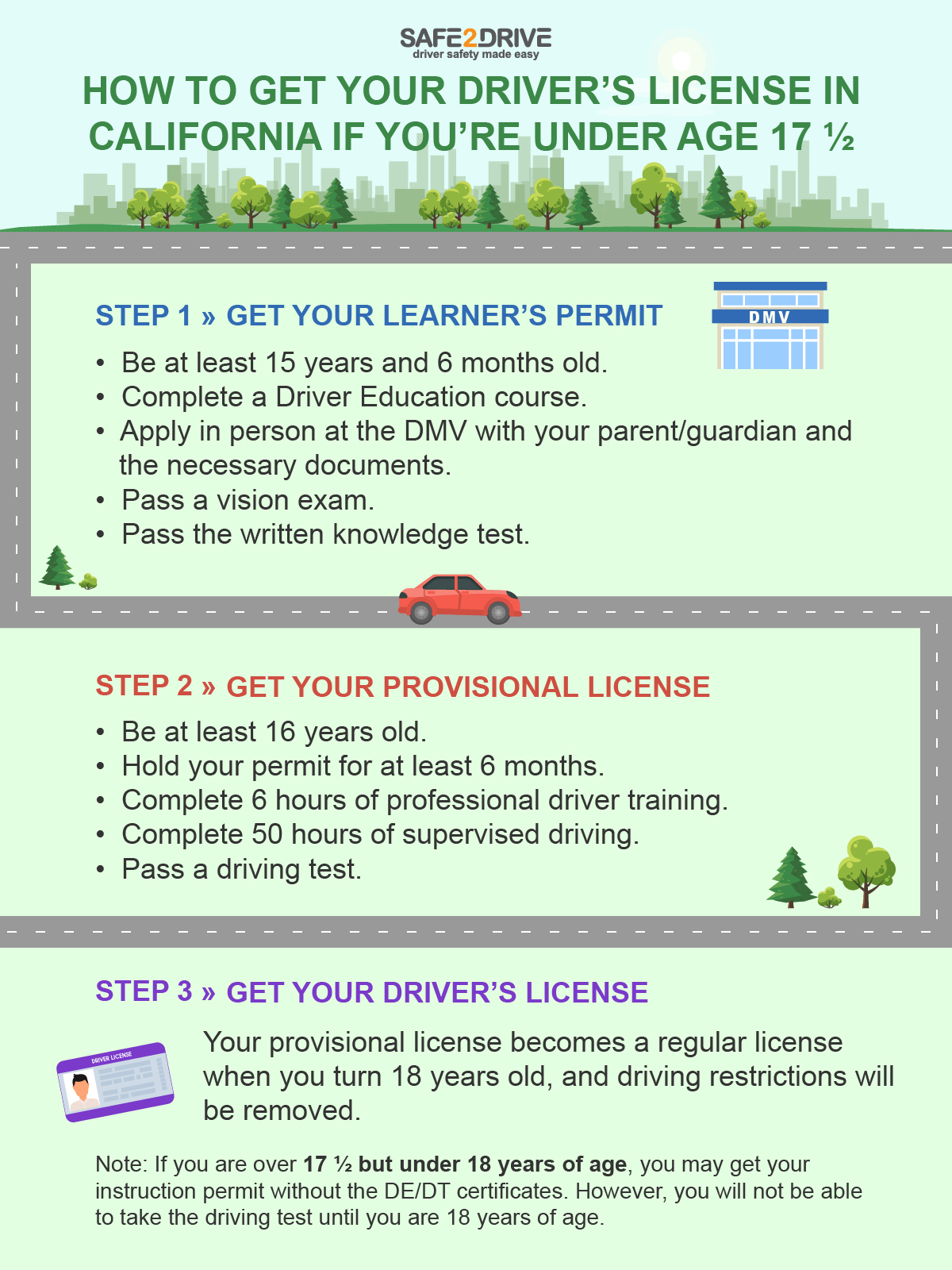
For individuals under 18 years of age, California operates under a Graduated Driver Licensing (GDL) program. This program is meticulously designed to provide young drivers with a structured learning experience, progressively introducing them to more complex driving scenarios as they gain experience.
-
Provisional Instruction Permit (Under 18): To be eligible for a provisional instruction permit, applicants must be at least 15 ½ years old but under 18. This permit allows them to drive with a licensed adult 25 years or older, who occupies the passenger seat. The journey to this permit begins with completing a driver education course, which can be done through an accredited high school or an approved commercial driving school. Upon completion of the course, you will receive a certificate of completion.
-
Driver Education: The driver education component typically covers traffic laws, safe driving practices, and the responsibilities of a licensed driver. It’s a crucial academic phase that lays the groundwork for practical driving skills.
-
Supervised Practice: Once the provisional permit is issued, new drivers must complete 50 hours of supervised behind-the-wheel practice, with at least 10 of those hours occurring at night. This supervised practice is vital for developing confidence and proficiency in various driving conditions.
Requirements for Adults (18 and Older)
For applicants who are 18 years of age or older, the process is more streamlined, focusing on demonstrating knowledge and physical ability to drive safely.
-
Instruction Permit (18 and Older): Individuals 18 and older can apply for an instruction permit without needing to complete a formal driver education course, although it is highly recommended. They can practice driving with a licensed California driver who is at least 18 years old and occupies the passenger seat.
-
No Age Limit for Learning: California does not have an upper age limit for obtaining a driver’s license, making it accessible for individuals of all ages to learn to drive.
The Application Process: Step-by-Step Guide
Navigating the application process for a driver’s permit in California involves several key steps, from gathering necessary documents to passing required tests. The California Department of Motor Vehicles (DMV) oversees this process, ensuring all applicants meet the state’s standards for safe driving.
Gathering Required Documents
The first crucial step is to assemble all the necessary documentation. Having these readily available will significantly expedite your visit to the DMV.
- Proof of Identity: You will need to provide proof of your identity. Accepted documents include a certified copy of your birth certificate, a U.S. passport, or an alien registration card.
- Proof of Social Security Number (SSN): A Social Security card or other official documents showing your SSN are required.
- Proof of California Residency: Two different documents proving you live in California are needed. Examples include utility bills, rental agreements, or bank statements. Ensure these documents have your name and current California address.
- Proof of Legal Presence: For non-U.S. citizens, documentation proving your legal presence in the United States is mandatory. This could include an employment authorization card or a valid foreign passport with an I-94 form.
- Driver Education Certificate (for minors): As mentioned earlier, if you are under 18, you must present your Certificate of Completion for a driver education course.
Completing the Application Form and Online Services
The application itself is completed using the DMV’s DL 44/eDL 44 form. It is highly recommended to complete this form online in advance to save time at the DMV office.
- Online Pre-Application: The DMV encourages applicants to start their application online. This pre-filling of information can streamline the in-person process. You will receive a confirmation code upon completion, which you should bring with you.
- The DL 44/eDL 44 Form: This is the official application for a driver’s license or permit. It requires detailed personal information, including your name, address, date of birth, and answers to questions about your driving history and physical health.
The DMV Visit: Tests and Fees
Once you have your documents and application ready, the next step is to schedule an appointment at your local DMV office.
- Appointment Scheduling: While walk-ins are sometimes accommodated, scheduling an appointment online or by phone is strongly advised to minimize wait times.
- Vision Test: Upon arrival, you will undergo a vision screening to ensure your eyesight meets the minimum requirements for driving. If you wear corrective lenses, bring them with you.
- Knowledge Test: This is a computer-based multiple-choice test covering California traffic laws, road signs, and safe driving practices. You must pass this test to obtain your permit. Studying the California Driver Handbook is essential preparation. The handbook is available on the DMV website and covers all the material on the knowledge test.
- Thumbprint and Photograph: You will have your thumbprint taken and a photograph taken for your official permit.
- Fees: There is a non-refundable application fee required. The current fee structure can be found on the DMV website. This fee covers the application, knowledge test, and the permit itself.
Passing the Knowledge Test and Next Steps
Successfully passing the knowledge test is a significant milestone. It signifies that you have demonstrated a sufficient understanding of the rules of the road to begin supervised driving practice.
Studying for the Knowledge Test
Thorough preparation is key to passing the knowledge test. The California Driver Handbook is the primary resource.
- The California Driver Handbook: This comprehensive guide contains all the information you need to pass the knowledge test. It covers traffic laws, safe driving techniques, road signs, and vehicle operation. It is available for free download from the DMV website or can be obtained in print at any DMV office.
- Practice Tests: Many online resources and apps offer practice knowledge tests that simulate the actual DMV exam. These can help you identify areas where you need further study and familiarize yourself with the test format.
What to Do After Passing
Once you have successfully passed the knowledge test and completed all other requirements, the DMV will issue your provisional instruction permit (if under 18) or instruction permit (if 18 or older). This permit is your license to begin the practical aspect of learning to drive.
- Supervised Driving: Remember, your permit is for learning. You must always drive with a licensed driver who meets the age and seating requirements specified by the DMV. For those under 18, this is a licensed adult 25 or older. For those 18 and older, it’s a licensed adult 18 or older.
- Holding Period (for minors): Drivers under 18 must hold their provisional instruction permit for a minimum of six months before they can apply for a provisional driver’s license. This period is crucial for gaining sufficient driving experience.
- Next Steps Towards a Full License: After meeting the supervised driving hours, completing driver training (if required), and passing the behind-the-wheel driving test, you will be eligible to receive your full driver’s license. The specific requirements for the provisional driver’s license for minors are detailed on the DMV website and are part of the GDL program.
Maintaining Your Permit and Progressing to a License
Holding a driver’s permit is a temporary stage, a stepping stone towards the ultimate goal of obtaining a full driver’s license. Understanding the rules and requirements for maintaining your permit and progressing to the next phase is vital for a successful driving journey in California.
Rules and Restrictions for Permit Holders
It is imperative for all permit holders to adhere strictly to the rules and restrictions associated with their permit. Violations can lead to delays in obtaining a full license or even suspension of driving privileges.
- Supervision is Key: The most critical rule is that you must always be accompanied by a qualified supervising driver. Driving alone, even for short distances, is a serious offense. The supervising driver must be awake, alert, and in a position to take control of the vehicle if necessary.
- Night Driving Restrictions (for minors): For provisional permit holders under 18, there are specific restrictions on driving at night. For the first 12 months of holding the provisional permit, they cannot drive between 11 p.m. and 5 a.m. Exceptions exist for employment, education, or medical necessity, but these require documentation.
- Passenger Restrictions (for minors): During the first 12 months of holding a provisional permit, a minor driver cannot transport passengers under 20 years of age unless accompanied by a licensed parent, guardian, instructor, or other qualified adult 25 years or older.
Preparing for the Behind-the-Wheel Driving Test
The behind-the-wheel driving test is the final practical assessment of your driving abilities. Adequate preparation will boost your confidence and increase your chances of passing.
- Practice, Practice, Practice: Consistent practice in various driving conditions – city streets, highways, and nighttime driving – is essential. Familiarize yourself with the types of maneuvers you might encounter during the test, such as parking, lane changes, and three-point turns.
- Understand the Test Route: While DMV test routes can vary, understanding common routes and driving challenges in your local area can be beneficial.
- Vehicle Readiness: Ensure the vehicle you use for the test is in good working order, with functioning headlights, taillights, brake lights, turn signals, and a clean windshield. The DMV examiner will conduct a pre-test vehicle check.
- Know the Scoring: Familiarize yourself with how the driving test is scored. The examiner will be looking for safe driving habits, adherence to traffic laws, and proper vehicle control.
Transitioning to a Full Driver’s License
Upon successfully completing all requirements, including the behind-the-wheel test, you will be eligible to transition from a permit holder to a fully licensed driver.
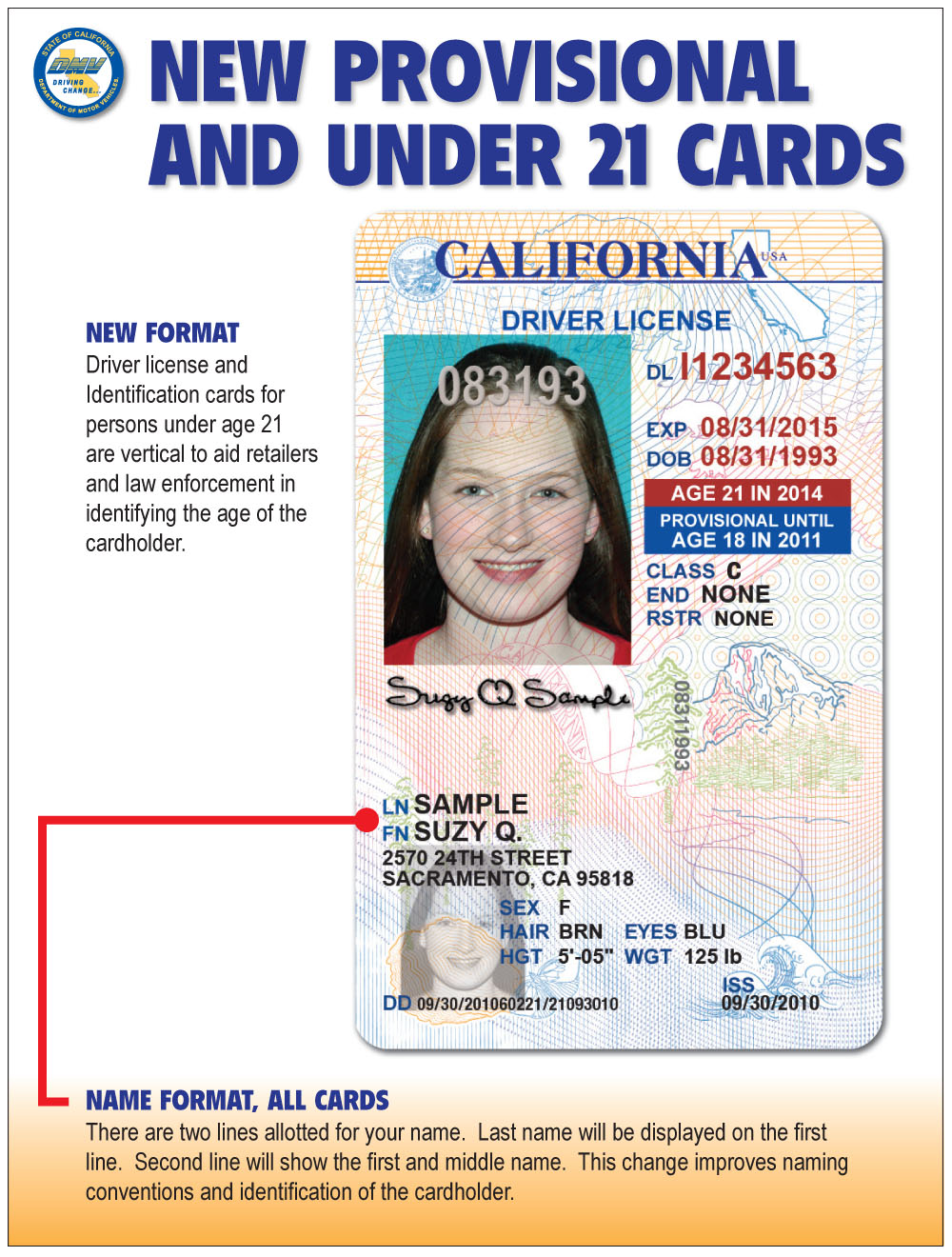
- Provisional License (Under 18): Once you have held your provisional instruction permit for at least six months, completed 50 hours of supervised driving (10 at night), and passed your behind-the-wheel test, you will be issued a provisional driver’s license. This license still carries some restrictions until you turn 18.
- Full License (18 and Older): For those 18 and older, after passing the behind-the-wheel test, you will receive a standard California driver’s license. The restrictions associated with the instruction permit are lifted.
Obtaining a driver’s permit in California is a structured process designed to ensure that new drivers are well-prepared and safe on the road. By understanding the eligibility criteria, diligently gathering documents, preparing thoroughly for the tests, and adhering to all permit restrictions, aspiring drivers can confidently navigate their way to obtaining their driver’s license and enjoying the freedom of the open road.
LifeOutOfTheBox is a participant in the Amazon Services LLC Associates Program, an affiliate advertising program designed to provide a means for sites to earn advertising fees by advertising and linking to Amazon.com. Amazon, the Amazon logo, AmazonSupply, and the AmazonSupply logo are trademarks of Amazon.com, Inc. or its affiliates. As an Amazon Associate we earn affiliate commissions from qualifying purchases.