
Navigating California, a state renowned for its diverse landscapes, iconic attractions, and vibrant cities, can be an enriching experience for everyone. For individuals with disabilities, ensuring accessibility is paramount to fully enjoying all that the Golden State has to offer. A crucial element of this accessibility is the ability to secure convenient parking, and this is where a handicap parking permit, officially known as a disabled person parking placard or disabled veteran’s license plate, comes into play. Obtaining one of these permits in California is a straightforward process designed to facilitate easier access to essential services, entertainment venues, and everyday destinations. Whether you’re a resident planning a trip to the Disneyland Resort or a visitor looking to explore the wonders of Yosemite National Park, understanding how to obtain this permit is key to a smoother journey. This comprehensive guide will walk you through the requirements, application process, and usage of handicap parking permits in California, ensuring you can make the most of your travels and daily life.

The California Department of Motor Vehicles (DMV) oversees the issuance of these permits, which grant holders the privilege of parking in designated disabled person parking spaces. These spaces are strategically located in parking lots and on streets throughout the state, providing proximity to building entrances and reducing the physical strain associated with parking. The permit system is designed to benefit individuals with mobility impairments, chronic illnesses, or other conditions that significantly limit their ability to walk. By making parking more accessible, California aims to foster greater independence and inclusivity for its disabled residents and visitors alike.
Understanding Eligibility and Permit Types
Before embarking on the application process, it’s essential to understand who is eligible for a handicap parking permit in California and the different types of permits available. The primary criterion for eligibility is having a qualifying disability, as defined by California law. This typically includes individuals who have a significant impairment in their ability to walk, are blind, have a heart condition, have a lung disease, or have a specific health condition that limits their ability to walk or requires the use of a wheelchair, cane, crutches, or other assistive device. The specific medical conditions recognized are detailed by the California DMV.
There are two main types of permits issued: temporary placards and permanent placards. Temporary placards are issued for a period of up to six months and are intended for individuals with temporary disabilities, such as those recovering from surgery or a temporary medical condition. Permanent placards are issued to individuals with long-term disabilities and do not have an expiration date for the placard itself; however, the application must be renewed periodically.
In addition to placards, disabled veterans may be eligible for specially designated disabled veteran license plates for their vehicles. These plates serve the same purpose as a placard, granting access to disabled parking spaces, and are issued by the DMV upon proof of veteran status and a qualifying disability.
Qualifying Disabilities and Medical Verification
The definition of a qualifying disability is crucial for determining eligibility. The California Vehicle Code outlines the specific conditions that qualify an individual for a disabled person parking permit. These include, but are not limited to:
- Mobility Impairments: Conditions that significantly limit a person’s ability to walk, such as arthritis, neurological disorders, amputations, or spinal cord injuries.
- Respiratory Diseases: Conditions that limit lung capacity, such as emphysema or chronic obstructive pulmonary disease (COPD).
- Cardiovascular Diseases: Conditions that limit heart function, such as congestive heart failure or coronary artery disease.
- Blindness: Legal blindness as defined by the state.
- Other Disabilities: Any other medical condition that, as certified by a licensed medical professional, makes it impossible or unsafe for the person to walk 200 feet without assistance.
To obtain a handicap parking permit, a medical professional must certify the applicant’s disability. This certification is a critical part of the application process and requires a visit to a licensed physician, surgeon, chiropractor, optometrist, or podiatrist who is registered with the California Board of Podiatric Medicine. The medical professional will need to complete a portion of the Disabled Person, Blind, or Disabled Veteran (DMV 215) form, attesting to the applicant’s condition and its impact on their mobility or health. It is important to ensure that the medical professional you consult is authorized to sign the form.
Types of Permits and Their Validity
As mentioned, California offers different types of permits to accommodate various needs:
- Disabled Person Placard (Blue): This is the most common type of placard, issued to individuals with long-term disabilities. It is typically valid for two years and must be renewed. The placard is designed to be hung from the rearview mirror when parked in a disabled space.
- Disabled Veteran Placard (Red): This placard is specifically for disabled veterans who have been issued disabled veteran license plates. It also offers the same parking privileges.
- Temporary Placard (Valid for up to 6 months): For individuals with temporary disabilities, such as those recovering from surgery or a serious injury, a temporary placard can be obtained. This placard also requires medical certification but is issued for a shorter duration. Renewal of a temporary placard requires a new application and medical certification.
- Disabled Person License Plates: In lieu of a placard, eligible individuals can apply for disabled person license plates for their vehicles. These plates have a disabled person symbol and grant the same parking privileges.
The validity period of each permit varies. Permanent placards and disabled person license plates are subject to renewal requirements, typically every two years for placards. Temporary placards expire after six months. It is the responsibility of the permit holder to ensure their placard or plates are current and to renew them before expiration to continue enjoying the parking privileges.
The Application Process: Step-by-Step
Applying for a handicap parking permit in California involves a few key steps, primarily centered around completing the necessary application form and providing medical certification. Understanding this process ensures a smooth and efficient experience.
Step 1: Obtain the Application Form (DMV 215)
The primary document required for applying for a handicap parking permit is the Disabled Person, Blind, or Disabled Veteran (DMV 215) form. This form can be downloaded from the California DMV website, or you can pick up a copy at any local DMV field office. It is also often available from medical offices that assist patients with these applications. The form has several sections that need to be completed accurately.
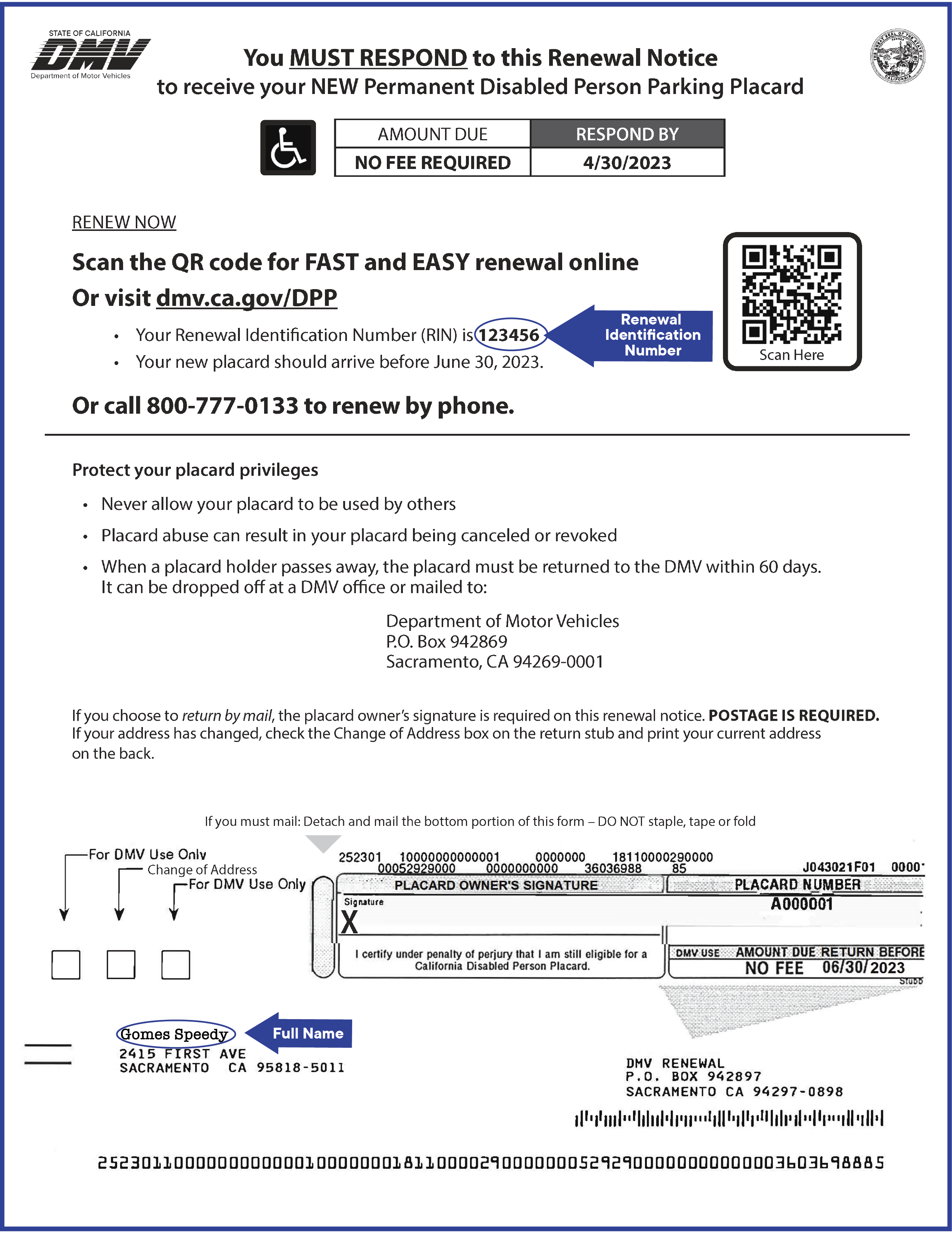
Step 2: Complete the Applicant Section
The applicant must fill out their personal information, including their full name, address, date of birth, and driver’s license or identification card number. If the applicant is applying for a placard for someone else, such as a minor or an elderly individual, they will need to provide their own information as well, along with the individual for whom the permit is being requested. This section also requires the applicant to indicate the type of permit they are applying for (permanent, temporary, or disabled veteran license plates).
Step 3: Medical Certification
This is arguably the most critical step. A licensed medical professional must complete the medical certification section of the DMV 215 form. As previously mentioned, this can be a physician, surgeon, chiropractor, optometrist, or podiatrist. The medical professional will need to diagnose the condition, describe its impact on the applicant’s mobility or health, and certify that the applicant meets the state’s criteria for a disability. The medical professional must sign and date the form. It’s important to remember that optometrists can only certify blindness as a qualifying condition.
Step 4: Submit the Application
Once the DMV 215 form is fully completed and signed by both the applicant and the medical professional, it can be submitted. Applications can be submitted in person at any California DMV field office or by mail. If submitting by mail, ensure you send the original completed form to the address specified on the form or on the DMV website. There is typically no fee for obtaining a placard or disabled person license plates, although replacement placards may incur a small fee.
Step 5: Receive Your Permit
After the application is processed and approved, your handicap parking permit will be issued. If you applied in person, you may receive your placard on the spot. If you applied by mail or for license plates, you will receive them via mail within a few weeks. It’s important to keep your placard in a safe place and to be aware of its expiration date.
Using Your Handicap Parking Permit Responsibly
Once you have obtained your handicap parking permit, it’s essential to use it responsibly and in accordance with California law. Misuse of these permits can result in significant fines and penalties.
Proper Display of the Placard
The disabled person placard must be displayed in the vehicle whenever it is parked in a designated disabled person parking space. The placard should be hung from the rearview mirror. When the vehicle is in motion, the placard should be stored out of sight. Failure to display the placard correctly can lead to a parking citation. If you have disabled person license plates, no additional placard is needed for parking.
Parking Privileges and Restrictions
Handicap parking permits grant the holder the right to park in spaces designated with the international symbol of access. These spaces are usually located closest to building entrances, making access easier. However, it’s important to be aware of specific parking regulations:
- Time Limits: Some disabled parking spaces may have time limits posted. Always adhere to these posted signs.
- Street Parking: In many areas, disabled person license plates or placards allow for free metered parking and an exemption from time limits in certain zones. However, these regulations can vary by city and county, so it’s advisable to check local ordinances.
- No Parking Zones: Handicap parking privileges do not permit parking in red zones, fire lanes, or other areas where parking is explicitly prohibited for safety or access reasons.
- Personal Use: The placard or license plates are intended for the sole use of the individual to whom they are issued or for whom they are registered. It is illegal for anyone else to use the permit to park in disabled spaces.

Penalties for Misuse
The misuse of handicap parking permits is taken very seriously in California. Individuals who use a placard or plates without being the authorized holder, or who use an expired permit, can face substantial penalties. These penalties can include:
- Fines: Fines for illegal parking in disabled spaces or misuse of permits can be significant, often ranging from several hundred to thousands of dollars.
- Confiscation of Permit: The placard or license plates can be confiscated by law enforcement.
- Legal Consequences: In cases of repeated or fraudulent misuse, individuals may face more severe legal consequences.
It is crucial to ensure that your permit is always valid and that you are the person to whom it was issued before utilizing disabled parking spaces. If your circumstances change and you no longer qualify for a permit, you are required to return it to the California DMV.
By understanding and adhering to these guidelines, individuals can confidently and responsibly utilize their handicap parking permits in California, ensuring a more accessible and enjoyable experience whether visiting the Griffith Observatory in Los Angeles or enjoying the beaches of San Diego.
LifeOutOfTheBox is a participant in the Amazon Services LLC Associates Program, an affiliate advertising program designed to provide a means for sites to earn advertising fees by advertising and linking to Amazon.com. Amazon, the Amazon logo, AmazonSupply, and the AmazonSupply logo are trademarks of Amazon.com, Inc. or its affiliates. As an Amazon Associate we earn affiliate commissions from qualifying purchases.