
Embarking on a career that takes you across the expansive landscapes of Texas and beyond, whether it’s behind the wheel of a luxury tour coach, a vital shuttle for a premier resort, or a specialized vehicle transporting goods for the hospitality industry, often requires one crucial credential: a Commercial Driver’s License (CDL). For those with a passion for travel, a love for the open road, and an ambition to contribute to the vibrant tourism and accommodation sectors, obtaining a CDL in Texas opens a world of possibilities. This guide delves into the process, highlighting why this license is an invaluable asset for professionals navigating the dynamic world of travel and lifestyle careers.
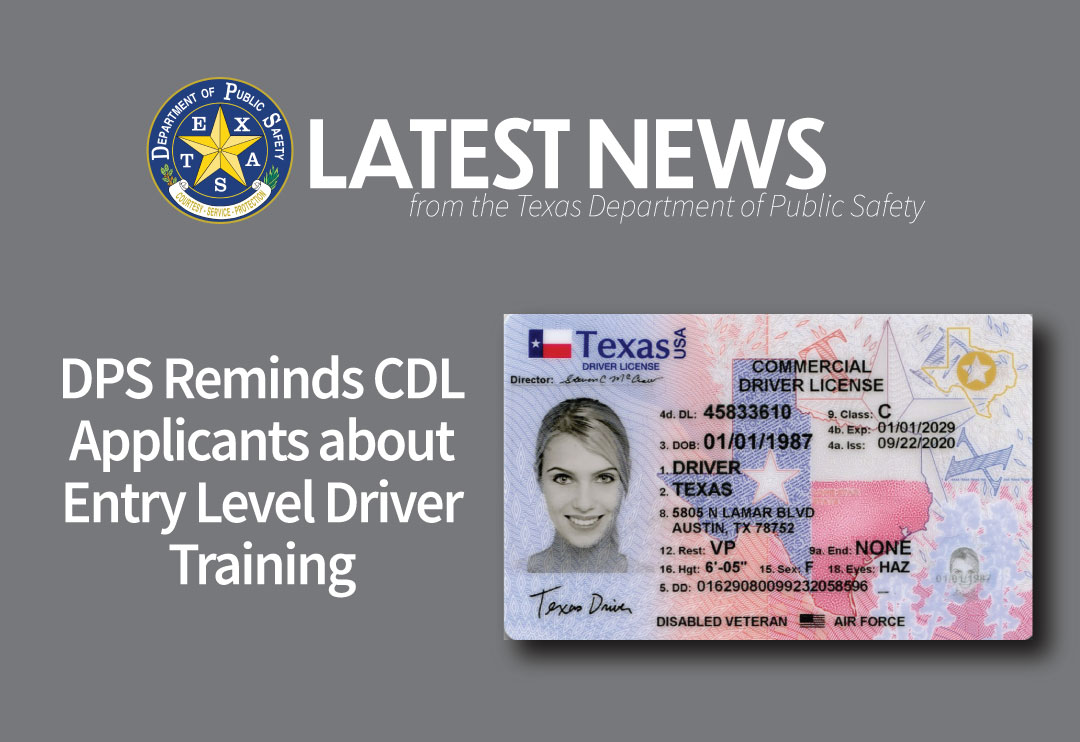
The journey to acquiring a CDL in Texas is more than just about passing tests; it’s about preparing for a demanding and rewarding profession that underpins much of the travel and leisure industry. From ensuring tourists arrive safely at destinations like Big Bend National Park or the San Antonio Riverwalk, to delivering essential supplies to bustling hotels in Dallas or Houston, CDL holders are the silent enablers of unforgettable experiences. For many, a CDL represents not just a job, but a lifestyle – one that combines the thrill of travel with the stability of a professional driving career. Understanding the specific requirements, preparation strategies, and career pathways available in Texas is the first step towards unlocking this exciting future.
Why a CDL is a Game-Changer for Travel and Tourism Professionals
In the diverse realm of travel and tourism, a Commercial Driver’s License isn’t merely a piece of paper; it’s a passport to specialized roles that are integral to the industry’s smooth operation. From the sprawling urban centers like Austin to the serene coastal beauty of South Padre Island, professionals with a CDL are highly sought after. They play a critical role in facilitating guest experiences, managing crucial logistics, and upholding the high standards expected in luxury travel and hospitality.
Driving Guests and Experiences: Tour Buses and Luxury Coaches
Imagine guiding a group of eager tourists through the historic streets of San Antonio, providing commentary as you navigate a comfortable, state-of-the-art coach. Or perhaps transporting VIP guests between Dallas Love Field Airport and a five-star resort in Plano. These are just a few examples of the roles that a CDL enables. Tour bus operators and luxury coach drivers are often the first and last point of contact for travelers, setting the tone for their entire trip. They require not only superior driving skills but also excellent customer service, a deep knowledge of destinations, and the ability to handle diverse situations with professionalism and calm. A CDL, particularly a Class A or B with passenger endorsements, is indispensable for these positions, ensuring that drivers are qualified to operate large vehicles safely and efficiently, often across long distances and varying terrains found throughout Texas. These drivers don’t just transport; they curate experiences, connecting travelers with the rich culture and natural beauty that states like Texas offer, from the rugged west Texas desert to the vibrant Gulf Coast.
Logistical Backbone: Supporting Resorts and Hospitality Operations
Beyond direct guest transport, CDL holders are vital to the logistical fabric of the hospitality industry. Major hotels, resorts, and convention centers, especially in bustling cities like Houston or Fort Worth, rely on commercial drivers for a multitude of tasks. This can include operating shuttle services for guests, delivering essential supplies – from linens and food to specialized event equipment – and even managing mobile hospitality units for outdoor events or remote luxury experiences. For instance, a high-end resort in the Texas Hill Country might need a Class B CDL holder to drive a large catering truck to an off-site wedding venue, ensuring everything arrives perfectly. Similarly, a resort near Guadalupe Mountains National Park might require a CDL for transporting specialized adventure gear or larger maintenance vehicles. These roles demand precision, reliability, and a keen understanding of operational efficiency, all underpinned by the formal training and certification that a CDL provides. The license signifies a driver’s capability to handle larger vehicles responsibly, making them invaluable assets in maintaining the seamless flow of goods and services that elevate the guest experience.

Navigating the Texas CDL Application Process
Obtaining a Commercial Driver’s License in Texas is a structured process designed to ensure that all commercial vehicle operators possess the necessary knowledge and skills to drive safely. The journey involves meeting specific eligibility criteria, thorough preparation for both written and practical exams, and a commitment to understanding the regulations set forth by the Texas Department of Public Safety (DPS) and the Federal Motor Carrier Safety Administration (FMCSA). It’s a rigorous path, but one that leads to a highly respected and essential professional qualification.
Eligibility Requirements for Aspiring Texas CDL Holders
Before you can even think about getting behind the wheel of a commercial vehicle, there are fundamental requirements that must be met. In Texas, applicants must be at least 18 years old to drive commercial motor vehicles within state lines, and 21 years old to drive across state lines (interstate commerce), transport hazardous materials, or operate passenger vehicles. A valid, non-commercial Texas driver’s license is a prerequisite. Furthermore, applicants must provide proof of U.S. citizenship or lawful permanent residency. A critical component of eligibility is passing a Department of Transportation (DOT) physical examination. This comprehensive medical assessment ensures that drivers are physically fit to operate commercial vehicles, with good vision, hearing, and no medical conditions that could impair their ability to drive safely. Applicants must also provide their Social Security Number. These initial hurdles are designed to establish a baseline of responsibility and physical capability, fundamental for a profession that carries significant safety obligations.
Preparing for the Knowledge and Skills Tests
The CDL application process in Texas is divided into two main phases: knowledge tests and skills tests. The knowledge tests cover a range of critical topics, including general knowledge of commercial motor vehicle operation, air brakes, combination vehicles (if applicable), and endorsements such as passenger transport, hazardous materials, tank vehicles, or double/triple trailers. Preparation for these tests typically involves studying the official Texas Commercial Driver’s License Manual extensively. Many aspiring drivers also enroll in CDL training schools, which offer structured curricula, practice tests, and expert instruction to help navigate the complex material.
Once the knowledge tests are passed, applicants receive a Commercial Learner’s Permit (CLP), which allows them to practice driving a commercial vehicle under the supervision of a licensed CDL holder. This supervised practice period is crucial for developing the practical skills needed for the final skills tests. The skills tests themselves are composed of three parts: a pre-trip inspection, basic vehicle control, and a road test. The pre-trip inspection requires drivers to demonstrate their ability to check various components of the vehicle to ensure it is safe to operate. Basic vehicle control tests maneuvers such as straight-line backing, offset backing, and parallel parking. Finally, the road test evaluates a driver’s ability to operate the commercial vehicle safely in various traffic situations, demonstrating mastery of gear shifting, lane changes, turns, and adherence to traffic laws. Success in both the knowledge and skills tests is a testament to an applicant’s readiness to responsibly operate commercial vehicles within the demanding environments of travel and logistics.
Choosing the Right CDL Class for Your Travel Career
The world of commercial driving is not one-size-fits-all; instead, it is categorized into different classes based on the type and weight of the vehicle you intend to operate. For professionals eyeing a career in travel, tourism, or luxury lifestyle services, understanding the distinctions between Class A, B, and C CDLs is crucial. Each class opens specific doors, catering to different segments of the industry, from long-haul luxury coach tours to local shuttle services for exclusive resorts.
Class A: The Ultimate Freedom on the Road for Grand Adventures
A Class A CDL is the most comprehensive commercial driver’s license, granting the holder the ability to operate any combination of vehicles with a Gross Combination Weight Rating (GCWR) of 26,001 pounds or more, provided the Gross Vehicle Weight Rating (GVWR) of the vehicle being towed is in excess of 10,000 pounds. This includes tractor-trailers, truck and trailer combinations, flatbeds, and, significantly for the travel industry, many of the largest and most luxurious tour buses and motorcoaches. For individuals dreaming of cross-country tours, managing logistics for large-scale events at venues like the George R. Brown Convention Center in Houston, or even operating high-end RVs for discerning clients, a Class A CDL is the gold standard.
Possessing a Class A CDL, often with a Passenger Endorsement (P endorsement), means you can transport large groups of tourists to iconic Texas landmarks such as The Alamo in San Antonio or to the historical Sixth Floor Museum in Dallas. It offers the greatest flexibility and the broadest range of career opportunities within the professional driving sector, including roles that might involve transporting specialized equipment for adventure tourism companies or managing the mobile infrastructure for luxury glamping experiences in remote areas of Texas. The earning potential and the scope of work for Class A CDL holders in the travel sector are generally higher, reflecting the advanced skill set and responsibility required to operate these large, complex vehicles.
Class B and C: Specialized Roles in Hospitality and Local Tourism
While Class A provides the widest scope, Class B and Class C CDLs are indispensable for more specialized, often localized, roles within the hospitality and tourism sectors.
A Class B CDL allows you to operate a single vehicle with a GVWR of 26,001 pounds or more, or a combination of vehicles where the vehicle being towed does not exceed 10,000 pounds. This class is ideal for driving many types of commercial vehicles that are critical to daily operations in the travel industry. This includes most city buses, smaller tour buses, large airport shuttles, delivery trucks for hotels and restaurants, and many utility vehicles used by resorts. For instance, a Class B CDL with a P endorsement would enable you to drive a shuttle bus connecting a major hotel chain, like the Omni Dallas Hotel, to local attractions or corporate offices in Dallas. Similarly, drivers for exclusive resort properties in destinations such as Corpus Christi might use a Class B CDL to transport guests to private beaches or local excursions. These roles often require excellent navigational skills and a detailed understanding of local areas to provide efficient and pleasant service to guests.
A Class C CDL is for vehicles designed to transport 16 or more passengers (including the driver) or for vehicles transporting hazardous materials that do not meet the criteria for a Class A or B CDL. This class is typically for smaller commercial vehicles, often specialized ones. In the context of travel and lifestyle, this could include driving smaller passenger vans for boutique hotels, medical transport vehicles for specialized tourism, or even niche vehicles for adventure tourism that carry fewer passengers but are still classified as commercial. While less encompassing than Class A or B, a Class C CDL with the appropriate endorsements can still unlock valuable roles, especially in urban environments or for niche services where larger vehicles are unnecessary or impractical. Choosing the right CDL class aligns your professional certification with your specific career aspirations, ensuring you are legally qualified and optimally prepared for the unique demands of your chosen path in the travel and tourism industry.
Beyond the License: Building a Thriving Career in Texas Travel
Obtaining your CDL in Texas is just the beginning. The license serves as a foundation, opening doors to a multitude of career pathways within the vibrant travel, tourism, and lifestyle industries. Texas, with its diverse landscapes, bustling cities, and rich cultural heritage, offers an unparalleled backdrop for professional drivers looking to combine their skills with a passion for exploration and service. Building a thriving career involves not only possessing the right credentials but also networking, continuous learning, and a proactive approach to finding opportunities that align with your professional goals.
Exploring Opportunities in Dallas, Houston, and Beyond
Texas’ major metropolitan areas are hubs of economic activity and tourism, presenting a wealth of opportunities for CDL holders. Dallas and Houston, for instance, are home to numerous corporate headquarters, international airports, massive convention centers, and a plethora of luxury hotels and resorts. In these cities, CDL drivers are essential for:
- Airport Shuttle Services: Transporting guests between Dallas/Fort Worth International Airport or George Bush Intercontinental Airport and hotels, often requiring a Class B CDL with a passenger endorsement.
- Corporate Transportation: Providing executive shuttle services for businesses, ensuring timely and comfortable travel for employees and clients.
- Logistics for Events and Conventions: Operating larger trucks to transport equipment, staging, and supplies for major events held at places like the Kay Bailey Hutchison Convention Center in Dallas or the NRG Park complex in Houston.
- Luxury Coach Tours: Many tour operators specializing in regional or interstate travel base their operations in these cities, offering roles for Class A CDL holders to guide visitors to attractions like Space Center Houston or across the state to El Paso or Amarillo.
Beyond these urban centers, opportunities extend to specialized roles. Resort areas, state parks, and adventure tourism companies across Texas often require CDL drivers for guest transport, equipment hauling, or even operating mobile accommodation units for unique glamping experiences. The burgeoning market for luxury RV travel also presents avenues for experienced Class A CDL holders who might offer delivery, setup, or even personal driving services for high-net-worth individuals.
The Appeal of Austin and San Antonio: Culture, History, and Culinary Delights
Austin and San Antonio offer distinct, culturally rich environments that translate into unique job opportunities for CDL professionals. Austin, known for its vibrant music scene and burgeoning tech industry, attracts a constant stream of tourists and business travelers. CDL drivers here might find work with:
- Music and Event Logistics: Transporting equipment and performers for the city’s numerous festivals and concerts.
- University Shuttles: Serving the large student and faculty population of the University of Texas at Austin.
- Food Truck Mobility: Operating specialized vehicles for Austin’s famous food truck scene, for those unique, larger mobile kitchens.
San Antonio, steeped in history with landmarks like The Alamo and the picturesque San Antonio Riverwalk, thrives on heritage tourism. Here, CDL drivers are crucial for:
- Historical Tours: Operating narrated tours of the city’s historic districts and missions.
- Resort Guest Transport: Shuttling guests between hotels, the Riverwalk, and other attractions, particularly around holiday periods or major conferences.
- Culinary Tourism: Transporting ingredients, equipment, or even mobile kitchens for San Antonio’s renowned culinary events and experiences.
Building a career in these cities often means becoming an ambassador for their unique offerings, requiring not just driving prowess but also an enthusiasm for local culture and excellent interpersonal skills. Furthermore, the burgeoning demand for sustainable and experiential travel means that CDL holders who are also passionate about outdoor recreation or eco-tourism can find niche roles transporting guests to Texas’ numerous state parks and natural reserves. The blend of professional driving skills with a love for travel and service creates a powerful combination, ensuring that a CDL in Texas is truly a gateway to a fulfilling and adventurous lifestyle.
In conclusion, securing a CDL in Texas is a strategic step for anyone aspiring to a career deeply intertwined with travel, tourism, and lifestyle experiences. It’s a testament to professional capability, safety consciousness, and a commitment to excellence. As the world increasingly seeks unique travel adventures and seamless hospitality services, the demand for skilled commercial drivers who can navigate everything from luxury coaches to essential logistics vehicles will only continue to grow. For those ready to hit the open road and contribute meaningfully to the dynamic landscape of Texas’ travel industry, the journey begins with obtaining that coveted license.
LifeOutOfTheBox is a participant in the Amazon Services LLC Associates Program, an affiliate advertising program designed to provide a means for sites to earn advertising fees by advertising and linking to Amazon.com. Amazon, the Amazon logo, AmazonSupply, and the AmazonSupply logo are trademarks of Amazon.com, Inc. or its affiliates. As an Amazon Associate we earn affiliate commissions from qualifying purchases.