
Texas, the Lone Star State, beckons entrepreneurs with its dynamic economy, business-friendly climate, and vast opportunities. Whether you’re envisioning a burgeoning tech startup in Austin, a thriving retail business in Houston, or a specialized service in the heart of Dallas, establishing your company in Texas can be a strategic move for growth and success. This guide will walk you through the essential steps of opening a company in Texas, from choosing your business structure to navigating the legal and operational aspects, all while keeping in mind the vibrant lifestyle and diverse tourism landscape that makes the state so appealing.
Laying the Foundation: Choosing Your Business Structure and Name
The first crucial step in establishing your company in Texas is selecting the appropriate legal structure. This decision impacts everything from taxation and liability to administrative requirements. The most common structures for businesses in Texas include:
Sole Proprietorship
This is the simplest form of business organization, owned and run by one individual with no distinction between the owner and the business. It’s easy to set up, but the owner is personally liable for all business debts and obligations.
Partnership
Similar to a sole proprietorship, a partnership involves two or more individuals who agree to share in the profits or losses of a business. There are different types of partnerships, such as general partnerships, where all partners share in operations and liability, and limited partnerships, which have both general and limited partners with varying degrees of liability.
Limited Liability Company (LLC)
An LLC offers a hybrid structure, providing the pass-through taxation of a sole proprietorship or partnership with the limited liability protection of a corporation. This means the personal assets of the owners are generally protected from business debts and lawsuits. LLCs are a popular choice for many small and medium-sized businesses in Texas.
Corporation (S Corp and C Corp)
Corporations are separate legal entities from their owners.
- C Corporation (C Corp): This structure offers the strongest liability protection but is subject to “double taxation” – profits are taxed at the corporate level, and then again when distributed to shareholders as dividends.
- S Corporation (S Corp): An S Corp is a special tax designation that allows profits and losses to be passed through directly to the owners’ personal income without being subject to corporate tax rates. To qualify as an S Corp, a business must meet certain IRS requirements.
Beyond the legal structure, selecting a unique and memorable business name is vital. Your company name should reflect your brand identity and be available for use. You’ll need to check for name availability with the Texas Secretary of State and, if you plan to operate under a name different from your legal business name, you may need to file a “Doing Business As” (DBA) or Assumed Name Certificate. This ensures your business name is legally recognized.
Navigating the Legalities: Registration and Compliance in Texas
Once your business structure is chosen and your name is secured, the next phase involves formal registration and understanding ongoing compliance requirements. Texas offers a relatively straightforward process for business registration, but meticulous attention to detail is paramount.
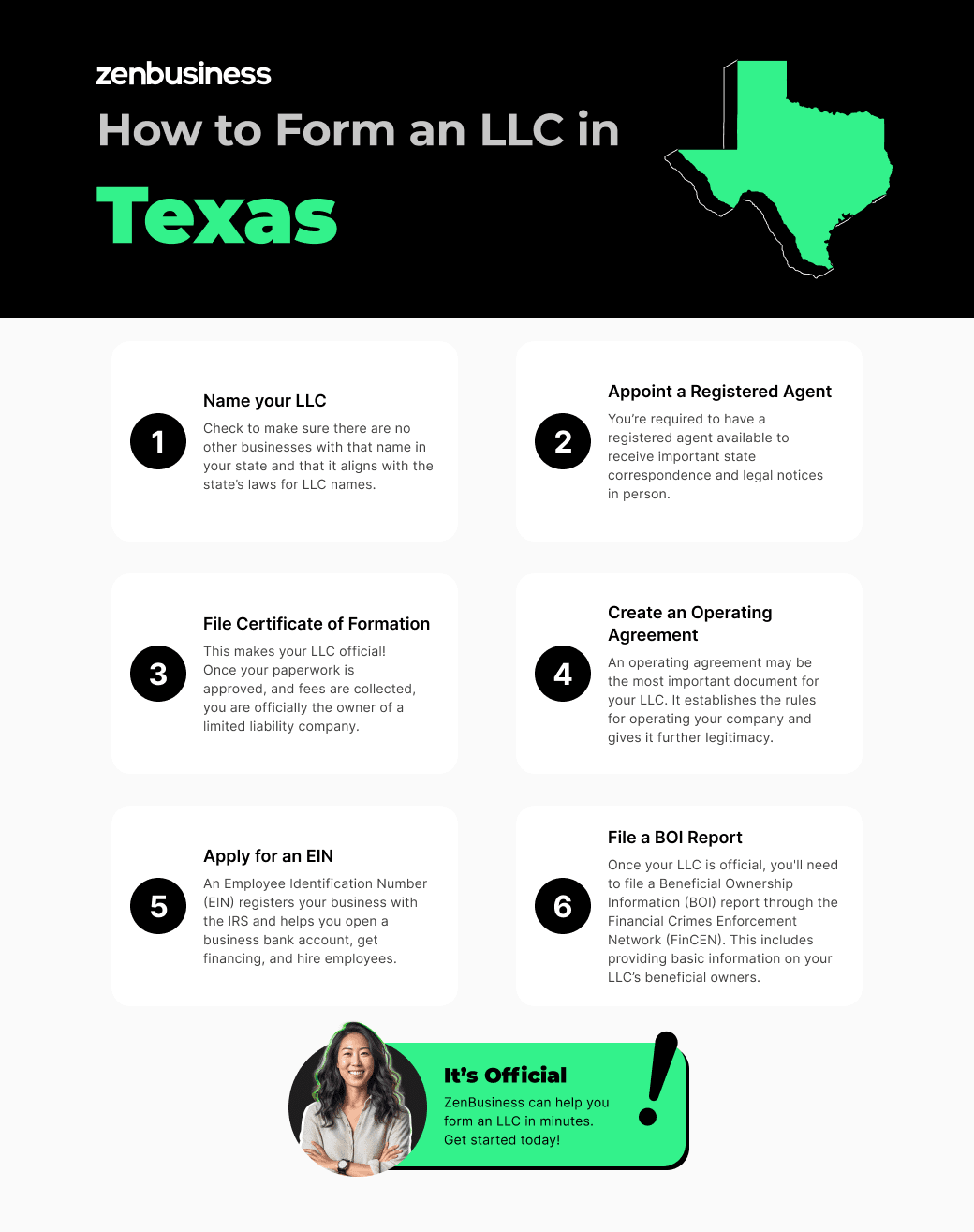
Filing Your Formation Documents
The specific documents required will depend on your chosen business structure. Generally, you will need to file formation documents with the Texas Secretary of State.
- For LLCs: You will file a Certificate of Formation.
- For Corporations: You will file a Certificate of Incorporation.
- For Partnerships: While formal state filing might not always be required for general partnerships, it’s often advisable to have a partnership agreement in writing. Limited partnerships will need to file a Certificate of Limited Partnership.
These documents typically require information such as your business name, registered agent information, the purpose of the business, and details about the owners or incorporators. A registered agent is an individual or company designated to receive legal and official documents on behalf of your business. This agent must have a physical street address in Texas.
Obtaining an Employer Identification Number (EIN)
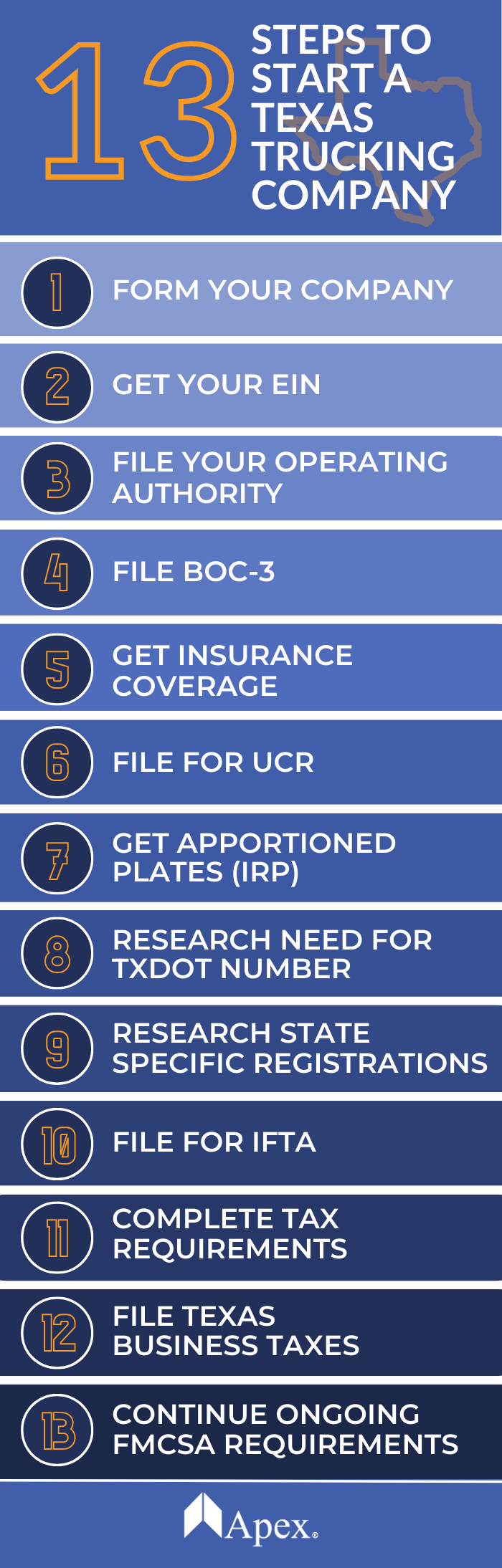
If your business will have employees, or if you are forming a corporation or partnership, you will need to obtain an Employer Identification Number (EIN) from the Internal Revenue Service (IRS). This nine-digit number is like a Social Security number for your business and is essential for tax purposes, opening business bank accounts, and hiring employees. You can apply for an EIN online, by mail, or by fax.
State and Local Licenses and Permits
Depending on your industry and location within Texas, you may need to obtain various state and local licenses and permits to operate legally. This can range from general business permits to specific professional licenses.
- State Licenses: Many professions, such as those in healthcare, construction, and cosmetology, require state-level licensing. You’ll need to research the specific requirements of the Texas Department of Licensing and Regulation (TDLR) or relevant professional boards.
- Local Licenses and Permits: Cities and counties in Texas may have their own business license requirements, zoning regulations, and health permits. For instance, a restaurant in San Antonio will have different permit requirements than a software company in Plano. It’s crucial to contact the city or county clerk’s office where your business will be located to understand these obligations.
Understanding Texas Tax Obligations
Texas has a unique tax landscape, notably its lack of a state income tax. However, businesses are still subject to various taxes.
- Texas Franchise Tax: Most businesses operating in Texas are subject to the Texas Franchise Tax, administered by the Texas Comptroller of Public Accounts. This tax is based on a business’s total revenue. There are thresholds for revenue below which a business may be exempt.
- Sales and Use Tax: If your business sells taxable goods or services, you will need to register with the Texas Comptroller of Public Accounts to collect and remit sales tax.
- Employment Taxes: If you have employees, you will be responsible for withholding federal and state income taxes, Social Security, and Medicare taxes, as well as paying unemployment taxes.
Operationalizing Your Texas Business: From Banking to Branding
With the legal framework in place, it’s time to focus on the practical aspects of running your company in Texas. This includes establishing your financial infrastructure, considering insurance, and beginning to build your brand.
Opening a Business Bank Account
It is highly recommended to keep your personal and business finances separate. Opening a dedicated business bank account is crucial for maintaining financial clarity, simplifying accounting, and projecting a professional image. You will typically need your formation documents, EIN, and personal identification to open an account. Many banks in Texas offer specialized business banking services.
Securing Business Insurance
Protecting your business from unforeseen events is essential. Business insurance can safeguard you against liabilities, property damage, and other risks. Common types of business insurance include:
- General Liability Insurance: Covers bodily injury and property damage claims.
- Professional Liability Insurance (Errors & Omissions): Protects businesses that provide professional services from claims of negligence or mistakes.
- Workers’ Compensation Insurance: Required in Texas if you have employees, this covers medical expenses and lost wages for employees injured on the job.
- Commercial Property Insurance: Covers damage to your business property.
Consulting with an insurance broker specializing in business insurance in Texas can help you determine the right coverage for your specific needs.
Developing Your Brand and Marketing Strategy
A strong brand identity and effective marketing strategy are key to attracting customers and standing out in the competitive Texas market. Consider:
- Logo and Visual Identity: Create a professional logo that represents your brand.
- Website and Online Presence: A well-designed website is your digital storefront.
- Marketing Channels: Explore various marketing avenues, from social media and content marketing to local advertising and public relations. Texas offers a diverse audience, and understanding your target demographic will inform your strategy. Whether you are aiming for luxury travelers seeking the finest resorts in The Woodlands or budget-conscious adventurers exploring the natural beauty of Big Bend National Park, your marketing should resonate.
Embracing the Texas Lifestyle and Tourism Landscape
Operating a business in Texas provides unique opportunities to tap into the state’s rich culture and vibrant tourism sector. Consider how your business can interact with or complement this dynamic environment.
- Local Culture: Texas boasts a diverse cultural tapestry, from the music scene in Austin to the historic missions in San Antonio. Understanding and integrating with local culture can foster strong community ties and attract customers.
- Food Scene: Texas is renowned for its culinary delights, from authentic Tex-Mex and barbecue to innovative fine dining. Businesses that can offer unique food experiences or cater to this passion will find a receptive audience.
- Activities and Attractions: The state offers a plethora of attractions, from the bustling energy of Houston‘s museums and the natural wonders of the Texas Hill Country to the historic sites like the Alamo. Businesses can align themselves with these attractions, perhaps by offering complementary services or themed experiences.
- Accommodation: The hospitality sector is a significant part of Texas’s economy. If your business relates to travel or tourism, understanding the range of accommodation options, from luxury suites and family-friendly resorts to charming villas and long-term stay apartments, can provide valuable insights into market segments and customer needs.
- Landmarks: Famous places and iconic landmarks like the Space Center Houston or the State Capitol Building in Austin draw millions of visitors. Your business could potentially leverage the foot traffic or interest generated by these iconic locations.
- Lifestyle: Texas caters to a wide range of lifestyles, from the opulent world of luxury travel and high-end shopping in Dallas to the more budget-conscious adventures enjoyed by families exploring state parks. Understanding these lifestyle preferences is key to tailoring your products, services, and marketing efforts.
By thoughtfully navigating these steps and embracing the unique advantages of operating in the Lone Star State, you can successfully open and grow your company in Texas. The journey of entrepreneurship is rewarding, and Texas provides fertile ground for your business to flourish.