
Embarking on an Alaska cruise promises an unforgettable journey through breathtaking landscapes, teeming wildlife, and vibrant port towns. However, the unique climate and diverse activities mean that packing for this adventure requires more thought than a typical tropical getaway. A 7-day Alaska cruise is a blend of rugged outdoor exploration and comfortable shipboard living, often encompassing everything from glacier viewing and wildlife photography to gourmet dining and spa treatments. To truly maximize your experience, from exploring the Inside Passage to strolling through charming towns like Juneau and Skagway, a well-curated packing list is paramount.
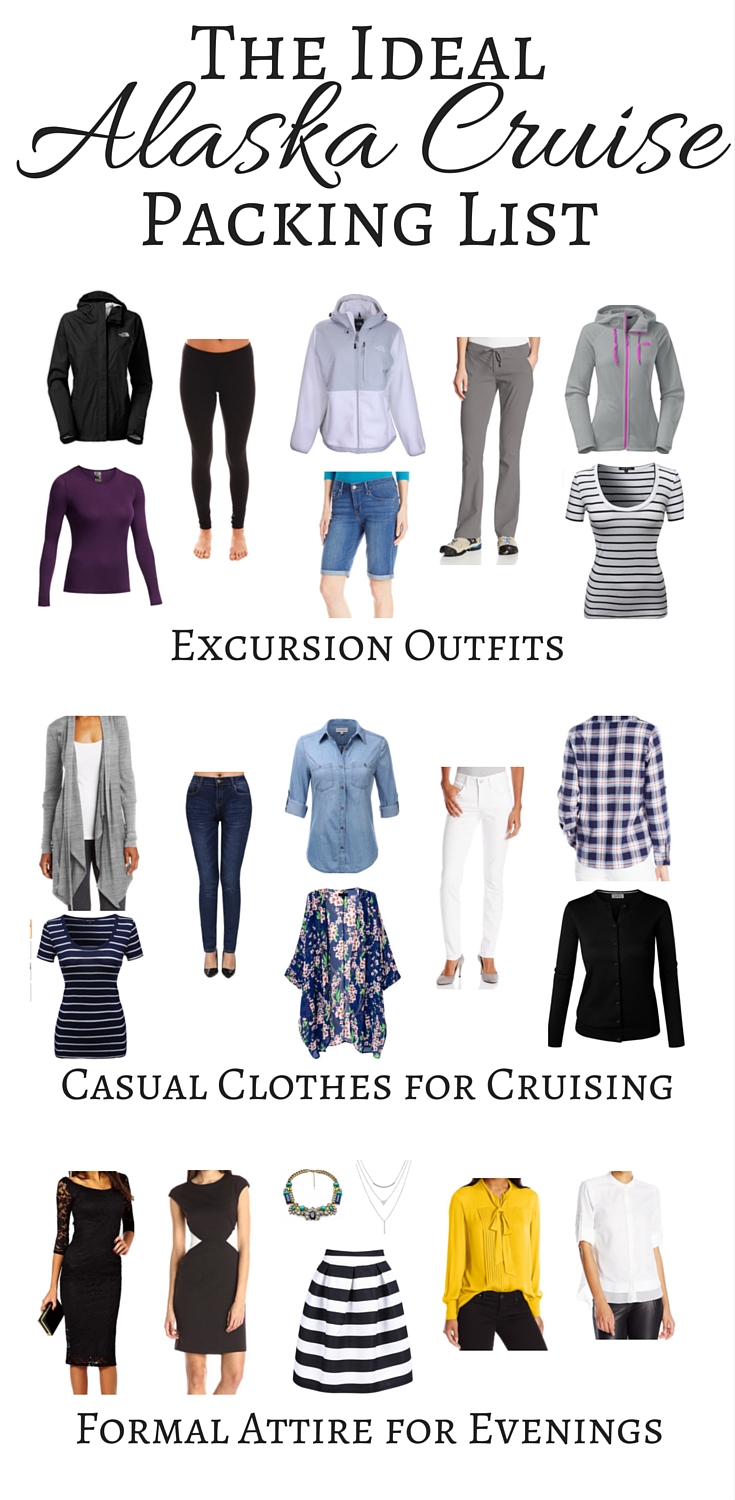
This comprehensive guide will help you navigate the nuances of packing for your Alaska cruise, ensuring you’re prepared for every occasion, comfortable in varying temperatures, and ready to capture every majestic moment. We’ll delve into the specific attire needed for the ever-changing weather, the essential gear for thrilling shore excursions, and the practical items that will make your cruise experience seamless and enjoyable. Whether you’re a first-time cruiser or a seasoned traveler, understanding the demands of this incredible destination is the first step towards a perfectly packed suitcase and an incredible Alaskan adventure.
Understanding Alaska’s Unique Climate and Cruise Dynamics
The most crucial aspect of packing for an Alaska cruise is recognizing the region’s highly variable climate. Unlike a predictable Caribbean voyage, temperatures in Alaska can fluctuate dramatically within a single day, often ranging from crisp mornings near glaciers to mild afternoons in port. You might experience sunshine, rain, and even a touch of snow, sometimes all before lunch. This variability underscores the fundamental principle of Alaska packing: layering. Beyond the weather, the cruise ship itself presents its own set of dress code considerations, transitioning from casual daytime comfort to potentially elegant evening affairs.
The Importance of Layering: Adapting to Rapid Weather Changes
Layering is not just a suggestion; it’s a necessity for an Alaska cruise. This strategy allows you to add or remove clothing items as temperatures shift, ensuring comfort whether you’re standing on deck viewing the Hubbard Glacier, exploring a rainforest in Ketchikan, or simply enjoying an evening show onboard.
Your layering system should ideally consist of three main components:
- Base Layer: This layer is worn directly against your skin and should be made of moisture-wicking material to keep you dry. Think synthetic fabrics or merino wool long-sleeved shirts and leggings. Avoid cotton for base layers, as it retains moisture and can make you feel cold when wet.
- Mid-Layer: This provides insulation and warmth. Fleeces, sweaters (wool or synthetic), and down vests are excellent choices. A good fleece jacket is versatile and can be worn alone on milder days or under a shell for added warmth. Consider packable down jackets for their excellent warmth-to-weight ratio.
- Outer Layer (Shell): This is your protection against wind and rain. A high-quality waterproof and windproof jacket is indispensable. Look for one with a hood to protect your head from the elements. This layer doesn’t need to be heavily insulated itself, as its primary purpose is to shield you from the weather, with warmth provided by your mid-layers.
Key Clothing Items for Layering:
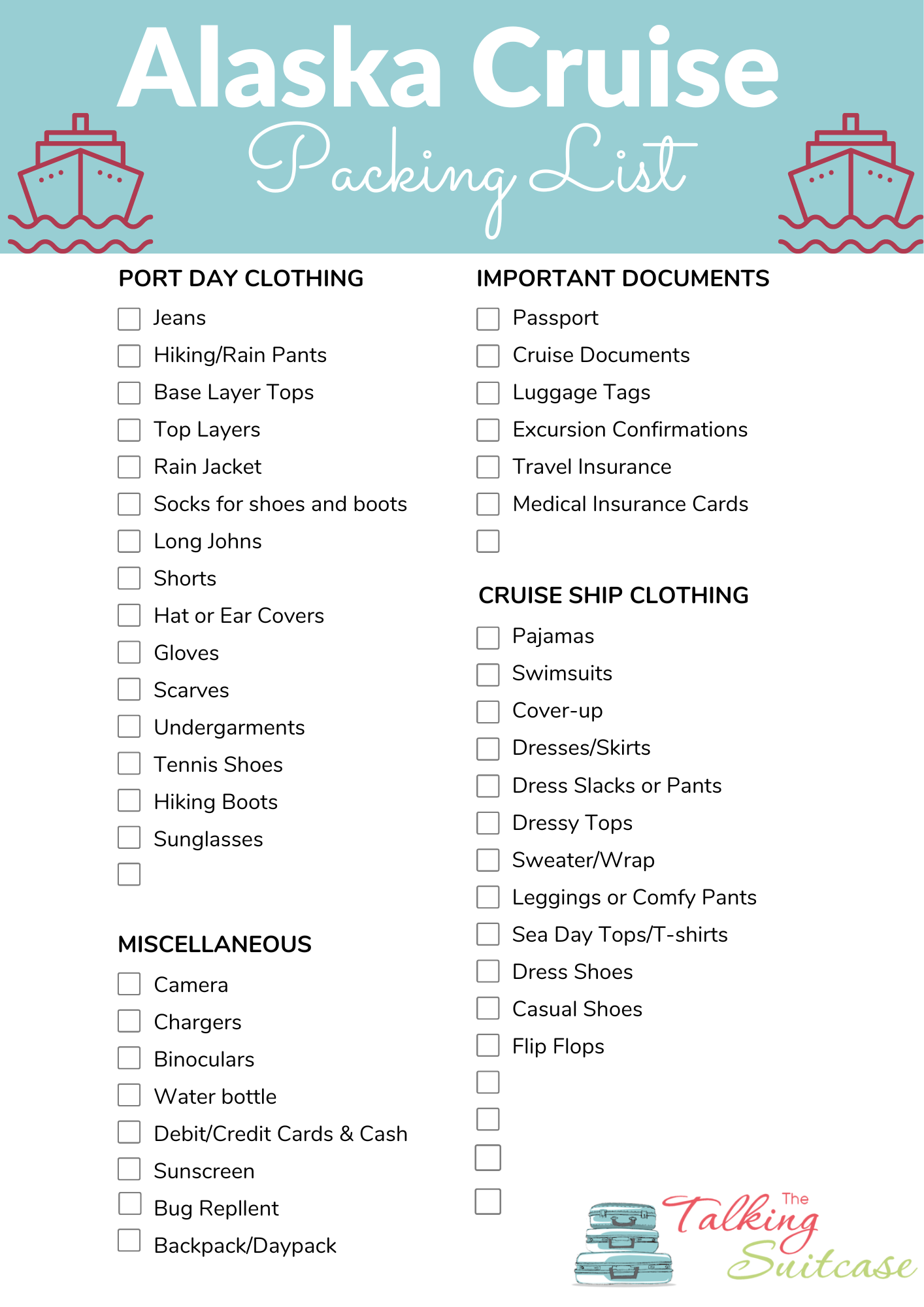
- Long-sleeved shirts: 3-4 (synthetic or merino wool)
- Short-sleeved shirts/t-shirts: 2-3 (for warmer days or under layers)
- Fleece jackets/sweaters: 2 (varying thicknesses)
- Waterproof and windproof jacket with hood: 1
- Waterproof pants/rain pants: 1 (essential for excursions or wet days)
- Warm pants: 2-3 pairs (jeans, sturdy trousers, or hiking pants)
- Warm socks: Several pairs (wool or synthetic, avoid cotton)
Onboard Dress Codes: From Casual Comfort to Elegant Evenings
While Alaska cruises tend to be more relaxed than some other itineraries, cruise lines still have dress codes, particularly for dining rooms and specialty restaurants. It’s important to check your specific cruise line’s guidelines (e.g., Royal Caribbean, Princess Cruises, Holland America Line) before you depart.
- Daytime Onboard: Most cruise ships are very casual during the day. Think jeans, casual trousers, capris, t-shirts, and comfortable tops. Swimsuits are acceptable at the pool deck but should be covered when walking through public areas.
- Casual Evenings: For most evenings in the main dining room, “smart casual” is generally sufficient. This means collared shirts or polo shirts for men, and blouses, sweaters, skirts, dresses, or dressy trousers for women. Jeans are often acceptable if neat and paired with a dressier top.
- Formal Nights (Optional): Many Alaska cruises will have one or two “formal optional” nights. For those who enjoy dressing up, this is an opportunity for suits or blazers and slacks for men, and cocktail dresses or elegant separates for women. If you prefer not to participate, casual dining options like the buffet or room service are always available. You certainly don’t need to pack a tuxedo or ball gown unless you specifically wish to. One versatile outfit for a formal night is usually sufficient.
Recommended Onboard Attire:
- Casual tops/t-shirts: 3-4
- Casual pants/jeans/capris: 2-3 pairs
- Smart casual outfits: 2-3 (for evenings)
- Optional formal outfit: 1 (dress/skirt & blouse for women, slacks & collared shirt/jacket for men)
- Sleepwear: 1-2 sets
- Swimsuit: 1 (for the ship’s pool or hot tubs)
- Workout clothes: 1-2 sets (if you plan to use the gym)
Essential Gear for Shore Excursions and Outdoor Adventures
The true magic of an Alaska cruise lies in its shore excursions. From exploring the Mendenhall Glacier in Juneau, zip-lining at Icy Strait Point, or taking a scenic ride on the White Pass and Yukon Route Railway in Skagway, these experiences demand specific gear to ensure comfort, safety, and the ability to fully immerse yourself in the natural wonders.
Footwear: Preparing for Varied Terrains
Your feet will be your best friends on an Alaskan cruise, so proper footwear is non-negotiable. You’ll need shoes that can handle wet conditions, provide good traction, and offer comfort for extended periods of walking or light hiking.
- Waterproof Walking Shoes/Hiking Boots: This is perhaps the most critical item. Choose a comfortable, broken-in pair that offers ankle support and has a good grip. Waterproofing is key, as you’ll likely encounter rain, puddles, or damp trails. Brands known for quality hiking footwear are often a good investment.
- Casual/Comfortable Shoes: A pair of sneakers or comfortable walking shoes for general shipboard use, city strolls, or casual evenings. These don’t need to be waterproof.
- Dressier Shoes: If you plan on participating in formal nights, a pair of dress shoes or elegant flats will be needed.
- Flip-flops/Sandals: Useful for the ship’s pool deck, spa, or simply relaxing in your cabin.
Waterproof and Windproof Protection: Your Best Defense
Beyond your outer shell jacket, other accessories are crucial for staying dry and warm in Alaska’s often damp and windy environment.
- Waterproof Pants/Rain Pants: These are often overlooked but are incredibly valuable for any outdoor excursion. They can be slipped over your regular pants and will keep your lower body dry during rain showers, boat tours, or even just sitting on damp benches while wildlife watching.
- Warm Hat: A fleece or wool hat is essential for retaining body heat, especially when out on deck for glacier viewing or during chilly excursions.
- Gloves/Mittens: Lightweight, waterproof gloves are ideal for keeping your hands warm and dry, particularly important if you’ll be handling cameras or binoculars.
- Scarf or Neck Gaiter: Provides extra warmth and protection from the wind around your neck.
Optics and Photography: Capturing Alaska’s Grandeur
Alaska is a photographer’s paradise and a wildlife enthusiast’s dream. To truly appreciate and capture the vastness and detail of the landscape and its inhabitants, proper optical gear is a must.
- Binoculars: Absolutely essential. Whether you’re watching whales breach in the Inside Passage, spotting bears on shore from the ship, or observing eagles nesting in trees, a good pair of binoculars will bring the distant wonders up close. Compact, waterproof binoculars are highly recommended.
- Camera and Accessories:
- DSLR/Mirrorless Camera: If you’re serious about photography, bring your camera with a good zoom lens (e.g., 70-300mm) for wildlife.
- Smartphone: Modern smartphones take excellent photos and are convenient for quick snaps.
- Extra Batteries/Power Banks: Cold weather can drain batteries faster. Carry spares and portable chargers.
- Plenty of Memory Cards: You’ll take more photos than you think!
- Waterproof Camera Bag/Protection: To safeguard your gear from rain and spray.
- Small Tripod/Monopod: Useful for steady shots, especially in lower light or for time-lapses of glaciers.
- Water Bottle/Reusable Coffee Mug: Stay hydrated on excursions and reduce waste on the ship. Many cruise lines offer refill stations.
Daily Comforts and Practicalities: Beyond the Basics
While the focus is often on specialized gear for Alaska’s climate, the everyday essentials and practical items play a significant role in enhancing your overall cruise experience. From personal care to keeping your devices charged, these often-overlooked details can make a big difference in your week-long adventure.
Health, Hygiene, and Personal Care
Don’t forget the basics that ensure your well-being and comfort throughout the journey.
- Medications: Bring all prescription medications in their original containers, along with any over-the-counter remedies you might need (pain relievers, anti-nausea medication for seasickness, allergy pills, cold medicine). Consider travel-sized first-aid items like bandages and antiseptic wipes.
- Sun Protection: Even in Alaska, the sun’s rays can be intense, especially on glaciers or reflective water. Pack sunscreen (SPF 30+), lip balm with SPF, and sunglasses. A wide-brimmed hat offers additional facial protection.
- Insect Repellent: Depending on the time of year and specific ports, mosquitoes and other biting insects can be present, especially on shore excursions into forested areas.
- Toiletries: While basic toiletries are usually provided in your cabin, bring your preferred brands of shampoo, conditioner, soap, lotion, toothpaste, and any other personal care items. Travel-sized containers are convenient.
- Hand Sanitizer: Useful for maintaining hygiene, especially after excursions or before meals.
Electronics and Entertainment Onboard
Staying connected and entertained is part of the modern travel experience.
- Universal Power Adapter/Power Strip (Non-Surge Protector): Cabins often have limited outlets. A non-surge protector power strip can be invaluable for charging multiple devices. Always ensure it’s a non-surge protector, as surge protectors can be prohibited by cruise lines.
- Phone and Charger: For communication, photos, and access to cruise line apps.
- Tablet/E-reader: Perfect for unwinding with a book or watching movies during sea days or in your cabin.
- Headphones: For listening to music, podcasts, or audiobooks without disturbing others.
- Portable Speaker: A small Bluetooth speaker can enhance your cabin experience, but be mindful of your neighbors.
- Small Daypack/Backpack: Indispensable for shore excursions to carry water, snacks, extra layers, camera gear, and souvenirs. Choose one that’s comfortable and ideally water-resistant.
Organization and Documents: Smooth Sailing from Start to Finish
A well-organized traveler is a stress-free traveler. These items ensure your trip logistics are smooth.
- Travel Documents: Passport/ID, boarding passes, cruise tickets, hotel confirmations (for pre/post cruise stays), flight details, travel insurance information. Keep these in a secure, easily accessible travel wallet or folder.
- Credit Cards and Cash: A mix of payment methods is always wise. While most places accept cards, smaller vendors in port towns might prefer cash (US dollars).
- Small Cross-body Bag or Money Belt: For keeping valuables secure and close at hand during excursions.
- Packing Cubes: A game-changer for organizing your luggage, especially with the variety of clothing needed for an Alaska cruise. They help compress clothing and separate items by category (e.g., base layers, formal wear, socks).
- Reusable Shopping Bag: Handy for carrying souvenirs or purchases from port towns like Sitka or Ketchikan.
Final Considerations: Maximizing Your Alaska Cruise Experience
Beyond the physical items, a few final tips can enhance your Alaska cruise, transforming it from a mere trip into a truly memorable lifestyle experience. Thinking about your journey holistically – from pre-cruise preparations to understanding the logistics – will ensure you’re fully equipped for every facet of this grand adventure.
Pre-Cruise Stays and Post-Cruise Adventures
Many Alaska cruises embark or disembark from major cities like Seattle in the United States or Vancouver in Canada. Consider arriving a day or two early or staying a day or two after your cruise to explore these vibrant gateway cities. This not only allows for a buffer against potential flight delays but also offers an opportunity to experience more.
- Accommodation Planning: When planning pre- or post-cruise stays, look into various accommodation options. From luxury hotels in downtown Seattle to charming boutique hotels in Vancouver’s historic districts, comparing prices and reading reviews on our “Accommodation” section can help you find the perfect fit. Many travelers enjoy staying near iconic landmarks like Pike Place Market in Seattle or Gastown in Vancouver.
- Land Excursions: For those with more time, consider extending your Alaskan adventure with a land tour. Options often include visiting Denali National Park, exploring cities like Anchorage, or even a scenic train ride. These require their own specific packing considerations, usually focusing more on hiking gear and casual comfort.
- Cultural Immersion: Use your time in port to experience local culture. In Ketchikan, explore the world’s largest collection of totem poles, showcasing the rich heritage of the Tlingit, Haida, and Tsimshian peoples. In Juneau, savor local seafood or visit the Alaskan Brewing Co..

Reviewing Cruise Line Policies and Luggage Restrictions
Before you even start packing, it’s vital to review the specific policies of your cruise line (e.g., Norwegian Cruise Line, Celebrity Cruises, Disney Cruise Line).
- Luggage Limits: While cruises generally have more generous luggage allowances than airlines, cabin space can be limited. Most cruise lines recommend packing no more than two suitcases per person, plus a carry-on. Knowing these limits helps you pack efficiently.
- Prohibited Items: Be aware of items prohibited onboard, such as irons, candles, surge protectors (as mentioned), and certain types of extension cords. A quick check on your cruise line’s website can prevent delays during embarkation.
- Beverage Policies: If you plan to bring your own wine or non-alcoholic beverages, check the cruise line’s corkage fees and quantity restrictions.
- Pre-Book Excursions: Popular shore excursions, especially those involving limited space like helicopter tours to glaciers or whale watching, often sell out quickly. Booking these in advance through your cruise line or reputable independent tour operators can save disappointment. Our “Travel Guides” often feature recommended excursions for various Alaskan ports.
Packing for a 7-day Alaska cruise is an art form that balances practicality with the desire for comfort and enjoyment. By focusing on versatile layers, appropriate waterproof gear, comfortable footwear, and essential personal items, you’ll be ready to embrace every facet of this magnificent journey. From the awe-inspiring beauty of Glacier Bay National Park to the charming streets of Victoria, British Columbia (a common port of call for cruises departing from Seattle), your well-packed bags will ensure you’re prepared for whatever adventure Alaska throws your way. Enjoy the unparalleled beauty, the incredible wildlife, and the unique culture that awaits you in the Last Frontier.
LifeOutOfTheBox is a participant in the Amazon Services LLC Associates Program, an affiliate advertising program designed to provide a means for sites to earn advertising fees by advertising and linking to Amazon.com. Amazon, the Amazon logo, AmazonSupply, and the AmazonSupply logo are trademarks of Amazon.com, Inc. or its affiliates. As an Amazon Associate we earn affiliate commissions from qualifying purchases.