
Welcome to the Sunshine State! Florida is a magnet for travelers worldwide, boasting vibrant cities like Miami and Orlando, stunning beaches, and world-famous attractions. Whether you’re planning a thrilling family trip to theme parks, a luxurious retreat to a beachfront resort, or an adventurous budget travel experience exploring natural landmarks, navigating the state’s extensive road network is often a part of the journey. However, for many visitors, the prevalence of toll roads can initially seem like a confusing maze. Understanding how to pay Florida tolls is not just about avoiding fines; it’s about ensuring a seamless, stress-free travel experience, allowing you to focus on the incredible destinations and unique experiences that await.
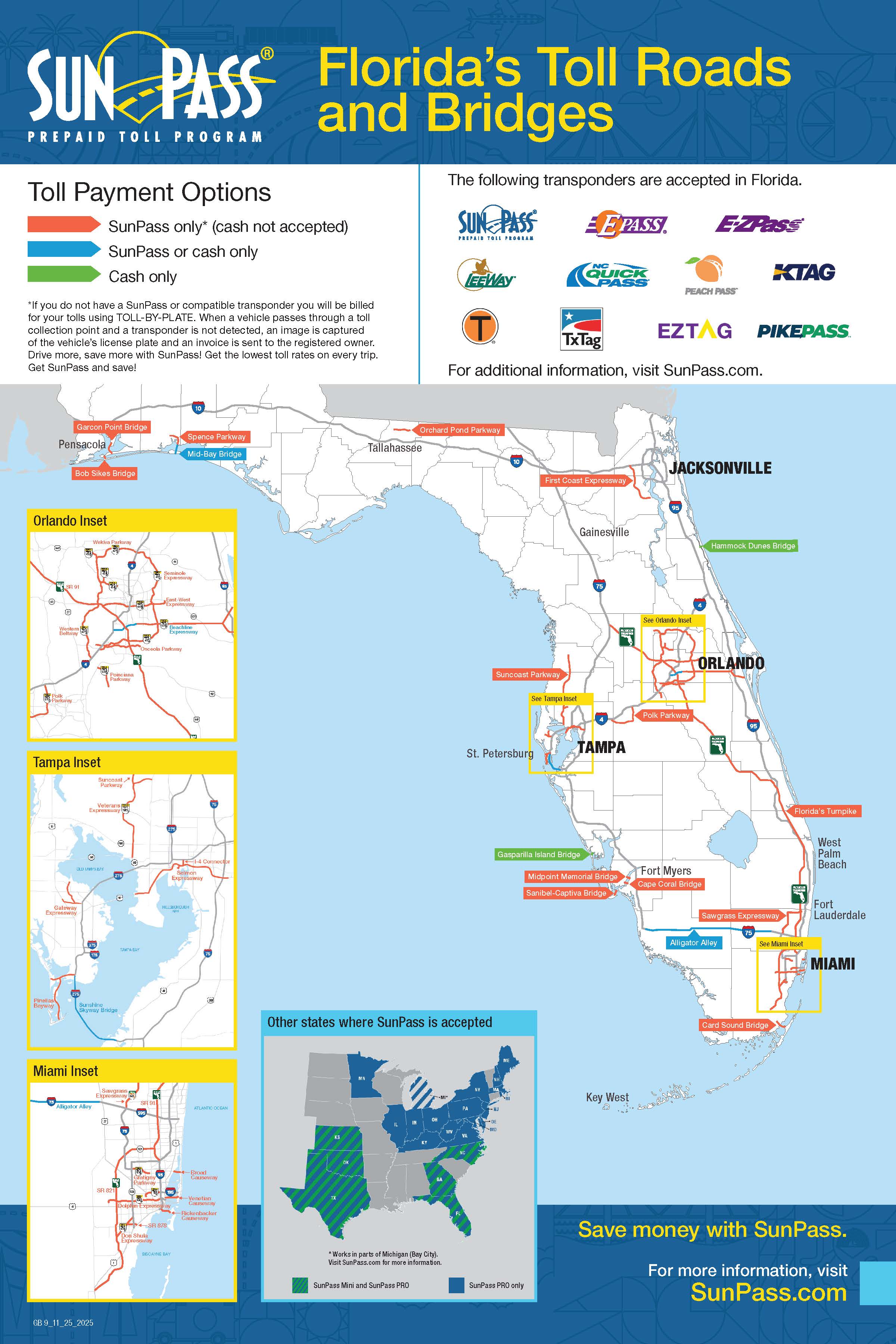
This comprehensive guide aims to demystify Florida’s toll payment systems, providing you with all the essential information needed to travel with confidence. We’ll delve into the various payment methods, from electronic transponders to rental car programs, offer practical tips for planning your routes, and explain how to handle unexpected toll encounters. By the end of this article, you’ll be well-equipped to conquer Florida’s toll roads like a seasoned local, ensuring your trip is as smooth as the state’s picturesque highways.
Understanding Florida’s Extensive Toll Road Network
Florida is home to one of the most comprehensive toll road systems in the United States. These roads are not merely an inconvenience; they are crucial arteries that facilitate efficient travel, manage traffic flow, and provide funding for maintaining and expanding the state’s vital transportation infrastructure. They are particularly prevalent around major metropolitan areas and popular tourist hubs, where traffic congestion would otherwise be a significant issue.
The Lay of the Land: Key Toll Roads and Authorities
When driving through Florida, you’ll encounter several key toll routes and authorities:
- Florida’s Turnpike: This is arguably the most well-known and extensive toll road, serving as a major north-south corridor that spans a significant portion of the state, connecting regions from Miami up to just past Orlando and beyond. Operated by Florida’s Turnpike Enterprise, it is a lifeline for cross-state travel.
- I-4 Express: A newer addition to the system, these are managed express lanes within the existing Interstate 4 corridor in Orlando, designed to offer a faster, albeit tolled, option during peak traffic.
- Central Florida Expressway Authority (CFX): Operating primarily in and around Orlando, CFX manages numerous expressways that crisscross the region, providing access to theme parks, Orlando International Airport, and residential areas.
- Tampa Hillsborough Expressway Authority (THEA): In the Tampa Bay area, THEA manages the Selmon Expressway, offering essential routes through the city.
- Miami-Dade Expressway Authority (MDX): Previously managing several expressways in Miami-Dade County, its assets have largely been absorbed by Florida’s Turnpike Enterprise. However, these routes remain tolled.
- LeeWay (Lee County): Found in Southwest Florida, specifically around Fort Myers and Cape Coral, LeeWay operates several bridges and causeways.
The landscape of Florida tolls has undergone a significant transformation over the past decade, with a distinct shift towards cashless electronic collection. Many roads that once featured traditional toll booths with attendants now operate entirely electronically, meaning physical cash payments are increasingly rare and often non-existent. This move enhances efficiency, reduces congestion, and aligns with modern infrastructure trends, but it also necessitates advance preparation from drivers.
Navigating Payment Methods: Your Options for Florida Tolls
Understanding your payment options is the most critical step to a hassle-free journey on Florida’s toll roads. There are primarily three ways to pay, with electronic transponders being by far the most convenient and cost-effective.
The Efficiency of Electronic Transponders
Electronic transponders are small, pre-paid devices that you affix to your vehicle’s windshield. As you pass through a toll plaza, the transponder communicates with overhead sensors, and the appropriate toll amount is automatically deducted from your linked account. This system ensures continuous travel without the need to stop, search for cash, or worry about missing a toll.
SunPass – Florida’s Premier Solution
SunPass is Florida’s official statewide electronic toll collection system and is by far the most recommended option for most travelers. There are two main types:
-
SunPass Mini (Sticker Transponder):
- Cost: Inexpensive, typically around $5.
- Functionality: It’s a non-removable sticker transponder designed for a single vehicle. Once applied, it cannot be easily transferred.
- Coverage: Works on all toll roads and most bridges throughout Florida.
- Ideal for: Visitors planning an extended stay, residents, or those who frequently rent cars and plan to purchase a new Mini for each rental.
-
SunPass PRO (Portable Hard-Case Transponder):
- Cost: Slightly more expensive, usually around $15-$20.
- Functionality: A portable device that can be moved between vehicles, making it ideal for multi-car households or travelers who frequently switch rental cars.
- Interoperability: This is where the SunPass PRO truly shines. It is fully interoperable with E-PASS (from Central Florida Expressway Authority), LeeWay, NC Quick Pass (North Carolina), Peach Pass (Georgia), and most EZ-Pass facilities across 19 states in the United States. This makes it an invaluable tool for travelers from states like New York, New Jersey, or Pennsylvania who already use EZ-Pass and want a seamless experience in Florida.
Benefits of Using SunPass:
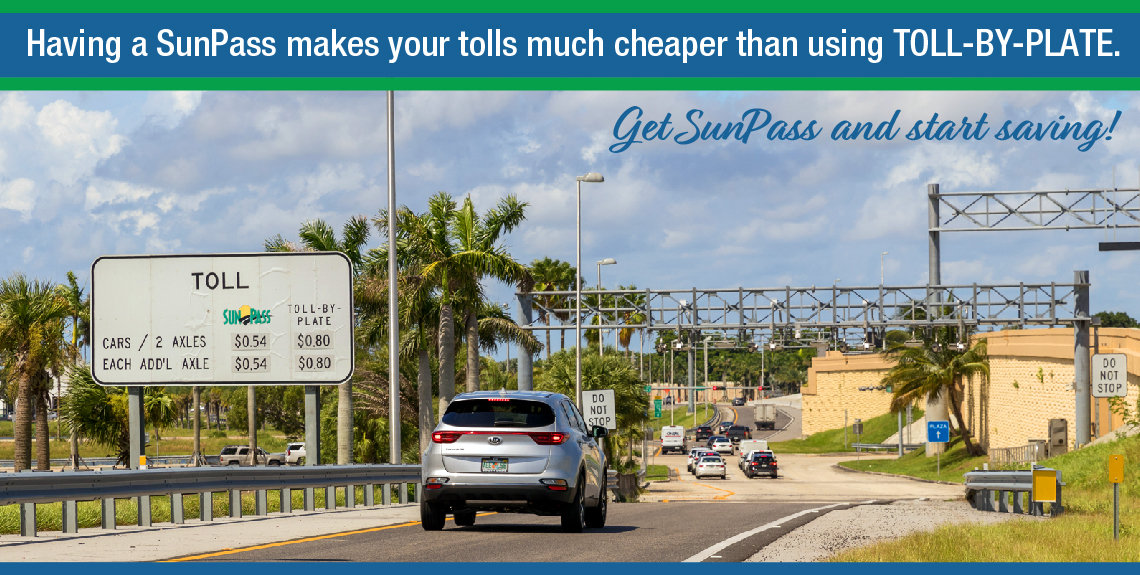
- Cost Savings: SunPass users typically receive discounted toll rates compared to those using the Toll-by-Plate system. These savings can add up significantly over a multi-day trip.
- Convenience: Enjoy uninterrupted travel without having to stop or worry about having exact change.
- Access to Cashless Lanes: Essential for navigating the numerous toll roads that are entirely cashless.
- Easy Account Management: Manage your account, check balances, and view transaction history online or via the dedicated SunPass mobile app. Auto-replenishment options ensure you never run out of funds.
Where to Get a SunPass:
- Online: The official SunPass website (SunPass.com) allows you to purchase a transponder and set up your account before you even arrive.
- Retail Locations: Easily available at major retailers throughout Florida, including Publix supermarkets, CVS Pharmacy stores, Walgreens, and AAA offices. You can usually purchase one near major airports or rental car facilities.
- Florida Welcome Centers: These centers, typically found just inside the state borders on major highways, often sell SunPass transponders.
Other Local Transponders: While SunPass is the statewide system, some local authorities like Central Florida Expressway Authority offer their own transponders (E-PASS) or LeeWay for Lee County. These are generally interoperable with SunPass within Florida but may not offer the same out-of-state interoperability as the SunPass PRO.
Toll-by-Plate: The Pay-by-Mail System
If you do not have an electronic transponder, Florida’s Toll-by-Plate system serves as a default payment method. When a vehicle passes through a cashless toll lane without a transponder, cameras capture an image of the license plate. An invoice for the toll amount, plus an administrative fee, is then mailed to the registered owner of the vehicle.
- Higher Costs: Be aware that Toll-by-Plate typically results in higher overall costs. You’ll pay the undiscounted toll rate plus an additional service charge per invoice. These fees can quickly accumulate if you frequently use toll roads.
- Payment: Once you receive the invoice, you can usually pay it online, by mail, or over the phone. Prompt payment is crucial to avoid further late fees and penalties.
- Who it’s for: This system is primarily intended for infrequent users or those who unexpectedly find themselves on a cashless toll road. It’s not a recommended primary strategy for travelers, especially those on a budget-conscious trip, due to the added costs and potential delays in receiving bills, particularly for out-of-state license plates.
- Potential Delays: It can take weeks for a Toll-by-Plate invoice to arrive, which can be problematic for visitors who have already returned home.
The Declining Role of Cash Payments
A decade ago, cash toll booths were a common sight across Florida. Today, however, they are a rarity. The vast majority of Florida’s toll roads, expressways, and bridges have transitioned to entirely electronic collection.
- Scarcity: Do not rely on finding cash lanes. Most have been converted to “SunPass Only” or “Toll-by-Plate” lanes. If you see signs for “Cash” or “Manned Booth,” it’s likely an exception rather than the rule, possibly on older, smaller toll bridges or very specific exit ramps.
- Warning: Entering a designated “SunPass Only” or “Cashless” lane without an active transponder or a plan for Toll-by-Plate will result in a Toll-by-Plate invoice, complete with administrative fees and potential penalties if not handled promptly. It’s always best to be prepared with an electronic solution.
Navigating Tolls with Rental Cars: What Travelers Need to Know
For many visitors to Florida, navigating tolls in a rental car is where confusion and unexpected fees often arise. Rental car companies provide various toll payment programs, which, while convenient, can significantly increase your travel expenses.
Common Rental Agency Toll Programs:
Most major rental car companies, including Hertz, Avis, Budget, Enterprise, National, and Alamo, offer their own toll programs:
- Hertz PlatePass: Hertz typically uses a system like PlatePass powered by Verra Mobility, which automatically charges tolls and a daily service fee to your rental agreement.
- Avis e-Toll / Budget e-Toll: These systems, often provided by Verra Mobility, work similarly, activating when tolls are incurred.
- Enterprise TollPass / National TollPass / Alamo TollPass: These companies also utilize third-party toll administration services, such as Verra Mobility, to manage tolls and charge renters.
How They Work (and the Catch):
Rental agencies generally handle tolls in one of two ways: they might have a dedicated transponder inside the vehicle (often hidden in a box or pouch), or they simply rely on the Toll-by-Plate system for their vehicles. In either case, they will pay the toll to the authorities and then pass the charge on to you, the renter, along with significant administrative or daily usage fees.
The catch is these fees. While convenient, rental car toll programs come with daily charges that apply on every day you incur a toll, and sometimes for the entire rental period, regardless of how many tolls you pass. For example, a $2 toll might end up costing you $15 or more once the daily administrative fee (e.g., $3.95 to $5.95 per day of use) is added. Over a week-long trip with frequent driving, these fees can quickly accumulate, sometimes exceeding the actual toll costs by a wide margin. This is an important consideration for any lifestyle of travel, from luxury travel to budget travel.
Alternatives for Rental Car Users to Avoid Excessive Fees:
- Bring Your Own Transponder: If you own a portable SunPass PRO or an EZ-Pass that is interoperable with Florida’s system, this is often the most economical option. Ensure it is properly mounted on your rental car’s windshield and, crucially, confirm with the rental agency that their internal toll program is deactivated or that you have opted out to avoid being double-charged.
- Purchase a SunPass Mini Upon Arrival: For just a few dollars, you can buy a SunPass Mini sticker transponder at retailers like Publix or CVS Pharmacy near the airport. Activate it online or via the SunPass app, link it to your credit card, and affix it to your rental car’s windshield. Remember to remove it when you return the car, as it’s not transferable.
- Check Terms Carefully: Always, always inquire about the rental agency’s toll program, associated fees, and opt-out procedures before you drive off the lot. Policies can vary, and being proactive can save you a significant amount of money. Clarify how their system interacts if you plan to use your own transponder.
- Avoid the Default: Many rental agreements automatically enroll you in their toll program unless you explicitly decline or provide an alternative. Be assertive in managing this aspect of your rental.
Essential Tips for a Seamless Florida Road Trip Experience
Beyond knowing the payment methods, a little pre-planning can elevate your Florida road trip from potentially stressful to truly seamless. These tips are invaluable for various travel styles, from a fast-paced business stay to a leisurely long-term stay.
- Plan Your Route in Advance: Before hitting the road, utilize navigation apps such as Google Maps or Waze. These tools are excellent for identifying toll roads on your planned itinerary. Most importantly, they offer an “avoid tolls” option, which can be useful if you’re on a strict budget-conscious trip and have extra time. However, be aware that avoiding tolls in Florida can sometimes add significant time to your journey, especially around major cities like Orlando and Miami, so weigh convenience against cost.
- Download Relevant Apps: The official SunPass mobile app is an indispensable tool for managing your transponder account. With the app, you can easily check your balance, view transaction history, and replenish funds on the go. This is particularly handy if you’ve purchased a SunPass Mini upon arrival and need to monitor its usage.
- Budget for Tolls: Don’t underestimate the cumulative cost of tolls. A cross-state journey on Florida’s Turnpike or frequent driving around the intricate expressway networks in metropolitan areas can lead to substantial charges. Factor this into your overall travel budget, whether you’re indulging in a luxury travel experience or managing expenses for a budget travel adventure. Having a rough estimate of toll costs will prevent unwelcome surprises.
- What If You Miss a Toll?
- Don’t Panic: Accidents happen, and sometimes you might inadvertently pass through a cashless toll lane without an active transponder. If this occurs, the most crucial thing is to act quickly.
- Prompt Action is Key: Do not wait for a bill to arrive, as it can take weeks, and late fees will accrue. Instead, contact the relevant toll authority directly as soon as possible. For most major toll roads, this would be Florida’s Turnpike Enterprise or the Central Florida Expressway Authority. Many authorities offer a grace period (often within 14-30 days) during which you can pay the missed toll online without incurring penalties. You’ll typically need your license plate number, vehicle make/model, and the date/time of the missed toll.
- Consider Your Travel Style and Accommodation:
- Family Trips: With kids in the car, convenience is paramount. An electronic transponder means fewer stops and less stress, keeping everyone happier.
- Business Stays: Efficiency is key. Transponders save valuable time, allowing you to get to meetings or your hotel (suites, resorts, apartments) without delay.
- Long-term Stay or Relocation: If you plan on being in Florida for an extended period, investing in a SunPass is almost a necessity.

Conclusion
Preparing for Florida’s toll roads is a small but crucial step in ensuring a completely hassle-free journey through the Sunshine State. While the network of toll roads might seem daunting at first, understanding the various payment methods, especially the benefits of electronic transponders like SunPass, can significantly simplify your travel.
By opting for a SunPass – whether the affordable Mini or the versatile PRO compatible with EZ-Pass – you’re choosing the most convenient, cost-effective, and efficient way to navigate Florida’s roads. This preparation not only saves you money by avoiding higher Toll-by-Plate rates and rental car administrative fees, but it also saves precious time and stress, allowing you to immerse yourself fully in the vibrant local culture, delectable food, exciting activities, and breathtaking landmarks that Florida has to offer.
With a little planning, you can navigate the state’s highways with ease, focusing on the thrilling attractions, unique experiences, and stunning destinations that await you. Your next Florida adventure starts here, well-prepared and ready to explore!
LifeOutOfTheBox is a participant in the Amazon Services LLC Associates Program, an affiliate advertising program designed to provide a means for sites to earn advertising fees by advertising and linking to Amazon.com. Amazon, the Amazon logo, AmazonSupply, and the AmazonSupply logo are trademarks of Amazon.com, Inc. or its affiliates. As an Amazon Associate we earn affiliate commissions from qualifying purchases.