
Exploring the Sunshine State of Florida is an exhilarating experience, offering everything from pristine beaches along the Gulf Coast and Atlantic Coast to world-famous theme parks in Orlando and vibrant nightlife in Miami. Whether you’re planning a luxurious resort getaway in Naples, a family adventure to Walt Disney World Resort or Universal Orlando Resort, a historical tour of St. Petersburg, or a tranquil escape to Key West, navigating the state’s extensive road network is often a part of the journey. A key aspect of road travel in Florida that many visitors and even new residents might find confusing is its comprehensive system of toll roads.
Florida boasts one of the most extensive toll road networks in the United States, designed to keep traffic flowing efficiently and reduce congestion, especially in densely populated areas and popular tourist corridors. These tolls fund the construction, maintenance, and operation of these crucial transportation arteries. For travelers arriving at major hubs like Orlando International Airport (MCO), Miami International Airport (MIA), or Fort Lauderdale-Hollywood International Airport (FLL), encountering tolls is almost inevitable. Understanding how to properly pay these tolls is essential not only for a smooth travel experience but also to avoid unexpected fees or penalties. This comprehensive guide will demystify the process, ensuring your Florida journey is as seamless as possible, allowing you to focus on enjoying the sun, sand, and attractions.
Understanding Florida’s Diverse Toll Road Network
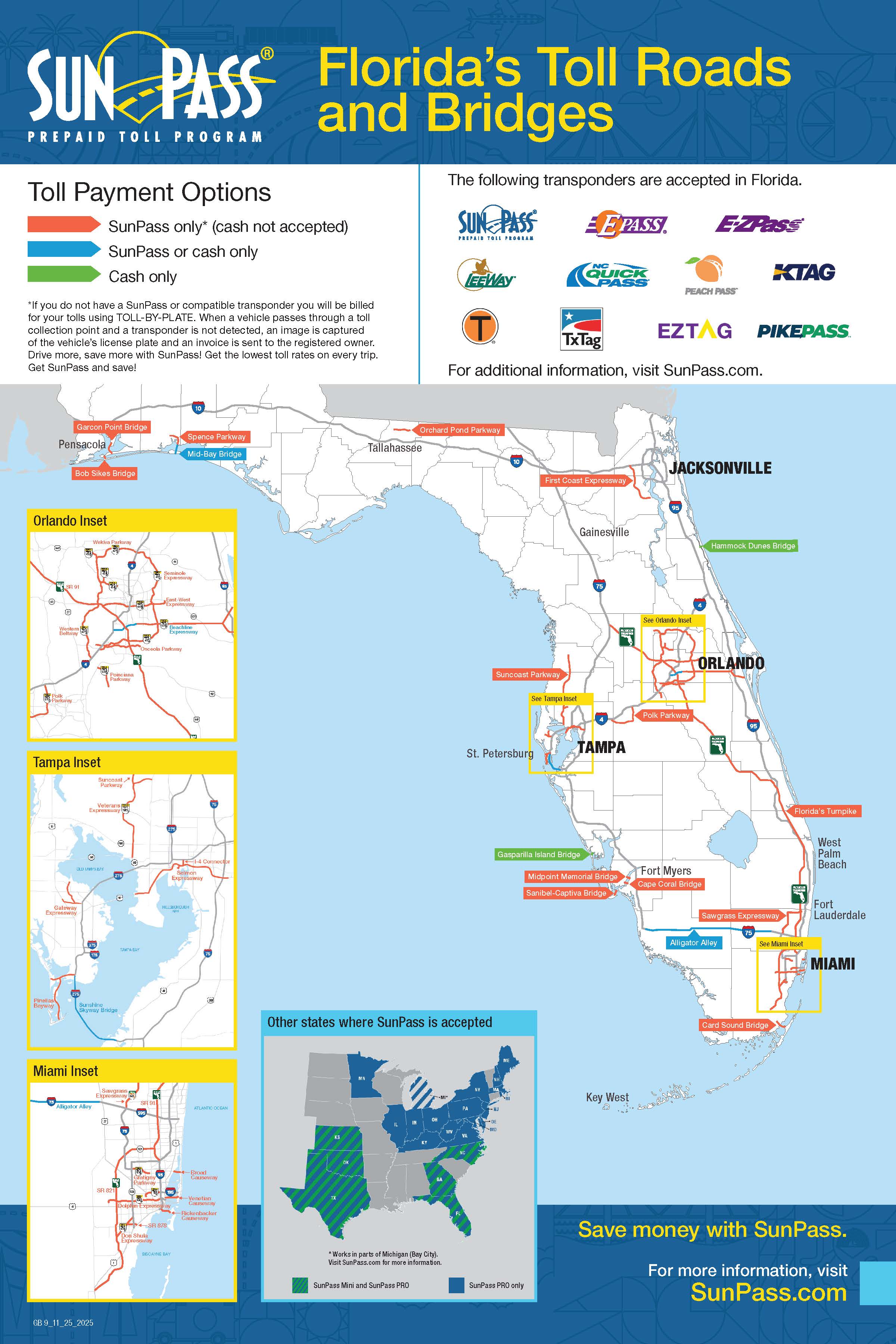
Before diving into payment methods, it’s crucial to understand the landscape of Florida’s toll roads. The state utilizes a variety of toll roads, expressways, and bridges, each contributing to an interconnected system. Major toll roads you’re likely to encounter include Florida’s Turnpike, which stretches from Miami northward, the SR 528 Beachline Expressway connecting Orlando to the Kennedy Space Center Visitor Complex and Cocoa Beach, and various roads operated by entities like the Miami-Dade Expressway Authority (MDX). Additionally, several metropolitan areas like Tampa and Jacksonville have their own networks of toll bridges and express lanes.
A significant trend in Florida has been the move towards cashless tolling. Many new express lanes and even entire sections of highways, like the I-4 Ultimate Express Lanes in Orlando, are entirely cashless. This means there are no toll booths with attendants to accept cash, and often no exact change lanes either. This system prioritizes electronic payment methods, which are more efficient and reduce traffic congestion at toll plazas. While convenient for those prepared, it can be a source of confusion and frustration for unprepared travelers, leading to higher costs if not managed correctly. Therefore, preparation is key when navigating Florida’s toll roads.
The Most Convenient Way: Electronic Toll Payment Systems
For a truly seamless travel experience in Florida, electronic toll payment systems are the gold standard. They offer convenience, often come with discounted rates compared to other payment methods, and are widely accepted across the state’s toll network.
SunPass: Florida’s Primary Electronic Tolling System
The official electronic toll collection system for Florida is SunPass. It’s an interoperable system that works on all toll roads and most toll bridges throughout the state. Having a SunPass transponder is hands down the most recommended method for paying tolls, especially for visitors planning extensive driving.
There are two main types of SunPass transponders:
- SunPass Mini: This is a small, sticker-like transponder that adheres to your windshield. It costs a nominal fee (usually around $4.99) and is non-transferable between vehicles. It’s ideal for those driving their own car or using a rental for an extended period and don’t mind leaving it behind. You purchase it, activate it online, and load funds into an account. When you pass through a toll plaza, the transponder is read, and the toll amount is deducted from your prepaid account.
- SunPass PRO: This portable transponder is slightly more expensive (around $14.95) but offers significant advantages. It can be moved between vehicles and, most importantly, is interoperable with the E-ZPass network. This means your SunPass PRO will work not only throughout Florida but also in over 18 other states that are part of the E-ZPass system, spanning from Maine to North Carolina and westward to Illinois. For travelers who frequent different regions of the United States, the SunPass PRO offers unparalleled convenience.
Where to Purchase a SunPass Transponder:
You can purchase both SunPass transponders at various retail locations across Florida, making it easy to acquire one upon arrival. Common retail partners include Publix supermarkets, CVS pharmacies, Walgreens, and AAA offices. They are also available online at the official SunPass website. After purchase, you simply activate it online or over the phone and link it to a credit card or debit card for automatic replenishment, ensuring you always have funds.

Toll-By-Plate: The Default for Unprepared Drivers
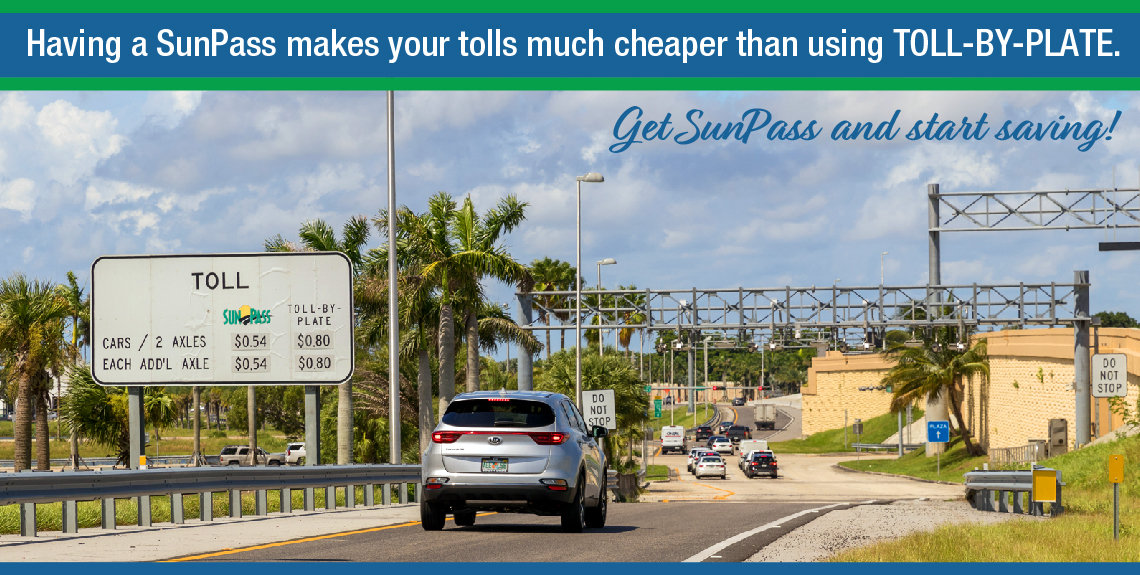
If you don’t have a SunPass transponder and drive through a cashless toll plaza, the Toll-By-Plate system automatically kicks in. Cameras capture an image of your vehicle’s license plate, and a bill is then mailed to the registered owner of the vehicle.
While seemingly convenient as a fallback, Toll-By-Plate comes with several drawbacks:
- Higher Costs: Toll-By-Plate charges are typically higher than SunPass rates, as they include an administrative fee for processing the bill.
- Delays: It can take weeks for the bill to arrive, which can be problematic for visitors who have already returned home.
- Rental Car Surcharges: If you’re in a rental car, the rental company will receive the bill. They will then charge your credit card for the toll amount, often with hefty administrative fees (sometimes $5-$15 per toll or per day you incurred a toll), significantly increasing your travel expenses. This is a common pitfall for tourists.
Cash and Alternative Payment Methods (and Why They’re Less Common)
While Florida’s toll system heavily favors electronic payments, it’s worth noting the diminishing role of cash and other traditional methods.
Cash Lanes: A Vanishing Option
Once common, dedicated cash lanes with attendants are now a rare sight on Florida’s major toll roads. Many toll plazas have transitioned to “all-electronic” or “cashless” operations. Some older bridges or smaller, less-trafficked toll facilities might still accept cash, but relying on them for your journey, especially through popular routes around Orlando, Miami, Tampa, or Fort Lauderdale, is a risky strategy and will severely limit your routing options. Always assume tolls are cashless unless specifically stated otherwise.
Pay-By-Mail: The Last Resort
This is essentially the same as Toll-By-Plate. If you pass a toll without an electronic transponder or sufficient funds in your account, an invoice will be mailed to the vehicle’s registered owner. This method is the least efficient and most expensive due to administrative costs and potential late fees. For tourists using rental cars, as mentioned, this defaults to the rental company’s often costly processing.
Essential Tips for Tourists and Rental Cars
Navigating Florida’s toll roads can be particularly tricky for visitors, especially those renting vehicles. Here’s how to ensure a smooth, cost-effective experience:
Rental Car Toll Programs: Proceed with Caution
Rental car companies often offer their own toll payment programs, usually branded as “TollPass,” “PlazaPass,” “PlatePass,” or similar. These programs typically work in one of two ways:
- Opt-in Transponder Service: You can rent a transponder from the car rental company at the counter. This usually involves a daily usage fee (whether you use tolls or not) plus the cost of tolls.
- Automatic Enrollment (Toll-By-Plate pass-through): If you drive through a cashless toll without your own transponder, the rental company will automatically charge your credit card for the tolls plus a significant administrative fee for each day or each toll encountered. These fees can quickly add up, turning a small toll into a much larger expense.
Our Recommendation for Rental Cars:
- Bring Your Own SunPass Mini or SunPass PRO: If you’re a frequent visitor to Florida or plan to use tolls extensively, consider purchasing your own SunPass Mini upon arrival or bringing a SunPass PRO (if you already have one for E-ZPass states). Just make sure to properly install it on the rental car’s windshield and check with your rental company if any special considerations apply. Ensure you link the rental car’s license plate to your SunPass account for the duration of your rental to avoid being double-charged or incurring Toll-By-Plate fees. Remember to remove the license plate from your account when you return the vehicle.
- Decline Rental Car Programs (Carefully): If you plan to avoid tolls entirely, decline the rental company’s toll program. However, be extremely vigilant with your route planning, as even a short accidental trip onto a toll road can trigger their costly automatic enrollment.
- Read the Fine Print: Always ask your rental car company about their specific toll policies and associated fees before you drive off the lot. Understanding the terms can save you a lot of money.
Planning Your Route and Avoiding Penalties
Careful planning can significantly enhance your travel experience and help manage toll costs.
- Utilize Navigation Apps: Popular navigation apps like Google Maps and Waze allow you to select “avoid tolls” in their settings. While this might lead to longer travel times, it’s an effective way to steer clear of toll roads if you prefer. However, be aware that sometimes the “avoid tolls” option might suggest routes that are significantly less efficient or take you through congested areas, detracting from your overall experience. For destinations like Everglades National Park, Busch Gardens Tampa Bay, or the scenic drives around Sarasota and Amelia Island, a toll road can often be the most direct and pleasant option.
- Research Your Destinations: Before hitting the road to Daytona Beach, Panama City Beach, or Pensacola, familiarize yourself with the common routes and check for expected tolls. Online resources and the official SunPass website offer maps and toll calculators.
- Don’t Ignore Toll Bills: Whether it’s a Toll-By-Plate invoice sent to your home or a charge from a rental company, ignoring toll bills can lead to significant penalties, late fees, and even affect your ability to rent cars in the future. Address any outstanding tolls promptly.
Navigating Tolls Seamlessly: A Traveler’s Guide
Traveling through Florida should be about enjoying the sunshine, attractions, and unique culture, not stressing over road payments. With the right information and a little preparation, paying tolls can be a non-issue. The shift towards cashless tolling is a modern convenience designed to keep traffic flowing, and embracing electronic payment methods is the key to unlocking this efficiency.
For the vast majority of visitors, especially those exploring major tourist destinations and urban centers, acquiring a SunPass transponder is the most straightforward and cost-effective approach. Whether it’s the budget-friendly SunPass Mini for a dedicated Florida trip or the versatile SunPass PRO for broader United States travel, these devices ensure you get the lowest toll rates and avoid any surprise fees.
Remember to consider your mode of travel. If you’re driving your own vehicle, a personal SunPass account is a no-brainer. If you’re renting a car, carefully weigh the options between the rental company’s program and bringing your own transponder, always prioritizing transparency and avoiding hidden costs. With a little foresight, your journey through Florida’s scenic routes and vibrant cities will be nothing short of spectacular, free from toll-related worries. Enjoy your Florida adventure!